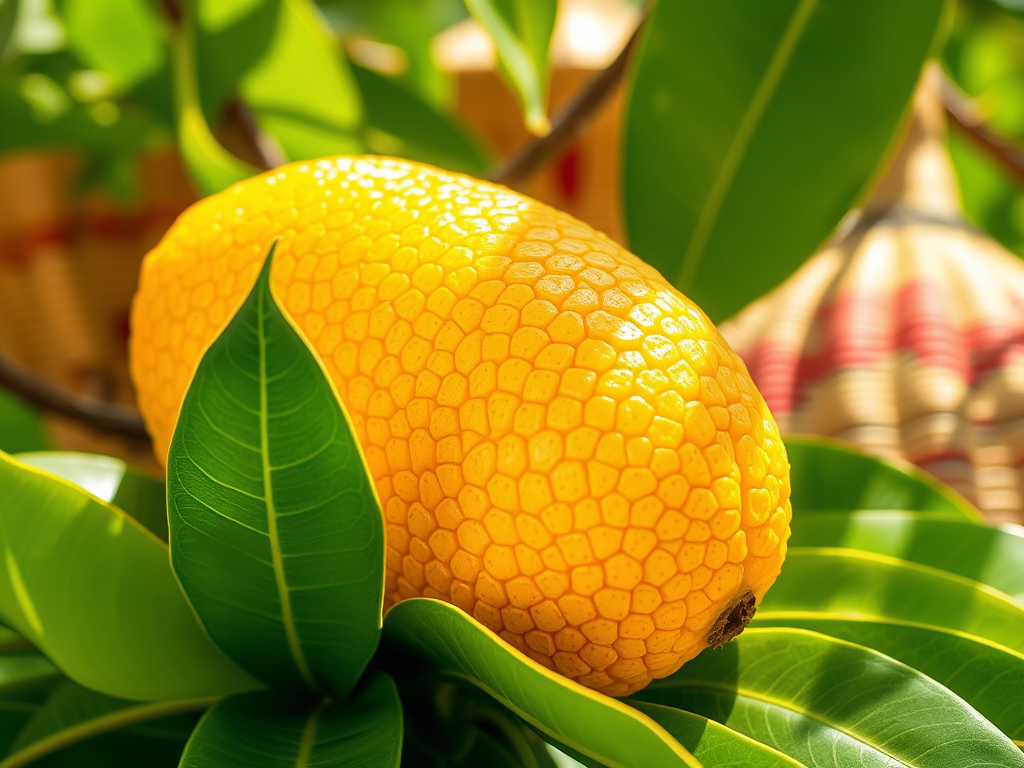
June Plum, also known as Spondias dulcis: A Bright, Tropical Jewel With Deep Roots
Spondias dulcis is a beloved tropical fruit, celebrated for its refreshing acidity and its deep cultural roots across the Caribbean, Pacific, and Southeast Asia.
Spondias dulcis—known across the tropics as Ambarella, June Plum, Golden Apple, Pomme Cythère, or Hog Plum—feels like a small piece of sunlight made edible. Its skin holds a quiet glow, and inside, the flesh offers that unmistakable balance of crispness, tartness, and gentle sweetness. It’s the kind of fruit that announces itself with brightness: a sharp, refreshing bite that wakes the senses and lingers with a soft, citrus‑kissed finish.
Across the Caribbean, Southeast Asia, the Pacific, and pockets of West Africa, this fruit is more than a seasonal harvest. It’s a familiar presence—found in market baskets, roadside stalls, kitchen bowls, and childhood memories. People grate it into salads, simmer it into chutneys, blend it into coolers, or simply enjoy it with a pinch of salt and chili. Wherever it appears, it carries the warmth of home.
Spondias dulcis doesn’t just nourish the body; it restores the spirit. It’s a fruit that cools, refreshes, and reconnects people to the places and traditions that shaped them. In every bite, there’s a reminder of sunlit afternoons, shared meals, and the simple comfort of something grown close to the earth.
🌿 When It Was First Cultivated
Current research indicates that Spondias dulcis was cultivated in prehistoric times, long before written records existed. It originated in Melanesia and parts of Island Southeast Asia, where it grew wild and was gradually domesticated by local communities.
🌊 Who First Spread It
The fruit was not “discovered” in the modern sense. Instead, it was intentionally carried and cultivated by Austronesian seafarers, who transported it as a canoe plant during their vast oceanic migrations. These early navigators spread Spondias dulcis throughout:
- Island Southeast Asia
- Polynesia
- Micronesia
Their voyages—spanning thousands of miles—brought the fruit to new islands where it became part of local diets, medicine, and culture.
🌍 Later Introductions
Centuries later, during the colonial era, the fruit was introduced to the Caribbean and the Americas. For example:
- Jamaica received the fruit in 1782, after which it spread throughout the Caribbean.
✨ In Short
Spondias dulcis doesn’t have a single inventor or discoverer. Its story is one of Indigenous cultivation, oceanic migration, and cultural exchange—a fruit carried by human hands across the Pacific long before maps, borders, or written history.
If you’d like, I can shape this into a polished paragraph for your WordPress post, or weave it into the expanded introduction you’re building.
🌍 Cultural Significance
Ambarella is woven into daily life across many regions:
Caribbean
Used in chutneys, juices, pepper sauces, and pickles. In Trinidad & Tobago, ambarella juice is a beloved street-side refreshment.
Southeast Asia
In Vietnam and Cambodia, it’s eaten with chili-salt mixtures or shaved into salads for crunch and acidity.
Pacific Islands
Traditionally enjoyed fresh or preserved, often shared during gatherings and celebrations.
West Africa
Known as “golden apple,” it appears in relishes, snacks, and festive meals.
Across cultures, Ambarella is a fruit of refreshment, hospitality, and everyday nourishment.
🍈 Flavor & Sensory Experience
Ambarella has a personality all its own:
- Texture: Firm, crisp, almost apple-like when unripe
- Flavor: Tart with a citrusy brightness; ripened fruit becomes mellow and lightly sweet
- Aroma: Green, fresh, and subtly floral
- Color: Green when young, turning golden as it ripens
It’s the kind of fruit that wakes up the palate—bright, refreshing, and full of life.
🌱 Nutritional Notes
Spondias dulcis may be small and unassuming, but its nutritional profile is quietly impressive. Like many tropical fruits, it’s built for hydration, replenishment, and everyday nourishment—qualities that make it beloved in warm climates where refreshment is a form of care.
A Bright Source of Vitamin C
Ambarella is naturally rich in vitamin C, a nutrient that supports immune function and helps protect cells from oxidative stress. This is part of why the fruit tastes so vibrant: that tart, citrus‑leaning acidity is a sensory clue to its vitamin content.
Fiber for Gentle Digestion
The fruit’s crisp flesh contains dietary fiber, which supports healthy digestion and helps create a sense of fullness. Whether eaten fresh, grated into salads, or blended into juices, it offers a light, natural way to support digestive comfort.
Hydration From the Inside Out
With its high water content and refreshing acidity, Ambarella is often enjoyed during hot seasons for its cooling, thirst‑quenching qualities. Many cultures turn it into juices, coolers, or lightly salted snacks to help restore the body after heat or exertion.
Antioxidants & Plant Compounds
Like many fruits in the Anacardiaceae family, Spondias dulcis contains antioxidants and phytonutrients that contribute to its color, flavor, and protective properties. These compounds help the fruit resist environmental stress—and offer similar benefits when included in a balanced diet.
Minerals for Everyday Wellness
Ambarella provides small amounts of minerals such as calcium, iron, and potassium. While not a primary source, these minerals contribute to the fruit’s overall nutritional value and make it a meaningful addition to plant‑forward meals.
A Light, Nourishing Energy
Because it’s naturally low in fat and contains modest natural sugars, Ambarella offers gentle energy without heaviness. It’s the kind of fruit that feels refreshing rather than indulgent—perfect for juices, salads, and mid‑day snacks.
🌿 Traditional & Folk Uses (General Information Only)
Across the tropics, Spondias dulcis has long been valued not only as a refreshing fruit but as a quiet companion in everyday wellness traditions. Its bright acidity, cooling nature, and mineral-rich flesh have made it a trusted ingredient in home practices passed down through families and communities.
A Cooling Fruit for Hot Climates
In many Caribbean and Pacific Island households, Ambarella is considered a naturally cooling fruit. Its juice is often enjoyed during the hottest months to help the body feel refreshed after time in the sun or physical work. This belief is rooted in generations of observation and seasonal living.
Support for Digestion
Because of its fiber and gentle acidity, the fruit is traditionally eaten after meals or used in lightly salted preparations to support comfortable digestion. In some regions, grated unripe Ambarella is added to salads or relishes believed to “wake up” the digestive system.
Soothing Preparations
In parts of Southeast Asia, lightly sweetened Ambarella juice is a common home remedy for soothing the throat or offering comfort during seasonal changes. Families often prepare it chilled, describing it as both calming and restorative.
Nourishment During Recovery
Across several cultures, the fruit is offered to people recovering from heat exhaustion or fatigue. Its hydrating quality and bright flavor make it a gentle, easy-to-enjoy source of nourishment.
Traditional Preserves & Tonics
Ambarella is frequently turned into pickles, syrups, and chutneys that are believed to support overall vitality. These preparations are less about targeted healing and more about maintaining balance, hydration, and everyday wellness.
A Fruit of Everyday Care
What stands out across regions is the way Ambarella is woven into daily rhythms of care—shared between generations, offered to guests, and used in simple, comforting preparations that reflect the wisdom of living close to the land.
🍽️ Culinary Uses
Spondias dulcis is one of those rare fruits that moves effortlessly between sweet, savory, spicy, and refreshing. Its bright acidity and crisp texture make it a natural enhancer—lifting dishes, balancing heat, and adding a clean, green brightness wherever it appears.
Fresh & Simple Preparations
- Sliced with chili-salt: A beloved street snack across Southeast Asia and the Caribbean.
- Lightly salted: Enhances the fruit’s natural tartness and makes it even more refreshing.
- Eaten ripe: Softens slightly, becoming mellow and lightly sweet.
Juices, Coolers & Drinks
Ambarella juice is iconic in many tropical regions. Blended with water, lime, and a touch of sweetener, it becomes a cooling drink enjoyed on hot afternoons. Some cultures add ginger or mint for extra brightness.
Salads & Slaws
Unripe Ambarella is often grated or julienned into salads where its crispness shines.
- In Vietnam and Cambodia, it’s tossed with herbs, chili, and fish sauce.
- In the Caribbean, it appears in fresh slaws paired with peppers and onions.
Chutneys, Relishes & Pepper Sauces
Its tartness makes it a perfect base for condiments:
- Caribbean chutneys with garlic, hot pepper, and spices
- Sweet-tart relishes served with grilled fish or roasted meats
- Ambarella pepper sauce, a staple in some island kitchens
Pickles & Preserves
Ambarella pickles are common across the tropics. The fruit holds its texture well, absorbing brine and spices while keeping its signature crunch. Ripe fruit is also cooked down into jams, syrups, and preserves that capture its golden flavor.
Curries & Savory Dishes
In parts of Southeast Asia, Ambarella is added to curries and soups to bring acidity and depth—similar to how tamarind or green mango is used.
Desserts & Sweet Preparations
Though less common, ripe Ambarella can be folded into fruit salads, blended into smoothies, or simmered with sugar and spices to create a fragrant compote.
A Fruit of Versatility
Whether it’s brightening a salad, cooling the body in a drink, or adding tang to a curry, Ambarella adapts to the cook’s intention. It’s a fruit that invites creativity while staying deeply rooted in tradition.
Ceremonial & Poetic Recipes With Spondias dulcis
These are not just recipes. They are small rituals—moments of brightness gathered from a fruit that carries sunlight in its skin. Prepare them slowly. Let the scent rise. Let the fruit teach you something about refreshment, about returning to yourself.
🥤 Ambarella Cooler: A Drink for Cooling the Spirit
This is the drink you make when the day feels heavy and the air sits warm on your shoulders. A drink that tastes like shade, like a breeze moving through leaves.
Ritual
Peel the Ambarella as though unveiling a small sun. Cut the flesh away from its fibrous heart— a reminder that even brightness has a core.
Blend it with cool water until the mixture softens into a pale green cloud. Strain it, letting the fibers go, keeping only what refreshes.
Add lime for clarity, sweetness for balance, and a pinch of salt to remind the body of what it has lost to heat.
Pour over ice. Drink slowly. Let it return you to yourself.
🥗 Green Ambarella Salad: A Bowl of Brightness
This salad is a celebration of crispness, of green things, of the way herbs can lift the spirit.
Ritual
Julienne the unripe Ambarella—thin, bright ribbons of tartness. Add carrot for color, herbs for breath, chili for awakening.
Whisk the dressing gently, as though coaxing sweetness into harmony with salt and citrus.
Toss everything together with your hands if you can. Feel the textures. Let the scent rise.
Serve it as a reminder that nourishment can be light, sharp, and alive.
🌶️ Caribbean Ambarella Chutney: A Jar of Heat & Memory
This chutney is a story— sweetness meeting fire, tartness meeting warmth, fruit meeting flame.
Ritual
Grate the Ambarella until it becomes a fragrant pile of gold. Add onion, garlic, pepper— the holy trinity of island kitchens.
Simmer everything together: sugar melting into fruit, vinegar rising in small clouds, spices opening like flowers in heat.
When it thickens, taste it. It should feel like a memory— bright, bold, impossible to forget.
Let it cool. Keep it close. Use it to wake up any meal that feels quiet.
🥒 Pickled Ambarella: A Jar of Patience
Pickling is a slow ritual, a practice of trust. You prepare today what will nourish you tomorrow.
Ritual
Slice the Ambarella into crescents— moons of green and gold.
Pack them into a jar with garlic and seeds that crackle with promise.
Pour the hot brine over the fruit. Listen to the quiet sizzle. Seal the jar.
Let time do what only time can do. Return tomorrow to a brighter version of what you began.
🍲 Ambarella Curry: A Bowl for Softening
This curry is a gentle ceremony— a meeting of coconut, spice, and the fruit’s tender sourness.
Ritual
Sauté onion and garlic until they release their sweetness. Add turmeric and curry powder— watch the color bloom.
Place the Ambarella into the pot like an offering. Pour broth and coconut milk over it. Let everything soften together, each ingredient surrendering to the warmth.
Serve with rice. Eat slowly. Let the tang and cream remind you that balance is a practice.
🛒 Availability
Spondias dulcis is widely grown across tropical and subtropical regions, but its availability varies depending on location and season.
Tropical Regions
In the Caribbean, Southeast Asia, the Pacific Islands, and parts of Africa, Ambarella is commonly found in:
- Local markets
- Roadside stalls
- Home gardens
- Seasonal harvest festivals
In many of these regions, the tree fruits once or twice a year, depending on climate.
United States & Non-Tropical Regions
Outside the tropics, Ambarella is considered a specialty fruit. It may be available:
- In Caribbean, Southeast Asian, or African grocery stores
- At international markets in major cities
- Through specialty produce distributors
- Occasionally frozen or in preserved forms (chutneys, syrups, pickles)
Seasonality
While exact timing varies by region, Ambarella is generally harvested during:
- Late spring to early summer, and
- A second crop in early fall in some climates
Because the tree is generous and fast-growing, fruit often appears in abundance during peak season.
Forms You May Find It In
- Fresh, green, or golden-ripe
- Frozen pulp
- Bottled juice
- Pickled slices
- Chutneys and pepper sauces
- Dried or candied pieces in some regions
⚠️ Who Should Avoid Spondias dulcis
(General information only — not medical advice)
While Spondias dulcis is enjoyed widely across the tropics, there are a few groups who may choose to limit or avoid it based on common dietary considerations and traditional guidance.
1. People Sensitive to Acidic Foods
Ambarella is naturally tart and acidic. Those who experience discomfort from acidic fruits — such as citrus, green mango, or pineapple — may find that Ambarella causes:
- stomach irritation
- acid reflux flare‑ups
- mouth or tongue sensitivity
2. Individuals With Known Allergies to Anacardiaceae Family Fruits
Spondias dulcis belongs to the same botanical family as:
- mango
- cashew
- pistachio
People with known sensitivities to this family may choose to avoid Ambarella as a precaution.
3. Those Managing Blood Sugar With Professional Guidance
Ambarella contains natural sugars. While not high‑sugar, individuals who are monitoring carbohydrate intake under medical supervision may need to consider portion size.
4. Anyone With Mouth Ulcers or Oral Sensitivity
Because of its acidity, the fruit may sting or irritate existing sores or sensitive tissue.
5. People Following Low‑Acid Diets for Medical Reasons
Some individuals are advised by their healthcare providers to avoid acidic foods. Ambarella would fall into that category.
6. Infants Under One Year Old
Many cultures avoid giving highly acidic fruits to very young children due to the potential for irritation. This is a traditional practice rather than a medical rule, but it’s widely observed.
✨ A Gentle Reminder
These points are based on general dietary considerations and cultural practices, not medical guidance. Anyone with specific health concerns should speak with a qualified healthcare professional for personalized advice.
📚 Sources Used
1. Botanical Origin, Cultivation, Cultural Spread
Wikipedia – Spondias dulcis Covers botanical classification, native range (Melanesia & Southeast Asia), Austronesian spread as a canoe plant, Caribbean introduction (1782), and general cultivation details. https://en.wikipedia.org/wiki/Spondias_dulcis (en.wikipedia.org in Bing)
2. Historical Significance, Cultivation Practices, Nutritional Profile
The Ambarella Tree: Exploring its History, Cultivation, and Health Benefits Provides historical context, traditional reverence in Southeast Asia, cultivation timelines, and nutritional highlights (vitamin C, fiber, minerals). https://www.plantshospital.com/ambarella-tree (plantshospital.com in Bing)
3. Geographic Origin (Melanesia & Polynesia)
Ambarella Tree Guide: Cultivation, Harvesting, Benefits Supports origin details and regional distribution across Pacific islands. https://www.gardeningknowhow.com/ambarella-tree-guide (gardeningknowhow.com in Bing)
⚠️ Disclaimer
The information shared in this post is for general educational and cultural purposes only. Spondias dulcis (Ambarella) has a long history of traditional use across many regions, but these practices are not medical guidance. Nutritional details, folk uses, and culinary notes are provided to help readers understand the fruit’s heritage and everyday role in food culture.
This content is not intended to diagnose, treat, cure, or prevent any condition, and it should not replace advice from a qualified healthcare professional. Anyone with specific health concerns, dietary restrictions, allergies, or medical questions should consult a licensed practitioner for personalized guidance.
🧠 Are There Any Brain‑Related Benefits?
(General information only — not medical advice)
Spondias dulcis isn’t traditionally known as a “brain food” in the way blueberries or walnuts are often described, but the nutrients inside the fruit can play supportive roles in overall wellness, including the systems that help the brain function well.
Think of it as a fruit that contributes to the environment your brain likes to work in: hydrated, nourished, and supported by antioxidants.
Sharper, Healthier Mind
Where neuroscience meets sound.
The Brain Song is a simple, 12-minute digital audio that helps naturally activate healthy brainwave patterns linked with BDNF – Brain-Derived Neurotrophic Factor, the key molecule that supports learning, focus, and overall brain wellness.
The Science Behind It
BDNF is known by neuroscientists as a “fertilizer for the brain” — it helps support healthy communication between brain cells and overall mental performance.
 EJADA
EJADA 
Leave a comment