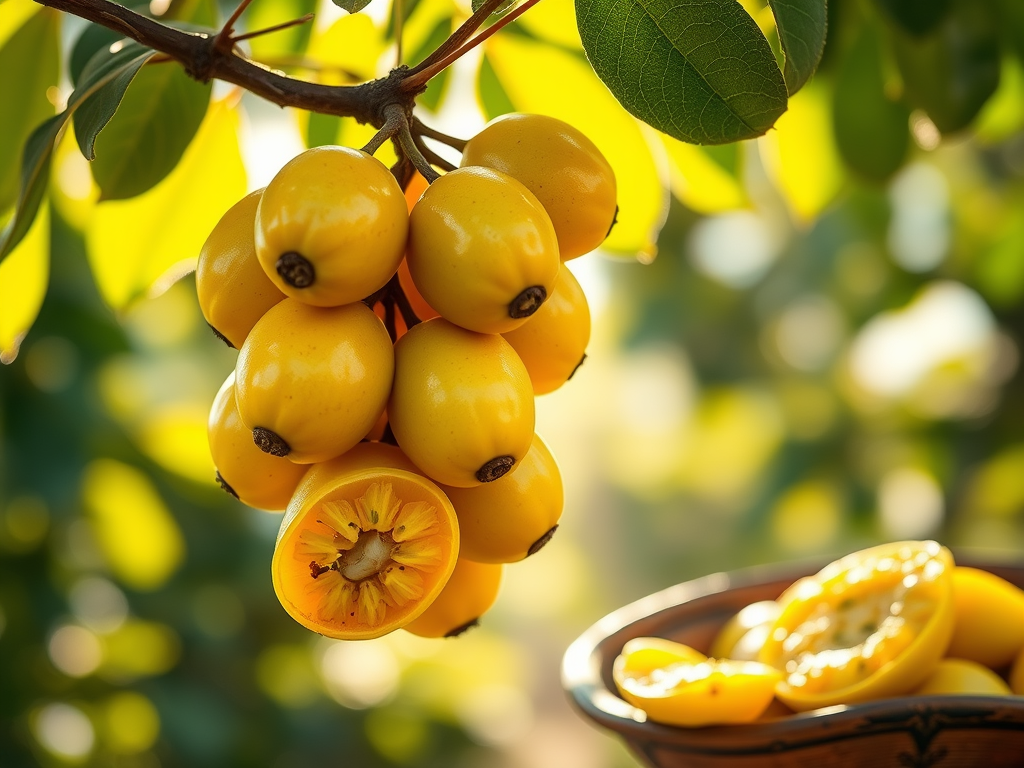
🌿 Spondias pinnata: The Wild, Tangy Fruit Rooted in Tradition & Everyday Wellness
Some fruits arrive in our kitchens with a story already woven into them — a memory of forests, village paths, and the quiet rituals of home cooking. Spondias pinnata, often called hog plum or wild mango, is one of those fruits. It’s not flashy. It doesn’t demand attention. Yet it carries a depth of flavor and cultural presence that has nourished communities for generations.
In a world where wellness trends rise and fall overnight, Spondias pinnata offers something steadier: a return to simple, grounded nourishment.
🌍 A Fruit of Many Homelands
Spondias pinnata is a traveler — a fruit that has crossed borders, languages, and landscapes without ever losing its sense of belonging. It’s one of those ingredients that feels at home wherever it grows, adapting to the rhythms of each region while carrying a quiet thread of familiarity from one culture to the next.
Across India, Nepal, Bangladesh, Myanmar, Thailand, Laos, Cambodia, Vietnam, and southern China, this fruit appears under different names, in different dishes, and with different stories attached to it. Yet the essence remains the same: a bright, tangy fruit that brings life to the pot and comfort to the table.
In India, it slips into fish curries and village pickles. In Nepal, it’s simmered into broths that warm the body after long walks through terraced hills. In Thailand and Laos, it brightens sour soups and herbal preparations. In Cambodia and Vietnam, it’s folded into relishes that balance heat, salt, and acidity with effortless grace.
Everywhere it goes, it becomes part of the local vocabulary — not just in cooking, but in memory. Children grow up snacking on it with salt and chili. Elders know exactly when the fruit is ready by the way its skin wrinkles or the way it falls from the branch. Home cooks instinctively reach for it when a dish needs brightness, depth, or a touch of the familiar.
What makes Spondias pinnata special is not just its flavor, but its ability to belong to many places at once. It’s a fruit shaped by migration, trade routes, monsoon climates, and the shared wisdom of communities who learned to use what the land offered.
To call it a fruit of many homelands is to honor the way it has woven itself into kitchens and cultures across Asia — not as an exotic ingredient, but as a trusted companion. A fruit that carries the imprint of every place it has touched, yet remains unmistakably itself.
🍋 Flavor Identity: Bright, Wild, and Deeply Aromatic
Spondias pinnata has a flavor that doesn’t sit neatly in one category — it lives in the space between citrus, mango, and something distinctly its own. Its identity is shaped by contrast: sharp yet softening with heat, wild yet comforting, familiar yet unmistakably unique.
✨ Core Flavor Notes
- Tangy brightness that wakes up the palate
- Citrus‑leaning acidity similar to green mango or tamarind
- A gentle resinous aroma that hints at its mango‑family lineage
- A clean, refreshing finish that lingers lightly
🌿 Texture & Mouthfeel
- Firm and fibrous when raw
- Softens beautifully when simmered
- Holds its shape in curries and pickles
- Releases a fragrant, almost floral tang when cooked
🔥 How It Behaves in Cooking
Heat transforms the fruit:
- The sharpness mellows into a rounded, aromatic sourness
- The resinous notes deepen, adding complexity
- The fruit becomes a natural brightener for broths, dals, and stews
It’s the kind of ingredient that doesn’t dominate — it lifts everything around it.
🌍 Emotional & Cultural Identity
Spondias pinnata tastes like:
- Monsoon kitchens
- Village gardens
- Childhood snacks with salt and chili
- The tang that cuts through heat and humidity
- A fruit that feels both wild and deeply rooted
It carries the memory of place — the kind of flavor that instantly transports you back to where it was grown.
💛 In One Line
Spondias pinnata tastes like a wild, citrus‑kissed mango with a bright, tangy soul and a fragrance that deepens when touched by heat.
🍲 How It’s Used in Traditional Cooking
Across regions, Spondias pinnata shows up in dishes that feel like home:
- Chutneys and relishes that balance heat with tang
- Fish curries in Bengal and Assam, where its acidity brightens the broth
- Pickles that stay crisp and flavorful
- Sour soups in Southeast Asia
- Fermented preparations in tribal and rural communities
Its natural tartness makes it a perfect souring agent — a role similar to tamarind or green mango, but with its own aromatic signature.
🌼 Cultural & Traditional Wellness Notes
For many families, Spondias pinnata is more than a fruit — it’s part of seasonal rhythms and home remedies. Traditionally, it has been used for:
- Gentle digestive support
- Cooling preparations during hot months
- Light tonics for appetite and hydration
- Ritual meals tied to festivals or seasonal transitions
It’s a fruit that carries memory — of monsoon kitchens, shared meals, and the quiet wisdom of elders.
💛 Nutritional & Wellness Benefits
Spondias pinnata offers a simple, natural boost to everyday wellness:
- Vitamin C for immune support
- Antioxidants that help protect cells
- Dietary fiber for digestion
- Trace minerals that support overall balance
- Plant compounds linked to gut comfort and metabolic ease
It’s not a “superfood” in the trendy sense — it’s a steady, nourishing fruit that supports the body in gentle, meaningful ways.
🌿 Health Benefits of Spondias Pinnata
Spondias pinnata has been part of traditional diets and home remedies for generations, and its natural composition offers gentle support for everyday wellness. While it isn’t a cure‑all, it brings together nutrients and plant compounds that help the body feel balanced and nourished.
🍋 1. Rich in Vitamin C
The fruit’s natural tartness comes from its vitamin C content, which supports:
- Immune function
- Skin health
- Natural antioxidant protection
It’s a simple way to add brightness and nourishment to meals.
🌱 2. Supports Healthy Digestion
The fiber and natural acids in Spondias pinnata can help:
- Promote smoother digestion
- Encourage regularity
- Support gut comfort after meals
Many traditional cuisines use it as a natural souring agent that’s easy on the stomach.
🔥 3. Natural Antioxidant Activity
The fruit contains plant compounds that help the body manage everyday oxidative stress. These antioxidants contribute to:
- Cellular protection
- Overall vitality
- A sense of internal balance
💧 4. Hydration & Electrolyte Support
In hot climates, the fruit is often used in cooling drinks and broths because it helps:
- Replenish fluids
- Add gentle electrolytes
- Refresh the body during warm seasons
🌼 5. Traditional Wellness Uses
Across regions, Spondias pinnata has been used in home remedies for:
- Light digestive tonics
- Seasonal cooling preparations
- Gentle appetite support
These uses reflect cultural wisdom passed down through families and communities.
🍽️ 6. A Supportive Addition to Plant‑Forward Eating
Because it’s low in calories and rich in flavor, Spondias pinnata fits beautifully into:
- Plant‑based meals
- Light soups and curries
- Fresh chutneys and relishes
It adds brightness without heaviness.
🌾 Bringing It Into Your Healthy Living Routine
If you’re exploring more plant‑based, culturally rooted ingredients, Spondias pinnata is a beautiful addition. You can:
- Add it to soups for brightness
- Blend it into chutneys for a tangy kick
- Use it in pickles for a crisp, sour note
- Simmer it into curries for depth
- Enjoy it raw with a sprinkle of salt and chili
It’s a reminder that wellness doesn’t always come from new discoveries — sometimes it comes from remembering what has always been there.
Add this to your wellness routine and get a FREE BONUS
🍽️ Recipe: Tangy Spondias pinnata Chutney
This chutney captures everything beautiful about Spondias pinnata — its brightness, its gentle sourness, and the way it wakes up a meal. It’s simple, aromatic, and rooted in the everyday kitchens where this fruit has been loved for generations.
Ingredients
- 6–8 Spondias pinnata fruits (peeled and chopped)
- 1–2 green chilies, sliced
- 1 small onion, finely chopped
- 1 tsp mustard seeds
- 1 tsp grated ginger
- 1–2 tbsp jaggery or raw sugar (adjust to taste)
- ½ tsp turmeric
- Salt to taste
- 1 tbsp oil
- ½ cup water
- Optional: fresh cilantro for garnish
Instructions
- Warm the oil in a small pan over medium heat.
- Add mustard seeds and let them crackle.
- Stir in the onions, ginger, and chilies. Sauté until fragrant.
- Add the chopped Spondias pinnata and turmeric. Mix well.
- Pour in the water and simmer until the fruit softens.
- Add jaggery and salt. Continue cooking until the chutney thickens and the flavors come together.
- Taste and adjust sweetness or salt as needed.
- Garnish with cilantro and serve warm or chilled.
Serving Ideas
- Spoon over rice bowls
- Pair with grilled fish or roasted vegetables
- Use as a tangy spread for wraps
- Serve alongside dal, curries, or flatbreads
This chutney brings a bright, refreshing note to any meal — a little tang, a little heat, and a lot of tradition.
🍛 Recipe: Spondias pinnata & Lentil Stew (Light, Comforting, Traditional)
This stew is the kind of dish that feels like home — warm, tangy, nourishing, and perfect for days when you want something gentle on the body but full of flavor. The fruit’s natural acidity brightens the lentils, creating a balanced bowl that’s both grounding and refreshing.
Ingredients
- 1 cup red lentils (masoor dal), rinsed
- 3–4 Spondias pinnata fruits, peeled and lightly crushed
- 1 small onion, chopped
- 1 tomato, chopped
- 1–2 green chilies, slit
- 1 tsp turmeric
- 1 tsp cumin seeds
- 1 tsp grated ginger
- 1 tbsp oil or ghee
- Salt to taste
- 3 cups water
- Optional: fresh cilantro, squeeze of lime
Instructions
- Add lentils, turmeric, salt, and water to a pot. Bring to a gentle boil.
- Add the crushed Spondias pinnata pieces directly into the pot.
- Simmer until the lentils soften and the fruit begins to break down.
- In a separate pan, heat oil or ghee.
- Add cumin seeds and let them sizzle.
- Stir in onions, ginger, chilies, and tomatoes. Cook until soft and fragrant.
- Pour this mixture into the lentils and stir well.
- Simmer for 5–7 minutes to let the flavors meld.
- Adjust salt and consistency as needed.
- Garnish with cilantro and a squeeze of lime if desired.
Serving Ideas
- Serve over steamed rice
- Pair with warm flatbread
- Enjoy as a light, nourishing bowl on its own
- Add sautéed greens for extra depth
This stew is gentle, aromatic, and deeply satisfying — the kind of dish that supports the body without heaviness.
📊 Nutritional Values (Approx. per 100g of Spondias pinnata)
| Nutrient | Amount |
|---|---|
| Calories | 65–75 kcal |
| Carbohydrates | 15–18 g |
| Dietary Fiber | 2–3 g |
| Vitamin C | Moderate to high (varies by ripeness) |
| Vitamin A | Trace amounts |
| Potassium | Present in small amounts |
| Antioxidants | Naturally occurring plant compounds |
| Fat | |
| Protein |
Values vary by region, ripeness, and preparation. This table is for general educational use.
⚠️ Caution & Sensitivities
Spondias pinnata is generally enjoyed safely across many cultures, but as with any fruit or traditional ingredient, a few considerations can help readers make informed choices.
🌿 1. Natural Acidity
The fruit’s bright, sour profile may be too strong for individuals who are sensitive to acidic foods. Those who experience discomfort with citrus, tamarind, or green mango may want to start with small amounts.
🌱 2. Digestive Sensitivities
Because the fruit contains natural fiber and plant acids, it may cause mild digestive reactions in people with very sensitive stomachs. Cooking the fruit often makes it gentler and easier to tolerate.
🥭 3. Family Connection to Mango & Cashew
Spondias pinnata belongs to the Anacardiaceae family — the same botanical family as mangoes and cashews. Individuals with known sensitivities to this plant family may want to use caution and consult with a healthcare professional if unsure.
🍃 4. Ripeness Matters
Unripe fruits are more sour and astringent, which some people find harsh. Ripe or lightly cooked preparations tend to be milder and more balanced.
🌼 5. Traditional Uses vs. Medical Advice
While the fruit has a long history in traditional wellness practices, these uses are cultural and not a substitute for professional medical guidance. Anyone with underlying health conditions, dietary restrictions, or concerns should speak with a qualified healthcare provider.
👶 6. Children & Older Adults
For young children or older adults, softer, cooked preparations are typically easier to digest than raw, very tart pieces.
📦 Availability
Spondias pinnata isn’t a mainstream grocery‑store fruit in the U.S., but it is accessible if you know where to look. Most availability comes in the form of seeds, saplings, or specialty imports, depending on the season and the seller.
🌱 Seeds (Most Widely Available)
Several reputable online seed suppliers currently list Spondias pinnata seeds as in stock, including:
- Trade Winds Fruit — offers Malaysian Mombin (Spondias pinnata) seeds, available through their seed store.
- RarePalmSeeds — lists Spondias pinnata (Andaman Mombin) seeds as in stock, with worldwide shipping options. Import into the U.S. requires a USDA permit.
- JSP Seeds — sells fresh Spondias pinnata seeds with high germination rates and international shipping.
These sources are the most reliable way for U.S. buyers to access the fruit in any form.
🌳 Saplings & Live Plants
Live plants are less commonly available in the U.S. due to climate and import restrictions. When they do appear, it’s usually through:
- Specialty tropical plant nurseries
- Seasonal online plant shops
- Private growers in warm states (Florida, Hawaii, Southern California)
Because Spondias pinnata prefers tropical to subtropical climates, it’s rarely sold as a mature plant in northern regions.
🍈 Fresh Fruit
Fresh Spondias pinnata is rare in U.S. markets. You may occasionally find it:
- In Southeast Asian grocery stores in major cities
- Through specialty importers during peak season
- At cultural festivals or community markets serving South/Southeast Asian communities
However, availability is inconsistent and highly regional.
📍 For Readers in the U.S.
Most people will access Spondias pinnata through seeds or dried/preserved forms rather than fresh fruit. Growing it at home is possible in warm climates or indoors with controlled conditions.
📚 Sources & References
Spondias pinnata – Botanical, Geographic, and Cultural Information
- Wikipedia. Spondias pinnata.
https://en.wikipedia.org/wiki/Spondias_pinnata(en.wikipedia.org in Bing)
Traditional Uses, Habitat, Edibility, and Distribution
- Useful Tropical Plants Database. Spondias pinnata (L.f.) Kurz.
https://tropical.theferns.info/viewtropical.php?id=Spondias+pinnata(tropical.theferns.info in Bing)
Culinary Use Overview
- Botanikks. Spondias pinnata (l.f.) Kurz. https://botanikks.com
🌿 A Closing Reflection Three Spondias Fruits
Exploring Spondias pinnata, Spondias dulcis, and Spondias mombin is like walking through three neighboring homes in the same ancestral village — each familiar, each distinct, each carrying its own story, flavor, and cultural memory.
Spondias pinnata brings the wild tang of forest edges and monsoon kitchens — bright, aromatic, and deeply rooted in traditional cooking. Spondias dulcis offers a gentler, tropical sweetness, the kind that feels sun‑warmed and refreshing, often eaten fresh or folded into cooling drinks. Spondias mombin carries a bold, resinous personality, beloved in chutneys, preserves, and dishes that call for depth and character.
Together, they form a small but powerful lineage fruits that have traveled across continents, adapted to countless kitchens, and remained woven into the daily rhythms of the communities that cherish them.
They remind us that wellness isn’t always about discovering something new. Sometimes it’s about returning to ingredients that have nourished people quietly, consistently, and lovingly for generations. Fruits with lineage. Fruits with memory. Fruits that carry the imprint of land and culture in every bite.
And in bringing them into your Healthy Living space, you’re not just sharing information you’re honoring a whole ecosystem of tradition, flavor, and ancestral wisdom.
 EJADA
EJADA 
Leave a comment