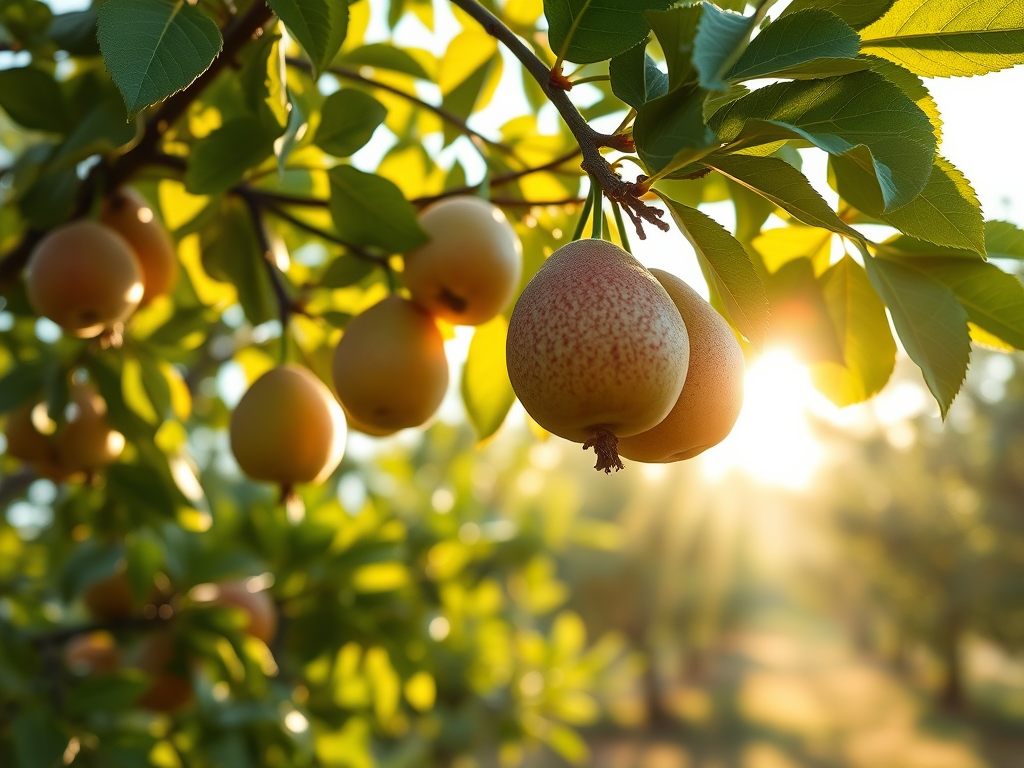
🌿 Sorbus domestica: The Ancient Fruit Tree Returning to Modern Tables
A quiet European treasure with deep roots, gentle nourishment, and a story worth rediscovering
Some fruits arrive with fanfare. Others arrive with history.
Sorbus domestica — often called the Service Tree, Sorb Apple, or Corm Tree — belongs to the second category. It is one of Europe’s oldest cultivated fruit trees, a species once cherished across villages, orchards, and farmsteads… and now quietly returning to the world of slow food, heritage agriculture, and holistic nourishment.
A fruit that carries memory. A fruit that connects us to the land. A fruit that invites us to rediscover forgotten abundance.
🌍 Origins & Ancestral Heritage
Sorbus domestica is native to Southern and Central Europe, stretching into parts of Western Asia and North Africa. For centuries, it grew along hillsides, forest edges, and rural homesteads — valued not only for its fruit but for its longevity, resilience, and symbolic presence.
Historically, the tree was:
- Planted near farms as a sign of prosperity
- Used in traditional European folk medicine
- Celebrated for its extremely long lifespan (some trees live 300+ years)
- Harvested for fruit that supported families through winter
In many regions, the Service Tree was considered a guardian of the land — a tree that watched over generations.
🍐 The Fruit: A Study in Patience & Transformation
Sorbus domestica produces two fruit shapes: apple‑like and pear‑like, depending on the variety.
Fresh from the tree, the fruit is firm and astringent. But after a period of bletting — a natural softening process — it transforms into something entirely different:
- Soft
- Sweet
- Earthy
- Aromatic
- Rich in depth and character
This transformation is part of its charm. It teaches patience. It rewards slowness.
The fruit becomes a gentle, spoonable delicacy — once a staple in rural European kitchens.
🌱 Nutritional & Wellness Notes
Sorbus domestica offers a nourishing profile that aligns beautifully with whole‑food, slow‑living principles.
Rich in Natural Fiber
Supports digestion, gut comfort, and steady energy.
Vitamin C & Antioxidants
Helps protect cells from everyday stress and supports natural immune function.
Tannins
Traditionally valued for digestive balance and gut‑soothing properties.
Minerals
Including potassium and magnesium, which support heart and muscle function.
Low Natural Sugars (when bletted)
A gentle option for those seeking fruit with a softer glycemic impact.
As always, these notes reflect general nutritional qualities of fruits and are not medical claims or substitutes for professional guidance.
🍽️ Culinary Uses: Old‑World Flavor for Modern Kitchens
Once softened, Sorbus domestica becomes incredibly versatile.
Traditional Uses
- Eaten fresh after bletting
- Made into jams, preserves, and fruit butters
- Fermented into cider‑like beverages
- Added to breads and rustic pastries
- Used in winter stews for depth and aroma
Modern Inspirations
- Blended into smoothies for earthy sweetness
- Paired with yogurt or oats
- Added to cheese boards
- Used as a natural sweetener in sauces
- Folded into plant‑based desserts
Its flavor is often described as a blend of pear, date, and spiced apple — warm, grounding, and quietly complex.
🍽️ Ceremonial Recipes with Sorbus domestica
Rituals of softening, warming, and remembering
🥣 The Morning Bletting Bowl
A slow beginning, offered by a fruit that knows patience
Take the softened flesh of Sorbus domestica — fruit that has surrendered to time — and place it gently into a small bowl.
Mash it with the back of your spoon, as if waking it from a long winter sleep.
Let a ribbon of honey fall across its surface, or a whisper of cinnamon if the morning feels cool.
Add a spoonful of yogurt beside it, thick and grounding, a quiet companion to the fruit’s earthy sweetness.
Eat slowly. Let the day open gently.
🍞 Old‑World Sorbus Fruit Butter
A warm, fragrant offering for the hearth
Gather the bletted pulp, soft as dusk, and warm it in a small pot with lemon, spice, and a touch of sweetness.
Stir slowly, letting the mixture thicken into something ancient — a fruit butter that carries the scent of old kitchens and winter fires.
When it darkens and deepens, remove it from the heat and let it rest.
Spread it on warm bread, and taste the way time transforms fruit into comfort.
🍲 The Hearth Stew Blessing
A quiet way to deepen the pot
As your stew simmers — vegetables softening, herbs releasing their breath — add a small spoonful of Sorbus pulp.
Let it dissolve into the broth, bringing with it the warmth of orchards and the sweetness of late autumn.
A splash of vinegar brightens the pot, a sprig of thyme anchors it.
Serve with gratitude. This is nourishment that remembers where it came from.
🍐 Forest Compote of Sorbus & Pear
A soft dessert shaped by the woods
Combine bletted Sorbus with diced pear, a little water, a touch of maple, and a cinnamon stick.
Let them simmer together, fruits softening into one another, aromas rising like a woodland prayer.
Serve warm over oats or yogurt, or enjoy it alone, a spoonful of forest sweetness.
🍹 The Sorbus Orchard Tonic
A bright, grounding sip for the body and spirit
Mash a bit of Sorbus pulp with lemon and honey, awakening its earthy sweetness.
Pour sparkling water over the mixture, watching it bloom into a soft, amber cloud.
Add a sprig of mint. Lift the glass. Sip slowly.
A drink for clarity. A drink for grounding. A drink that tastes like old orchards and open air.
🧡 Cultural Notes & Symbolism
Across Europe, Sorbus domestica carries layers of meaning:
- A symbol of longevity
- A marker of heritage orchards
- A reminder of seasonal rhythms
- A fruit associated with winter nourishment
- A tree planted to honor land stewardship
In some regions, it was believed to protect homes from misfortune. In others, it was a sign of a well‑tended farm.
Today, it is celebrated by slow‑food communities as a revival fruit — a species worth preserving for future generations.
⚠️ Cautions & Considerations
A gentle fruit with a few mindful notes
Even the most ancient, beloved foods ask for a moment of awareness. Sorbus domestica is no exception. Its history is long, its nourishment is real, and its presence is grounding — but like many heritage fruits, it carries nuances worth honoring.
🍐 1. Only Eat the Fruit When Fully Bletted
Fresh from the tree, Sorbus domestica is firm, tannic, and intensely astringent. It becomes edible only after bletting — the natural softening process where the fruit turns tender, sweet, and aromatic. Unbletted fruit can be unpleasant on the stomach and difficult to digest.
🌰 2. Seeds Are Not Edible
The seeds contain natural compounds that should not be consumed. Always remove them before preparing or eating the fruit.
🌿 3. Tannin Sensitivity
Sorbus domestica contains tannins — the same plant compounds found in tea, wine, and some berries. Individuals sensitive to tannins may experience digestive discomfort and should approach the fruit gently and in small amounts.
🍎 4. Tree‑Fruit Allergies
Those with sensitivities to apples, pears, or other pome fruits may wish to try Sorbus domestica cautiously, as it belongs to a related botanical family.
🧡 5. Introduce Slowly if You Have Digestive Conditions
Because the fruit is rich in fiber and tannins, it’s best introduced gradually for those with sensitive digestion or specific dietary needs.
👶 6. Not Recommended for Infants
Due to its tannin content and the need for proper ripening, this fruit is best reserved for older children and adults.
🩺 7. Always Consult a Professional if Unsure
As with any new or heritage food, individuals with medical conditions, dietary restrictions, or concerns should seek guidance before adding it regularly to their diet.
These notes keep your content responsible, trustworthy, and aligned with your brand’s gentle integrity.
🌍 Availability
Where and when this heritage fruit can be found
Sorbus domestica is not a supermarket fruit — it is a heritage species, a quiet survivor of old orchards and rural landscapes. Its availability reflects its ancient nature.
🍂 Seasonal Availability
- The fruit typically ripens in late autumn, often October through November, depending on the region.
- Bletting occurs naturally after harvest, so the fruit is often enjoyed in late autumn and early winter.
🌳 Where It Grows
Sorbus domestica is found primarily in:
- Southern and Central Europe
- The Balkans
- Parts of Western Asia
- Mediterranean regions
- Old orchards, heritage farms, and forest edges
In many places, the tree is rare — often surviving as a remnant of older agricultural traditions.
🛒 Where to Find the Fruit Today
Because it is not widely cultivated commercially, availability is limited but meaningful:
- Local farmers’ markets in regions where the tree still grows
- Heritage orchards and botanical gardens
- Slow‑food networks and regional food festivals
- Foraging communities familiar with old European fruit species
- Specialty growers who preserve rare or endangered fruit trees
In North America, the fruit is uncommon but not impossible to find, often through:
- Arboretums
- Heirloom fruit collectors
- Specialty nurseries selling young trees rather than fruit
🌱 Growing Your Own
For those who fall in love with the fruit, Sorbus domestica can be grown in:
- Temperate climates
- Well‑drained soil
- Sunny to lightly shaded areas
It is slow to mature but incredibly long‑lived — a tree planted for future generations.
🌼 A Fruit Worth Rediscovering
Sorbus domestica is more than a botanical curiosity — it is a living piece of European heritage. A fruit that reminds us of slower seasons, deeper roots, and the quiet wisdom of foods that have nourished communities for centuries.
Bringing this fruit into your kitchen is a way to honor tradition, embrace mindful nourishment, and reconnect with the forgotten flavors of the old world.
A fruit that asks you to slow down. A fruit that rewards patience. A fruit that carries history in every softened bite.
Closing Blessing
For the tree that softens in silence, and the fruit that teaches patience
May the Service Tree remind you that not all nourishment arrives quickly. Some sweetness ripens only in stillness. Some wisdom comes only through time.
As Sorbus domestica softens in the quiet of late autumn, may you also find the courage to soften — to release what is firm, to welcome what is tender, to trust the slow alchemy of your own becoming.
May its ancient roots remind you of your own lineage, the stories you carry, the resilience woven into your bones.
May its fruit — humble, earthy, transformed through waiting — teach you that beauty often hides in the overlooked, and that the most meaningful nourishment is rarely the loudest.
As you close this page, may you carry with you the blessing of this old‑world tree: a reminder to move gently, to honor your seasons, and to let yourself ripen in your own time.
A fruit. A lesson. A quiet offering from the past to the present.
EXTRA, EXTRA, LEARN!!
⚠️ The Hidden Reason So Many People Struggle to Lose Weight… Even When They’re “Doing Everything Right”
And how a surprising food‑cell discovery is helping thousands finally feel lighter, clearer, and more energized again
Most people blame themselves when the scale won’t move.
They think they need more willpower. More discipline. More dieting. More workouts.
But what if the real problem isn’t you… What if it’s your fat cells?
And what if certain everyday foods — even ones marketed as “healthy” — are quietly stressing, inflaming, and overloading those fat cells… making it feel almost impossible to lose weight no matter how hard you try?
This is the part almost no one talks about.
🍽️ The Surprising Truth About “Sick” Fat Cells
Emerging research suggests that when fat cells become overwhelmed, irritated, or metabolically stressed, they can stop functioning the way your body needs them to.
When this happens, people may experience:
- Stubborn, resistant weight
- Slower metabolism
- Hormone imbalance
- Joint discomfort
- Low energy
- Skin that looks tired or prematurely aged
- Challenges with healthy blood sugar regulation
Many of the foods contributing to this internal stress are things people eat every single day — often without realizing the impact.
🔍 “But I Thought These Foods Were Healthy…”
That’s exactly the problem.
Some foods that appear harmless — even recommended — can trigger a cascade inside the body that leaves fat cells overwhelmed and unable to release stored energy.
When fat cells can’t “breathe,” they can’t shrink.
When they can’t shrink, weight loss becomes a battle.
And when they stay inflamed, the body feels it everywhere: in the joints, in the skin, in the hormones, in the mood, in the energy.
This isn’t about dieting harder. It’s about understanding what’s happening inside.
🌡️ The Real Breakthrough: Supporting Fat Cells Instead of Fighting Them
A growing number of nutrition experts now believe the key to easier, more natural weight loss is not restriction… but restoring fat cell health.
When fat cells feel safe, supported, and balanced, they can:
- Release stored energy more easily
- Support a smoother metabolism
- Help the body maintain healthy inflammation levels
- Improve the way hormones communicate
- Contribute to clearer, more radiant skin
- Support steadier energy throughout the day
This is why so many people say that once they address this hidden issue, weight loss finally feels possible again.
🧬 The Discovery That’s Turning Heads
A well‑known doctor recently revealed a surprising connection between certain everyday foods and the way fat cells behave.
According to his findings, these foods can create a kind of “cellular traffic jam,” making fat cells sluggish and unresponsive.
But when people remove these triggers — and add back specific supportive nutrients — the difference can be dramatic.
Many report feeling:
- Lighter
- Less bloated
- More energized
- Clearer mentally
- More comfortable in their joints
- More confident in their skin
And yes… many finally start seeing the scale move again.
⭐ Why This Matters for You
If you’ve ever felt like your body is working against you… If you’ve ever wondered why weight loss feels harder now than it used to… If you’ve ever felt frustrated, stuck, or confused…
This discovery may be the missing piece.
It’s not about starving yourself. It’s not about punishing workouts. It’s not about giving up the foods you love.
It’s about understanding what’s happening inside your fat cells — and giving them what they need to function the way nature intended.
👉 The Doctor Behind This Discovery Explains Everything in a Short Presentation
He breaks down:
- The everyday foods that may be stressing your fat cells
- The surprising “cellular switch” that influences weight loss
- The simple steps people are using to support healthier fat cell function
- Why this approach works even for people who feel like they’ve tried everything
If you’ve been struggling, this may be the most important thing you watch this year.
Tap below to see the full presentation and learn how to support your fat cells naturally.
👉 Watch the Doctor’s Presentation HERE
 EJADA
EJADA 
Leave a comment