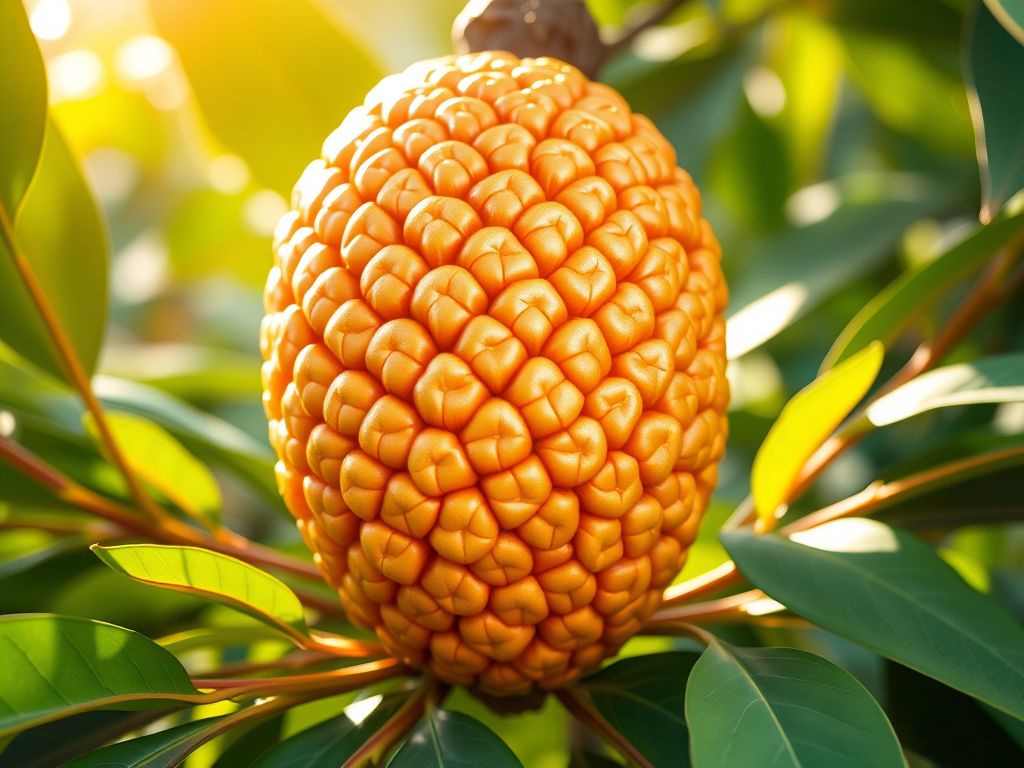
🐍 The Snake Fruit (Salak)
A fruit wrapped in ancient texture, earthy sweetness, and the quiet wisdom of Southeast Asia.
The Snake Fruit is one of those rare gifts from the earth that feels both mysterious and deeply familiar. Its scaly, copper‑brown skin catches the light like woven armor, yet inside it holds a crisp, fragrant flesh that tastes like a memory you didn’t know you had.
This is a fruit of contrast — rugged on the outside, tender and aromatic within. A fruit that invites you to slow down, peel carefully, and savor its story.
🌱 Origins: A Fruit Rooted in Ancestral Soil
Snake Fruit, or Salak, is one of Southeast Asia’s most storied fruits — a gift shaped by volcanic soil, tropical rain, and centuries of human tending. Its origins trace back to the Indonesian archipelago, where it has grown wild and cultivated for generations in places where the land itself feels ancient.
Born of the Salak Palm
Salak grows at the base of the salak palm, a plant with long, spined fronds that protect its fruit like a living shield. These palms thrive in:
- humid lowland forests
- volcanic foothills
- shaded understories
- fertile, mineral‑rich soil
The fruit’s tough, scale‑like skin mirrors the resilience of the palm itself — a plant that has survived monsoons, shifting landscapes, and centuries of cultivation.
Indonesia: The Heartland of Salak
Indonesia is the ancestral home of Snake Fruit, especially the islands of:
- Java
- Bali
- Sumatra
Each region developed its own varieties, shaped by microclimates and local traditions. Some are sweet and floral, others crisp and tart, and a few are prized for their honey‑like richness.
In many villages, salak palms grow not just in orchards but in family gardens, passed down through generations. The fruit is woven into daily life — eaten fresh, offered in ceremonies, and sold in morning markets where its copper skin glows under woven baskets.
A Fruit Carried by Trade, Culture, and Memory
As trade routes expanded across Southeast Asia, Snake Fruit traveled with them. It spread to:
- Thailand, where it became a beloved market fruit
- Malaysia, where it appears in fruit platters and herbal snacks
- The Philippines, where it grows in select tropical regions
But no matter where it goes, its identity remains tied to Indonesia — to the volcanic soil, the humid forests, and the cultural memory of the islands that first nurtured it.
A Living Link to the Land
Unlike modern hybrid fruits, Snake Fruit is not a recent creation. It is a heritage fruit, shaped by:
- traditional cultivation
- local knowledge
- ecological harmony
- ancestral stewardship
Its presence in Southeast Asian culture is not just agricultural — it is spiritual, communal, and deeply rooted in place.
Snake Fruit carries the imprint of the land it comes from. It tastes of earth, rain, and history.
✨ Flavor Notes: Crisp, Aromatic, Sweet‑Tart
Peeling a Snake Fruit is an experience in itself — the crackle of its skin, the release of its fragrance, the reveal of its pale, segmented flesh.
The flavor is often described as:
- crisp like an apple
- sweet like honeyed pear
- bright with a gentle acidity
- aromatic with hints of pineapple or citrus
Some varieties are firmer and more tart, while others are soft, sweet, and almost floral. Each bite feels grounded, earthy, and alive.
🌍 Cultural Notes: A Fruit of Ceremony, Hospitality & Daily Life
Snake Fruit holds a meaningful place in Southeast Asian culture, not just as food but as a symbol of connection, offering, and abundance.
Indonesia: The Heart of Salak
In Indonesia, Salak is woven into daily life:
- sold in woven baskets at morning markets
- offered to guests as a gesture of welcome
- used in traditional desserts and snacks
- included in ceremonial offerings in Bali
Its protective skin is often seen as a metaphor for inner sweetness — a reminder that beauty is not always obvious at first glance.
Bali: A Fruit of Ritual
In Balinese culture, Salak appears in:
- temple offerings
- harvest celebrations
- family gatherings
It represents gratitude, earthiness, and the nourishment of community.
Thailand & Malaysia
In neighboring countries, Snake Fruit is enjoyed:
- chilled as a refreshing snack
- dipped in chili‑salt mixtures
- added to fruit salads and street‑food platters
Its crispness makes it a natural companion to bold, bright flavors.
🌿 Nutritional & Wellness Notes
Snake Fruit offers gentle, everyday nourishment:
- Vitamin C for natural immune support
- Potassium for fluid balance
- Fiber for digestive comfort
- Antioxidants that help protect cells
- Natural sugars for quick, clean energy
In traditional food cultures, Salak is valued for its grounding quality — a fruit that feels stabilizing, earthy, and strengthening.
A fruit that nourishes with earth‑rooted steadiness and gentle, everyday vitality.
Snake Fruit offers a kind of nourishment that feels ancient — crisp, grounding, and quietly supportive. Its nutrients mirror the landscapes it comes from: volcanic soil, humid forests, and the deep mineral richness of Southeast Asia. While not a medicinal fruit in the formal sense, Salak provides a spectrum of vitamins, minerals, and plant compounds that contribute to overall well‑being in simple, accessible ways.
✨ Vitamins: Bright, Everyday Support
Vitamin C
Snake Fruit contains natural Vitamin C, which plays a role in collagen formation and supports the body’s normal immune function. In warm climates, fruits rich in Vitamin C are often valued for their refreshing, revitalizing quality.
B‑Complex Vitamins
Salak provides small amounts of B vitamins — including B2 and B3 — which help the body convert food into energy. These vitamins support everyday metabolic processes and contribute to a sense of steady vitality.
Vitamin A (beta‑carotene)
Some varieties contain beta‑carotene, a precursor to Vitamin A, which supports normal vision and skin health. This is especially appreciated in tropical regions where sun exposure is high and antioxidant‑rich foods are part of daily eating.
🌱 Minerals: Grounding, Earth‑Derived Nourishment
Potassium
A mineral essential for fluid balance and normal muscle function. In hot, humid climates, potassium‑rich fruits help replenish what the body naturally loses through heat and activity.
Calcium & Phosphorus
Snake Fruit contains small amounts of these minerals, which contribute to the maintenance of normal bones and teeth. In traditional food cultures, fruits with these minerals are often seen as “strengthening.”
Iron (trace amounts)
While not a major source, the presence of iron contributes to the fruit’s grounding, earthy profile.
🌸 Fiber & Digestive Comfort
Snake Fruit is naturally high in dietary fiber, especially insoluble fiber, which supports:
- comfortable digestion
- regularity
- a sense of fullness
- balanced energy throughout the day
In Southeast Asian traditions, Salak is often eaten between meals to maintain lightness and avoid heaviness during hot weather.
🌺 Antioxidants & Plant Compounds
Snake Fruit contains a variety of naturally occurring antioxidants, including:
- polyphenols
- flavonoids
- tannins
These compounds help protect cells from everyday oxidative stress. In traditional contexts, foods rich in tannins are often described as “cleansing” or “clarifying,” though these are cultural interpretations rather than medical claims.
🌬️ Energetic & Traditional Wellness Perspectives
Across Indonesia and Southeast Asia, Snake Fruit is often described as:
- grounding — offering a sense of steadiness
- cooling — especially when eaten fresh or chilled
- strengthening — due to its firm texture and mineral content
- balancing — a fruit that pairs well with herbs, spices, and cooling drinks
These perspectives come from cultural food wisdom rather than clinical frameworks, but they shape how the fruit is enjoyed and understood.
🌙 A Fruit That Nourishes Quietly
Snake Fruit doesn’t overwhelm the body. It nourishes in small, steady ways:
- crisp hydration
- gentle fiber
- natural sugars for clean energy
- minerals that support everyday balance
- antioxidants that echo the richness of the soil it grows in
It’s a fruit that feels like a grounding breath — earthy, stabilizing, and deeply connected to the land.
🍽️ Culinary Uses & Recipes
Snake Fruit adapts beautifully to both fresh and cooked preparations. Its crisp texture and sweet‑tart flavor make it a versatile ingredient.
🥥 1. Fresh Snake Fruit with Lime & Chili Salt
A bright, street‑food style snack.
Ingredients
- 3–4 Snake Fruits, peeled and sliced
- Lime wedges
- Chili‑salt mixture (salt + chili flakes + a touch of sugar)
Method
- Slice the fruit into thin pieces.
- Squeeze lime over the top.
- Sprinkle with chili salt.
- Serve chilled for a refreshing, bold bite.
🍯 2. Honey‑Glazed Snake Fruit
Soft, fragrant, and perfect for topping yogurt or oats.
Ingredients
- 4 Snake Fruits, sliced
- 1 tbsp honey
- 1 tsp coconut oil
- Pinch of cinnamon
Method
- Warm coconut oil in a pan.
- Add fruit slices and drizzle with honey.
- Cook until lightly caramelized.
- Finish with cinnamon.
🥗 3. Snake Fruit & Herb Salad
A crisp, aromatic dish inspired by Southeast Asian flavors.
Ingredients
- 3 Snake Fruits, thinly sliced
- Fresh mint and basil
- Cucumber ribbons
- Lime juice
- A touch of coconut sugar
Method
- Combine fruit, herbs, and cucumber.
- Toss with lime and coconut sugar.
- Serve immediately for a cooling, fragrant salad.
🍹 4. Salak Iced Tea Infusion
A calming, aromatic drink.
Ingredients
- 2 Snake Fruits, lightly crushed
- 1 cup brewed black or jasmine tea
- Honey to taste
- Ice
Method
- Add crushed fruit to warm tea.
- Let steep 10 minutes.
- Strain, sweeten, and pour over ice.
⚠️ Who May Want to Use Caution with Snake Fruit (Salak)
As with most fruits, a few groups may want to be mindful:
- individuals with stone‑fruit allergies
- those with sensitive digestion
- people monitoring blood sugar
- anyone on a low‑potassium diet
These are general food considerations, not medical advice.
A grounded, responsible note for readers who appreciate clarity and care.
Snake Fruit is generally safe and well‑tolerated, but—like all fruits—there are a few groups who may want to be mindful of how they enjoy it. These considerations are general food‑based notes, not medical advice, and they help readers make informed, comfortable choices.
1. Individuals with Stone‑Fruit or Latex‑Related Allergies
Although Snake Fruit is not a stone fruit, some individuals with sensitivities to fruits like peaches, plums, or cherries may experience cross‑reactive symptoms. Additionally, those with latex‑fruit syndrome may react to certain tropical fruits.
Possible signs of sensitivity include:
- itching in the mouth
- tingling lips
- mild swelling
- digestive discomfort
Anyone with known fruit allergies should approach with caution.
2. People with Sensitive Digestion or IBS
Snake Fruit is naturally fiber‑dense, and its crisp texture can be stimulating for sensitive digestive systems.
Those who may want to start with small portions include:
- individuals prone to bloating
- those managing IBS
- people sensitive to high‑fiber foods
Cooking the fruit (lightly sautéing or simmering) can make it gentler on the stomach.
3. Individuals Monitoring Blood Sugar
Snake Fruit contains natural sugars. While it has a lower glycemic impact than many tropical fruits, readers who are monitoring blood sugar may want to:
- enjoy it in moderate portions
- pair it with protein or healthy fats
- avoid consuming it on an empty stomach
These are general nutritional practices, not restrictions.
4. People on Low‑Potassium Diets
Snake Fruit contains potassium, which is beneficial for most people. However, individuals who have been advised to limit potassium intake—often due to kidney‑related conditions—may need to monitor their portion sizes.
5. Children Under Four Years Old
Because Snake Fruit is firm and crisp, it can pose a choking risk for young children if not cut appropriately.
Caregivers may want to:
- slice it into very small pieces
- soften it through light cooking
- avoid giving whole segments to toddlers
This is a texture‑based precaution, not a health warning.
6. Individuals Recovering from Dental Procedures
Snake Fruit’s firm, crunchy texture may be uncomfortable for those who:
- recently had dental work
- experience tooth sensitivity
- wear certain dental appliances
Softened or cooked preparations are gentler options.
7. Anyone Following a Medically Supervised Diet
People on specialized eating plans—such as low‑FODMAP, post‑surgical diets, or renal diets—should check whether Snake Fruit fits their current guidelines.
Disclaimer
This article is for informational and culinary purposes only. Snake Fruit is not intended to diagnose, treat, cure, or prevent any medical condition. Individuals with allergies, medical conditions, or dietary restrictions should consult a qualified healthcare professional before making changes to their eating habits.
🛒 Availability
Snake Fruit is widely enjoyed across Southeast Asia, but its availability depends heavily on where you live. Because it is a tropical fruit with a short shelf life and a protective but delicate skin, it is not as commonly exported as bananas, mangoes, or pineapples. Still, it’s becoming easier to find as global interest in heritage fruits grows.
In Southeast Asia (Indonesia, Thailand, Malaysia, the Philippines)
Snake Fruit is abundant and easy to find year‑round. You’ll see it:
- piled high in morning markets
- sold in woven baskets along roadsides
- offered fresh in hotels and cafés
- included in fruit platters and ceremonial offerings
Indonesia, especially Bali and Java, remains the heart of Salak production.
In the United States
Snake Fruit is considered a specialty import. Availability varies by region, but you can often find it:
- in Asian grocery stores
- in Indonesian or Thai markets
- at select international produce shops
- occasionally through online tropical fruit retailers
Fresh Salak is more common in major cities with strong Southeast Asian communities. Some stores carry vacuum‑sealed or pre‑peeled versions when fresh fruit is out of season.
In Canada, the UK, and Europe
Availability is similar to the U.S.:
- specialty Asian markets
- international produce sections
- occasional seasonal imports
Because the fruit bruises easily, shipments are limited and often sell out quickly.
Seasonality
Snake Fruit is technically available year‑round in its native regions, but the peak season is typically:
- late spring through early fall
- with smaller harvests in winter months
Imported fruit tends to appear in waves depending on shipping schedules.
How to Choose Good Snake Fruit
When selecting Salak, look for:
- firm, glossy skin
- a slight natural fragrance
- no soft spots or cracks
- scales that are intact and not peeling
A good Snake Fruit should feel heavy for its size and give a crisp snap when peeled.
🌙 Closing Reflections
Snake Fruit is a reminder that nourishment is not always soft or obvious. Sometimes it comes wrapped in texture, in earth, in a protective skin that asks you to slow down and meet the fruit with intention. Its scaly exterior, its crisp interior, its ancient lineage everything about it invites a different kind of relationship with food. One that is tactile. One that is mindful. One that honors the land it comes from.
Where some fruits feel like light, Salak feels like ground. Where some fruits offer sweetness immediately, Salak asks you to peel, to listen, to arrive. It is a fruit that teaches patience, curiosity, and respect for the unseen layers of nourishment.
In many Southeast Asian cultures, Snake Fruit is not just eaten it is shared, offered, woven into ceremony, and carried through generations as a symbol of gratitude and connection. When you taste it, you taste more than flavor. You taste the memory of markets at dawn, the hum of tropical forests, the hands that have tended salak palms for centuries.
As you explore it in your own kitchen sliced fresh, paired with herbs, caramelized with honey, or folded into cooling salads let it be a reminder that food can be both grounding and expansive. A reminder that nourishment is not only about what enters the body, but also about the presence we bring to the moment of eating.
Snake Fruit is a quiet teacher. A fruit of earth, texture, and ancestral memory. A fruit that brings you back to yourself.
And as we close this chapter, we prepare to step into the story of another fruit one with its own lineage, its own symbolism, its own way of inviting us deeper into the world of mindful nourishment.
 EJADA
EJADA 
Leave a comment