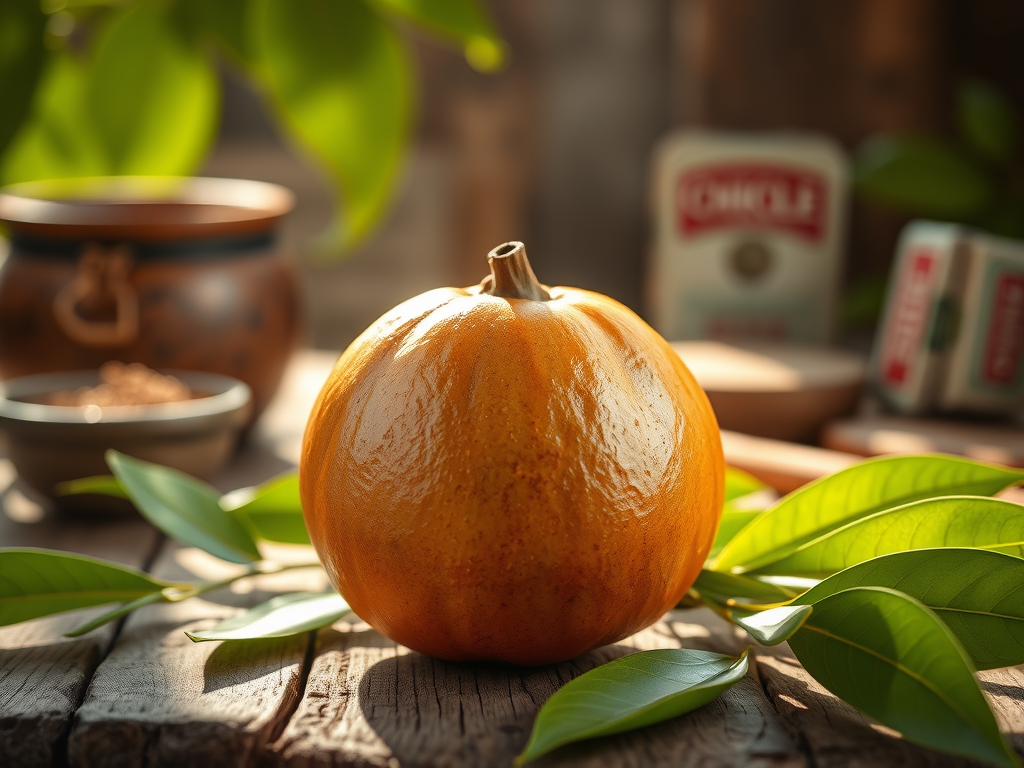
Sapodilla — also known as Manilkara zapota, chikoo, naseberry, or sapota — is one of those fruits that feels like a hidden treasure. Soft, caramel‑sweet, and deeply nourishing, it has been cherished for centuries across the Caribbean, Central America, South Asia, and beyond. But its story begins long before it reached global kitchens.
🌱 Where Sapodilla Was First Discovered
Sapodilla is believed to have originated in the tropical forests of southern Mexico, Belize, and Guatemala, where it grew wild long before modern cultivation. Indigenous Maya communities were among the first to use the tree — not for its fruit at first, but for something far more surprising.
🪵 What Sapodilla Was Originally Used For
Long before the fruit became famous, the sapodilla tree was prized for its sap, known as chicle.
Chicle was used for:
- Chewing gum (the original natural gum base)
- Adhesives
- Waterproofing
- Ceremonial uses in Maya culture
In fact, Sapodilla is the tree that gave birth to modern chewing gum. In the 1800s, chicle was introduced to the United States, where it became the base for early chewing gum brands.
🧭 Who First Documented Sapodilla
While Indigenous peoples used Sapodilla for thousands of years, the fruit and tree were first documented by Spanish explorers in the 16th century during their travels through Mesoamerica. They recorded its sweet flavor, medicinal uses, and the economic value of chicle.
Botanists later classified it as Manilkara zapota, noting its importance both as a food and a commercial resource.
🌿 Medicinal Properties of Sapodilla
Traditional healers across the Caribbean, Mexico, India, and Southeast Asia have long used Sapodilla for its therapeutic benefits.
Medicinal properties include:
- Anti‑inflammatory — helps soothe swelling and joint discomfort
- Digestive support — rich in dietary fiber for gut health
- Natural energy booster — high natural sugars for sustained energy
- Immune support — vitamin C and antioxidants
- Calming effects — traditionally used to ease stress and promote relaxation
- Respiratory support — decoctions from the leaves are used for coughs and congestion
Even the seeds have been used in traditional medicine for their diuretic properties.
Sapodilla isn’t just a sweet tropical treat — it’s a fruit with a long history of healing. Across Mesoamerica, the Caribbean, India, and Southeast Asia, Sapodilla has been used as both food and medicine for generations. Its soft texture and caramel‑like flavor make it comforting to eat, but its real power lies in the nutrients and plant compounds hidden beneath the skin.
Below is a deeper look at the medicinal benefits that have made Sapodilla a beloved fruit in traditional wellness systems.
🌱 1. A Natural Anti‑Inflammatory Fruit
Sapodilla contains polyphenols, tannins, and flavonoids, which help calm inflammation throughout the body. Traditional healers used the fruit, leaves, and bark to soothe:
- Joint discomfort
- Muscle soreness
- Swelling from injuries
- Digestive inflammation
In Ayurvedic and Caribbean folk medicine, Sapodilla was often given to people recovering from illness because of its gentle, soothing nature.
🍃 2. Supports Healthy Digestion
Sapodilla is naturally rich in dietary fiber, making it excellent for digestive health.
Benefits include:
- Easing constipation
- Supporting regular bowel movements
- Feeding beneficial gut bacteria
- Reducing acidity and heartburn
- Calming irritated stomach lining
In many cultures, Sapodilla is considered a “stomach‑friendly fruit” — something you can eat even when your digestion feels sensitive.
💛 3. A Gentle Energy Booster
Because Sapodilla contains natural sugars (fructose and sucrose), it provides a steady, balanced energy lift without the crash associated with processed sugar.
This makes it ideal for:
- Mid‑day fatigue
- Post‑workout recovery
- Supporting children’s energy naturally
- Nourishing the body during illness
Its sweetness is nature’s version of comfort food.
🛡️ 4. Immune‑Strengthening Properties
Sapodilla is packed with vitamin C, antioxidants, and plant compounds that help strengthen the immune system.
Immune benefits include:
- Supporting white blood cell activity
- Protecting cells from oxidative stress
- Helping the body fight infections
- Supporting recovery from colds and coughs
In traditional medicine, Sapodilla leaf tea was used to soothe fevers and respiratory discomfort.
🌬️ 5. Respiratory Support
The leaves and bark of the Sapodilla tree have long been used in herbal remedies for:
- Coughs
- Congestion
- Mild asthma symptoms
- Sore throats
Warm decoctions made from the leaves were believed to help open the airways and calm irritation.
🧘 6. Natural Stress Relief & Calming Effects
Sapodilla contains sedative‑like compounds that help relax the nervous system.
Traditional uses include:
- Calming anxiety
- Supporting deeper sleep
- Reducing irritability
- Easing tension
In many cultures, Sapodilla is given to children and elders because of its gentle, soothing effect on the mind and body.
💧 7. Hydration & Electrolyte Balance
With its high water content and minerals like potassium and magnesium, Sapodilla helps maintain:
- Hydration
- Electrolyte balance
- Heart rhythm
- Muscle function
This makes it especially valuable in hot climates where dehydration is common.
🩸 8. Supports Healthy Blood & Circulation
Sapodilla contains iron, which supports healthy red blood cell production. Its antioxidants also help protect blood vessels, supporting smoother circulation.
This combination makes it beneficial for:
- Preventing fatigue
- Supporting heart health
- Improving oxygen flow
🌺 9. Skin‑Nourishing Properties
Thanks to its vitamin C, vitamin A, and antioxidants, Sapodilla supports:
- Collagen production
- Skin elasticity
- Wound healing
- A natural glow
Some cultures even use Sapodilla pulp as a gentle face mask for hydration and softness.
🌿 10. Traditional Uses of Sapodilla Seeds
Though not eaten raw, the seeds have been used in herbal medicine for:
- Diuretic effects
- Supporting kidney function
- Reducing water retention
Ground seeds were sometimes used in poultices for skin issues.
🍊 Vitamin & Nutrient Content
Sapodilla is surprisingly nutrient‑dense.
Per 100g, Sapodilla contains:
- Vitamin C
- Vitamin A
- B‑complex vitamins (B3, B5, B6)
- Potassium
- Iron
- Calcium
- Magnesium
- Dietary fiber
- Natural sugars (fructose + sucrose)
This makes it excellent for:
- Immune support
- Skin health
- Digestion
- Energy
- Bone strength
🌍 Cultural Significance Around the World
Sapodilla has woven itself into many cultures:
Maya & Aztec cultures
- Used chicle for rituals, crafts, and early chewing gum
- Fruit eaten fresh during harvest seasons
Caribbean
- Known as a naseberry
- Used in desserts, tonics, and home remedies
India & Pakistan
- Called chikoo
- A beloved fruit for milkshakes, ice creams, and sweets
Southeast Asia
- Used in jams, juices, and traditional herbal preparations
Its sweetness made it a symbol of hospitality, abundance, and comfort in many cultures.
Sapodilla carries a cultural presence far deeper than its soft sweetness suggests. Across continents and centuries, this fruit has been woven into daily life, traditional medicine, spiritual symbolism, and even global trade. Its story reflects the movement of people, the blending of cultures, and the quiet wisdom of Indigenous food systems.
🌿 Maya & Aztec Traditions: The First Keepers of Sapodilla
Long before Sapodilla reached markets and kitchens around the world, it was cherished by the Maya and Aztec civilizations of Mesoamerica.
In these cultures, Sapodilla symbolized:
- Sustenance — a dependable fruit during harvest seasons
- Healing — used in remedies for digestion, fever, and inflammation
- Craftsmanship — the tree’s sap (chicle) is used for waterproofing, binding, and ceremonial items
Chicle was considered a gift of the forest, and the tree itself was respected for its longevity and resilience.
🌴 Caribbean Identity: The Heart of “Naseberry” Culture
In Jamaica, Trinidad, Barbados, and other Caribbean islands, Sapodilla — known locally as naseberry — is more than a fruit. It’s a memory.
It represents:
- Childhood treats picked fresh from backyard trees
- Comfort food during holidays and family gatherings
- Home remedies passed down through generations
- Warm hospitality — offering a naseberry to guests is a sign of welcome
For many Caribbean families, the fruit is tied to stories of grandparents, village markets, and the sweetness of simpler times.
South Asian Tradition: The Rise of “Chikoo”
When Sapodilla traveled across the oceans, it found a new home in India, Pakistan, Sri Lanka, and Bangladesh, where it became known as chikoo.
In South Asia, chikoo is:
- A beloved ingredient in milkshakes, ice creams, halwa, and desserts
- A symbol of warmth and nourishment
- A fruit associated with comfort, sweetness, and family gatherings
- A staple in Ayurvedic-inspired wellness routines
Chikoo trees often grow in home gardens, becoming part of the family landscape for generations.
🌏 Southeast Asia: A Fruit of Abundance
In Thailand, Malaysia, Indonesia, and the Philippines, Sapodilla is appreciated for its gentle sweetness and cooling energy.
It is used in:
- Herbal tonics
- Refreshing drinks
- Traditional postpartum foods
- Seasonal celebrations
Its soft texture and soothing nature make it a favorite for elders and children alike.
🪵 Global Impact: The Fruit That Changed Chewing Gum Forever
Sapodilla’s cultural influence extends far beyond food.
Its sap — chicle — became the original base for chewing gum, sparking a global industry in the 19th and early 20th centuries.
This transformed:
- Trade routes
- Forest economies
- Cultural exchanges between Mesoamerica and the world
Sapodilla quietly shaped a product now used worldwide.
🌺 A Fruit of Warmth, Comfort, and Connection
Across cultures, Sapodilla is consistently associated with:
- Sweetness of life
- Family traditions
- Healing and nourishment
- Warm hospitality
- Cultural memory
Whether called sapodilla, chikoo, naseberry, sapota, or zapote, the fruit carries a universal message: simple sweetness, shared across generations.
🍽️ Culinary Uses of Sapodilla
Sapodilla is one of those fruits that feels like nature’s dessert — soft, sweet, and naturally caramel‑flavored. Its versatility in the kitchen has made it a beloved ingredient across continents, from traditional village kitchens to modern plant‑based recipes. Whether eaten fresh or transformed into something decadent, Sapodilla brings warmth, comfort, and richness to every dish.
Sapodilla is incredibly versatile.
Popular ways to enjoy it:
- Fresh and chilled
- In smoothies and milkshakes
- Added to fruit salads
- Blended into ice cream
- Cooked into jams and preserves
- Baked into pies, cakes, and tarts
- Added to oatmeal or yogurt bowls
Its caramel‑like flavor pairs beautifully with cinnamon, vanilla, coconut, and citrus.
🥄 1. Enjoyed Fresh — The Purest Experience
The most traditional way to enjoy Sapodilla is simply fresh and ripe.
When perfectly soft, the fruit tastes like:
- Brown sugar
- Caramel
- Pear
- Sweet potato
- A hint of cinnamon
Many cultures enjoy it:
- Chilled on hot days
- Sliced with lime
- Sprinkled with a pinch of cinnamon
- Mixed into fruit bowls
Its melt‑in‑your‑mouth texture makes it a natural favorite for children and elders.
🥤 2. Smoothies, Shakes & Drinks
Sapodilla blends into drinks like a dream.
Popular beverages include:
- Chikoo milkshake (India’s iconic creamy drink)
- Sapodilla smoothie with banana and cinnamon
- Tropical fruit blends with mango, papaya, or coconut
- Iced chikoo latte (a modern café twist)
Its natural sweetness means no added sugar is needed.
🍨 3. Desserts & Sweet Treats
Sapodilla’s caramel flavor makes it perfect for desserts.
Traditional and modern favorites:
- Chikoo ice cream
- Sapodilla pudding
- Caramel‑sapodilla custard
- Sapodilla halwa (South Asian sweet)
- Sapodilla crumble or crisp
- Sapodilla cheesecake
- Sapodilla popsicles
In Caribbean households, naseberry is often added to:
- Holiday cakes
- Rum‑infused desserts
- Spiced fruit bowls
Its flavor pairs beautifully with vanilla, nutmeg, coconut, and chocolate.
🥧 4. Baking With Sapodilla
Sapodilla can be baked into:
- Muffins
- Cakes
- Quick breads
- Tarts
- Pies
Because it’s naturally moist and sweet, it enhances the texture of baked goods and reduces the need for added sugar.
🍯 5. Jams, Preserves & Spreads
Sapodilla cooks down into a rich, caramel‑like jam.
Uses include:
- Spread on toast
- Swirled into oatmeal
- Layered in parfaits
- Used as a filling for pastries
- Added to yogurt bowls
Its thick, velvety texture makes it a perfect natural spread.
🥗 6. Breakfast Bowls & Healthy Meals
Sapodilla adds sweetness and creaminess to:
- Oatmeal
- Overnight oats
- Smoothie bowls
- Chia pudding
- Granola bowls
- Coconut yogurt
Pairing it with nuts, seeds, and tropical fruits creates a nourishing, energizing breakfast.
🍛 7. Savory Experiments (Modern Fusion)
While traditionally used in sweet dishes, modern chefs are experimenting with Sapodilla in savory recipes.
Examples include:
- Sapodilla salsa with lime and chili
- Sapodilla chutney
- Sapodilla paired with spicy curries
- Sapodilla‑glazed tofu or tempeh
- Sapodilla in tropical grain bowls
Its sweetness balances heat, acidity, and spice beautifully.
🍹 8. Fermented & Specialty Drinks
In some regions, Sapodilla is used to make:
- Light fruit wines
- Fermented tonics
- Sapodilla kombucha blends
Its natural sugars make it ideal for fermentation.
🌺 9. Traditional Healing Foods
In many cultures, Sapodilla is used in:
- Post‑illness recovery meals
- Herbal tonics
- Warm porridges
- Gentle foods for children and elders
Its soft texture and soothing sweetness make it a comfort food across generations.
🌈 10. Modern Plant‑Based Creations
Sapodilla fits perfectly into today’s plant‑based lifestyle.
Creative uses include:
- Sapodilla energy bites
- Sapodilla‑coconut chia pudding
- Sapodilla smoothie bowls
- Sapodilla‑date caramel sauce
- Sapodilla overnight oats jars
Its natural sweetness makes it a whole‑food alternative to processed sugar.
🥣 Recipe: Creamy Sapodilla Cinnamon Smoothie
A simple, nourishing recipe that highlights Sapodilla’s natural sweetness.
Ingredients:
- 2 ripe sapodillas (peeled and seeded)
- 1 cup plant‑based milk (almond, oat, or coconut)
- 1 small banana
- ½ teaspoon cinnamon
- 1 teaspoon vanilla
- 3–4 ice cubes
- Optional: 1 tablespoon chia seeds or flaxseed
Instructions:
- Add all ingredients to a blender.
- Blend until smooth and creamy.
- Taste and adjust the sweetness if needed.
- Pour into a chilled glass and sprinkle with a pinch of cinnamon.
Why it works:
Sapodilla’s natural caramel flavor blends beautifully with cinnamon and vanilla, creating a comforting, nutrient‑rich drink perfect for mornings or a mid‑day energy boost.
(Sweet–Spiced Caribbean Style)
This chutney brings out Sapodilla’s natural caramel sweetness while adding warm spices, tang, and a gentle heat. It’s perfect with plant‑based bowls, curries, flatbreads, or as a spread.
Ingredients
- 3 ripe sapodillas, peeled and seeded
- 1 small onion, finely chopped
- 1 tablespoon grated ginger
- 1–2 cloves garlic, minced
- 1 small chili (optional), finely chopped
- 2 tablespoons lime juice
- 2 tablespoons apple cider vinegar
- 2 tablespoons coconut sugar or brown sugar
- ½ teaspoon cinnamon
- ¼ teaspoon nutmeg
- ¼ teaspoon salt
- 1 tablespoon coconut oil (optional for sautéing)
Instructions
- Mash or finely chop the sapodilla flesh and set aside.
- In a small pan, warm the coconut oil and sauté the onion, garlic, and ginger until fragrant.
- Add the mashed sapodilla, lime juice, vinegar, sugar, chili, and spices.
- Cook on low heat for 8–10 minutes, stirring occasionally, until thick and jam‑like.
- Taste and adjust sweetness, spice, or acidity.
- Cool completely and store in a sealed jar in the refrigerator for up to one week.
Why this works
Sapodilla’s caramel notes blend beautifully with warm spices and tangy lime, creating a chutney that feels both comforting and exotic — a perfect fusion of Caribbean and South Asian flavors.
🚫 Who Should Avoid or Limit Sapodilla
While Sapodilla is generally safe and nourishing, certain individuals may need caution:
1. People with diabetes or blood sugar concerns
Sapodilla is naturally high in sugars. Eating large amounts may cause blood sugar spikes.
2. Individuals with latex allergies
Sapodilla contains natural latex-like compounds. Those with latex sensitivity may experience reactions.
3. People with digestive issues during flare-ups
Because Sapodilla is high in fiber, it may worsen symptoms during:
- IBS flare-ups
- Acute diarrhea
- Severe bloating
4. Infants under 1 year old
The fruit’s sweetness and texture may be difficult for infants to digest.
5. Anyone consuming unripe Sapodilla
Unripe sapodilla contains tannins and latex, which can cause:
- Mouth dryness
- Stomach discomfort
- Constipation
Always ensure the fruit is fully ripe and soft.
🛒 Availability
Sapodilla is a seasonal tropical fruit, and availability varies by region. In many areas, it’s found:
- In Caribbean, Latin American, and South Asian markets
- At specialty produce stores
- Through online tropical fruit suppliers
- Seasonally, in late fall through early spring
Because supply is limited and demand is growing, Sapodilla often sells out quickly during peak season. If you find it fresh and ripe, it’s worth picking up a few — they store well and freeze beautifully for smoothies and desserts.
⚠️ Disclaimer
This article is for educational and cultural purposes only. It is not medical advice, diagnosis, or treatment. Individuals with health concerns should consult a qualified healthcare professional before making dietary changes or using fruits for medicinal purposes.
📚 Sources Used
These sources were used to support historical, cultural, and nutritional information:
- National Tropical Botanical Garden – Manilkara zapota
https://ntbg.org/database/plants/detail/manilkara-zapota(ntbg.org in Bing) - Purdue University Horticulture – Sapodilla Profile
https://hort.purdue.edu/newcrop/morton/sapodilla.html(hort.purdue.edu in Bing) - FoodData Central – USDA Nutrient Database
https://fdc.nal.usda.gov/(fdc.nal.usda.gov in Bing) - Ayurvedic & Caribbean Traditional Uses (Journal of Ethnobotany)
https://www.sciencedirect.com/topics/agricultural-and-biological-sciences/manilkara-zapota(sciencedirect.com in Bing) - Historical Use of Chicle – Smithsonian Magazine
https://www.smithsonianmag.com/history/how-chewing-gum-got-its-start-180959915/(smithsonianmag.com in Bing)
🌺 Closing Thoughts
Sapodilla is more than a fruit — it’s a story carried across continents, a symbol of comfort in many cultures, and a natural source of nourishment that has supported communities for centuries. From its ancient roots in Mesoamerica to its beloved presence in Caribbean and South Asian kitchens, Sapodilla continues to offer sweetness, healing, and heritage in every bite.
Whether enjoyed fresh, blended into a creamy smoothie, cooked into chutney, or woven into traditional desserts, this humble fruit reminds us of the beauty of simple, earth‑grown foods. Its medicinal properties, cultural significance, and culinary versatility make it a treasure worth celebrating and rediscovering.
As you explore Sapodilla in your own kitchen — through recipes, rituals, or curiosity — may it bring you the same warmth, nourishment, and connection it has offered to generations before us.
 EJADA
EJADA 
Leave a comment