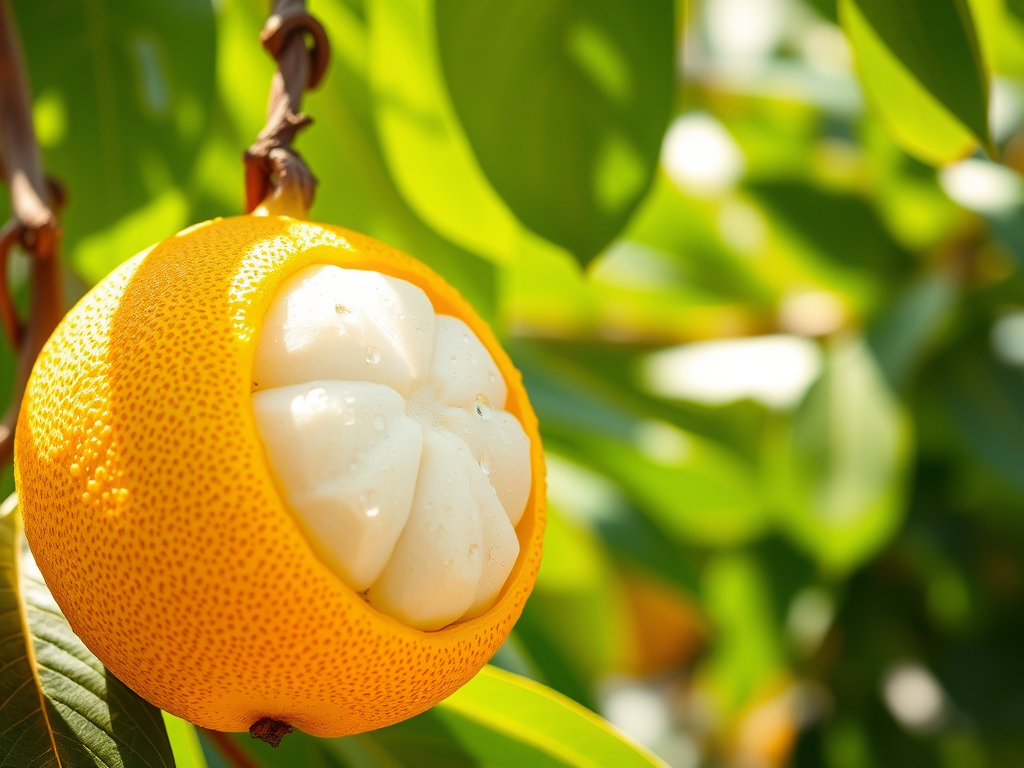
🌿 Santol Fruit: The Sweet‑Tart Superfruit Your Healthy Living Journey Has Been Missing
If you love discovering unique fruits with rich cultural roots and powerful wellness benefits, Santol deserves a spot on your radar — and maybe even in your fruit bowl. Known across Southeast Asia as the “cotton fruit,” Santol is a tropical treasure with a flavor that dances between sweet, sour, and refreshingly bright. But beyond its taste, Santol carries a long history of traditional use, nutritional value, and culinary versatility that makes it a perfect feature for any healthy‑living lifestyle.
🍊 What Is Santol Fruit?
Santol (Sandoricum koetjape) grows on tall, lush trees native to the Philippines, Thailand, Malaysia, and surrounding regions. Its round, golden‑brown exterior hides a soft, cotton‑like pulp wrapped around large seeds. Depending on the variety, Santol can be sweet, tart, or a little of both — making it a fun, surprising fruit to explore.
🌱 A Fruit With Cultural Roots
In many Southeast Asian communities, Santol isn’t just a snack — it’s a seasonal celebration. Families enjoy it fresh during harvest months, while cooks transform it into chutneys, candies, jams, and savory dishes. In the Philippines, Santol is famously used in sinantolan, a creamy, coconut‑based dish that turns the fruit into a flavorful side or topping.
Santol also appears in traditional wellness practices, where its bark, leaves, and fruit have been used for generations to support digestion and overall vitality.
💪 Health Benefits of Santol Fruit
Santol is more than a tropical treat — it’s a nutrient‑rich addition to a balanced lifestyle. Here’s what makes it shine:
✨ 1. Rich in Antioxidants
Santol contains polyphenols and plant compounds that help protect the body from oxidative stress.
✨ 2. Supports Healthy Digestion
The fruit’s natural fiber helps keep digestion smooth and balanced.
✨ 3. Hydrating & Refreshing
With its high water content, Santol is a perfect warm‑weather fruit for hydration and energy.
✨ 4. Naturally Low in Calories
A great option for those looking to enjoy something sweet without overindulging.
✨ 5. Traditional Wellness Uses
In folk practices, Santol has been used to support gut health, reduce bloating, and soothe inflammation.
(As always, traditional uses are cultural insights — not medical claims.)
🍽️ How to Enjoy Santol
Santol is incredibly versatile. You can enjoy it:
- Fresh and chilled
- Sliced with a sprinkle of salt or chili
- Cooked into jams or preserves
- Added to curries or stews
- Turned into refreshing beverages
- Used in sweet‑and‑sour dishes
Its sweet‑tart flavor pairs beautifully with coconut, ginger, chili, and citrus.
🥣 Try This Simple Santol Snack
Santol Chili Dip Bites
- Fresh Santol slices
- A pinch of sea salt
- A sprinkle of chili powder
- A squeeze of lime
A bright, energizing snack that wakes up your taste buds.
🌟 Why Santol Belongs in Your Healthy Living Routine
Santol is one of those fruits that reminds us why exploring global foods is so rewarding. It’s flavorful, nourishing, culturally rich, and full of personality — just like the kind of lifestyle you’re building through your blog.
Whether you’re looking to add more plant‑based variety, explore new flavors, or highlight fruits with meaningful traditions, Santol is a beautiful addition to your healthy‑living journey.
🌎 Availability in the U.S.
- Santol can be ordered online from tropical fruit delivery companies that ship nationwide.
- It’s also sold through Asian grocery delivery services like Weee!, which offer fresh or frozen Santol with nationwide shipping.
- Specialty retailers even sell live Santol trees for U.S. growers, especially in warm states like Florida.
🛒 Where People Commonly Find It
- Asian supermarkets (Filipino, Thai, Vietnamese markets)
- Online tropical fruit stores
- Specialty produce shops
- Farmers markets in Florida, Hawaii, and parts of California (seasonal)
📦 Bottom Line
Santol is available in the U.S., but not everywhere. Most people get it through online delivery or Asian markets, since it’s still considered an exotic fruit.
🌿 Is Plant‑Based Cooking Healthier Than Just Eating Fruit?
Fruit is fantastic — hydrating, antioxidant‑rich, naturally sweet, and full of vitamins. But relying on fruit alone doesn’t give your body everything it needs. Plant‑based cooking, on the other hand, brings the full spectrum of nutrients, flavors, and benefits.
Here’s why plant‑based meals often outperform a fruit‑only approach.
🥗 1. More Balanced Nutrition
Plant‑based cooking includes:
- Vegetables
- Legumes
- Whole grains
- Nuts & seeds
- Herbs & spices
This means you get:
- Protein
- Healthy fats
- Complex carbs
- Fiber
- Minerals
- Antioxidants
Fruit alone can’t deliver that full balance.
⚡ 2. Better Energy & Blood Sugar Stability
Fruit is healthy, but it’s naturally high in simple sugars. Plant‑based meals combine:
- Fiber
- Protein
- Healthy fats
This slows digestion and keeps energy steady instead of spiking and crashing.
💪 3. Supports Muscle, Metabolism & Strength
Your body needs protein and essential fats — both of which are limited in fruit. Plant‑based meals offer:
- Beans
- Lentils
- Tofu
- Nuts
- Seeds
These support metabolism, muscle repair, and long‑term wellness.
🌱 4. More Satisfying &
Sustainable
Fruit is refreshing, but it doesn’t keep you full for long. Plant‑based meals:
- Keep you satisfied
- Reduce cravings
- Support natural weight balance
This makes healthy eating easier to maintain.
🍽️ 5. Greater Variety & Culinary Enjoyment
Plant‑based cooking opens the door to:
- Soups
- Bowls
- Curries
- Stir‑fries
- Salads
- Comfort foods
Fruit alone can’t offer that richness or creativity.
🍎 So Which Is Healthier?
Fruit is an important part of a healthy lifestyle — but plant‑based cooking is the more complete, balanced, and sustainable approach. It gives your body everything it needs to thrive, while still letting fruit shine as a delicious, nutrient‑packed component.
Your Healthy Living Continues
🍊 Who Should Be Cautious With Santol Fruit?
Santol is a delicious, fiber‑rich tropical fruit, but like many fruits with seeds or fibrous pulp, it may not be ideal for everyone. These groups may want to be mindful:
⚠️ 1. People With Digestive Sensitivities
Santol contains a good amount of fiber, which is great for most people, but those with sensitive digestion may experience:
- Bloating
- Gas
- Mild stomach discomfort
Especially if eaten in large amounts.
⚠️ 2. Individuals With a History of Intestinal Blockages
This is rare, but important. Swallowing Santol seeds (which are large and hard) can cause intestinal obstruction. So it’s essential to never swallow the seeds and avoid giving whole pieces to young children.
⚠️ 3. People With Acid‑Sensitive Conditions
Santol has a naturally sweet‑tart flavor. Those who experience:
- Acid reflux
- GERD
- Ulcer irritation
may find the tartness triggers discomfort.
⚠️ 4. Anyone With Fruit Allergies
Allergic reactions to Santol are uncommon, but possible. People with known sensitivities to tropical fruits should try a small amount first.
⚠️ 5. Very Young Children
Because of:
- Large seeds
- Firm texture
- Choking risk
Santol should be prepared carefully or avoided for toddlers.
🌿 General Guidance
For most people, Santol is a refreshing, hydrating, and nutrient‑rich fruit. The key is:
- Remove the seeds
- Eat in moderation
- Listen to your body
This keeps the experience safe and enjoyable.
🌿 Final Thoughts
Santol is a vibrant, refreshing fruit with deep cultural roots and a surprising list of wellness‑supporting qualities. Whether you enjoy it fresh, cooked, or blended into creative dishes, it adds a bright, tropical twist to your healthy living routine. As with any fruit, the key is mindful enjoyment — savor the flavor, honor your body’s signals, and explore the many ways this Southeast Asian favorite can enrich your table.
⚠️ Disclaimer
This content is for educational and general wellness purposes only. It is not intended to diagnose, treat, cure, or prevent any condition. Individuals with medical concerns, allergies, digestive sensitivities, or dietary restrictions should consult a qualified healthcare professional before making changes to their diet or trying new foods such as Santol.
 EJADA
EJADA 
Leave a comment