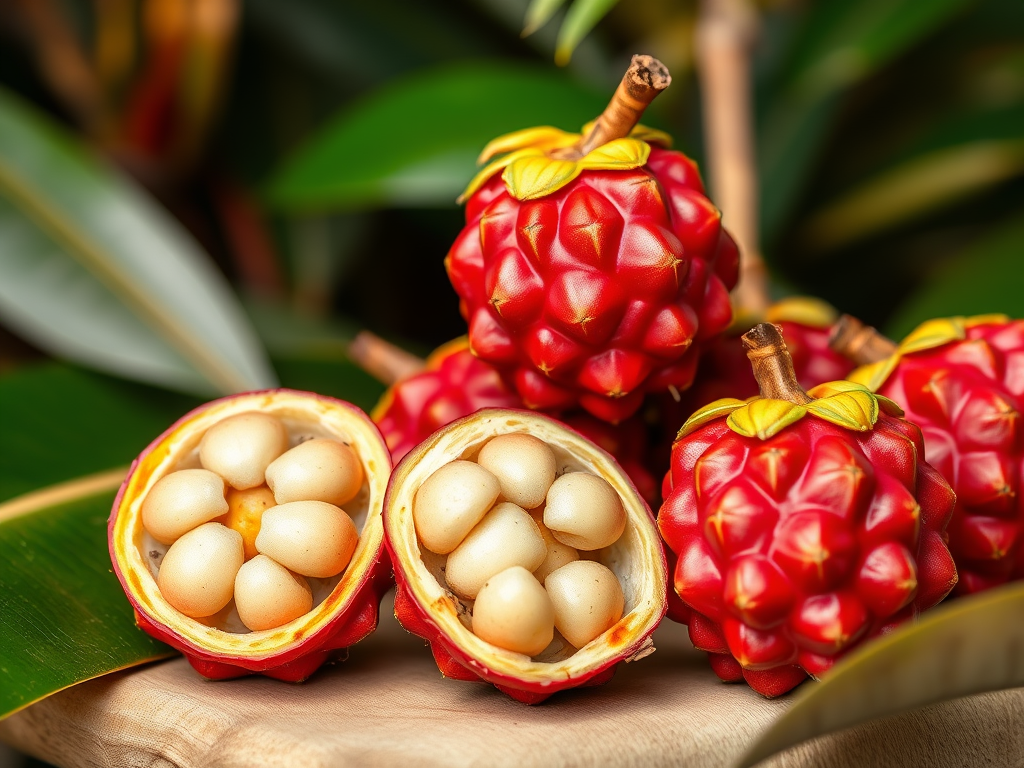
Salak Fruit: A Timeless Treasure for Healthy Living
Healthy living often begins with rediscovering the foods that have nourished communities for generations. One such gem is salak fruit, also known as snake fruit for its reddish‑brown scaly skin. Beneath that rugged exterior lies a crisp, tangy, and nutrient‑rich fruit that has been cherished for centuries across Southeast Asia.
Salak has one of the most surprising and memorable flavor profiles among tropical fruits — and it’s a fun one to describe.
🍈 What Salak Tastes Like
Most people describe salak as a blend of sweet, tangy, and slightly acidic flavors with a crisp bite. The taste can vary by variety, but generally:
- Sweet like honey or ripe pear
- Tangy like pineapple or citrus
- A hint of apple‑like crunch
- Sometimes slightly astringent, depending on ripeness
🌿 Texture
- Firm and crunchy, similar to an apple or firm grape
- Some varieties are softer and juicier
🌶️ Flavor Notes by Variety
- Salak Pondoh (Java) — sweet, fragrant, low acidity
- Salak Bali — sweet‑tart with a refreshing bite
- Salak Gula Pasir — extremely sweet, almost like sugar syrup
✨ In short
Salak tastes like a sweet‑tart mix of apple, pineapple, and pear, wrapped in a crisp, refreshing texture.
🌿 When Was Salak First Discovered?
Salak was never “discovered” by a single person. Instead, it is a fruit deeply rooted in the natural landscapes of Java and Sumatra in Indonesia, where it grew wild long before written history. Indigenous communities cultivated it for centuries, integrating it into daily life, ceremonies, and traditional diets.
The earliest Western botanical documentation came in the late 1700s, when European botanist Joseph Gaertner formally described the plant. But by then, salak had already been a beloved staple in Indonesian culture for generations.
🌱 How Was Salak First Used?
Early uses of salak were simple, practical, and deeply connected to community life:
- Eaten fresh as a quick, energizing snack
- Used in traditional medicine to soothe digestion and boost stamina
- Served during gatherings and ceremonies, symbolizing hospitality and abundance
- Preserved or pickled for long journeys or seasonal storage
Its portability, long shelf life, and refreshing taste made it a natural companion for farmers, travelers, and families alike.
🍽️ Culinary Uses: From Simple Snacks to Gourmet Creations
Salak’s crisp texture and sweet‑tart flavor make it incredibly versatile in the kitchen.
Popular Culinary Uses
- Fresh eating — peeled and enjoyed as-is
- Fruit salads — adds crunch and brightness
- Pickled salak — a tangy, refreshing treat
- Desserts — used in syrups, jams, and sweet preserves
- Beverages — blended into juices or infused into teas
- Savory dishes — paired with chili, lime, and spices in Indonesian cuisine
🌿 Salak (Snake Fruit): Recipes, Rituals & Cultural Traditions
Salak, with its striking scaly skin and crisp, sweet‑tart flesh, has been part of Southeast Asian life for centuries. Beyond being a delicious snack, it carries cultural meaning, traditional uses, and a growing presence in modern plant‑based cooking.
🍽️ Plant‑Based Recipes Featuring Salak
1. Fresh Salak & Lime Fruit Salad
A bright, refreshing bowl perfect for breakfast or a light dessert.
Ingredients
- 6 salak fruits, peeled and sliced
- 1 cup pineapple chunks
- 1 mango, diced
- Juice of 1 lime
- 1 tablespoon maple syrup
- Pinch of sea salt
Instructions
- Combine salak, pineapple, and mango in a bowl.
- Whisk lime juice, maple syrup, and salt.
- Pour over fruit and toss gently.
- Chill 15 minutes before serving.
2. Spiced Salak Coconut Stew
A warm, aromatic dish inspired by Indonesian flavors.
Ingredients
- 8 salak fruits, peeled and quartered
- 1 can coconut milk
- 1 small onion, sliced
- 2 cloves garlic, minced
- 1 teaspoon turmeric
- 1 teaspoon ginger
- 1 tablespoon soy sauce or coconut aminos
- 1 cup spinach
- Salt to taste
Instructions
- Sauté onion and garlic until fragrant.
- Add turmeric and ginger.
- Stir in salak and coconut milk. Simmer 10 minutes.
- Add soy sauce and spinach.
- Serve over rice or quinoa.
3. Pickled Salak (Asinan Salak)
A beloved Indonesian snack — tangy, spicy, and addictive.
Ingredients
- 10 salak fruits, peeled
- 1 cup water
- ½ cup vinegar
- ¼ cup sugar
- 1 teaspoon salt
- 2–3 sliced chilies
Instructions
- Mix water, vinegar, sugar, and salt until dissolved.
- Add chilies and salak.
- Refrigerate at least 4 hours.
- Enjoy chilled.
🌺 Cultural & Ritual Significance of Salak
Salak is more than a fruit — it’s woven into the cultural fabric of Indonesia, Bali, and surrounding regions.
🌾 1. Traditional Offerings
In Bali, salak is often included in canang sari and temple offerings, symbolizing gratitude, abundance, and the sweetness of life.
👨🌾 2. Harvest Rituals
Communities in Java and Sumatra historically celebrated the salak harvest with small gatherings, sharing fresh fruit and pickled salak as a sign of unity and prosperity.
🍃 3. Medicinal Folk Uses
Traditional healers used salak for:
- Digestive support
- Eye health (due to beta‑carotene)
- Energy and stamina for farmers working long days
🎉 4. Cultural Celebrations
In some regions, salak varieties — especially Salak Pondoh and Salak Bali — are showcased during local festivals celebrating regional agriculture and heritage.
Salak is a fruit that carries history, nourishment, and cultural meaning in every bite. Whether enjoyed fresh, pickled, or cooked into warm plant‑based dishes, it offers a beautiful way to connect healthy living with ancestral wisdom and vibrant culinary tradition.
💪 Health Benefits of Salak
Salak is more than a flavorful fruit — it’s a powerhouse of nutrients that support a healthy lifestyle.
Key Benefits
- Rich in antioxidants Helps combat oxidative stress and supports cellular health.
- High in fiber Promotes smooth digestion and supports gut wellness.
- Supports eye health Contains beta‑carotene, a nutrient linked to vision protection.
- Boosts energy naturally Its natural sugars and minerals offer a clean, steady energy lift.
- May help with weight management Fiber and natural satiety make it a smart snack for mindful eating.
- Good for brain function Traditional Indonesian herbalists often recommended salak for focus and memory.
🌿 Health Benefits of Salak (Snake Fruit)
Salak is more than a tropical delicacy — it’s a nutrient‑dense fruit with a long history of supporting wellness in Southeast Asian cultures. Modern nutritional research now confirms what traditional healers have known for generations: salak is a powerful fruit for digestion, immunity, energy, and overall vitality.
🥕 1. Supports Eye Health
Salak is exceptionally rich in beta‑carotene, a precursor to vitamin A that plays a key role in protecting vision. Some studies show salak contains up to five times more beta‑carotene than mango or watermelon.
Why it matters: Beta‑carotene helps reduce the risk of macular degeneration and supports night vision.
🔗 Source: https://nutri.it.com/is-snake-fruit-healthy-unpcaking-the-truth-behind-the-salak-superfruit
🌾 2. Aids Digestion & Gut Health
With 2.6 grams of dietary fiber per 100g, salak helps regulate bowel movements, prevent constipation, and support a healthy gut microbiome.
Why it matters: Fiber keeps digestion smooth, supports satiety, and helps maintain balanced blood sugar.
🔗 Source: https://nutri.it.com/what-is-the-nutritional-value-of-100g-snake-fruit-the-exotic-salak-explained
🧠 3. Boosts Brain Function
Salak is often called the “memory fruit” because it contains potassium and pectin, nutrients linked to cognitive performance and mental clarity.
Why it matters: Potassium supports nerve function, while pectin may help with focus and memory retention.
🔗 Source: https://nutri.it.com/is-snake-fruit-healthy-unpcaking-the-truth-behind-the-salak-superfruit
❤️ 4. Promotes Heart Health
The fruit’s naturally high potassium content helps regulate blood pressure and supports cardiovascular wellness.
Why it matters: Potassium helps balance sodium levels, relax blood vessels, and support a healthy heartbeat.
🔗 Source: https://nutri.it.com/what-is-the-nutritional-value-of-100g-snake-fruit-the-exotic-salak-explained
🔥 5. Supports Weight Management
Salak is low in calories (82 kcal per 100g) and high in fiber, making it a satisfying snack that helps curb cravings and support weight‑loss goals.
Why it matters: Fiber increases fullness, while natural sugars provide clean energy without spikes.
🔗 Source: https://myhealthopedia.com/salak-health-benefits-side-effects-nutrition/
🛡️ 6. Strengthens Immunity
Packed with vitamin C, polyphenols, and flavonoids, salak helps the body fight infections and reduce inflammation.
Why it matters: Antioxidants protect cells from oxidative stress and support a strong immune response.
🔗 Source: https://nutri.it.com/is-snake-fruit-healthy-unpcaking-the-truth-behind-the-salak-superfruit
🌱 7. Natural Energy Booster
The fruit’s natural carbohydrates and minerals provide a steady energy lift without caffeine or processed sugars.
Why it matters: Perfect for plant‑based eaters who want clean, sustained energy.
🔗 Source: https://myhealthopedia.com/salak-health-benefits-side-effects-nutrition/
🦴 8. Supports Bone Strength
Salak contains calcium, phosphorus, and iron, minerals essential for bone density and strength.
Why it matters: These minerals help maintain strong bones and support oxygen flow in the body.
🔗 Source: https://myhealthopedia.com/salak-health-benefits-side-effects-nutrition/
Salak is a small fruit with big benefits — supporting digestion, immunity, heart health, brain function, and overall vitality. Its nutrient density makes it a perfect addition to a healthy, plant‑based lifestyle, and its cultural roots add depth and meaning to every bite.
✨ Final Thoughts
Salak fruit is a beautiful reminder that healthy living doesn’t always require exotic trends or complicated routines. Sometimes, the most powerful foods are the ones that have nourished communities for centuries.
Its unique flavor profile , somewhere between apple, pineapple, and pear, makes it a standout ingredient in both traditional and modern recipes.
Whether you enjoy it fresh, pickled, or woven into a vibrant dish, salak offers a delicious way to support wellness, celebrate culture, and explore the world through flavor.
 EJADA
EJADA 
Leave a comment