🍊 Rata Fruit: Origins, Flavor, Cultural Meaning, Uses & More
🌿 Introduction
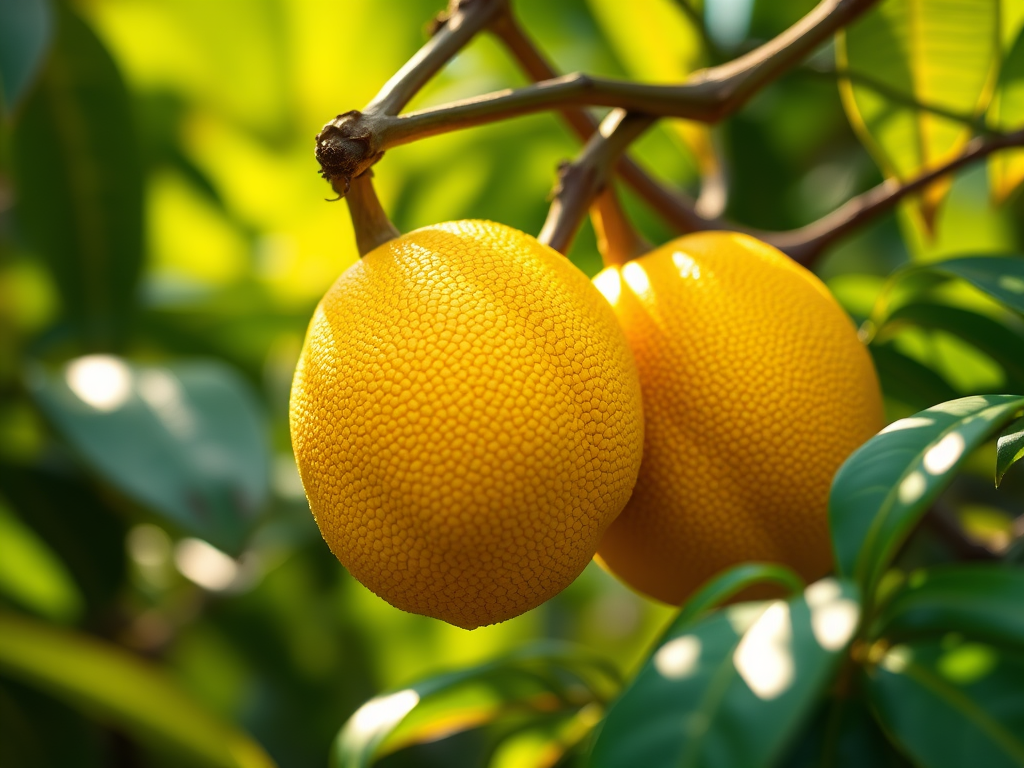
The Rata fruit is one of those quiet tropical treasures that rarely makes headlines but leaves a lasting impression on anyone lucky enough to taste it. With its golden‑yellow skin, soft tangy flesh, and bright tropical aroma, Rata carries the warmth of the equatorial sun and the gentle acidity that defines so many beloved Southeast Asian and South American fruits. Whether enjoyed fresh, cooked into preserves, or folded into traditional remedies, Rata is a fruit with history, heart, and cultural resonance.
🌍 Botanical Identity: What Type of Fruit Is Rata?
Rata belongs to the Garcinia genus, the same botanical family as mangosteen. Depending on the region, the name “Rata” may refer to:
- Garcinia dulcis (Sweet Garcinia / Mundu)
- Garcinia tinctorea (Yellow Mangosteen)
Both varieties share similar characteristics:
- A yellow to deep orange rind
- Soft, juicy, sweet‑tart flesh
- A flavor that blends citrus, mango, and pineapple
- A buttery, aromatic interior
- A size ranging from plum‑like to peach‑like
This places Rata firmly in the category of tropical stone‑like fruits with a soft edible interior and a bright, refreshing profile.
🌱 Origins & Growing Regions
Rata thrives in humid, tropical climates, especially in:
- Southeast Asia — Indonesia, Malaysia, Thailand, the Philippines
- Parts of South America
- Pacific Islands
- Local village orchards and home gardens across the tropics
It grows on medium‑sized evergreen trees that produce fruit seasonally, often during the warmest months.
🍊 Appearance & Sensory Profile
Appearance
- Smooth, thin yellow or orange skin
- Round to slightly pointed shape
- Soft, tender flesh that deepens in color as it ripens
Aroma
- Bright, tropical, lightly floral
- Notes of citrus and mango
- A gentle sweetness beneath the acidity
Flavor
- A lively balance of sweet and tart
- Hints of pineapple, citrus, and ripe mango
- Soft, melting texture when fully ripe
Texture
- Buttery, juicy, and spoon‑soft
- Slightly fibrous near the seed
- Perfect for blending, cooking, or eating fresh
🍽️ Culinary Uses
Rata is a versatile fruit used in both sweet and savory dishes:
🍊 Rata Jam
A golden, tropical spread with a bright sweet‑tart flavor.
Ingredients
- 3 cups ripe Rata fruit, peeled and chopped
- 1 cup sugar (adjust to taste)
- 2 tbsp lemon juice
- ½ cup water
- Optional: ½ tsp vanilla or a pinch of cinnamon
Instructions
- Combine Rata fruit, sugar, lemon juice, and water in a saucepan.
- Bring to a gentle boil, then reduce heat.
- Simmer 20–30 minutes, stirring occasionally.
- Mash the fruit as it softens until smooth or slightly chunky.
- Continue cooking until thick and glossy.
- Cool and store in a clean jar for up to 2 weeks.
Serving Ideas
- Spread on toast or warm biscuits
- Swirled into yogurt or oatmeal
- Used as a filling for pastries
🍊 Rata Chutney
A sweet‑tart, lightly spiced condiment perfect for savory dishes.
Ingredients
- 3 cups Rata fruit, chopped
- ½ cup onion, finely diced
- 1 small chili (optional), minced
- ½ cup brown sugar
- ½ cup apple cider vinegar
- 1 tsp grated ginger
- ½ tsp mustard seeds
- ¼ tsp turmeric
- ¼ tsp salt
Instructions
- Add all ingredients to a saucepan.
- Bring to a simmer over medium heat.
- Reduce heat and cook 30–35 minutes, stirring often.
- The chutney should thicken and the fruit should break down.
- Taste and adjust sweetness, heat, or acidity.
- Cool and refrigerate for up to 10 days.
Serving Ideas
- With grilled chicken or fish
- On cheese boards
- Over rice, naan, or roasted vegetables
🍊 Fresh Rata Juice
Bright, refreshing, and naturally hydrating.
Ingredients
- 2 cups ripe Rata fruit, peeled and seeded
- 1 cup cold water or coconut water
- 1–2 tbsp honey or sugar (optional)
- 1 tbsp lemon or calamansi juice
- Ice (optional)
Instructions
- Add Rata fruit, water, sweetener, and lemon juice to a blender.
- Blend until smooth.
- Strain for a lighter juice, or keep it pulpy for a smoothie‑like texture.
- Serve chilled over ice.
Flavor Variations
- Add pineapple for extra brightness
- Add ginger for warmth
- Add mint for a cooling twist
Its natural acidity makes it a beautiful balancing fruit in recipes that need brightness.
🧿 Cultural & Ritual Significance
While not globally commercialized, Rata holds meaningful roles in regional traditions:
Harvest Rituals
In parts of Southeast Asia, Rata is included in seasonal offerings celebrating abundance and the turning of the agricultural cycle.
Ancestral Offerings
Its golden color symbolizes warmth, prosperity, and remembrance, making it a fitting fruit for ancestral altars.
Healing Traditions
Rata appears in folk remedies as a cooling, cleansing fruit used to refresh the body during hot seasons.
Symbolism
- Gold: prosperity, warmth, divine favor
- Sweet‑tart balance: harmony between joy and challenge
- Tropical vitality: life force, renewal, and nourishment
🌿 Traditional Medicinal Notes
Across Southeast Asia, the Pacific, and parts of South America, the Rata fruit has long been valued not only as food but as a gentle, restorative fruit used in traditional healing practices. While each region has its own nuances, several themes appear consistently in folk medicine.
🍃 Cooling & Heat‑Balancing Fruit
Rata is traditionally seen as a cooling fruit, used to balance internal heat during hot seasons or after eating warming foods. In tropical climates, this made it a natural remedy for:
- body heat and overheating
- mild fevers
- general discomfort from sun exposure
- restoring hydration after long days outdoors
Its juicy, tangy flesh was believed to “settle the fire” in the body.
🍊 Digestive Support & Gentle Cleansing
Healers often recommended Rata for its ability to:
- ease mild indigestion
- support regularity
- soothe the stomach
- encourage gentle detoxification
The fruit’s natural acidity and soft fiber were thought to help “clear the system” without harshness.
💧 Hydration & Recovery
Because Rata is rich in water and electrolytes, it was commonly given to:
- children recovering from illness
- elders needing nourishment
- individuals weakened by heat or dehydration
Fresh juice or lightly mashed fruit was used as a restorative tonic.
🌼 Skin & Blood “Refreshing”
In some traditions, Rata was believed to:
- “refresh the blood”
- brighten the complexion
- support overall vitality
This wasn’t framed as medical treatment but as a way to maintain balance and radiance in daily life.
🍯 Traditional Tonics & Preparations
Depending on the region, Rata appeared in:
- herbal syrups for cooling the body
- fermented drinks used during festivals or seasonal transitions
- fruit‑and‑spice decoctions for digestive harmony
- simple fruit pastes eaten in the morning for cleansing
These preparations were part of everyday wellness rather than formal medicine.
🌺 Symbolic Healing
Beyond physical uses, Rata carried symbolic meaning:
- its golden color represented warmth, prosperity, and life force
- its sweet‑tart balance symbolized harmony between joy and challenge
- its seasonal ripening aligned it with renewal and cyclical healing
In many communities, food and medicine were intertwined — and Rata lived in that space of nourishment, balance, and gentle restoration.
These uses are cultural and traditional, not medical advice.
🍊 Nutritional Notes (General)
While the exact nutritional profile of Rata varies by species (Garcinia dulcis vs. Garcinia tinctorea), the fruit consistently reflects the nutrient patterns found across the Garcinia family. These fruits are known for their bright pigments, hydrating flesh, and naturally occurring plant compounds that support everyday wellness.
💧 Naturally Hydrating
Rata is composed of a high percentage of water, making it a refreshing fruit for:
- hot climates
- post‑activity hydration
- cooling the body during warm seasons
Its juicy flesh delivers hydration in a way that feels both nourishing and soothing.
🍊 Rich in Vitamin C
Like many yellow and orange tropical fruits, Rata contains vitamin C, which supports:
- immune function
- collagen formation
- skin vitality
- antioxidant protection
This is one reason the fruit is often used in traditional “cooling tonics.”
🌞 Beta‑Carotene & Plant Pigments
The golden‑yellow color of Rata signals the presence of beta‑carotene and other carotenoids. These pigments are associated with:
- eye health
- skin radiance
- antioxidant activity
- overall vitality
Carotenoids are fat‑soluble, meaning they’re best absorbed when eaten with a small amount of healthy fat.
⚡ Natural Sugars for Gentle Energy
Rata contains natural fruit sugars that provide:
- quick, clean energy
- a gentle lift without heaviness
- a balanced sweetness that pairs well with tartness
This makes it a beautiful fruit for morning blends or mid‑day refreshment.
🧡 Potassium & Electrolytes
Rata offers potassium, a mineral essential for:
- fluid balance
- muscle function
- heart health
- recovery after heat exposure
This aligns with its traditional use as a “restorative fruit.”
🌿 Antioxidant Compounds
As a member of the Garcinia family, Rata contains:
- xanthones
- flavonoids
- phenolic compounds
These plant compounds contribute to:
- reduced oxidative stress
- cellular protection
- overall wellness support
They also give the fruit its characteristic tang and aromatic depth.
🍃 Light Fiber Content
Rata provides gentle dietary fiber that supports:
- digestion
- regularity
- a feeling of lightness rather than heaviness
This is why it’s often used in traditional cleansing or balancing foods.
🌺 In Essence
Rata is a hydrating, vitamin‑rich, antioxidant‑forward tropical fruit that nourishes the body with brightness and balance. Its golden color reflects its nutritional gifts — warmth, vitality, and gentle restoration.
Its bright color signals the presence of beneficial plant pigments.
⚠️ Who Should Avoid or Use Caution With Rata Fruit
Rata is generally considered a gentle, tropical fruit — but like all fruits in the Garcinia family, there are a few groups who may need to use caution. This section keeps your tone warm, trustworthy, and aligned with your other fruit posts.
1. Individuals With Latex–Fruit Syndrome or Garcinia Sensitivities
People who react to mangosteen, Garcinia cambogia, or latex‑related fruits may experience:
- itching in the mouth
- mild swelling
- tingling sensations
Rata belongs to the same botanical family, so cross‑sensitivities are possible.
2. Those With Acid‑Sensitive Digestive Conditions
Because Rata is naturally tart and acidic, it may aggravate:
- acid reflux
- GERD
- gastritis
- sensitive stomachs
Cooking the fruit (jam, chutney, syrups) often reduces this effect.
3. Individuals With Diabetes (Portion Awareness Needed)
Rata contains natural sugars similar to mango and pineapple. People managing blood sugar may need to:
- monitor portion size
- pair it with protein or fiber
- avoid concentrated forms like jam or juice
4. People With Kidney Conditions Requiring Potassium Restriction
Like many tropical fruits, Rata may contain moderate potassium. Those on potassium‑restricted diets should consult their care team before adding new fruits.
5. Anyone Prone to Digestive Upset From High‑Fiber or Tropical Fruits
Rata’s soft fiber and acidity can cause mild discomfort in people sensitive to:
- tropical fruits
- high‑fiber foods
- acidic foods
Starting with small amounts is recommended.
6. Infants Under 1 Year Old
Due to acidity and potential digestive sensitivity, Rata is not recommended for babies under one year old.
7. Individuals Taking Certain Medications (General Caution)
While Rata is not known for major interactions, fruits in the Garcinia family may affect:
- absorption of certain medications
- digestive timing
- acidity‑sensitive drugs
Anyone on long‑term medication should check with a healthcare professional.
⚠️ Gentle Reminder
This section is for informational purposes only. It is not medical advice. Anyone with allergies, chronic conditions, or dietary restrictions should consult a qualified healthcare professional before adding new fruits to their diet.
⚠️ Disclaimer
This article is for informational and educational purposes only. It is not intended to diagnose, treat, cure, or prevent any condition. Nutritional needs and food tolerances vary from person to person. Individuals with allergies, digestive conditions, chronic illnesses, or dietary restrictions should consult a qualified healthcare professional before making changes to their diet.
🌺 Closing Thoughts
Rata may not be the most famous tropical fruit, but it carries a quiet magic a golden glow, a tangy sweetness, and a cultural presence rooted in warmth, nourishment, and seasonal abundance. In the quiet glow of its golden skin, the Rata fruit reminds us that even the most unassuming gifts of the earth carry their own kind of radiance. It arrives softly, without spectacle, offering sweetness, brightness, and balance to those who pause long enough to taste its story. As you explore its flavors, its traditions, and its place in the tapestry of tropical life, may the Rata fruit become a small ritual of its own a moment of nourishment, a whisper of renewal, and a gentle reminder that abundance often appears in the fruits we least expect.
May its warmth accompany you into your kitchen, your ceremonies, and your everyday rhythms, blessing each space with the quiet vitality it has carried through generations. Whether you’re exploring its culinary potential or honoring its symbolic meaning, Rata offers a beautiful reminder of the richness found in lesser‑known fruits of the world.
 EJADA
EJADA 
Leave a comment