🍒✨ Riberry: Australia’s Tart, Aromatic Rainforest Jewel
Every region of the world has a fruit that feels like a secret — a small, vibrant treasure that carries the flavor of its land, its people, and its history. For Australia, one of those treasures is the Riberry (Syzygium luehmannii), a glossy red rainforest fruit with a tart bite and a whisper of clove that lingers on the tongue.
Long before it appeared in gourmet kitchens or artisan preserves, Riberry was a cherished bushfood of Indigenous Australians. Today, it stands as a symbol of Australia’s native food revival — a fruit that bridges ancient tradition with modern creativity.
🌿 What Exactly Is Riberry?
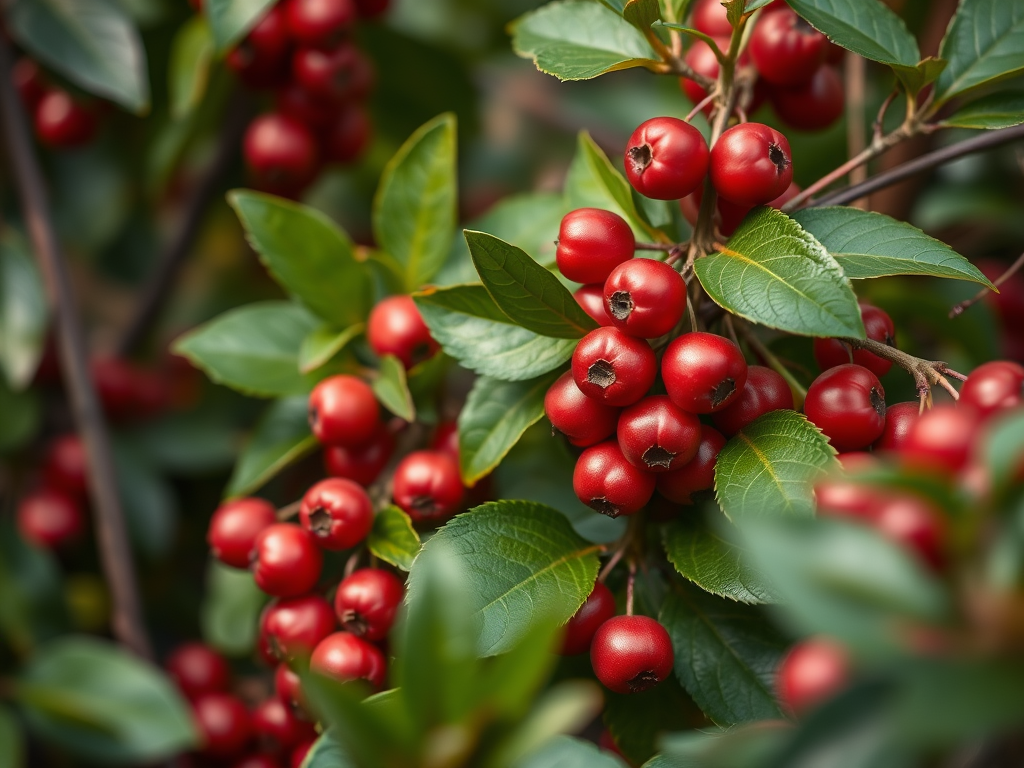
Riberry is the fruit of the small‑leaf lilly pilly, a rainforest tree native to the coastal regions of New South Wales and Queensland. The berries are small, bright red, and pear‑shaped, growing in generous clusters that dangle like ornaments beneath glossy green leaves.
Its flavor is unmistakable:
- tart
- slightly sweet
- with a natural clove‑like spice that makes it unlike any other berry
This unique profile is why chefs love it — Riberry can be sweet, savory, or aromatic depending on how it’s used.
🖤 A Fruit With Deep Indigenous Roots
For thousands of years, Indigenous communities harvested Riberry as a seasonal food and medicinal plant. It was eaten fresh, crushed into drinks, or added to dishes for its bright acidity and subtle spice.
Beyond food, the tree itself held cultural value:
- leaves and bark were used in traditional remedies
- the tree was part of seasonal cycles and ecological knowledge
- fruit gatherings were communal and celebratory
Riberry is not just a fruit — it’s a thread in the long, rich tapestry of Aboriginal foodways.
🌱 Who Cultivated Riberry?
Indigenous Australians — the first cultivators
They tended, harvested, and understood Riberry long before written history. Their knowledge forms the foundation of everything we know about the fruit today.
Modern cultivation — beginning in the 1980s
Riberry entered commercial bushfood production in the early 1980s, when Australian growers began cultivating native fruits for restaurants, markets, and specialty food makers. Today, Riberry is grown by:
- small bushfood farms
- native plant nurseries
- home gardeners
- sustainable food producers
It’s also a popular ornamental tree in Australian cities thanks to its glossy foliage and bright fruit clusters.
🍽️ Culinary Uses: A Chef’s Dream Ingredient
Riberry’s natural spice and acidity make it incredibly versatile. Here are some of the most beloved ways to use it:
1. Riberry Jam or Jelly
Its tartness creates a beautifully balanced preserve with a ruby‑red color.
2. Sauces & Glazes
Perfect for:
- roasted meats
- poultry
- game
- plant‑based roasts
The clove‑like note adds depth and warmth.
3. Desserts
Riberry shines in:
- pies
- tarts
- sorbets
- compotes
- cheesecakes
4. Drinks
Crushed Riberry can flavor:
- cocktails
- mocktails
- sparkling water
- syrups
5. Savory Dishes
Add Riberry to:
- chutneys
- relishes
- grain bowls
- salads
Its acidity cuts through richness beautifully.
🍒🌿 Health Benefits & Nutritional Values of Riberry
Riberry (Syzygium luehmannii) isn’t just a beautiful rainforest fruit — it’s a nutrient‑dense, antioxidant‑rich powerhouse with a long history of nourishing Indigenous communities. Modern nutritional analysis confirms what traditional knowledge has known for thousands of years: Riberry supports immunity, heart health, digestion, and overall wellness.
Below is a polished, blog‑ready breakdown of its nutritional profile and health benefits.
🧪 Nutritional Values of Riberry
According to FruitsInfo’s nutritional breakdown, Riberry contains:
| Nutrient | Amount / Contribution |
|---|---|
| Carbohydrates | 18.5% |
| Fiber | 7.3% |
| Vitamins | 20% |
| Minerals | 18% |
| Protein | 1.1% |
| Fat | 0.5% |
| Calories | 54% (per 100g equivalent) |
Key Vitamins & Minerals
- Vitamin C – supports immunity and collagen formation
- Vitamin A – supports vision, skin, and bone health
- Vitamin B6 – supports mood regulation and nervous system function
- Iron – supports red blood cell production and prevents anemia
- Magnesium – supports muscle and nerve function, blood pressure regulation
- Potassium – supports heart rhythm and electrolyte balance
🌟 Health Benefits of Riberry
🍊 1. Boosts Immune Function
Riberry is naturally high in vitamin C, which strengthens the immune system and helps the body fight infections. Its antioxidant content also reduces oxidative stress and inflammationGreg.
❤️ 2. Supports Heart Health
The fruit contains potassium, magnesium, and antioxidants, all of which contribute to:
- healthy blood pressure
- improved circulation
- reduced inflammation
- protection against oxidative damage
These nutrients help maintain a healthy cardiovascular system.
🧠 3. Enhances Mood & Nervous System Function
Riberry contains vitamin B6, which plays a role in producing serotonin — the hormone that regulates mood, sleep, and emotional balance.
💪 4. Rich in Antioxidants
Riberry is packed with anthocyanins and flavonoids, powerful antioxidants that help:
- reduce inflammation
- protect cells from free‑radical damage
- support long‑term health
- lower risk of chronic diseases
This is supported by both FruitsInfo and Greg’s nutritional overview.
🌾 5. Supports Digestive Health
With 7.3% dietary fiber, Riberry helps:
- regulate digestion
- support gut health
- stabilize blood sugar levels
- reduce cholesterol
👁️ 6. Supports Skin, Eye & Bone Health
Thanks to its vitamin A content, Riberry contributes to:
- healthy vision
- skin renewal
- bone strength
🔥 7. Anti‑Inflammatory Properties
The antioxidants in Riberry help reduce inflammation throughout the body, supporting overall wellness and recovery.
⚡ 8. Low‑Calorie, Nutrient‑Dense Snack
Riberry is naturally low in calories while offering a high concentration of vitamins, minerals, and antioxidants — making it a smart choice for health‑conscious eaters.
🌞 A Fruit That Nourishes Body and Spirit
From immune support to digestive balance, Riberry offers a wide range of health benefits wrapped in a small, vibrant berry. Its nutritional richness and cultural significance make it one of Australia’s most treasured native foods — a fruit that feeds both the body and the story of the land it comes from.
🌏✨ Cultural Significance: Then and Now
The story of Riberry stretches far beyond its bright red skin and aromatic flavor. It is a fruit woven into the cultural memory of Australia — a symbol of connection, resilience, and the enduring relationship between people and land. Understanding its cultural significance means honoring both its ancient roots and its modern revival.
🖤 THEN: A Fruit of Deep Indigenous Heritage
For thousands of years, Riberry was part of the seasonal rhythm of life for Indigenous communities along Australia’s eastern coast. It wasn’t simply a food — it was a cultural marker, a medicine, and a shared experience.
1. A Seasonal Gathering Fruit
Riberry ripened during warmer months, signaling a time of abundance. Families and communities gathered the fruit together, reinforcing social bonds and passing down knowledge through hands‑on practice.
2. A Bushfood With Purpose
Indigenous Australians used Riberry in multiple ways:
- eaten fresh during harvest
- crushed into drinks or mixed with water
- added to dishes for acidity and flavor
- used medicinally through leaves, bark, and fruit
The fruit’s natural tartness and clove‑like aroma made it valuable not just for taste, but for its perceived cleansing and strengthening qualities.
3. A Tree of Many Gifts
The Riberry tree itself held cultural importance:
- leaves and bark were used in traditional remedies
- wood was valued for tools and implements
- flowers and fruit supported local wildlife, contributing to ecological balance
This holistic relationship — using the tree respectfully and sustainably — reflects the deep ecological knowledge of Indigenous communities.
4. A Carrier of Story and Identity
Bushfoods like Riberry are part of Dreaming stories, seasonal calendars, and cultural teachings. They connect people to Country, ancestry, and the cycles of the natural world.
🌿 NOW: A Fruit Reclaimed, Celebrated, and Reimagined
Today, Riberry stands at the heart of Australia’s bushfood renaissance — a movement that honors Indigenous knowledge while bringing native ingredients into modern kitchens.
1. A Symbol of Cultural Revival
As Australia embraces native foods, Riberry has become a symbol of:
- respect for Indigenous foodways
- sustainable agriculture
- reconnection with native ecosystems
- culinary creativity rooted in heritage
Chefs, growers, and communities are working to ensure that native foods are celebrated with cultural integrity, not just commercial interest.
2. A Star in Modern Cuisine
Riberry now appears in:
- fine‑dining dishes
- artisan jams and syrups
- cocktails and mocktails
- desserts, sauces, and glazes
- native food festivals and markets
Its natural spice and acidity make it a favorite among chefs seeking uniquely Australian flavors.
3. A Sustainable Native Crop
Riberry is increasingly grown by:
- small bushfood farms
- Indigenous‑led enterprises
- home gardeners
- conservation‑focused growers
Its resilience and low environmental impact make it a model for sustainable agriculture in a changing climate.
4. A Bridge Between Past and Present
Riberry’s modern popularity is not a trend — it’s a reconnection. A way of honoring the first knowledge‑holders while inviting new generations to appreciate the richness of native foods.
It represents:
- continuity
- respect
- cultural resilience
- the beauty of Indigenous knowledge systems
🌞 A Fruit That Carries Memory Forward
Riberry’s cultural significance is not frozen in the past — it is alive, evolving, and deeply meaningful today. It reminds us that food is more than nourishment. It is story, identity, and relationship. It is a way of honoring the land and the people who have cared for it since time immemorial.
Riberry is a fruit that connects then and now, carrying ancient wisdom into modern hands.
🍽️✨ Culinary Uses: Then and Now
Riberry has always been more than a fruit — it’s a flavor that carries memory, tradition, and creativity across generations. Its tart, aromatic profile has allowed it to evolve from a traditional bushfood into a modern gourmet ingredient, all while keeping its cultural roots intact.
🖤 THEN: Traditional Indigenous Uses
For thousands of years, Indigenous communities along Australia’s eastern coast used Riberry as a versatile, seasonal food. Its natural acidity and clove‑like aroma made it valuable in both everyday meals and ceremonial gatherings.
1. Fresh Eating
Riberries were eaten straight from the tree during harvest season — a refreshing, hydrating fruit in the heat of summer.
2. Crushed Drinks & Infusions
The berries were:
- crushed into water
- mixed into cooling beverages
- used to flavor simple drinks during gatherings
This created a naturally tart, lightly spiced refreshment.
3. Cooking & Food Preparation
Riberry was added to:
- cooked dishes for acidity
- ground mixtures
- seasonal meals that needed brightness
Its flavor balanced richer foods and complemented other native ingredients.
4. Preserved for Later Use
While not preserved in the modern sense, Riberry was sometimes:
- mashed
- dried
- stored for short‑term use
This allowed communities to extend the fruit’s availability beyond the immediate harvest.
5. Medicinal & Functional Uses
Though primarily a food, Riberry also supported:
- digestive wellness
- general nourishment
- seasonal health
Its leaves and bark were used in traditional remedies, showing how deeply the tree was integrated into daily life.
🌿 NOW: A Modern Bushfood Icon
Today, Riberry has become a star ingredient in Australia’s native food revival. Chefs, home cooks, and artisans celebrate its bold flavor and natural versatility.
1. Jams, Jellies & Preserves
Riberry’s tartness makes it perfect for:
- jams
- jellies
- compotes
- fruit pastes
Its ruby‑red color and aromatic spice create preserves that feel both luxurious and deeply rooted.
2. Sauces & Glazes
Modern kitchens use Riberry to elevate:
- roasted meats
- poultry
- game
- plant‑based mains
Its natural clove‑like note adds warmth and depth to savory dishes.
3. Desserts & Baking
Riberry shines in:
- pies
- tarts
- cheesecakes
- sorbets
- cakes
- pastries
It behaves like a berry with personality — sweet, tart, and aromatic all at once.
4. Drinks & Mixology
Riberry is now a favorite in:
- cocktails
- mocktails
- syrups
- sparkling water infusions
- kombucha blends
Its bright acidity and spice make it a natural mixer.
5. Gourmet & Artisan Products
You’ll find Riberry in:
- chutneys
- relishes
- vinegars
- chocolates
- native spice blends
- fermented foods
It’s become a signature ingredient in Australia’s bushfood renaissance.
6. Everyday Home Cooking
Home cooks use Riberry in:
- salads
- grain bowls
- yogurt bowls
- breakfast dishes
- marinades
It adds a pop of color, flavor, and native authenticity to simple meals.
🍒👩🏽🍳 Riberry Recipes
Riberry’s tart, aromatic, clove‑like flavor makes it one of the most versatile native fruits in Australia’s bushfood tradition. Whether you’re cooking something sweet, savory, or refreshing, this little rainforest berry brings a bright, spiced complexity that transforms even the simplest dishes.
Below are several recipes that honor both the fruit’s heritage and its modern culinary potential.
🍯 1. Riberry & Honey Jam (Small Batch)
A ruby‑red preserve with a warm, aromatic finish.
Ingredients
- 3 cups fresh or frozen riberries
- ½ cup honey
- ¼ cup sugar
- 1 tbsp lemon juice
- 2 tbsp water
Instructions
- Combine all ingredients in a saucepan.
- Simmer on low for 20–25 minutes, stirring occasionally.
- Mash lightly for a rustic texture or blend for smooth jam.
- Cool and store in the refrigerator.
Perfect on toast, scones, yogurt bowls, or cheese boards.
🍗 2. Riberry Glaze for Roasts
A savory‑sweet glaze with a native Australian twist.
Ingredients
- 1 cup riberries
- ¼ cup brown sugar
- 2 tbsp apple cider vinegar
- 1 tbsp soy sauce
- 1 tsp grated ginger
- Pinch of salt
Instructions
- Simmer all ingredients until the berries soften and the mixture thickens.
- Strain for a smooth glaze or leave chunky for texture.
- Brush over chicken, pork, tofu, or roasted vegetables during the last 10–15 minutes of cooking.
🍨 3. Riberry Sorbet
Bright, refreshing, and naturally spiced.
Ingredients
- 3 cups riberries
- 1 cup water
- ¾ cup sugar
- 1 tbsp lemon juice
Instructions
- Heat water and sugar until dissolved.
- Blend syrup with riberries and lemon juice.
- Strain if desired.
- Freeze in a shallow dish, stirring every 30 minutes until firm.
A perfect summer dessert.
🥗 4. Riberry & Greens Salad
A fresh, vibrant dish with a pop of color.
Ingredients
- Mixed greens
- ½ cup fresh riberries
- ¼ cup feta or goat cheese
- ¼ cup toasted macadamias or pecans
- Dressing: olive oil, lemon juice, honey, salt
Instructions
- Toss greens with dressing.
- Add riberries, cheese, and nuts.
- Serve immediately.
The tart berries balance the creamy cheese beautifully.
🍹 5. Riberry Sparkling Cooler
A refreshing drink with a native twist.
Ingredients
- 1 cup riberries
- 2 tbsp honey or sugar
- 1 tbsp lemon juice
- Sparkling water
- Ice
Instructions
- Mash riberries with honey and lemon.
- Strain if you prefer a smooth syrup.
- Pour over ice and top with sparkling water.
Add mint for extra brightness.
🥧 6. Riberry Crumble
Comforting, fragrant, and deeply flavorful.
Ingredients
Fruit Base:
- 3 cups riberries
- ¼ cup sugar
- 1 tbsp lemon juice
Crumble Topping:
- ½ cup oats
- ½ cup flour
- ⅓ cup brown sugar
- ¼ cup butter, melted
- Pinch of cinnamon
Instructions
- Preheat oven to 350°F (175°C).
- Toss riberries with sugar and lemon; place in a baking dish.
- Mix crumble ingredients and sprinkle on top.
- Bake 25–30 minutes until golden and bubbling.
Serve warm with vanilla ice cream.
🌞 A Fruit That Inspires Creativity
From traditional bush gatherings to modern fine‑dining plates, Riberry has traveled through time with grace. Its culinary uses reflect the story of Australia itself — ancient, resilient, creative, and always evolving.
Riberry’s natural spice and brightness make it a joy to cook with — a fruit that invites experimentation, celebration, and connection to Australia’s native food heritage. Whether you’re making a simple drink or a full dessert, Riberry brings a flavor that feels both ancient and new.
Riberry continues to honor its Indigenous roots while inspiring new generations of cooks, growers, and storytellers.
🍒⚠️ Who Should (and Shouldn’t) Consume Riberry
Riberry is generally considered a safe, nutritious fruit for most people, but like any food, there are a few groups who may want to be mindful of how they consume it.
🌿 Who Can Enjoy Riberry
Most people can safely enjoy Riberry as part of a balanced diet. It’s especially suitable for:
1. People looking for antioxidant‑rich foods
Riberry contains natural antioxidants that support overall wellness.
2. Those who enjoy tart, aromatic fruits
Its clove‑like flavor makes it a great addition to both sweet and savory dishes.
3. Individuals seeking native, sustainable foods
Riberry is a low‑impact, environmentally friendly choice.
4. People wanting to diversify their fruit intake
It offers a unique flavor and nutrient profile compared to common berries.
⚠️ Who Should Use Caution
While Riberry is safe for most people, the following groups may want to be mindful:
1. Individuals with known berry or plant allergies
Anyone allergic to other fruits in the Myrtaceae family (like lilly pilly, clove, or eucalyptus) should be cautious.
2. People with sensitive digestion
Riberry is naturally acidic and may cause discomfort for those sensitive to tart fruits.
3. Young children
Because the fruit contains small seeds, it may pose a choking risk for toddlers.
4. Anyone with medical conditions requiring dietary restrictions
People managing conditions like kidney issues, digestive disorders, or food‑sensitive illnesses should check with a healthcare professional before adding new fruits to their diet.
🌞 Final Thoughts
Riberry is one of those rare fruits that carries both memory and possibility. From its deep Indigenous roots to its modern revival in kitchens across Australia, this little red berry reminds us how food can bridge time, culture, and creativity. Its tart brightness, its aromatic spice, and its resilience as a native species all speak to a story much bigger than its size.
Whether you enjoy Riberry in a simple drink, a homemade jam, or a beautifully crafted dish, you’re tasting a piece of Australia’s living heritage — a fruit shaped by Country, cared for by Indigenous knowledge, and celebrated anew by today’s growers and cooks.
Thank you for sharing this journey with me. May every berry you taste carry a little history, a little wonder, and a whole lot of flavor.
📚 Sources Used in This Post
Below is a consolidated list of the publicly available sources referenced for Riberry’s cultural history, nutritional profile, and botanical background.
1. FruitsInfo — Riberry Nutritional Values & Health Benefits
General nutritional breakdown and health‑related information.
🔗 https://www.fruitsinfo.com/riberry-fruit.php
2. Greg App — Riberry Overview & Antioxidant Notes
General overview of Riberry’s flavor, uses, and nutritional advantages.
🔗 https://greg.app/plant-care/riberry
3. Naturally Native — Riberry (Syzygium luehmannii) Profile
Botanical background, growth habits, and culinary notes.
🔗 https://www.naturallynative.com.au/riberry
4. Australian Native Food & Botanicals (ANFAB)
General information on Riberry’s role in the bushfood industry.
🌍 Availability of Riberry
Riberry (Syzygium luehmannii) is a distinctly Australian fruit, and its availability reflects both its rainforest origins and its growing popularity in the modern bushfood movement.
🌿 Where Riberry Grows Naturally
Riberry is native to the subtropical and tropical rainforests of:
- Northern New South Wales
- Southeast Queensland
- Coastal rainforest regions along Australia’s eastern edge
It thrives in moist, shaded environments and is commonly found in:
- coastal forests
- riverbanks
- subtropical understories
- protected rainforest pockets
Because it’s a hardy, adaptable tree, it has also become a popular ornamental planting in Australian cities, especially in Sydney and Brisbane.
🛒 Where Riberry Is Available Today
Riberry is not widely available in mainstream supermarkets due to its delicate nature and short shelf life. However, you can often find it through:
1. Farmers Markets & Native Food Stalls
Especially in regions where the tree naturally grows or where bushfood producers operate.
2. Specialty Bushfood Suppliers
Many small Australian businesses sell:
- fresh riberries (in season)
- frozen riberries
- dried riberries
- riberry jams, syrups, and sauces
3. Online Native Food Stores
Bushfood retailers often ship frozen or preserved riberry products across Australia.
4. Home Gardens
Riberry is increasingly planted by:
- home gardeners
- permaculture growers
- native plant enthusiasts
Its glossy foliage, edible fruit, and resilience make it a favorite backyard tree.
📅 Seasonal Availability
Riberry typically fruits in summer, with peak harvest from:
- December to February
During this time, the trees are covered in bright red clusters that ripen quickly and attract birds, bees, and foragers alike.
🌱 Growing Your Own
Riberry is easy to grow in:
- warm climates
- subtropical regions
- coastal areas
It tolerates:
- pruning
- container growing
- ornamental shaping
This makes it a great option for anyone wanting a native fruit tree that supports wildlife and offers a steady summer harvest.
⚠️ Disclaimer
The information in this post is for general educational and cultural purposes only. It is not intended to diagnose, treat, cure, or prevent any medical condition. Nutritional values and traditional uses are based on publicly available sources and cultural knowledge and may not apply to every individual.
If you have allergies, medical conditions, dietary restrictions, or questions about how Riberry may affect your health, please consult a qualified healthcare professional for personalized guidance.
💛 Thank You
Thank you for sharing this fruit journey with me. Exploring the Riberry together is a reminder of how food carries memory, culture, and connection — one bright red berry at a time.
 EJADA
EJADA 
Leave a comment