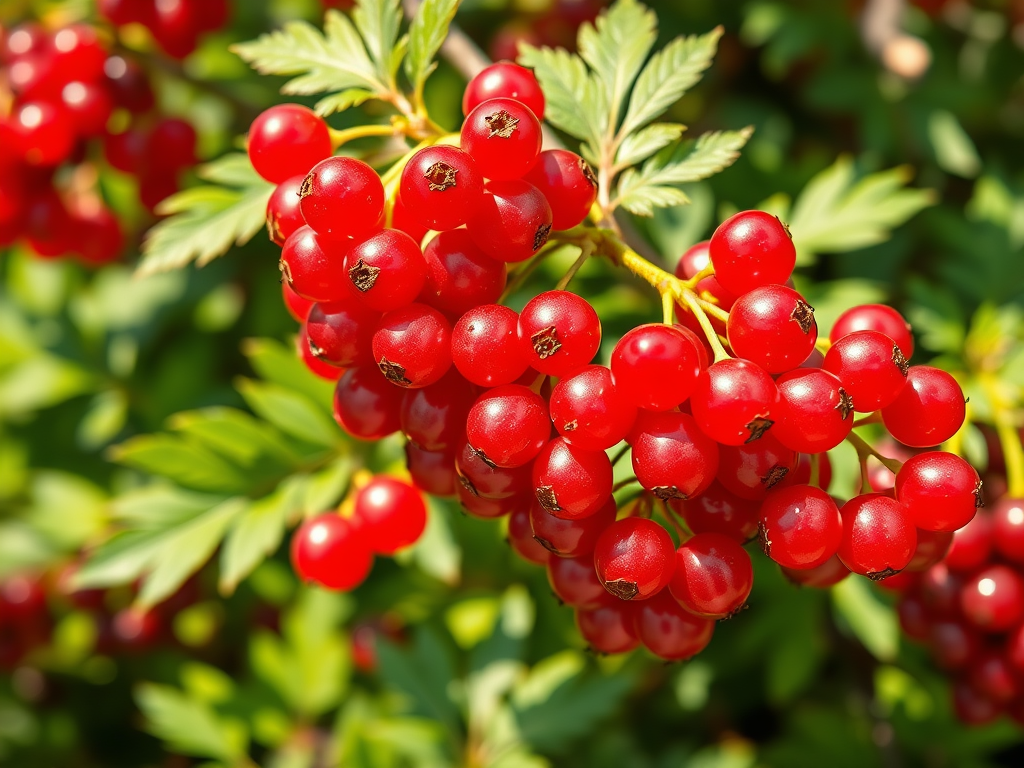
Red currants (Ribes rubrum) grow on a deciduous shrub and produce bright red, translucent edible berries. These berries are botanically classified as fruit, specifically small berries that grow in clusters.
Red currants (Ribes rubrum) are native to Western Europe, with wild forms growing naturally across northern and eastern Europe, including Scandinavia, the Baltic region, and western Russia.
While there is no single “discoverer”—because the plant was known and used long before modern botanical documentation—the earliest scientific classification was made by Carl Linnaeus in 1753, who formally named the species Ribes rubrum.
✔ Earliest historical mentions
- Currants were already known in Renaissance Europe, where they were cultivated in gardens and farms.
- Old herbalist texts from the 1600s describe their medicinal properties.
- By 1629, currants were important enough to be listed among plants sent to the New World colonies.
So while Indigenous Europeans had used them for centuries, Linnaeus is the first person tied to their scientific discovery.
🏺 Cultural Significance Through History
European Culinary & Cultural Traditions
Red currants have long been woven into European food culture:
- Used in jellies, sauces, wines, and desserts for centuries.
- Especially prominent in French, German, and Scandinavian cuisines.
- In France, red currant jelly (often made using goose quills to seed the berries) is considered a heritage craft.
🌿 Medicinal & Herbal Uses of Red Currant
Red currants have been valued for centuries not only as a culinary fruit but as a functional, medicinal berry used in traditional herbalism across Europe. Modern research now validates many of the benefits that herbalists once observed intuitively.
Historical herbalists in the 1600s praised currants for:
- Cooling fevers
- Supporting digestion
- Providing vitamin‑rich nourishment
Native Americans also used currants (various Ribes species) for:
- Medicinal remedies
- Natural dyes
🍃 1. Immune Support & Infection Defense
Red currants are exceptionally rich in vitamin C, with one cup providing 77% of the daily requirement. In traditional herbal medicine, this made them a go‑to remedy for:
- Cooling fevers
- Supporting recovery from seasonal illnesses
- Strengthening the body’s natural defenses
Modern research supports this: vitamin C enhances immune cell activity and helps neutralize harmful free radicals.
🔥 2. Anti‑Inflammatory & Antioxidant Protection
Red currants contain anthocyanins, flavonoids, and polyphenols, all of which act as powerful antioxidants. Historically, herbalists used red currants to:
- Reduce inflammation
- Ease joint discomfort
- Support overall vitality
Today, antioxidants are known to:
- Protect cells from oxidative stress
- Slow down age‑related damage
- Support cardiovascular health
🌸 3. Skin & Hair Health
Traditional European herbalists often used red currant preparations to “brighten the complexion” or “restore skin vitality.” Modern science explains why:
- Vitamin C supports collagen production, essential for skin elasticity and hair strength
- Antioxidants help reduce environmental skin damage
This makes red currants a natural beauty‑supporting fruit long before the concept of “nutricosmetics” existed.
🩸 4. Blood‑Building & Circulation Support
Red currants contain iron and copper, minerals essential for forming healthy red blood cells. Historically, they were used to:
- Combat fatigue
- Support women after childbirth
- Strengthen the blood
While not a cure for anemia, their nutrient profile supports healthy blood formation.
💪 5. Bone & Joint Support
Traditional herbalists often recommended currants for “strengthening the frame.” Modern research shows:
- Red currants contain vitamin K, which helps retain calcium in bones
- Their anti‑inflammatory compounds may help ease joint stiffness
This bridges ancient intuition with contemporary nutritional science.
🌾 6. Digestive Health & Gentle Detoxification
Red currants have long been used as a digestive tonic in European folk medicine. Their natural fiber content:
- Supports healthy digestion
- Helps prevent constipation
- Encourages gentle detoxification through improved elimination
Herbalists also used currant juice as a mild “cooling” remedy for digestive heat or irritation.
🌺 7. Skin‑Cooling & Fever‑Reducing Remedies
In traditional herbalism, red currants were considered a “cooling fruit”:
- Used in syrups for fevers
- Added to tonics for heat‑related ailments
- Given to children during summer illnesses
Their hydrating, vitamin‑rich juice made them a natural remedy before modern medicine.
🔮 Symbolism & Folklore of the Red Currant
Across Europe, red currants symbolized:
- Vitality and health (because of their bright color and vitamin content)
- Summer abundance
- Protection (in some Slavic traditions, red berries were believed to ward off misfortune)
🌞 1. A Symbol of Summer, Ripening, and Seasonal Turning
In German tradition, red currants are called “Johannisbeeren” — John’s berries — because they ripen around June 24, the Feast Day of John the Baptist. This tied the berry to:
- The height of summer
- Rituals of ripening and abundance
- Seasonal turning points and agricultural readiness
The berry’s arrival marked a moment of celebration, warmth, and the fullness of the growing season.
🔥 2. Renewal, Rejuvenation & New Beginnings
The red flowering currant (a close relative within the Ribes family) symbolizes renewal and rejuvenation in the language of flowers. This symbolism extends naturally to the red currant fruit itself, which:
- Appears early in the season
- Signals the return of life after winter
- Represents fresh starts, new ventures, and the courage to begin again
In some regions, currant shrubs were planted to bless new homes or new phases of life.
🧿 3. Protection & Good Fortune
Across Slavic and Northern European folklore, red berries in general — including currants — were believed to:
- Ward off misfortune
- Protect the home
- Bring vitality and good luck
Their bright red color was associated with life force, warmth, and spiritual protection.
🌺 4. A Harbinger of Spring in Indigenous North American Traditions
The red flowering currant (another Ribes species) held cultural significance among Native American tribes of the Pacific Northwest. It was celebrated as:
- A harbinger of spring
- A sign that the land was waking
- A marker for agricultural timing and ceremonial readiness
While this refers to the flowering currant, the symbolism of seasonal awakening carries through the entire Ribes lineage.
🍇 5. Culinary Folklore & Festive Traditions
Red currants appear throughout European culinary folklore:
- In Britain, they are tied to afternoon tea rituals, especially in scones and jams.
- In Germany, they appear in summer desserts and celebratory dishes.
- In Russia, red currants are used to make kissel, a sweetened juice or thickened dessert served during family gatherings and festive meals.
Food traditions often become folklore — and currants became symbols of hospitality, celebration, and shared abundance.
🩸 6. Symbolic Color: Life, Vitality & Blood
The Latin name Ribes sanguineum (for the red‑flowering currant) literally means “blood‑red”. This color symbolism carries into the fruit:
- Representing vitality
- Strength
- Emotional warmth
- The life force itself
In some folk traditions, red berries were used in rituals meant to “strengthen the blood” or restore energy.
4. Agricultural & Economic Importance
- By the 17th century, Belgium and northern France were breeding large-berried cultivars.
- By the 1800s–1900s, currants were widely grown in the U.S. and Canada, with over 12,000 acres of commercial production by 1899.
Across Europe and North America, the red currant has carried a quiet but enduring symbolism — a berry of renewal, protection, and seasonal magic. Ripening at the height of summer, it marks the turning of the year, the fullness of life, and the promise of new beginnings. In kitchens, gardens, and ceremonies, the red currant has long been a symbol of vitality, hospitality, and the sweet abundance of the earth.
🍒 Vitamins & Nutrients in Red Currants
Red currants are small, bright, and tart — but nutritionally, they’re powerhouses. Here’s a clear, authoritative breakdown of what they contain per 100 grams, based on verified nutrition data.
🧪 Core Vitamins
Vitamin C — 41 mg
- Supports immune function
- Boosts collagen production
- Acts as a strong antioxidant Source:
Vitamin K — 11 µg
- Essential for blood clotting
- Supports bone metabolism Source:
Vitamin A — 42 IU
- Supports vision and skin health Source:
Vitamin B6 (trace amounts)
- Supports metabolism and brain function Source:
Choline — 7.6 mg
- Supports nervous system function Source:
🧬 Key Minerals
Potassium — 275 mg
- Regulates blood pressure
- Supports heart and muscle function Source:
Calcium — 33 mg
- Supports bone strength Source:
Iron — 1 mg
- Essential for red blood cell formation Source:
Magnesium — 13 mg
- Supports muscle and nerve function Source:
Phosphorus — 44 mg
- Supports bone and cellular health Source:
Manganese — 0.19–0.2 mg
- Supports metabolism and bone formation Source:
🌾 Macronutrients
Calories — 56 kcal
Low‑calorie, nutrient‑dense fruit. Source:
Carbohydrates — 13.8 g
Provides natural energy. Source:
Dietary Fiber — 4.3–7.4 g
Supports digestion and gut health. Source:
Sugars — 4.3–7.4 g
Naturally occurring fruit sugars. Source:
Protein — 1.4 g
Small but meaningful amount for a fruit. Source:
Fat — 0.2 g
Very low in fat. Source:
💧 Hydration
Water — 84.6 g
Red currants are extremely hydrating. Source:
🍽️ Culinary Uses of Red Currants
Red currants are one of the most versatile berries in European and global cuisine. Their bright acidity, jewel‑like color, and natural pectin make them perfect for both sweet and savory dishes.
Here’s how they’re traditionally and creatively used:
🍰 1. Baking & Desserts
Red currants bring a sharp, refreshing acidity that cuts through rich batters. They’re used in:
- Muffins, scones, and coffee cakes
- Brownies and crumb bars
- Yogurt cakes and Bundt cakes
- Pies, galettes, and tarts
Their tartness keeps desserts balanced and visually stunning.
🥣 2. Jams, Jellies & Preserves
Because red currants are naturally high in pectin, they’re ideal for:
- Classic red currant jam
- Red currant jelly for meats and pastries
- No‑cook red currant syrup (cordial)
These preserves are staples in European kitchens.
🥗 3. Fresh Uses: Salads, Bowls & Garnishes
Fresh currants add sparkle and acidity to:
- Raspberry & red currant salads
- Grain bowls
- Cheese boards
- Fruit salads
They’re especially good with creamy cheeses like brie or goat cheese.
🍹 4. Drinks & Cocktails
Red currants make gorgeous beverages:
- Red currant juice
- Honey iced tea with currants
- Sparkling red currant cosmopolitan
- Traditional red currant cordial
Their color alone is a showstopper.
🍳 5. Savory Dishes
Their acidity pairs beautifully with rich foods:
- Glazes for pork or poultry
- Chutneys and relishes
- Sauces for roasted meats
- Austrian Linzer‑style fillings
They brighten heavy dishes with a clean, tart finish..

FULL RECIPE
27 Currants Recipes@ cookingchew.com
🚫 Who Should Avoid or Limit Red Currants?
Red currants are safe for most people, but there are a few groups who may need to limit or avoid them based on general nutrition guidance.
Most people can enjoy red currants safely, but individuals with berry allergies, kidney stone risk, vitamin K restrictions, or sensitivity to acidic foods may need to limit or avoid them. As always, anyone with a medical condition should follow the guidance of their healthcare provider.
⚠️ 1. People with Known Berry Allergies
Anyone allergic to berries — especially gooseberries or other Ribes species — should avoid red currants. Allergic reactions may include itching, swelling, or digestive discomfort.
⚠️ 2. Individuals with Kidney Issues (Oxalate Sensitivity)
Red currants contain oxalates, which can contribute to kidney stone formation in people who are already prone to stones. Those with a history of oxalate‑related kidney stones are often advised to limit high‑oxalate foods.
⚠️ 3. People Who Need to Limit Vitamin K Intake
Red currants contain vitamin K, which plays a role in blood clotting. Individuals who must carefully regulate vitamin K intake (for example, those on certain blood‑thinning medications) may need to monitor consumption.
(This is general information — anyone in this situation should follow the guidance of their healthcare provider.)
⚠️ 4. People Sensitive to Acidic Foods
Red currants are naturally very tart and acidic. They may irritate:
- Sensitive stomachs
- Acid reflux
- Mouth ulcers
⚠️ 5. Infants Under 1 Year Old
Not because red currants are unsafe — but because whole berries can be a choking hazard. Pureed currants are fine when age‑appropriate.
✅ Red currants are legal and available in most of the U.S.
The federal ban on growing or selling currants was lifted in 1966, meaning they are no longer illegal nationwide.
You can find red currants in:
- Specialty grocery stores
- Farmers markets
- Online nurseries
- Some local farms
They are especially common in the Northeast, Midwest, and Pacific Northwest.
⚠️ But some states still restrict or ban them
Because currants can host white pine blister rust, a disease harmful to pine forests, a few states still regulate or prohibit them.
According to your search results:
States with bans or strong restrictions
- New Hampshire
- North Carolina
- West Virginia
States with partial restrictions or permit requirements
- Maine (permits may be required in certain areas)
- New Hampshire (regulated but not fully banned)
These rules mostly affect growing currants, not buying or eating them.
🛒 Can you buy red currants in the U.S.?
In most states, you can buy,
Red currant jams, jellies, and syrups
Fresh red currants (seasonally)
Frozen red currants
Red currant plants (in states without bans)
Sources
- Wikipedia — Ribes rubrum (Redcurrant)
- OnlyFoods.net — Red Currant Nutrition & Uses
- CookingChew.com — Red Currant Recipes
- MasalaHerb.com — Red Currant Syrup (Cordial)
- Katie at the Kitchen Door — Red Currant Crumb Bars
- General nutritional data from standard food composition references
- Cultural and historical references from European culinary and botanical records
Summary
The red currant may be small, but its story is anything but. From its deep European roots to its bright presence in modern kitchens, this berry carries centuries of culture, nourishment, and symbolism. It has been a healer in traditional herbalism, a jewel in summer desserts, a symbol of renewal in folklore, and a vibrant ingredient in kitchens around the world.
Nutrient‑dense and naturally tart, red currants offer vitamin C, antioxidants, fiber, and minerals that support vitality and wellness. Their culinary versatility stretches from jams and jellies to savory glazes, cocktails, salads, and baked goods — proving that this tiny berry has an outsized impact.
Whether you’re exploring its history, celebrating its symbolism, or experimenting with new recipes, the red currant invites you to savor tradition, creativity, and the bright abundance of nature.
 EJADA
EJADA 
Leave a comment