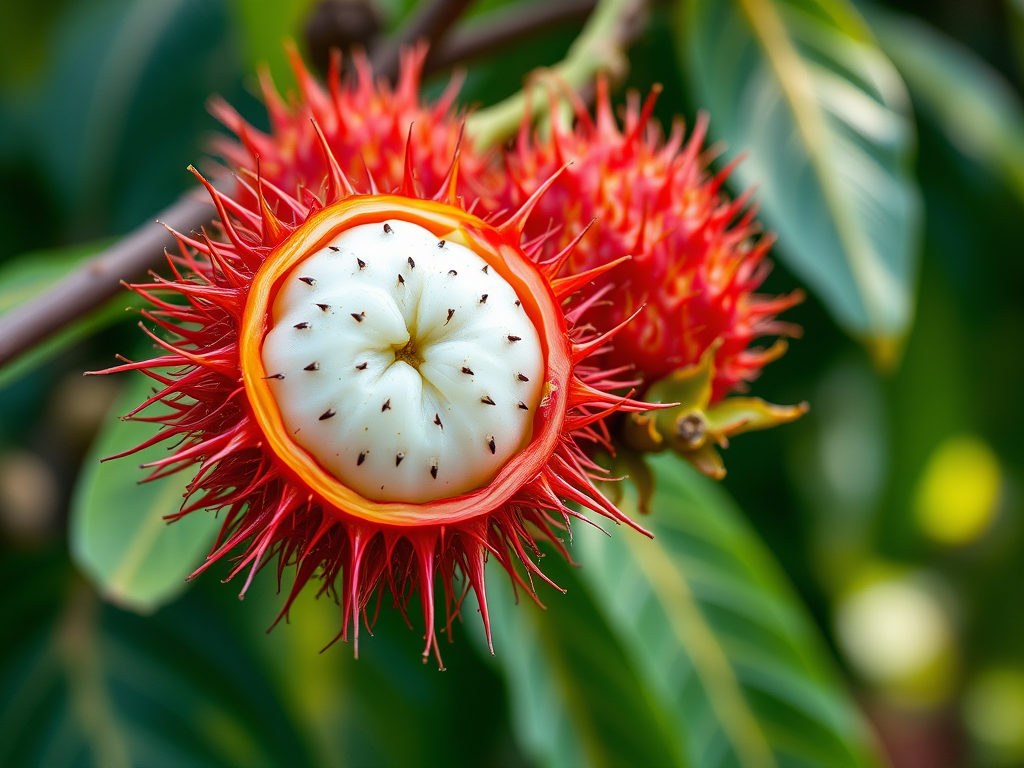
🌿 Rambutan: The Hair‑Kissed Superfruit for Healthy Living
Rambutan is one of those fruits that stops you in your tracks — bright, spiky, almost otherworldly. But beneath that wild exterior lies a juicy, nutrient‑rich fruit that has nourished communities for centuries and now deserves a place in every modern healthy‑living routine.
🌱 Origins: Where Rambutan Comes From
Rambutan (Nephelium lappaceum) is native to the tropical landscapes of Southeast Asia, especially the Malay region. Its name comes from the Malay word rambut, meaning “hair,” a perfect nod to its soft, flexible spines.
Rambutan (Nephelium lappaceum) is native to the humid, emerald landscapes of Southeast Asia, with its deepest roots in the Malay region. The very name rambutan comes from the Malay word rambut, meaning “hair,” a playful reference to the fruit’s soft, flexible spines that make it instantly recognizable.
Botanically, rambutan belongs to the Sapindaceae family — the same family as lychee and longan — and has been part of the region’s ecology and food culture for centuries. Indigenous communities cultivated and consumed rambutan long before written records, integrating it into daily diets, seasonal harvests, and local trade.
A Fruit Shaped by Climate and Culture
Rambutan thrives in warm, tropical environments with abundant rainfall — conditions found across Malaysia, Indonesia, and surrounding areas. These climates allowed the tree to flourish naturally, growing up to 15–24 meters tall and producing clusters of brilliantly colored fruit.
How Rambutan Spread Beyond Its Homeland
Historical trade routes carried rambutan far beyond its birthplace:
- Arab traders introduced rambutan from Southeast Asia to East Africa — particularly Zanzibar and Pemba — between the 13th and 15th centuries.
- Dutch botanists later transported rambutan from Indonesia to Suriname in the 19th century, helping the fruit take root in the Americas.
- Over time, small plantings appeared in India and other tropical regions as global curiosity grew.
This movement wasn’t accidental — rambutan’s sweetness, resilience, and visual appeal made it a natural candidate for agricultural exchange.
A Living Link to Southeast Asian Heritage
Even as rambutan has traveled the world, its cultural heart remains in Malaysia, where it is still widely cultivated and celebrated as a symbol of abundance and tropical vitality.
🕰️ Who First Used Rambutan?
No single person is credited with “first using” rambutan — its history is communal, agricultural, and deeply regional. But we do know who the earliest stewards were and how the fruit spread across the world:
- Indigenous communities in the Indo‑Malay region were the earliest known cultivators and consumers of rambutan, long before written records.
- Arab traders carried rambutan from Southeast Asia to East Africa between the 13th and 15th centuries.
- Dutch botanists introduced rambutan from Indonesia to Suriname in the 19th century, expanding its presence into the Americas.
- Malaysia is recognized as a primary center of origin and early cultivation.
This journey shows how rambutan traveled through trade, curiosity, and cultural exchange — not conquest or industrialization, but simple human fascination with a delicious fruit.
🍇 Why Rambutan Belongs in a Healthy‑Living Lifestyle
Hydration & Natural Energy
The fruit’s translucent flesh is rich in water and natural sugars, making it a refreshing, energizing snack.
Rambutan is one of those fruits that quietly does the heavy lifting for your body. Its flesh is made up of a high percentage of water, which means every bite contributes to your daily hydration without feeling heavy or overly sweet. This makes it especially valuable during warm months, long workdays, or any moment when your energy dips and you need a clean, refreshing lift.
The natural sugars in rambutan — primarily fructose and sucrose — offer a gentle, steady source of energy. Unlike processed snacks that spike and crash your blood sugar, rambutan delivers a slow, sustained release that supports focus, movement, and mental clarity. It’s the kind of fruit you can snack on mid‑morning or post‑workout and actually feel the difference.
Because it’s both hydrating and energizing, rambutan fits beautifully into a healthy‑living routine:
- A revitalizing snack between meetings
- A natural pick‑me‑up during creative work
- A refreshing addition to smoothies after exercise
- A clean alternative to sugary drinks or packaged snacks
It’s nature’s version of a gentle recharge — no caffeine, no additives, just pure tropical vitality.
Immune Support
Rambutan brings a quiet but powerful boost to the immune system thanks to its naturally high vitamin C content. This essential nutrient supports the body’s ability to defend itself, repair tissues, and maintain overall resilience. When you eat rambutan, you’re giving your immune cells the raw materials they need to function efficiently — especially during seasonal transitions or high‑stress periods when your body is working harder than usual.
Vitamin C also enhances iron absorption, which is crucial for energy levels and oxygen transport. That means rambutan doesn’t just help you stay well; it helps you stay vibrant. It’s a small fruit with a surprisingly big impact on your daily vitality.
Digestive Wellness
Rambutan supports digestion in a way that feels gentle, natural, and deeply aligned with a healthy‑living lifestyle. Its flesh contains a modest amount of dietary fiber — not so much that it overwhelms the stomach, but enough to help keep things moving smoothly. This makes it an excellent choice for people who want digestive support without relying on heavy, high‑fiber foods that can sometimes cause discomfort.
The fiber in rambutan helps regulate the pace of digestion, supporting steady nutrient absorption and reducing the likelihood of sudden blood‑sugar spikes. It also contributes to a balanced gut environment, which is essential for everything from immune function to mood stability. When your digestion is calm and consistent, your whole body feels more grounded.
Because rambutan is hydrating as well as fibrous, it offers a two‑part benefit: moisture to soften digestion and fiber to guide it. It’s a small but meaningful way to support daily gut health.
Antioxidant Protection
Like lychee and longan, rambutan contains antioxidants that help protect cells from oxidative stress.
Rambutan may be small, but it carries a surprising concentration of antioxidants — natural compounds that help protect your cells from everyday stressors. Modern life exposes the body to oxidative stress through pollution, processed foods, lack of sleep, and even emotional strain. Antioxidants act like a quiet internal clean‑up crew, neutralizing free radicals before they can cause long‑term damage.
Rambutan contains several of these protective compounds, including vitamin C, flavonoids, and phenolic acids. Together, they support cellular health, help maintain youthful skin, and contribute to overall vitality. This isn’t about quick fixes or miracle claims — it’s about giving your body consistent, nourishing support so it can function at its best.
What makes rambutan especially appealing is how effortlessly it fits into a wellness routine. You’re not swallowing supplements or forcing down bitter greens; you’re enjoying a sweet, refreshing fruit that naturally supports your body’s resilience. It’s a gentle, delicious way to invest in long‑term health.
🌍 A Fruit With a Global Story
From Malaysia to Indonesia, from East Africa to Suriname, rambutan’s journey reflects centuries of movement, trade, and agricultural curiosity. It’s a fruit that has crossed oceans, cultures, and climates — and still feels like a hidden gem.
Rambutan’s story is a tapestry woven through trade winds, migration, curiosity, and the quiet persistence of tropical agriculture. Its journey across continents mirrors the movement of people, ideas, and flavors — a reminder that food history is human history.
🌏 Southeast Asia: The Ancestral Home
Rambutan begins in the humid, fertile landscapes of the Indo‑Malay region, where indigenous communities cultivated it long before written records. In these early societies, rambutan wasn’t just a fruit — it was a seasonal marker, a trade good, and a symbol of abundance. Families harvested it from towering trees, shared it at markets, and passed down cultivation knowledge through generations.
🌬️ The Indian Ocean Trade Routes
Between the 13th and 15th centuries, rambutan began its first major migration. Arab traders, who sailed the monsoon winds between Southeast Asia, India, and East Africa, carried rambutan seeds and saplings with them. These traders introduced the fruit to:
- Zanzibar
- Pemba
- Coastal regions of Tanzania and Kenya
In these new environments, rambutan adapted beautifully, thriving in the same warm, humid climates that nurtured cloves, coconuts, and mangos.
🌱 Colonial Botanical Expansion
Centuries later, during the 19th century, rambutan embarked on another chapter of its global journey. Dutch botanists transported the fruit from Indonesia to Suriname, where it took root in the tropical soils of South America. From there, rambutan slowly spread into:
- Brazil
- Costa Rica
- Honduras
- Guatemala
- Panama
This movement wasn’t driven by mass agriculture but by botanical curiosity — the desire to test, plant, and observe tropical species in new environments.
🌎 The Americas and Beyond
By the 20th century, rambutan had become a quiet but beloved presence in Central America and parts of the Caribbean. Small farms, family orchards, and local markets embraced the fruit for its sweetness and resilience. Today, rambutan is grown in:
- Hawaii
- Southern Mexico
- Central America
- Parts of South America
- Northern Australia
- Sri Lanka
- India (limited regions)
Its global spread reflects a simple truth: wherever the climate is warm, humid, and generous, rambutan finds a home.
🌐 A Modern Symbol of Connection
Today, rambutan appears in grocery stores, farmers’ markets, and health‑focused kitchens around the world. Its journey — from indigenous cultivation to global appreciation — mirrors the way cultures share, adapt, and celebrate food. Every time you peel open a rambutan, you’re tasting a fruit shaped by centuries of movement, trade, and human curiosity.
🥗 How to Enjoy Rambutan Every Day
- Add peeled rambutan to fruit salads
- Blend into smoothies for a tropical twist
- Pair with yogurt or chia pudding
- Use as a natural sweetener in healthy desserts
- Enjoy fresh as a hydrating snack
🥗 Healthy & Delicious Rambutan Recipes
Rambutan is incredibly versatile — sweet enough for desserts, refreshing enough for drinks, and subtle enough to pair with herbs, citrus, and creamy bases. These recipes are designed to be simple, nourishing, and easy to integrate into everyday wellness routines.
🍹 1. Rambutan Hydration Refresher
A clean, cooling drink that highlights rambutan’s natural sweetness and hydrating power.
Ingredients:
- 10–12 fresh rambutans, peeled and pitted
- 1 cup cold coconut water
- Juice of ½ lime
- 4–5 mint leaves
- Ice (optional)
Instructions:
- Add the rambutan flesh and coconut water to a blender.
- Blend until smooth and frothy.
- Stir in the lime juice.
- Pour over ice and garnish with mint.
Why it works: This drink delivers hydration, electrolytes, and natural energy — perfect for mornings, workouts, or warm days.
🥣 2. Rambutan & Yogurt Glow Bowl
A nourishing breakfast or snack that supports digestion, immunity, and steady energy.
Ingredients:
- 1 cup plain or Greek yogurt
- 6–8 rambutans, peeled and sliced
- 1 tablespoon chia seeds
- 1 teaspoon honey or agave (optional)
- A handful of granola or toasted oats
- A sprinkle of shredded coconut
Instructions:
- Spoon yogurt into a bowl.
- Arrange sliced rambutan on top.
- Add chia seeds, granola, and coconut.
- Drizzle lightly with honey if you want extra sweetness.
Why it works: This bowl blends protein, fiber, antioxidants, and healthy fats — a balanced, gut‑friendly way to start the day.
🥗 3. Tropical Rambutan Salad with Lime‑Herb Dressing
A bright, refreshing dish that works as a side, a light lunch, or a wellness‑focused dinner companion.
Ingredients:
- 12 rambutans, peeled and halved
- 1 cup pineapple chunks
- 1 small cucumber, thinly sliced
- ¼ red onion, very thinly sliced
- A handful of fresh cilantro or basil
- Juice of 1 lime
- 1 teaspoon olive oil
- Pinch of sea salt
- Optional: chili flakes for heat
Instructions:
- Combine rambutan, pineapple, cucumber, and red onion in a bowl.
- Whisk lime juice, olive oil, salt, and chili flakes (if using).
- Pour dressing over the salad and toss gently.
- Finish with fresh herbs.
Why it works: This salad is hydrating, anti‑inflammatory, and full of vitamin C — a perfect embodiment of healthy‑living cuisine.
🍨 4. Ceremonial Rambutan & Coconut Bliss Cups
A dessert‑meets‑ritual moment — soft, cooling, and deeply satisfying.
Ingredients:
- 8–10 rambutans, chopped
- ½ cup coconut cream
- 1 teaspoon vanilla
- 1 teaspoon maple syrup
- Toasted coconut flakes for topping
- A pinch of cardamom (optional but magical)
Instructions:
- Whip coconut cream, vanilla, and maple syrup until soft and airy.
- Fold in the chopped rambutan.
- Spoon into small bowls or cups.
- Top with toasted coconut and a whisper of cardamom.
Why it works: This recipe feels indulgent but remains light, plant‑based, and full of antioxidants. It’s the kind of dish you can use to close a meal, a day, or even a personal ritual.
Availability in the U.S.
Rambutan is sold in many parts of the U.S., especially in areas with strong international or Asian grocery markets. According to the search results:
- You can find rambutan primarily at Asian grocery stores such as H Mart or 99 Ranch.
- Some larger supermarkets with international sections also carry it during peak season.
- It’s widely available through online retailers that ship exotic fruits nationwide.
- Instacart listings show rambutan available at major U.S. stores like Costco and QFC, with multiple brands and package sizes.
🗓️ When It’s Most Available
Rambutan is seasonal, so availability increases during its harvest periods:
- Main season: December–January
- Secondary season: August–September
✅ Bottom Line
Rambutan is absolutely available in the U.S., both in‑store and online. Availability depends on your region and the time of year, but it’s far easier to find now than it was even a decade ago.
✅ Source List
1. Britannica – Rambutan Overview
https://www.britannica.com/plant/rambutan
Summary: Covers rambutan’s botanical background, native region (Malaysia), and general characteristics. Use for: Origins, scientific classification, and cultural context.
2. Purdue University – Rambutan (Morton, 1987)
https://hort.purdue.edu/newcrop/morton/rambutan.html
Summary: A comprehensive horticultural and historical profile covering: Provides historical distribution, cultivation notes, and global spread patterns. Use for: Historical movement, trade routes, and agricultural expansion.
3. Purdue University Horticulture – Rambutan Profile
https://hort.purdue.edu/newcrop/morton/rambutan.html Summary: A detailed horticultural monograph including origins, early cultivation, spread to Africa and the Americas, and botanical notes. Use for: Deep historical spread, Arab trader routes, Suriname introduction.
4. Healthline – Rambutan Nutrition & Benefits
https://www.healthline.com/nutrition/rambutan Summary: Breaks down vitamins, antioxidants, hydration benefits, and digestive support. Use for: Healthy‑living section, nutrition claims, wellness benefits.
5. WebMD – Rambutan Health Information
https://www.webmd.com/diet/health-benefits-rambutan Summary: Provides a medically reviewed overview of rambutan’s nutrients and health effects. Use for: Immune support, digestion, antioxidant explanations.
6. Specialty Produce – Rambutan Availability in the U.S.
https://specialtyproduce.com/produce/Rambutan_1232.php Summary: Lists U.S. availability, seasonality, and distribution patterns. Use for: “Is it available in the U.S.” section.
7. Instacart – Rambutan Product Listings
https://www.instacart.com (Search “rambutan”) Summary: Shows real‑time availability at U.S. retailers like Costco, QFC, and local markets. Use for: Modern U.S. availability confirmation.
8. Epic Gardening – Rambutan Growing Guide
Summary: Covers climate requirements, native region, and global cultivation. Use for: Origins + global spread + growing conditions.
🚫 Groups Who May Need to Avoid or Limit Rambutan
Rambutan is generally safe for most people, but a few groups may need to be cautious based on general health considerations.
1. People who need to limit sugar intake
Rambutan is a naturally sweet fruit. Anyone who has been advised to monitor sugar — such as individuals managing blood‑sugar levels — may need to be mindful of portion sizes. This is true for many fruits, not just rambutan.
2. Individuals with latex‑fruit syndrome
Some people who have latex allergies also react to certain tropical fruits. Rambutan is not a major trigger, but cross‑reactivity can occur with fruits in similar botanical families. Anyone with a known latex‑fruit sensitivity should be cautious.
3. People sensitive to tropical fruits or new foods
Some individuals experience digestive discomfort when trying new tropical fruits. This isn’t specific to rambutan — it’s simply a general sensitivity pattern.
4. Young children (regarding the seed)
The fruit flesh is safe, but the seed should not be eaten. It’s not meant for consumption and can be a choking hazard for small children.
5. Anyone advised by a clinician to avoid high‑fiber fruits
Rambutan contains a modest amount of fiber. People who have been told to temporarily avoid fiber (for example, during certain digestive conditions) may need to limit fruits like this.
✅ What’s important to remember
These are general considerations, not personal medical instructions. If someone has concerns about how rambutan fits into their diet, the safest approach is to check with a healthcare professional who knows their health history.
🌺 Closing:
A Fruit with history, heart, and healthy‑living power
Rambutan isn’t just a tropical curiosity — it’s a fruit with a lineage, a journey, and a purpose. From its ancestral roots in the Malay region to its travels across oceans and continents, rambutan carries centuries of culture, cultivation, and connection in every soft, spiky shell.
It nourishes the body with hydration, gentle energy, antioxidants, and digestive support. It inspires creativity in the kitchen, from refreshing drinks to vibrant salads to ceremonial desserts. And it reminds us that healthy living isn’t about restriction — it’s about choosing foods that feel alive, rooted, and meaningful.
Whether you enjoy rambutan fresh, blended, sliced, or folded into a ritual moment of sweetness, you’re participating in a story that began long before us and continues to evolve with every new kitchen, market, and table it reaches.
May your rambutan journey be delicious, grounding, and full of discovery.
 EJADA
EJADA 
Leave a comment