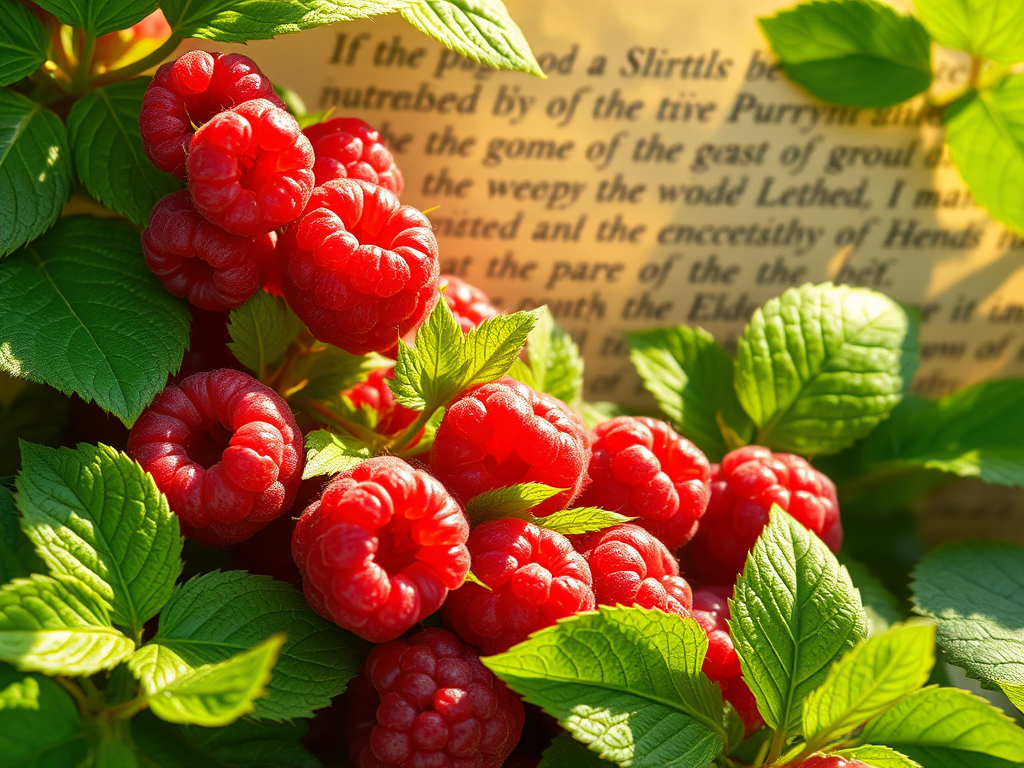
Raspberries don’t have a single “inventor” or moment of discovery — they’re prehistoric fruits that humans were eating long before written history. But we can trace the earliest known evidence and the first recorded descriptions.
🌿 Earliest Evidence of Raspberries
Archaeological findings show that wild raspberries were being eaten thousands of years ago in both Europe and Asia. Because they grow naturally across such a wide region, no single person can be credited with discovering them.
🏺 First Recorded Mentions
The earliest written reference we know of comes from:
Pliny the Elder (1st century AD)
The Roman naturalist Pliny the Elder wrote about raspberries in the first century AD, describing their cultivation and uses. This is the earliest known author to document the fruit.
🌍 Where They Originated
Raspberries come from multiple regions:
- European red raspberry (Rubus idaeus) — native to Europe and parts of Asia
- American red raspberry (Rubus strigosus) — native to North America
Because these species evolved independently, raspberries don’t have a single birthplace.
🌿 Historical Medicinal Uses of Raspberry
Raspberry leaf has been used for centuries in European and Native American herbal traditions. It was especially valued for:
- Women’s reproductive health — easing menstrual cramps, heavy bleeding, and supporting uterine health
- Pregnancy support — midwives used raspberry leaf tea as a uterine tonic to prepare the body for labor and ease contractions
- Digestive issues — the leaf’s astringent properties made it useful for diarrhea and general digestive discomfort
Native American tribes also used raspberry for:
- Labor pains
- Nausea
- Contraction support
🍇 Medicinal Uses of the Fruit
The fruit itself was used more for nutrition and inflammation support than as a formal medicine:
- Anti‑inflammatory benefits
- Support for infections
- General nourishment during illness
🧪 Modern Clinical & Scientific Insights
Contemporary herbalists and naturopaths still use raspberry leaf for:
- Menstrual support
- Fertility support
- Pregnancy and postpartum recovery
Scientific studies highlight raspberry’s active compounds:
- Flavonoids (like quercetin)
- Tannins
- Ellagic acid
- Anthocyanins
These contribute to:
- Antioxidant effects
- Anti‑inflammatory activity
- Potential anti‑cancer properties
- Cardiovascular support
- Skin health benefits
There is also early evidence that raspberry ketones may influence fat metabolism, though research is still limited.
The leaves, which were considered one of the safest and most reliable herbal tonics for women’s health across many cultures.
🍇 Cultural & Culinary Uses of Raspberries
Raspberries carry deep symbolic meaning across cultures and a long, practical culinary history. The search results give us a strong factual backbone, so here’s a clear, sourced synthesis.
🍓 Cultural Significance
Love, Passion, Sweetness of Life
Raspberries symbolize love, passion, fertility, abundance, vitality, and the sweetness of life across many cultures. Their bright red color and delicate flavor made them natural symbols in romantic traditions and folklore.
Folklore & Mythology
- They appear in stories as emblems of abundance and good fortune.
- In Celtic and European traditions, bramble fruits (including raspberries) were tied to fertility and seasonal cycles.
Artistic Representation
Artists and writers have used raspberries to evoke nostalgia, emotion, and sensuality because of their color and fragility.
🪶 Indigenous North American Cultural Uses
Indigenous peoples of the Pacific Northwest and northern regions valued raspberries as both food and medicine:
- Eaten fresh during summer
- Dried and pressed into cakes for winter survival
- Mixed into soups, meat dishes, and beverages
- Incorporated into seasonal food traditions tied to resourcefulness and respect for the land
These practices reflect a cultural relationship with the berry rooted in seasonality, preservation, and nourishment.
🍽️ Culinary Uses
Indigenous Culinary Uses
According to the American Indian Health database:
- Fresh berries eaten straight from the vine
- Mashed into drinks
- Added to soups and meat dishes
- Baked into cakes
- Dried and stored for winter nutrition
This shows raspberries were a core seasonal ingredient, not just a garnish.
European & Modern Culinary Uses
Raspberries are prized for their tart‑sweet flavor and vivid color. Common uses include:
- Desserts: cakes, pies, tarts, sorbets
- Smoothies and beverages
- Jams, preserves, syrups
- Liqueurs and infused spirits
- Sauces for meats or pastries
- Fresh additions to salads, cereals, and breakfast dishes
Their versatility made them a staple in both rustic and refined kitchens.
Preservation Traditions
Across cultures, raspberries were preserved to extend their short season:
- Dried into cakes (Indigenous North America)
- Fermented or preserved in early European households
- Cooked into syrups for medicinal and culinary use
These methods ensured year‑round access to nutrients and flavor.
✅ Sources
What Do Raspberries Symbolize In Love, Culture, And Culinary Traditions?
American Indian Health American Indian Health – Raspberries
The History and Uses of Wild Brambles – Live to Plant
Raspberries are one of those ingredients that slip effortlessly into sweet, tart, creamy, or savory dishes — and the search results you triggered gave us a gorgeous spread of options. To make this easy (and delicious), I pulled together a curated set of raspberry‑forward recipes you can use for blog posts, product tie‑ins, or culinary storytelling.
🍰 A Few Standout
Raspberry Recipes
✅ 1. Banana Raspberry Muffins
Moist, fruity, and perfect for breakfast or gifting. Link:
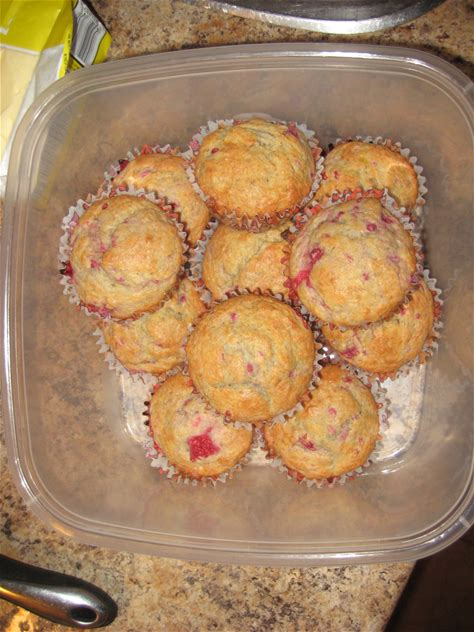
Banana Raspberry Muffins
Food.com
This recipe has a rating of 5.0 stars from 8 reviewers.
5.0 (8)
35 min · 241 cals · 15 servings
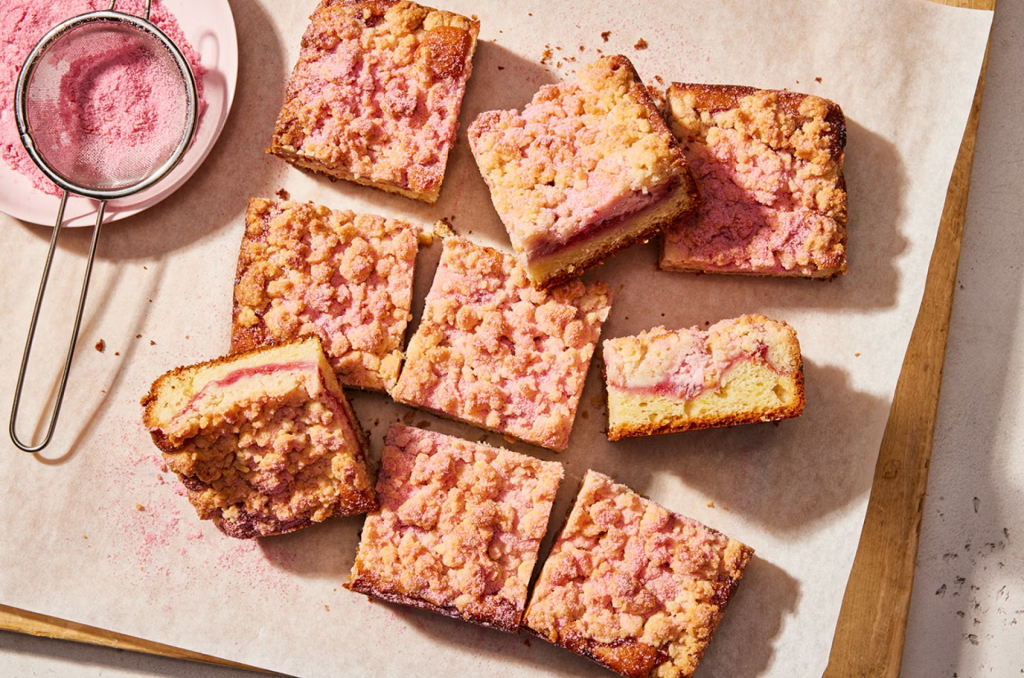
✅ 2. Raspberry Cream Cheese Coffee Cake
Decadent, sweet, and tangy, this cream cheese coffee cake is inspired by the well-loved store-bought danishes that have stripes of crumb-topped fruit filling down the center
✅ 3. Easy Raspberry Oatmeal Bars
A buttery oat crust layered with mashed raspberries — simple and crowd‑pleasing. Link: Suburban Simplicity
✅ 4. Raspberry Vinegar (1900 Recipe)
A vintage, three‑day macerated raspberry vinegar — perfect for cocktails, shrubs, or dressings. Link: mjskitchen.com
✅ 5. 67 Fresh Raspberry Recipes (Massive Collection)
Cakes, salads, eclairs, smoothies, pork with berry salsa — a huge curated list. Link: Taste of Home
✅ 6. AllRecipes Raspberry Library
Sauces, vinaigrettes, pies, sorbets, cookies, jams, cocktails — everything raspberry. Link: Raspberry Recipes
✅ 7. Southern Living’s Raspberry Recipe Collection
Elegant, Southern‑style raspberry dishes — cakes, salads, cookies, lemonade. Link: Southern Living
🚫 Who Should Not Consume Raspberry (Especially Raspberry Leaf)
1. People who are pregnant — early pregnancy
Raspberry leaf, not the fruit, may act like estrogen and stimulate the uterus. Healthcare sources warn that raspberry leaf is likely unsafe in early pregnancy and should only be used late in pregnancy under medical supervision.
2. People with hormone‑sensitive conditions
Raspberry leaf may have estrogen‑like effects. Avoid raspberry leaf if you have any of the following:
- Breast cancer
- Uterine cancer
- Ovarian cancer
- Endometriosis
- Uterine fibroids
The fruit itself does not carry this risk.
3. People taking insulin or blood‑sugar–lowering medications
Raspberry leaf may lower blood sugar, which can intensify the effect of insulin and cause hypoglycemia.
4. People taking blood‑thinning medications
Raspberry leaf may slow blood clotting, increasing the risk of bleeding when combined with anticoagulants or antiplatelet drugs.
5. People who are breastfeeding
There is not enough reliable information about raspberry leaf safety during breastfeeding, so healthcare sources recommend avoiding it.
6. People with known raspberry allergies
Rare, but documented. Freeze‑dried raspberry has triggered occupational asthma in workers exposed to it.
7. People who are pregnant and using raspberry leaf without supervision
Although midwives sometimes use raspberry leaf late in pregnancy, medical sources emphasize that evidence is limited and safety is not well established.
Raspberry fruit is considered safe for most people and is widely consumed as food.
Raspberry leaf is where the cautions apply. WebMD
 EJADA
EJADA 
Leave a comment