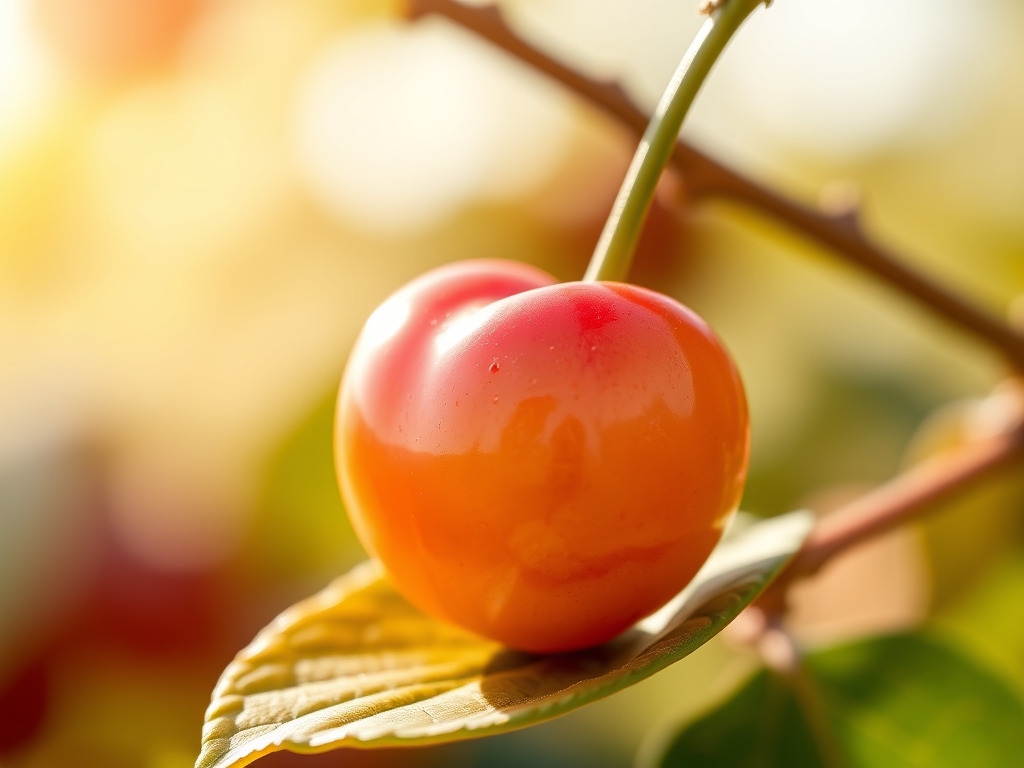
On to the R in our alphabetical journey of fruits known and little known, we begin this post with the Rainier Cherry
The Rainier cherry is a premium, golden-yellow cherry with a scarlet blush, famed for its sweet, creamy flesh and delicate flavor. It was first developed in 1952 at Washington State University by Harold Fogle, who named it after Mount Rainier
🌸 A golden jewel of summer
The Rainier cherry, with its delicate yellow skin kissed by a scarlet blush, is one of the most prized sweet cherries in the world. Developed in 1952 at Washington State University by crossing the Bing and Van varieties, it was named after the majestic Mount Rainier. Its creamy flesh and honeyed flavor set it apart from the darker Bing cherries, making it a seasonal treasure that delights both growers and gourmets.
The Rainier cherry reminds us that even within familiar fruits, there are rare gems waiting to be celebrated. Its golden blush is more than a color—it’s a symbol of summer’s fleeting abundance, a reminder to savor sweetness while it lasts.
🍒 Distinctive traits
- Appearance: Pale yellow with a red blush, often called “white cherries.”
- Flavor: Exceptionally sweet, low in acidity, with a smooth, juicy texture.
- Harvest: Late June to early July, a fleeting window that adds to their rarity.
- Cultivation: Grown mainly in Washington, Oregon, Idaho, and Utah, thriving in USDA zones 4–9.
🥧 Culinary charm Rainier cherries are best enjoyed fresh, but their golden hue and sweetness also elevate pies, tarts, preserves, and festive desserts. They pair beautifully with almonds, vanilla, and soft cheeses, making them a versatile ingredient for both everyday indulgence and ceremonial feasts.
🌸 Origins & Cultivation
The Rainier cherry was developed in 1952 at Washington State University by Harold Fogle, who crossed the Bing and Van cultivars and named the new fruit after Mount Rainier. It has since become one of the most prized sweet cherries, both for its delicate flavor and its challenging cultivation requirements.
🌸 Origins
- Breeding breakthrough: Harold Fogle created the Rainier cherry at Washington State University’s research station in Prosser, WA.
- Parentage: A hybrid of the Bing (deep red, sweet) and Van (hardy, productive) cultivars.
- Naming: Inspired by Mount Rainier, the iconic peak of Washington state.
- Premium status: Quickly recognized as a luxury cherry due to its unique golden-yellow skin with a red blush and creamy flesh.
🌱 Cultivation
- Regions: Primarily grown in the Northwestern U.S.—Washington, Oregon, Idaho, Montana, Utah, and Wyoming—with Washington state as the leading producer. Smaller orchards exist in British Columbia, Canada.
- Climate needs: Rainiers thrive in USDA zones 4–9, making them one of the most cold-hardy sweet cherries.
- Tree characteristics:
- Mature height: 30–35 feet.
- Bloom period: Early April.
- Fruit-bearing: Begins 3–5 years after planting.
- Pollination: Rainier trees are not self-pollinating. They require compatible cultivars such as Bing, Van, Lapins, Black Tartarian, or Lambert to ensure fruit set.
- Rootstock: Commonly grafted onto Mazzard cherry rootstock, a hardy wild sweet cherry that adapts well to diverse soils.
- Harvest: Late June through early July, earlier than many other sweet cherry varieties.
- Challenges:
- Susceptible to wind, rain, and temperature fluctuations, which can damage the thin skin and watery flesh.
- Requires careful spacing and sun exposure to ensure sweetness and full ripening.
🍒 Cultivation Significance
Rainier cherries are considered a premium crop because of their delicate nature. Farmers must balance protection from weather with maximizing sun exposure. Their rarity and fragility contribute to their higher market price compared to darker cherries like Bing.
🍒 Appearance & Flavor
- Color: Yellow skin with a red blush, earning them the nickname “white cherries”.
- Flesh: Creamy, sweet, and less tart than red cherries.
- Texture: Thin skin, juicy interior, and slightly more watery than other sweet cherries.
- Bird-resistant: Their yellow coloring attracts fewer birds compared to red cherries.
🌱 Growing & Harvest
- Hardiness zones: Thrive in USDA zones 4–9.
- Pollination: Require cross-pollination; Bing, Van, Lapins, Black Tartarian, or Lambert cultivars are common partners.
- Harvest season: Late June through early July, earlier than many other cherry varieties.
- Care: Prefer loamy soil, full sun, and regular irrigation. Trees are heavy bearers but benefit from pruning.
🥧 Culinary & Festive Uses
- Fresh eating: Their sweetness makes them ideal for enjoying straight off the tree.
- Baking & desserts: Excellent in pies, tarts, and cakes where their golden hue adds visual charm.
- Preservation: Suitable for canning, freezing, and even festive preserves.
- Pairings: Their delicate flavor pairs beautifully with almonds, vanilla, and light cheeses.
✨Summary
The Rainier cherry embodies a rare balance of beauty, sweetness, and resilience. Its golden blush and creamy flesh make it not only a culinary delight but also a symbol of summer’s fleeting abundance. As we continue our alphabetical fruit journey, the Rainier reminds us that even within familiar categories—like cherries—there are treasures waiting to be rediscover
Here are some delicious Rainier cherry recipes you can try, ranging from elegant desserts to refreshing drinks and savory pairings. Their golden sweetness makes them versatile for both festive and everyday cooking.
🍒 Sweet Recipes
- Rainier Cherry Clafoutis – A French custard-style bake with cherries nestled in a silky batter.
- Rainier Cherry & Almond Tart – Nutty frangipane filling topped with golden cherries for a stunning centerpiece.
- Rainier Cherry Mascarpone Cakes – Light sponge layered with mascarpone cream and cherries.
- Rainier Cherry & Chocolate Chip Ice Cream – A creamy summer treat with bursts of cherry sweetness.
- Rainier Cherry Galette – Rustic pastry with juicy cherries baked in a free-form crust.
🥗 Savory & Refreshing
- Fennel, Zucchini & Rainier Cherry Salad – Crisp vegetables balanced with sweet cherries.
- Grilled Toast with Cherries, Prosciutto & Ricotta – A gourmet appetizer with sweet-salty harmony.
- Rainier Cherry Salsa with Pork Chops – A vibrant topping that adds fruity depth to savory meat.
- Rainier Cherry Pizza – A sweet-savory twist with cherries baked into a dessert-style pizza.
🍹 Drinks & Preserves
- Rainier Cherry Mojito – A refreshing cocktail with muddled cherries and mint.
- Peach & Rainier Cherry Sangria – A festive summer drink with stone fruit and wine.
- Rainier Cherry Summer Juice – A tropical blend with pineapple, oranges, strawberries, and cherries.
Rainier cherries are packed with antioxidants, vitamins, and minerals that support sleep, heart health, and inflammation reduction. They’re not only a sweet summer treat but also a nutrient-rich fruit with multiple wellness benefits.
🚫 Groups Who Should Be Cautious
The Rainier cherry is a golden delight, but like all treasures, it must be savored wisely. For most, it offers health and joy; for a few, caution ensures safety. Moderation transforms this fleeting fruit into a gift of both pleasure and well-being.
- People with cherry allergies
- Rare, but possible. Symptoms include rash, swelling of lips/tongue, wheezing, or difficulty breathing.
- Anyone experiencing these should avoid cherries entirely.
- Individuals prone to digestive issues
- Rainier cherries are high in fiber, fructose, and sugar alcohols (like sorbitol and mannitol).
- Overconsumption can cause stomach upset, bloating, gas, or diarrhea.
- Those with acid reflux (GERD)
- While sweet cherries are less acidic than tart varieties, eating too many can trigger heartburn or reflux in sensitive individuals.
- People with kidney problems
- Cherries are rich in potassium. For those with chronic kidney disease, excess potassium can be harmful, so intake should be monitored.
- Diabetics (in excess)
- Rainier cherries are sweet and contain natural sugars. While they have fiber that moderates blood sugar spikes, large portions may raise glucose levels.
- Infants and very young children
- Whole cherries pose a choking hazard. They should be pitted and cut before serving.
⚖️ Moderation Matters
- Safe serving size: About 1 cup (21 cherries) per day is considered moderate.
- Overeating risks: Can lead to digestive discomfort, excessive sugar intake, or potassium overload in sensitive individuals.
🍒 Key Nutritional Highlights
- Low-calorie snack: One cup (about 21 cherries) has ~90 calories.
- Rich in Vitamin C: Provides ~15–18% of daily needs, boosting immunity and skin health.
- Potassium source: Around 340 mg per cup, helping regulate blood pressure and fluid balance.
- Fiber content: About 3 grams per cup, supporting digestion and cholesterol management.
🌱 Health Benefits
- Improves Sleep: Contains natural melatonin, which helps regulate sleep cycles and may ease insomnia.
- Reduces Inflammation: Anthocyanins and flavonols act as antioxidants, potentially easing arthritis and lowering chronic inflammation.
- Supports Heart Health: Potassium and fiber contribute to cardiovascular wellness, reducing risks of hypertension and heart disease.
- Blood Sugar Regulation: Early studies suggest anthocyanins may enhance insulin production, supporting diabetes management.
- Cancer Protection: Polyphenols and quercetin provide anti-cancer and anti-inflammatory properties.
- Gut Health: Fiber aids bowel regularity and supports healthy gut microbiota.
🥗 Practical Ways to Enjoy
- Add fresh Rainier cherries to salads for sweetness and color.
- Mix into Greek yogurt or oatmeal for a nutrient boost.
- Bake into pies, tarts, or muffins for festive desserts.
- Blend into smoothies or sangria for refreshing summer drinks.
The Rainier cherry is more than a fleeting summer indulgence—it’s a superfruit that nourishes body and spirit. With its golden blush and gentle sweetness, it offers both pleasure and protection, reminding us that health can be celebrated in every bite.
15 Rainier Cherry Health Benefits – Healthy Huemans
8 Healthy Benefits of Rainier Cherries – Prime Women
Rainier Cherries Nutrition and Benefits – Food and Mood Dietitian
https://foodandmooddietitian.com/rainier-
Closing
The Rainier cherry’s origins reflect both scientific ingenuity and natural beauty. Born from careful hybridization and nurtured in the cool, sunlit orchards of the Northwest, it stands as a symbol of resilience and rarity. Its cultivation demands patience and precision, rewarding growers and eaters alike with a fleeting taste of golden sweetness.
 EJADA
EJADA 
Leave a comment