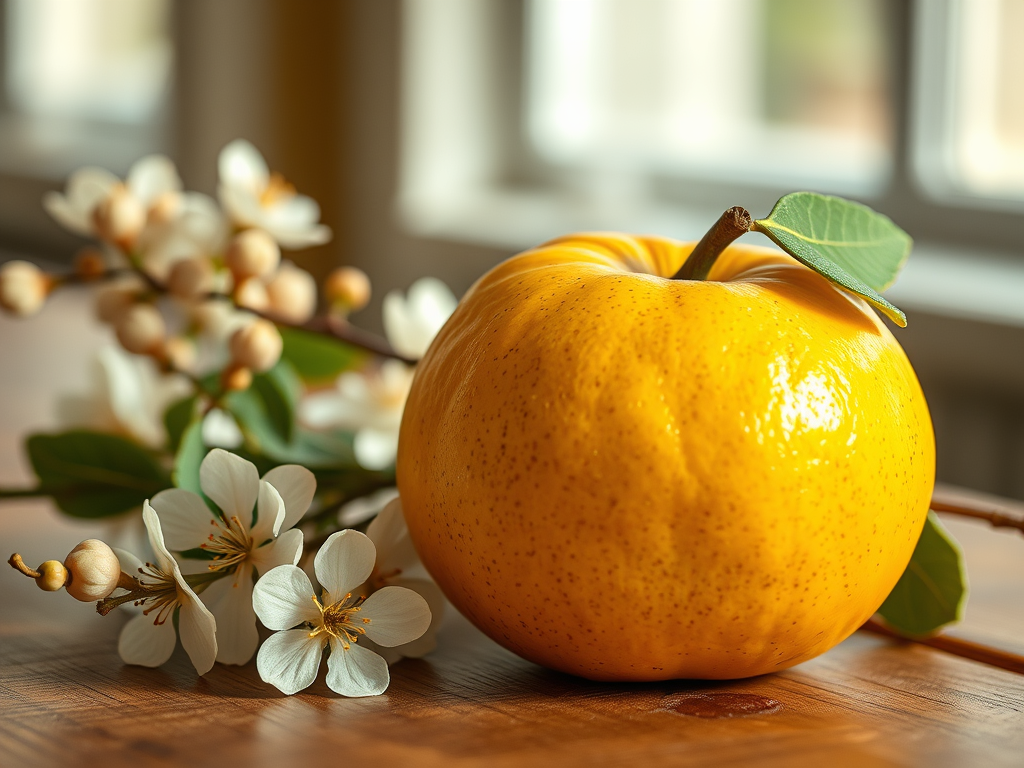
Quince is a historic, aromatic fruit that looks like a cross between an apple and a pear, but only reveals its true flavor when cooked. It’s one of those “hidden gems” of the fruit world, treasured for its fragrance and culinary versatility.
Quince has been cultivated and used medicinally for thousands of years, with its earliest documented use dating back to ancient Mesopotamia and Greece. It was not “discovered” by a single person, but rather adopted across cultures as a healing fruit.
🌸 Ancient Greek Rituals
- Sacred to Aphrodite: Quince was considered the fruit of love and beauty. Brides in ancient Greece were said to eat a quince before entering the bridal chamber, symbolizing sweetness and fertility in marriage.
- Wedding ceremonies: Quince was offered at weddings as a ritual fruit, representing a fruitful union.
- Golden Apple myth: Some scholars believe the famous “Apple of Discord” that sparked the Trojan War may have actually been a quince, since apples were less common in Greece at the time.
🏛 Roman Traditions
- Adopted from Greece: Romans inherited the practice of associating quince with love and marriage. They cultivated quince in gardens and used it in feasts and rituals.
- Offerings: Quince was sometimes offered to household gods as a symbol of prosperity and fertility.
🌿 Medieval & Renaissance Europe
- Banquets & symbolism: Quince jellies and pastes were served at noble banquets, celebrated as symbols of love, fertility, and good fortune.
- Perfuming rituals: In Italy, quince was used to perfume wardrobes and linens, a domestic ritual that tied the fruit to purity and abundance.
Summary
- Marriage & fertility: Brides eating quince in Greece.
- Divine offerings: Quince presented to gods in ancient rituals.
- Symbolic feasts: Quince paste and jellies at medieval banquets as tokens of love and prosperity.
- Domestic rituals: Perfuming homes and linens with quince in Italy.
🌸 Quince: From Ancient Remedy to Festive Delight
Roots in Antiquity
Quince (Cydonia oblonga) is one of humanity’s oldest cultivated fruits, native to Western Asia and the Caucasus. Long before apples became common, quince orchards thrived in Mesopotamia. Ancient Greeks celebrated it as the fruit of Aphrodite, a symbol of love and fertility, while Romans documented its healing properties in Pliny the Elder’s Natural History.
🩺 The Healing Fruit
Quince has long been celebrated as “The Healing Fruit,” valued across civilizations for its medicinal, nutritional, and symbolic properties. Its reputation comes from both traditional remedies and modern scientific insights, making it a bridge between ancient wisdom and contemporary wellness.
🌍 Ancient & Traditional Healing
- Mesopotamia & Greece: Quince was cultivated as early as 2000 BCE. Greek physicians used quince seeds and pulp to soothe sore throats and aid digestion. Its association with Aphrodite also tied it to fertility and vitality.
- Rome: Pliny the Elder documented quince’s astringent properties, noting its usefulness for inflammation, gastrointestinal issues, and preservation in medicinal syrups.
- Persia: Quince was revered as a tonic for strength and heart health, often appearing in poetry and remedies.
- China: In traditional Chinese medicine, quince seeds were used to relieve coughs, calm mucous membranes, and promote digestive health.
- Medieval Europe: Monastic gardens cultivated quince for syrups and preserves to treat fevers, sore throats, and stomach ailments.
🧪 Modern Scientific Insights
- Anti-inflammatory & antioxidant: Quince contains polyphenols and vitamin C, which help reduce oxidative stress and inflammation.
- Digestive health: Its high pectin content soothes mucous membranes, aids digestion, and helps regulate bowel movements.
- Respiratory relief: Traditional use of quince seed mucilage for coughs and sore throats is supported by its soothing, protective properties.
- Metabolic benefits: Emerging research suggests quince extracts may help manage blood sugar levels, offering potential support for diabetes.
- Antimicrobial potential: Studies highlight quince’s natural compounds as possible alternatives to antibiotics, though more research is needed.
🌱 Symbolic Healing
Beyond its physical benefits, quince carried ceremonial and symbolic healing power:
- In Greece, it was a wedding fruit symbolizing love and fertility.
- In Persia, it was a poetic emblem of vitality and beauty.
- In medieval Europe, it was considered a fruit of both body and soul, nourishing health while uplifting spirit.
📚 Resources Used
- Allergy Resources on Quince — Overview of quince allergens and sensitivities.
- WebMD: Quince Uses and Side Effects — General medicinal properties, safety, and nutritional insights.
- Bonapeti: Are Quinces an Allergen? — Notes on allergenic potential and sensitivities.
- KitchenCraftHubs: History of the Quince — Cultural and ritual history of quince.
- ItaloAmericano: Quince Rituals in Italy — Domestic and ceremonial uses of quince in Italian tradition.
- ShortFoodBlog: Symbolism of Quince — Symbolic meanings tied to love, fertility, and prosperity.
✨ Summary
Quince’s identity as The Healing Fruit comes from its ancient medicinal uses (digestive, respiratory, and anti-inflammatory remedies), its modern nutritional profile (fiber, antioxidants, pectin), and its symbolic role in cultural rituals. It is a fruit that embodies transformation—hard and austere when raw, yet soothing, fragrant, and healing when prepared. Modern science confirms what ancient healers intuited: quince is rich in fiber, vitamin C, antioxidants, and pectin—making it both nourishing and soothing.
🍽 A Culinary Transformation
Quince’s culinary journey mirrors its medicinal arc, always transforming from hard and tart when raw into something fragrant and celebratory when cooked:
- Mesopotamia & Greece: Stewed with honey, quince became one of the earliest preserved fruits.
- Rome: Cooked with wine and honey, quince flavored meats and syrups.
- Persia: Balanced savory stews with its tart-sweet aroma.
- Medieval Europe: Inspired marmalades (marmelo in Portuguese means quince), a staple of festive banquets.
- Renaissance Spain: Membrillo—quince paste—paired with Manchego cheese became iconic.
- France & England: Baked into tarts, compotes, and preserves for courtly feasts.
- Modern kitchens: Quince shines in jams, poached desserts, Middle Eastern stews, and even liqueurs.
Quince was not discovered by a single person, but rather cultivated and revered across Mesopotamia, Greece, Persia, and China thousands of years ago. Its medicinal uses—especially for digestive health, sore throats, and inflammation—were recognized in antiquity and continue to be studied today.
✨ Timeline Summary
- 2000 BCE: Cultivated in Mesopotamia.
- 600 BCE: Symbol of love and medicine in Greece.
- 1st century CE: Documented by Romans for medicinal use.
- 200 BCE – 200 CE: Adopted in Chinese medicine.
- Middle Ages: Used in European monastic remedies.
- Modern era: Studied for nutritional and medicinal benefits.
Quince was not discovered by a single person, but rather cultivated and revered across Mesopotamia, Greece, Persia, and China thousands of years ago. Its medicinal uses—especially for digestive health, sore throats, and inflammation—were recognized in antiquity and continue to be studied today.
🍯 Recipes with Quince
1. Quince Jam (Classic Preserves)
Ingredients:
- 4 quinces, peeled, cored, and chopped
- 1 lemon (juice + zest)
- 3 cups sugar
- 4 cups water
Instructions:
- Place quince pieces in a pot with water and lemon juice.
- Simmer until the fruit softens and turns pink (about 40 minutes).
- Add sugar and zest, stirring until dissolved.
- Cook until thickened and glossy (test by placing a drop on a cold plate).
- Pour into sterilized jars and seal.
✨ Result: A fragrant, rosy jam perfect for toast, cheese boards, or festive gifts.
2. Persian Lamb Stew with Quince (Khoresh-e Beh)
Ingredients:
- 2 quinces, peeled and sliced
- 1 lb lamb (cubed)
- 1 onion, chopped
- 2 tbsp tomato paste
- ½ tsp turmeric
- ½ tsp cinnamon
- 2 tbsp sugar
- 2 tbsp lemon juice
- Salt & pepper to taste
Instructions:
- Brown lamb and onion in a pot.
- Add tomato paste, turmeric, cinnamon, salt, and pepper.
- Stir in water, cover, and simmer until lamb is tender (about 1 hour).
- Add quince slices, sugar, and lemon juice. Cook until quinces soften and absorb flavors.
✨ Result: A sweet-sour, aromatic stew that balances savory lamb with quince’s floral tartness.
3. Poached Quince Dessert
Ingredients:
- 2 quinces, peeled, cored, and quartered
- 3 cups water
- 1 cup sugar
- 1 cinnamon stick
- 2 cloves
- 1 vanilla bean (optional)
Instructions:
- Combine water, sugar, and spices in a saucepan.
- Add quince quarters and simmer gently for 1–2 hours until tender and rosy.
- Serve warm with cream, yogurt, or ice cream.
✨ Result: A jewel-toned dessert that showcases quince’s transformation from austere to luxurious.
🎉These recipes embody quince’s dual legacy: healing and celebration. From jam jars to Persian stews to elegant desserts, quince invites us to savor tradition while creating festive moments in the present.
⚠️ Precautions When Using Quince
🍐 Handling the Fruit
- Hard texture: Raw quince is extremely firm and difficult to cut. Always use a sharp knife and stable cutting surface to avoid slips.
- Astringency: The raw flesh is very tart and not usually eaten uncooked. Cooking neutralizes this.
🌱 Seeds & Core
- Avoid eating seeds: Quince seeds contain small amounts of amygdalin (a cyanogenic compound), which can release trace cyanide when broken down. While accidental ingestion of a few seeds is not harmful, they should not be consumed in large quantities.
- Safe use: Seeds are sometimes used in traditional remedies (like mucilage for sore throats), but only when prepared properly.
🥘 Cooking Safety
- Cook thoroughly: Quince should be simmered, baked, or poached until tender. This not only improves flavor but ensures safety.
- Pectin release: Cooking quince produces natural pectin, which thickens jams and jellies—no need for additives.
🌍 Allergies & Sensitivities
Quince allergies and sensitivities are rare but possible, especially for people with cross-reactivity to related fruits. Most reactions are mild, but understanding the risks helps ensure safe enjoyment of this historic fruit.
🌱 Allergic Reactions
- Lipid Transfer Protein (LTP) allergy: Quinces contain LTPs, panallergens found in many fruits. These proteins can trigger severe reactions in sensitive individuals, including oral itching, swelling, or even systemic symptoms.
- Cross-reactivity: Because quince belongs to the Rosaceae family, people allergic to apples, pears, peaches, plums, apricots, or cherries may also react to quince.
- Symptoms: Tingling or itching in the mouth, rash, swelling of lips or throat, and in rare cases, difficulty breathing.
🍐 Food Intolerance
- High FODMAP content: Quince contains fermentable sugars that can cause bloating, gas, or gastrointestinal discomfort in people with IBS or FODMAP sensitivity.
- Salicylates: Quinces are low in salicylates, but sensitive individuals may still experience mild intolerance symptoms.
🧪 Research Insights
- Immune modulation: Some compounds in quince may influence immune responses, potentially reducing allergic reactions in certain contexts.
- Anti-allergic effects: Studies suggest quince extracts can have anti-inflammatory and anti-allergic properties, though more evidence is needed.
⚠️ Precautionary Advice
- Introduce gradually: If you have known allergies to related fruits, try quince in small amounts first.
- Cooked vs. raw: Cooking often reduces allergenicity and makes quince safer for sensitive individuals.
- Medical guidance: Anyone with a history of fruit allergies should consult a healthcare professional before adding quince to their diet.
✨ Summary: While quince is not a common allergen, it can cause reactions in people sensitive to Rosaceae fruits or LTP proteins. It may also trigger gastrointestinal discomfort in those with FODMAP intolerance. Cooking generally reduces risks, but caution and gradual introduction are advised.
🧊 Storage
- Fresh fruit: Store quinces in a cool, dry place. They can last several weeks.
- Prepared dishes: Refrigerate jams, stews, or poached quince to prevent spoilage.
✨ Summary: Quince is safe and nourishing when cooked, but avoid eating seeds and raw flesh in large amounts. Handle carefully when cutting, and enjoy its transformation through cooking.
🛒 Where You Can Find Quince in the U.S.
- Mainstream grocery chains: Stores like Whole Foods Market and Safeway sometimes carry quince in their produce section during its peak season.
- Farmers markets: Local growers often sell quince in late fall, especially in regions with cooler climates.
- Online retailers: Platforms like Instacart, Amazon, and specialty fruit sellers list quince for delivery or pickup.
- Specialty shops: Middle Eastern, Mediterranean, and Latin American markets are more likely to stock quince, since it’s widely used in those cuisines.
📅 Seasonality
- Peak season in the U.S.: Late September through December.
- Outside this window, fresh quince is harder to find, though preserved forms (like quince paste membrillo) are available year-round.
🍐 Tips for Buying Quince
- Look for firm, heavy fruits with bright golden-yellow skin.
- A little fuzz on the surface is normal and will rub off as the fruit ripens.
- Avoid soft or bruised quinces — they spoil quickly.
- Store fresh quince in the refrigerator for up to 3 weeks.
✨ In short: Quince is available in the U.S., mainly in fall and early winter, at select grocery stores, farmers markets, and online. If you’re outside the season, quince paste or preserves are a great alternative.
 EJADA
EJADA 
Leave a comment