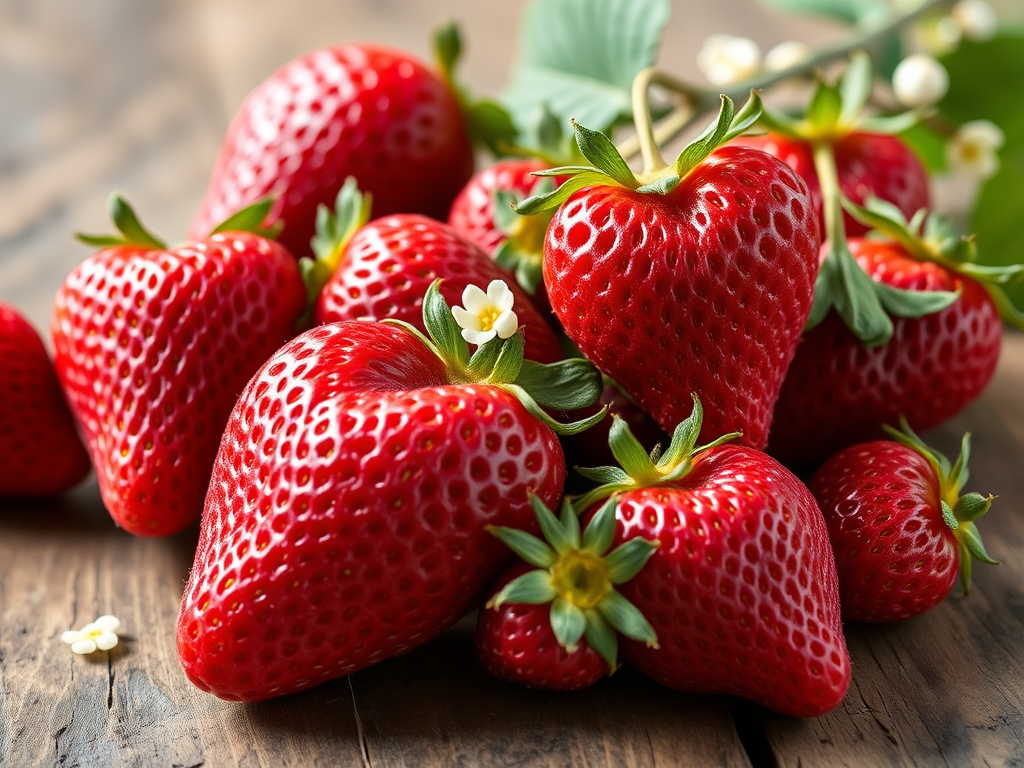
The Quinault strawberry is a large, sweet, everbearing strawberry variety believed to have originated with the Quinault Indian Nation in Washington State. Indigenous communities cultivated and valued it for food and cultural practices long before horticulturists formally recognized it. It entered commercial cultivation in the late 20th century, prized for its flavor, size, and ease of propagation, and today it is widely grown in farms and home gardens for fresh eating, preserves, and desserts.
🍓 What is the Quinault Strawberry?
🌱 🌿 Indigenous Roots
Long before horticultural science, the Quinault Indian Nation tended the land along Washington’s Pacific coast, where strawberries grew wild and abundant. For the Quinault people, strawberries were more than food—they were symbols of renewal and sweetness, appearing in early summer as a gift from the earth. Gathered fresh, dried for winter, or shared in ceremonies, they carried the taste of community and continuity.
🍓 Fruit Characteristics
- Size & Shape: Quinault strawberries are large (up to 2 inches in diameter) and heart-shaped, which is unusually big for an everbearing type.
- Color & Flesh: They ripen to a deep red color with soft, juicy flesh that is sweet but not mushy.
- Flavor Profile: Sweet, low-acid, with a hint of tartness—ideal for fresh eating, jams, jellies, and desserts.
- Limitations: Because of their soft flesh, they are not well-suited for freezing or long-distance commercial shipping.
📜 Scientific Refinement
In the late 20th century, researchers at Washington State University recognized the potential of this heritage berry. Through careful breeding, they refined the Quinault into an everbearing cultivar—a plant that fruits not once, but multiple times each season. Its large, heart-shaped berries and runner-bearing habit made it unique among strawberries, bridging Indigenous knowledge with modern horticultural science. What began as a tribal treasure became a cultivar celebrated in gardens across the country.
🌼 Growth & Cultivation
- Everbearing Variety: Produces two main crops per year—one in late spring/early summer and another in fall. Under ideal conditions, a third crop is possible.
- Unique Runner Behavior: Unlike most everbearing strawberries, Quinault plants produce vigorous runners that also bear fruit, making them excellent for container gardening and spreading patches.
- Plant Size: Grows 8–10 inches tall and 18–24 inches wide, draping attractively over planter edges.
- Climate Adaptability: Perennial in USDA zones 4–8, frost-hardy with mulch protection.
🧑🌾 Disease Resistance
- More resistant than many varieties, but still vulnerable to verticillium wilt, angular leaf spot, and anthracnose.
- Certified disease-free plants are recommended to avoid crop loss.
🍴 Culinary Uses
Today, the Quinault strawberry shines in kitchens and celebrations:
- Fresh eating: Its sweetness makes it perfect for summer gatherings, eaten straight from the vine.
- Preserves: Soft flesh lends itself to jams and jellies, echoing Indigenous traditions of preservation.
- Desserts: From strawberry shortcake to ceremonial pies, it embodies festive abundance.
- Symbolism: In culinary storytelling, it represents heritage meeting innovation, a fruit that carries both ancestral memory and modern delight.
The Quinault strawberry’s journey—from tribal fields to research plots, from sacred fruit to garden favorite—is a story of continuity. It reminds us that food is never just sustenance; it is heritage, science, and celebration intertwined. To serve Quinault strawberries at a table is to honor both the Indigenous wisdom that first nurtured them and the scientific care that carried them forward.
✅ Summary
The Quinault strawberry is a modern, everbearing cultivar bred for large, sweet fruit and reliable yields. Developed at Washington State University, it stands out for its unique runner-fruiting ability, making it especially valuable for home gardeners and small-scale growers. While not ideal for freezing or commercial shipping, it shines in fresh eating and homemade preserves, embodying the balance of flavor, beauty, and practicality.
📜 🌿 Indigenous Origins
- The Quinault Indian Nation, a sovereign tribe in Washington’s Pacific Northwest, has lived in deep connection with the land for thousands of years.
- Strawberries were part of their seasonal food traditions, valued for sweetness, nutrition, and symbolic meaning.
- The Quinault people cultivated and harvested strawberries, recognizing their unique qualities—large size, sweetness, and abundant runners.
- Knowledge of cultivation and propagation was passed down orally and through practice, embedding strawberries into cultural and ceremonial life.
🌍 Transition to Wider Recognition
- For centuries, the Quinault strawberry remained localized within Native American communities.
- In the late 20th century, horticulturists and commercial growers began to notice the plant’s potential.
- Breeding programs selected for traits such as:
- Larger berry size
- Improved disease resistance
- Higher productivity
- This marked the shift from a tribal heritage plant to a recognized cultivar in broader agriculture.
🧑🔬 Scientific & Agricultural Development
- Researchers at institutions like Washington State University helped refine the Quinault strawberry into a reliable everbearing variety.
- Unlike many traditional strawberries, Quinault plants produce vigorous runners that also bear fruit, a trait that fascinated breeders and gardeners alike.
- By the late 20th century, Quinault strawberries were introduced into commercial farms and home gardens, spreading beyond their Indigenous origins.
🍓 Modern Legacy
- Today, Quinault strawberries are celebrated for their large, sweet berries and ease of cultivation.
- They remain a living link between Indigenous agricultural traditions and modern horticulture, embodying both cultural heritage and scientific innovation.
- Their story highlights how Native knowledge shaped the foundation of a fruit now enjoyed worldwide.
- Indigenous roots: The Quinault strawberry is linked to the Quinault Indian Nation, a Native American tribe in Washington State. The Quinault people cultivated and harvested strawberries for centuries, recognizing their unique qualities.
- Commercial recognition: It remained largely within Native American communities until horticulturists and growers in the late 20th century began developing it for broader cultivation. Breeding efforts focused on enhancing berry size, disease resistance, and productivity.
🧑🌾 Who First Used It
- Quinault Indian Nation: Indigenous communities were the first to cultivate and use Quinault strawberries, integrating them into food traditions and cultural practices.
- Modern horticulturists: Later, plant breeders and commercial farmers recognized its potential and introduced it to wider agriculture.
🍴 Traditional & Modern Uses
- Food: Consumed fresh, dried, or preserved. Strawberries were a seasonal staple for Indigenous peoples and later became popular in jams, desserts, and beverages.
- Cultural significance: For Native tribes, strawberries were often considered a sacred fruit, symbolizing renewal and connection to the land.
- Commercial agriculture: Today, Quinault strawberries are grown for fresh markets, home gardens, and processed products. Their large size and sweetness make them especially popular among strawberry enthusiasts.
The Quinault strawberry is a Native American–origin variety tied to the Quinault Indian Nation in Washington. First cultivated by Indigenous communities, it was later developed for commercial farming in the 20th century. Its uses span from traditional food and cultural practices to modern agriculture, where it is prized for its flavor, size, and ease of growth.
🍓 Health & Nutrition Benefits of Quinault Strawberries
🌟 Core Nutritional Profile
- Vitamin C powerhouse: One cup provides ~90 mg of vitamin C, more than an orange, helping boost immunity and collagen production.
- Antioxidants: Rich in anthocyanins and polyphenols, which fight oxidative stress and reduce inflammation.
- Folate (Vitamin B9): Supports DNA repair and is especially important during pregnancy.
- Fiber: Promotes digestive health, satiety, and helps regulate blood sugar.
- Low-calorie & low-glycemic: About 50 calories per cup, with minimal impact on blood sugar—ideal for weight management and diabetes-friendly diets.
💪 Key Health Benefits
- Immune Support: High vitamin C strengthens immune defenses against infections.
- Heart Health: Antioxidants and potassium help lower blood pressure and reduce risk of heart attack.
- Blood Sugar Control: Low glycemic index prevents spikes, making them safe for people with diabetes.
- Anti-Inflammatory & Healing: Vitamin C and antioxidants reduce inflammation and aid wound healing.
- Cancer Protection (potential): Antioxidants may help slow cancer cell growth, though more research is needed.
- Cholesterol Management: Daily consumption may lower LDL (“bad” cholesterol) by up to 13%.
- Brain Health: Early studies suggest improved cognitive function and processing speed.
🍴 Practical Culinary Benefits
- Fresh snacking: Sweet, juicy, and guilt-free.
- Preserves: Excellent for jams and jellies due to natural sweetness.
- Desserts: Perfect for shortcakes, pies, and festive dishes.
- Smoothies & salads: Adds color, flavor, and nutrition.
Quinault strawberries are not only delicious but also a functional food—supporting immunity, heart health, digestion, and overall wellness. Their combination of low calories, high antioxidants, and rich vitamins makes them a perfect heritage fruit for both everyday nutrition and festive culinary storytelling.
🍓 Quinault Strawberry: A Health-Focused Culinary Spotlight
🌿 Nutritional Brilliance
The Quinault strawberry is more than a sweet indulgence—it’s a functional fruit:
- Vitamin C powerhouse → boosts immunity and collagen for skin health.
- Antioxidants (anthocyanins & polyphenols) → fight inflammation and oxidative stress.
- Fiber-rich → supports digestion, satiety, and blood sugar balance.
- Folate (B9) → essential for DNA repair and prenatal health.
- Low-calorie, low-glycemic → ~50 calories per cup, safe for diabetes-friendly diets.
🍴 Culinary Expression: Strawberry Renewal Jam
A recipe concept that honors both heritage and health.
Ingredients:
- 2 cups Quinault strawberries (fresh, hulled)
- 2 tbsp chia seeds (natural thickener, omega-3 boost)
- 1 tbsp honey or maple syrup (optional, gentle sweetness)
- ½ tsp lemon zest (brightens flavor, adds vitamin C synergy)
Method:
- Mash strawberries in a saucepan over low heat until juicy.
- Stir in chia seeds and simmer for 5–7 minutes until thickened.
- Add honey/maple syrup and lemon zest, stir gently.
- Cool and store in a glass jar—keeps for 1 week in the fridge.
Health Spotlight:
- No refined sugar → heart-healthy and diabetes-friendly.
- Chia seeds → add fiber, protein, and omega-3s.
- Vitamin synergy → strawberries + lemon zest enhance antioxidant absorption.
🌟 Ceremonial Resonance
This jam embodies renewal and balance:
- Indigenous roots: strawberries as symbols of sweetness and seasonal renewal.
- Modern science: chia seeds and low-glycemic choices align with wellness trends.
- Festive closure: a jar of jam becomes a ritual gift, nourishing body and spirit.
🚫 Who Should Not Consume Quinault Strawberries
1. People with Strawberry Allergies
- Some individuals are allergic to strawberries, experiencing symptoms like itching, swelling, hives, or even difficulty breathing.
- Allergic reactions are often linked to proteins in strawberries that cross-react with birch pollen (oral allergy syndrome).
2. Individuals Prone to Kidney Stones
- Strawberries contain oxalates, which can contribute to kidney stone formation in susceptible people.
- Those with a history of calcium oxalate stones may need to moderate intake.
3. People with Sensitive Stomachs or IBS
- The fiber and fructose in strawberries can cause bloating, gas, or discomfort in individuals with irritable bowel syndrome (IBS) or fructose malabsorption.
4. Patients on Certain Medications
- Blood thinners (e.g., warfarin): Strawberries are rich in vitamin K, which can interfere with medication balance.
- Beta-blockers: High potassium levels in strawberries may be problematic for those with kidney dysfunction.
5. Infants Under 1 Year
- Strawberries are acidic and may cause diaper rash or irritation in very young children.
- They are also a common allergen, so introduction should be cautious.
6. Diabetes Patients (in excess)
- While strawberries are low-glycemic, consuming them with added sugar (like syrups or desserts) can spike blood glucose.
- Moderation is key, especially in processed forms.
Safe Enjoyment Tips
- Wash thoroughly to remove pesticides.
- Enjoy fresh or minimally processed for maximum nutrition.
- Pair with protein or healthy fats (like yogurt or chia seeds) to balance blood sugar.
In summary: Quinault strawberries are safe and beneficial for most people, but those with allergies, kidney stone risk, IBS, certain medications, or infants should be cautious. Moderation and mindful preparation ensure their health benefits shine without risk.
🍓 Quinault Strawberry: Ceremonial Closure
The Quinault strawberry’s journey—from Indigenous cultivation by the Quinault Indian Nation, through scientific refinement at Washington State University, to its place in modern gardens and kitchens—is a story of heritage, health, and celebration.
It is more than a fruit:
- A symbol of renewal in Indigenous traditions.
- A scientific success in breeding everbearing varieties.
- A nutritional ally, rich in vitamin C, antioxidants, and fiber.
- A festive ingredient, shining in jams, desserts, and ceremonial meals.
Yet, mindful respect is part of the ritual: those with allergies, kidney stone risk, IBS, or certain medications should consume with care. In this balance of joy and precaution, the Quinault strawberry becomes a living bridge between heritage and wellness.
To serve it at your table is to honor both the ancestral wisdom that nurtured it and the modern science that carried it forward.
The Quinault strawberry originates from the Quinault Indian Nation in Washington State and was later refined into a cultivar by Washington State University researchers. It is valued for its large, sweet, everbearing fruit and its nutritional benefits (vitamin C, antioxidants, fiber).
📚 Sources Used
Here are the authoritative references grounding the Quinault strawberry’s history, cultivation, and health benefits:
- Origin & Indigenous Roots: The Quinault strawberry plant traces back to the Quinault Indian Nation, where it was cultivated and harvested for centuries before horticulturists recognized its potential.
- Scientific Development: The Quinault variety was developed at Washington State University as an everbearing cultivar producing two crops per year.
- Cultivation & Characteristics: Quinault strawberries are known for their large, heart-shaped berries, vigorous runners, and disease resistance, making them popular in home gardens.
- Nutritional Benefits: Quinault strawberries are low-calorie (~50 per cup), high in vitamin C, antioxidants, and fiber, supporting immunity, digestion, and heart health.
- Broader Strawberry Genetics: Research from Michigan State University and the University of California, Davis uncovered the complex evolutionary origins of cultivated strawberries, explaining their octoploid genome and breeding potential.
- Evolutionary History: Studies from the University of Florida further traced the polyploid history of strawberries, showing their hybridization across species and continents.
Wrap-Up
The Quinault strawberry is both a heritage fruit and a scientific cultivar—rooted in Indigenous traditions, refined by modern horticulture, and celebrated today for its flavor, nutrition, and festive resonance. By sharing its story with sources, you honor both the ancestral wisdom and the scientific clarity that make this berry a living bridge between past and present.
 EJADA
EJADA 
Leave a comment