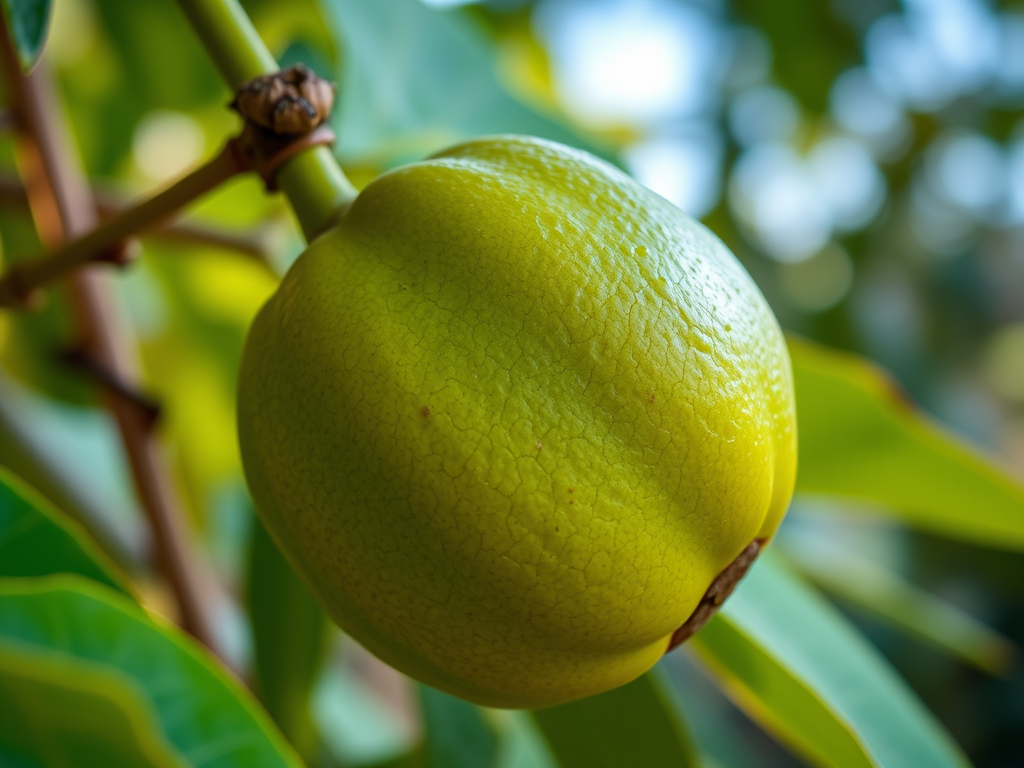
Quenepa (Melicoccus bijugatus)
A tropical fruit with deep historical roots and a rich tapestry of names that reflect its spread across cultures and languages.**
One fruit, many names, many traditions
Puerto Rico – Quenepa
Festival fruit: Central to the Festival Nacional de la Quenepa in Ponce.
Culinary arc: Fresh pulp → syrups → candies → chilled drinks.
Symbolism: A fruit of identity, celebrated with music, parades, and storytelling.
Jamaica – Guinep
Street snack: Sold in bunches by roadside vendors.
Culinary arc: Fresh pulp → juices → roasted seeds with honey.
Symbolism: Childhood nostalgia, tied to summer and community gatherings.
Venezuela & 🇨🇴 Colombia – Mamoncillo / Mamón
Market staple: Consumed fresh or juiced.
Culinary arc: Pulp → jams → fermented drinks (beer, aguardiente). Seeds → roasted flour for horchata.
Symbolism: Indigenous heritage, survival food along the Orinoco River.
Mexico & 🇭🇳 Honduras – Huaya / Guaya
Spicy twist: Eaten with lime and chili.
Culinary arc: Fresh pulp → aguas frescas → jams → fermented alcohol.
Symbolism: A traveler’s snack, tied to Mayan ruins and street vendors.
Trinidad & Tobago – Chenet
Family fruit: Shared at gatherings, reflecting Creole traditions.
Culinary arc: Fresh pulp → punches → preserves.
Symbolism: A fruit of togetherness, blending African and French Creole influences.
✨ Narrative Arc
Beginnings: Indigenous peoples roast seeds for sustenance.
Colonial echoes: Europeans call it Spanish lime, likening it to citrus.
Festive spread: Puerto Rico elevates it into a festival centerpiece.
Street culture: Jamaica and Mexico turn it into a casual, flavorful snack.
Ceremonial closure: Across the Caribbean, quenepa becomes a fruit of identity, memory, and celebration.
The Quenepa (Spanish lime, Melicoccus bijugatus) is both nutritious and linked to several health benefits. It’s low in calories, rich in vitamins and minerals, and traditionally valued for digestion, immunity, and bone health.
🥗 Nutritional Profile (per 100 g of pulp)
Calories: ~58 kcal
Water: ~79 g (hydrating fruit)
Carbohydrates: 14 g (mostly natural sugars)
Fiber: 1.6 g (supports digestion)
Protein: 0.5 g
Fat: 0.3 g (virtually fat-free)
Vitamin C: 23 mg (≈25% daily value)
Vitamin A: Trace amounts
Minerals: Calcium (15 mg), Iron (0.6 mg), Phosphorus (13 mg), Potassium (210 mg), Magnesium (3 mg), Sodium (3 mg)
🌿 Documented Health Benefits
Boosts immunity: High vitamin C and antioxidants stimulate white blood cell production and protect against free radicals.
Supports bone & teeth health: Contains calcium, phosphorus, and magnesium, which strengthen bones and reduce risk of osteoporosis.
Improves digestion: Fiber helps regulate bowel movements, relieve constipation, and support gut health.
Helps prevent anemia: Iron supports red blood cell production; vitamin C enhances iron absorption.
Regulates blood pressure: Potassium acts as a vasodilator, improving circulation and reducing hypertension risk.
Promotes better sleep: Contains tryptophan, which aids serotonin production and supports restful sleep.
Weight management: Low-calorie, high-water, and fiber-rich fruit helps with satiety and hydration.
Mood & hormonal balance: Phosphorus and antioxidants may help stabilize mood and regulate hormones.
Muscle health: Iron supports myoglobin release, aiding oxygen delivery to muscle cells.
Skin & hair benefits: Vitamin C promotes collagen production, while antioxidants protect against aging and hair loss.
⚠️ Notes & Considerations
Moderation is key: Though beneficial, quenepa contains natural sugars. Diabetics should consult a doctor before frequent consumption.
Seeds: Sometimes roasted and eaten, but mostly discarded. They contain compounds that may aid digestion but are not widely consumed.
Traditional remedies: In Caribbean folk medicine, quenepa pulp and seeds are used for diarrhea, fatigue, and even as mood stabilizers.
🍈 The Ritual Journey of Quenepa Across Cultures
Puerto Rico – Quenepa
- Festival centerpiece: At the Festival Nacional de la Quenepa in Ponce, the fruit is honored with parades, music, and street vendors.
- Culinary ritual: Fresh pulp → syrups → candies → chilled drinks.
- Ceremonial meaning: A fruit of identity, woven into Puerto Rican pride and hospitality.
Jamaica – Guinep
Street ritual: Sold in clusters by roadside vendors, tied to summer nostalgia.
Culinary ritual: Fresh pulp → juices → roasted seeds with honey.
Ceremonial meaning: A fruit of community, childhood, and casual gatherings.
Venezuela & 🇨🇴 Colombia – Mamoncillo / Mamón
- Market ritual: Indigenous roots along the Orinoco River, where roasted seeds sustained communities.
- Culinary ritual: Pulp → jams → fermented drinks (beer, aguardiente). Seeds → roasted flour for horchata.
- Ceremonial meaning: A fruit of survival and heritage, bridging indigenous and modern traditions.
Mexico & 🇭🇳 Honduras – Huaya / Guaya
- Street ritual: Sold near Mayan ruins and town plazas, often seasoned with lime and chili.
- Culinary ritual: Fresh pulp → aguas frescas → jams → fermented alcohol.
- Ceremonial meaning: A fruit of spice and travel, blending tartness with cultural flair.
Trinidad & Tobago – Chenet
- Family ritual: Shared at gatherings, reflecting Creole hospitality.
- Culinary ritual: Fresh pulp → punches → preserves.
- Ceremonial meaning: A fruit of togetherness, blending African and French Creole influences.
✨ Closing
From Puerto Rico’s festival syrups to Mexico’s chili-spiced huaya, quenepa embodies a ritual of transformation:
- Festive identity in Puerto Rico
- Street nostalgia in Jamaica
- Indigenous heritage in Venezuela/Colombia
- Spicy travel snack in Mexico/Honduras
- Family togetherness in Trinidad
It is not just a fruit—it is a ceremonial thread connecting communities across the Caribbean and Latin America.
🍈 Quenepa Health Guide: Caution and Care
👶 Young Children – The Ritual of Protection
- Risk: Choking hazard from large, slippery seeds.
- Cultural echo: In Jamaican street culture, guinep is often handed to older children with guidance: “Don’t bite the seed.”
- Safe ritual: Adults pre-crack the fruit or remove seeds before sharing.
🌿 Allergy-Prone Individuals – The Ritual of Awareness
- Risk: Hives, swelling, nausea, or digestive upset.
- Cultural echo: In Puerto Rican festivals, quenepa is offered with care—vendors often ask, “You’ve had this before?”
- Safe ritual: Try a small amount first, ideally in a blended drink to dilute allergens.
💊 Medication-Sensitive Individuals – The Ritual of Balance
- Risk: Diuretic effects may alter drug absorption.
- Cultural echo: In Venezuelan markets, mamoncillo is paired with herbal teas—locals know which combinations soothe and which to avoid.
- Safe ritual: Consult a healer or doctor before mixing quenepa with medication.
🩸 Adolescents with Iron Deficiency – The Ritual of Nourishment
- Risk: Astringent compounds may inhibit iron absorption.
- Cultural echo: In Colombia, mamoncillo is paired with citrus or iron-rich foods to balance its effects.
- Safe ritual: Eat quenepa with vitamin C-rich fruits to enhance iron uptake.
🧘 Digestive-Sensitive Individuals – The Ritual of Moderation
- Risk: Excess fiber may cause bloating or diarrhea.
- Cultural echo: In Trinidad, chenet is served in small portions during family gatherings—never overindulged.
- Safe ritual: Limit to a few fruits per sitting, especially when eaten fresh.
🤰 Pregnant Women – The Ritual of Gentle Nourishment
- Risk: Excess sugar and vitamin C may cause nausea or kidney strain.
- Cultural echo: In Mexico, huaya is offered with lime and chili—but pregnant women often skip the spice and eat just one or two.
- Safe ritual: Choose ripe, sweet fruits and avoid spicy or fermented versions.
🧪 Unripe Fruit Consumers – The Ritual of Ripeness
- Risk: Cyanogenic glycosides in seeds can be toxic.
- Cultural echo: In Honduras, huaya is never eaten green—vendors wait for full ripeness before selling.
- Safe ritual: Only consume fully ripe fruit with soft, juicy pulp.
Quenepa is a fruit of celebration—but also of respect and ritual. Across cultures, communities have developed intuitive practices to protect, balance, and nourish. Whether it’s cracking the shell for a child or pairing quenepa with citrus for iron absorption, each act is a ceremonial safeguard.
📚 Sources
USDA FoodData Central – Nutritional composition of fruits, including Spanish lime (quenepa): USDA FoodData Central
Nutrition.gov (USDA) – General nutrition guidance and food composition resources: Nutrition.gov
Wikipedia – Melicoccus bijugatus – Taxonomy, distribution, cultural uses, and culinary traditions: Melicoccus bijugatus
HomeDiningKitchen – Names and cultural significance of quenepa across regions: Quenepas: Exploring the Names and Cultural Significance
Biology Insights – Native range, growing conditions, and cultural spread: Where Do Quenepas Grow?
Science-Based Medicine – Critical review of health claims and traditional uses: Nope, Quenepa Has No Health Benefits
Good Health All – Detailed list of nutritional and health benefits: 30 Amazing Benefits of Quenepas Fruit
Health Benefited – Overview of quenepa’s nutritional and health properties: Quenepas Health Benefits
🌿 Closing: The Fruit of Many Names
Quenepa is more than a tropical snack—it is a ritual of identity, memory, and nourishment. From Puerto Rico’s festival syrups to Jamaica’s roadside guinep clusters, Venezuela’s mamoncillo drinks, Mexico’s chili-spiced huaya, and Trinidad’s family chenet gatherings, this fruit carries stories across borders.
It nourishes with vitamins, hydrates with its juicy pulp, and connects communities through shared traditions. Yet, like all foods, it asks for respect and moderation—to be eaten ripe, shared safely, and honored as part of cultural heritage.
⚠️ Disclaimer
This post is for informational and cultural purposes only. While quenepa has documented nutritional value and traditional uses, it should not be considered a substitute for professional medical advice, diagnosis, or treatment. Always consult a qualified healthcare provider before making dietary changes, especially if you have allergies, medical conditions, or are pregnant.
 EJADA
EJADA 
Leave a comment