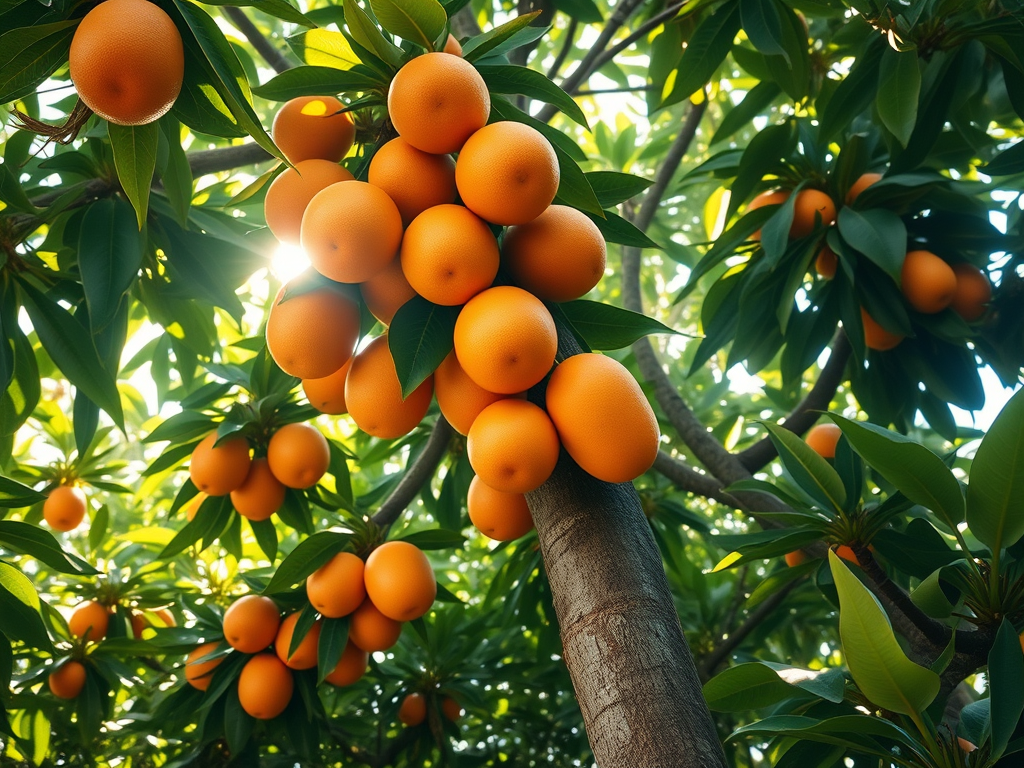
Quararibea Cordata
Quararibea cordata, more commonly known as chupa-chupa or the South American sapote, is a remarkable tropical fruit tree native to the lush rainforests of the Amazon Basin, particularly in regions of Brazil, Colombia, Ecuador, and Peru. This towering tree, which can reach heights of up to 45 meters, belongs to the Malvaceae family (formerly Bombacaceae), a group better known for ornamental and fibrous plants rather than edible fruits. Its presence in the Amazon reflects the deep biodiversity of the region, where indigenous communities have long cultivated and enjoyed its sweet, orange-yellow fruit.
🍊 The Fruit Itself
- Appearance: The fruit is typically round to oval, about the size of a grapefruit, with a thick rind and 2–5 large seeds.
- Flavor: The pulp is soft, juicy, and sweet, often described as a blend of mango, cantaloupe, and pineapple.
- Uses: Traditionally eaten fresh, but also used in juices, smoothies, and desserts. Its rich pulp makes it ideal for ice creams and festive drinks.
📜 Botanical Discovery
The species was first scientifically described in the early 19th century by the French botanist and explorer Aimé Bonpland, who named it Matisia cordata.
Bonpland, a close collaborator of Alexander von Humboldt, was renowned for cataloging South American flora during their expeditions. His classification highlighted the fruit’s unique qualities within a family not typically associated with edible produce.
Later, the tree was reclassified under the genus Quararibea, giving rise to its current scientific name: Quararibea cordata (Bonpl.) Vischer.
🌍 Spread Beyond the Amazon
- For centuries, chupa-chupa remained a regional delicacy, little known outside its native range.
- In 1964, American horticulturist Bill Whitman introduced the fruit to Florida after obtaining seeds from Peru, marking its entry into North American cultivation.
- Despite this effort, the fruit has not achieved widespread commercial success internationally, largely due to its delicate nature and limited shelf life.
✨ Cultural & Scientific Importance
- In Amazonian communities, chupa-chupa is valued not only for its taste but also for its nutritional richness, providing vitamins and energy in tropical diets.
- Botanically, it is significant as one of the few members of the hibiscus family that produces a highly desirable edible fruit, standing alongside rarities like durian.
- Its story reflects the broader theme of Amazonian biodiversity—plants deeply integrated into local cultures yet still awaiting global recognition.
Quararibea cordata (chupa-chupa) is a towering Amazonian fruit tree producing sweet, mango-like fruits. First described by Aimé Bonpland in the early 1800s as Matisia cordata, it was later reclassified under Quararibea. Though beloved in South America, its introduction abroad—most notably to Florida in 1964—has not led to widespread cultivation. Today, it remains a symbol of Amazonian abundance, blending botanical rarity with cultural tradition.
When Quararibea cordata (chupa-chupa) was first described in the early 19th century, it was recognized primarily as a nutritious fruit rather than a formal medicine. Indigenous Amazonian communities, however, had long used it for traditional health benefits—mainly as a source of energy, hydration, and relief for digestive discomfort. Early botanical records noted its dual role as food and medicine, but detailed pharmacological studies came much later.
🌱 Traditional Medicinal Uses
Indigenous peoples of the Amazon valued chupa-chupa for more than its sweet taste:
- Digestive aid: The soft, fibrous pulp was consumed to ease digestion and relieve mild stomach upset.
- Hydration & energy: Its juicy flesh provided hydration in hot climates and quick energy during long treks.
- Nutritional support: Rich in vitamins A and C, it was seen as strengthening the body and supporting immunity.
- General tonic: Like many tropical fruits, it was considered a “health-giving” food, used to restore strength after illness.
📜 Early Botanical Records
- Aimé Bonpland’s description (early 1800s): When Bonpland classified the species as Matisia cordata, his focus was botanical rather than medical. He noted its edible qualities and local importance, but did not record detailed medicinal applications.
- Kew Science records: Modern botanical databases confirm that the tree has been used both for food and medicine in its native range.
- Local ethnobotany: Communities in Ecuador and Peru traditionally used the fruit pulp as a mild remedy for fatigue and digestive issues, though these practices were passed orally rather than formally documented in early European texts.
🌍 Later Recognition
1960s Florida introduction: In 1964, American horticulturist Bill Whitman, a pioneer in tropical fruit cultivation, obtained seeds from Peru and successfully grew Quararibea cordata in Florida. This marked the fruit’s first documented introduction outside South America.
Experimental cultivation: Whitman’s efforts inspired other tropical fruit enthusiasts to experiment with growing chupa-chupa in subtropical regions, though its sensitivity to climate limited widespread success.
Botanical reclassification: Around this time, the species was formally reclassified from Matisia cordata to Quararibea cordata (Bonpl.) Vischer, reflecting advances in plant taxonomy.
🍊 Nutritional & Medicinal Interest
Nutritional studies: Later 20th-century research highlighted its high vitamin A and C content, antioxidants, and dietary fiber, aligning with traditional Amazonian uses for vitality and digestion.
Medicinal recognition: While not a mainstream medicinal plant, ethnobotanical surveys documented its use as a digestive aid, energy booster, and general tonic in indigenous communities.
Scientific curiosity: Researchers began to note its potential as a “functional food,” though it never achieved the global profile of fruits like acai or guava.
📈 Modern Awareness
Rare fruit markets: In recent decades, chupa-chupa has appeared occasionally in specialty fruit markets in Europe and North America, often celebrated by tropical fruit collectors.
Conservation & biodiversity: Its recognition has grown in the context of Amazonian biodiversity conservation, with botanists emphasizing its cultural and ecological importance.
Culinary revival: Chefs and food writers have spotlighted it as a “lost Amazonian treasure”, praising its unique flavor profile and potential for gourmet desserts and juices.
✨ Why It Matters
Chupa-chupa’s later recognition reflects a broader trend: local Amazonian fruits gaining global attention as both culinary delicacies and biodiversity symbols.
Unlike acai or passionfruit, it remains relatively obscure, but its story highlights the intersection of indigenous knowledge, botanical science, and modern horticultural exploration.
After Aimé Bonpland’s early 19th-century description, Quararibea cordata remained a regional Amazonian fruit until the mid-20th century, when Bill Whitman introduced it to Florida. Later recognition focused on its nutritional richness, ethnobotanical uses, and potential as a functional food, though it never became a global commodity. Today, it is celebrated in niche horticultural circles and conservation efforts as a rare Amazonian fruit with cultural and scientific significance.
🍊 Vitamin & Nutritional Profile
The fruit pulp is not only delicious but also nutritionally rich:
- Vitamin A (beta-carotene):
- Supports eye health, skin regeneration, and immune function.
- The orange-yellow color of the pulp reflects its carotenoid content.
- Vitamin C:
- Boosts immunity, aids collagen production, and enhances iron absorption.
- Traditionally valued in the Amazon as a “strength-giving” fruit.
- Dietary Fiber:
- Promotes healthy digestion and prevents constipation.
- Indigenous communities often consumed it to ease stomach discomfort.
- Natural Sugars & Energy:
- Provides quick energy, making it a popular fruit for hydration and stamina in tropical climates.
- Other nutrients:
- Contains small amounts of calcium, phosphorus, and iron.
- Antioxidants contribute to overall vitality and protection against oxidative stress.
🍽️ Culinary Uses
Chupa-chupa is versatile in the kitchen, especially in tropical and festive settings:
- Eaten fresh:
- The pulp is scooped out and eaten directly, much like mango or papaya.
- Often chilled for a refreshing treat in hot climates.
- Juices & Smoothies:
- Blended into drinks for a sweet, tropical flavor.
- Sometimes mixed with lime or passionfruit for balance.
- Desserts:
- Used in ice creams, sorbets, and custards.
- Incorporated into cakes, pastries, and festive puddings.
- Festive drinks:
- In Amazonian communities, pulp is mixed with milk or water to create celebratory beverages.
- Culinary comparisons:
- Flavor often described as a blend of mango, cantaloupe, and pineapple, making it ideal for tropical fruit salads.
Chupa-Chupa Tropical Cream (Amazonian Dessert-Drink)
Ingredients
- 2 ripe chupa-chupa fruits (pulp scooped out, seeds removed)
- 1 cup cold milk (or coconut milk for a richer, dairy-free version)
- 2 tbsp honey or cane sugar (adjust to taste)
- 1 tsp fresh lime juice (balances sweetness)
- ½ tsp vanilla extract (optional, for depth)
- Crushed ice (about 1 cup)
- Garnish: mint leaves or toasted coconut flakes
Instructions
- Prepare the fruit:
- Cut the chupa-chupa in half, scoop out the pulp, and discard the seeds.
- Place pulp in a blender.
- Blend the base:
- Add milk (or coconut milk), honey, lime juice, and vanilla.
- Blend until smooth and creamy.
- Add ice:
- Toss in crushed ice and blend again for a frosty texture.
- Serve:
- Pour into chilled glasses.
- Garnish with mint leaves or sprinkle toasted coconut flakes on top.
🌟 Culinary Notes
- Flavor profile: Sweet, tropical, creamy, with a refreshing citrus lift.
- Variations:
- Freeze the mixture into popsicles for a festive summer treat.
- Add a splash of rum for an adult Amazonian cocktail.
- Use yogurt instead of milk for a smoothie-style breakfast.
A creamy, refreshing drink-dessert that celebrates the Amazonian roots of chupa-chupa while making it accessible for festive gatherings.
✨ Cultural Note
In its native Amazon, chupa-chupa is both a daily fruit and a ceremonial food, enjoyed during gatherings and valued for its nourishing qualities. Its culinary uses reflect its dual role as a practical staple and a festive delicacy.
Quararibea cordata is rich in vitamins A and C, fiber, and antioxidants, making it both a nutritious and medicinally valued fruit. Culinary uses range from fresh eating to juices, desserts, and festive drinks, with a flavor profile that blends tropical sweetness and richness.
⚠️ Precaution
While chupa-chupa is generally safe and enjoyed widely in the Amazon, it’s important to consume it in moderation. The fruit is naturally sweet and fibrous, which may cause mild digestive discomfort if eaten in excess. As with any tropical fruit, individuals with food sensitivities or allergies should try small amounts first. Always ensure the fruit is fully ripe before consumption, as unripe pulp can be less palatable and harder to digest.
📜 Disclaimer
This post is intended for informational and culinary storytelling purposes only. It does not provide medical advice, diagnosis, or treatment. Nutritional and traditional uses of Quararibea cordata are based on cultural practices and general knowledge, not clinical evidence. For personalized dietary or health guidance, please consult a qualified healthcare professional.
✨ “May the golden sweetness of chupa-chupa remind us that every fruit carries both nourishment and story—offered with care, received with gratitude, and shared in celebration of life’s abundant harvest.”
 EJADA
EJADA 
Leave a comment