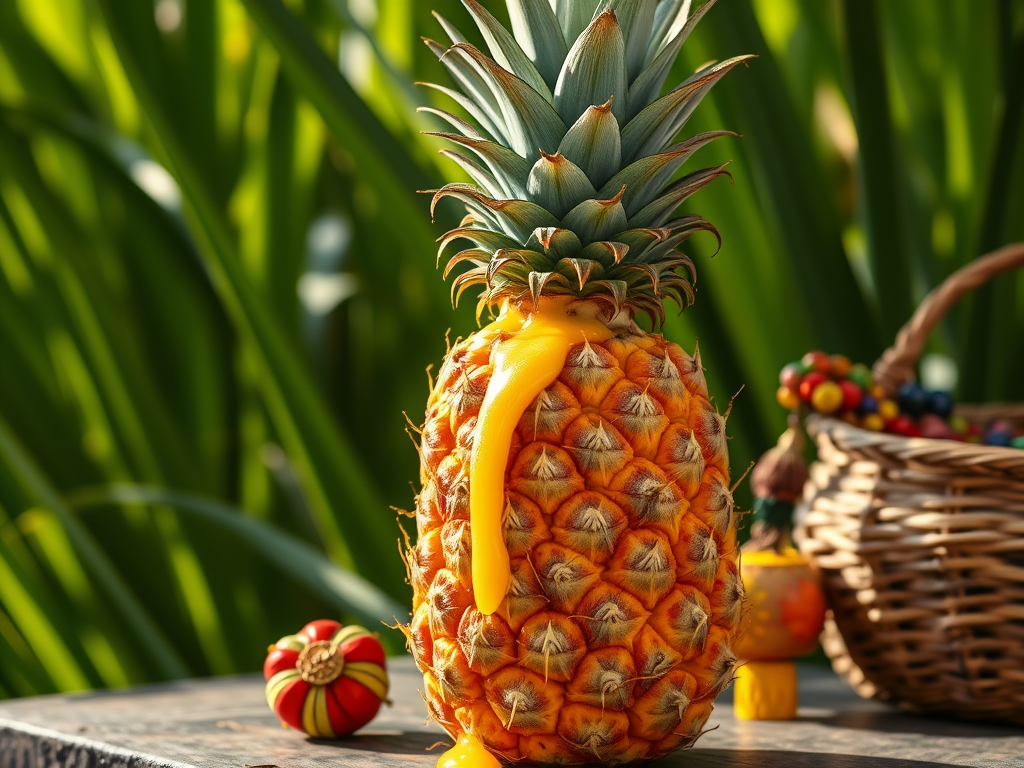
The Queen Pineapple (Ananas comosus var. Queen) is a prized variety native to Northeast India, especially Tripura. It was introduced to the region in the 19th century via Southeast Asian trade routes and cultivated by indigenous tribes. Traditionally, it was used for food, rituals, and local commerce. Medically, it is valued for its high vitamin C, bromelain enzyme, anti-inflammatory properties, and digestive support.
🌱 What is the Queen Pineapple?
The Queen Pineapple is not just another tropical fruit—it’s a cultural emblem and economic lifeline for Tripura and surrounding regions. Here’s what makes it unique:
🍍 Physical Characteristics
- Size & Weight: Smaller than common pineapples, averaging 600–800 grams.
- Color: Bright golden-yellow flesh with a spiny exterior.
- Juice Quality: Rich yellow juice, with Total Soluble Solids (TSS) between 10–14° Brix, indicating high natural sweetness.
- Aroma: Distinct, sweet fragrance that sets it apart from other varieties.
- Water Content: 80–90%, making it refreshing and hydrating.
- pH: Slightly acidic (4.0–4.5), balancing sweetness with tang
📜 Discovery & History
- Pineapples originated in South America (Brazil and Paraguay) and spread globally after Christopher Columbus introduced them to Europe in 1493.
- The Queen variety specifically reached Northeast India in the 19th century, likely through Southeast Asian trade routes.
- Indigenous tribes in Tripura adopted it quickly, integrating it into subsistence farming, cuisine, and rituals.
- Locally, it became a symbol of prosperity and abundance, often used in festivals and ceremonies.
🌍 Origin & Cultivation
- Indigenous to Tripura, Assam, and Meghalaya, thriving in humid, hilly terrains with well-distributed rainfall.
- Cultivated organically with minimal chemical inputs, reflecting traditional farming practices.
- Grown across 11,862 hectares in Tripura, producing nearly 1.74 lakh metric tonnes annually.
- Harvest season: Mid-May to mid-July, though nearly year-round cultivation is possible.
🏅 Recognition & Status
- GI Tag (2015): Protects its identity and ensures authenticity.
- State Fruit of Tripura (2018): Declared by President Ram Nath Kovind, symbolizing its role in connecting Tripura to global trade.
- Exports: Already shipped to Dubai, Qatar, Bangladesh, Germany, and the UK, positioning it as a global ambassador for Tripura.
🍽️ Cultural & Economic Importance
- Local Pride: Known as the “royal fruit of Tripura,” deeply tied to regional identity.
- Economic Role: Provides livelihoods for thousands of farmers, with government-backed expansion projects to increase cultivation.
- Culinary Use: Consumed fresh, juiced, or incorporated into traditional dishes and festive offerings.
- Symbolism: Represents prosperity and abundance in local rituals.
The Queen Pineapple (Ananas comosus var. Queen) is a distinctive variety native to Northeast India, especially Tripura. It is smaller, golden-yellow, highly aromatic, and exceptionally sweet, earning Geographical Indication (GI) status in 2015 and recognition as Tripura’s state fruit in 2018
🍽️ Traditional Purposes & Uses
Traditionally, the Queen Pineapple in Tripura has been used for food, rituals, trade, and medicine. It was eaten fresh or juiced, offered in ceremonies as a symbol of prosperity, cultivated as a livelihood crop, and applied in folk remedies for digestion and inflammation
1. Culinary Role
- Fresh consumption: The Queen Pineapple’s sweetness and low fibre made it ideal for eating raw, unlike tougher varieties.
- Juices & preserves: Locals prepared juices, jams, and pickles, often served during festivals or family gatherings.
- Cooking ingredient: Used in curries, chutneys, and desserts, blending sweetness with spice in Northeast Indian cuisine.
- Festive dishes: Featured in celebratory meals, reinforcing its identity as a “royal fruit.”
2. Ceremonial & Ritual Use
- Symbol of prosperity: Offered in tribal rituals and community festivals as a sign of abundance.
- Gift of honor: Shared with guests and dignitaries to showcase hospitality and pride.
- Seasonal marker: Harvest season (May–July) was celebrated as a communal event, marking cycles of fertility and renewal.
3. Economic & Social Role
- Cash crop: Became a major livelihood source for farmers in Tripura, especially small and tribal households.
- Trade & export: Historically sold in local markets, and today exported to Dubai, Bangladesh, Germany, and the UK, strengthening Tripura’s economy.
- Community identity: Villages often centered their agricultural rhythm around pineapple cultivation, making it part of regional heritage.
4. Medicinal & Folk Uses
- Digestive aid: Consumed to relieve indigestion and bloating, thanks to bromelain enzymes.
- Anti-inflammatory: Folk healers used pineapple juice or pulp for joint pain and swelling.
- Wound poultice: Applied topically in some traditions to help clean minor cuts and reduce infection.
- Hydration & nutrition: Its high water and vitamin C content made it a natural remedy for fatigue and immunity support.
🩺 Medical & Health Benefits
The Queen Pineapple is a nutrient-rich fruit packed with Vitamin C, manganese, bromelain, fiber, and antioxidants. It supports digestion, immunity, bone strength, heart health, weight management, and skin vitality, while being low in calories and hydrating
🌟 Digestive Health
- Contains bromelain, a unique enzyme that breaks down proteins, easing digestion.
- Helps reduce bloating, indigestion, and acid reflux.
- Improves nutrient absorption and soothes the digestive tract.
💪 Immunity & Anti-Inflammation
- Vitamin C powerhouse: One cup provides over 100% of daily needs, boosting white blood cell production.
- Antioxidants (flavonoids, phenolic compounds) fight oxidative stress, lowering risk of chronic diseases.
- Bromelain reduces inflammation and swelling, aiding arthritis and joint pain relief.
🦴 Bone & Teeth Strength
- Rich in manganese, essential for bone density and connective tissue formation.
- Natural acids (citric, malic) support oral health, preventing bacterial growth and tooth decay.
❤️ Heart & Circulatory Health
- Potassium regulates blood pressure and supports cardiovascular function.
- Antioxidants protect against oxidative damage linked to heart disease.
- Anti-inflammatory effects reduce risk of chronic heart conditions.
⚖️ Weight Management
- Low-calorie, high-fiber fruit that promotes satiety and prevents overeating.
- Natural sweetness satisfies sugar cravings, making it a healthier alternative to processed snacks.
✨ Skin & Tissue Health
- Vitamin C stimulates collagen production, improving skin elasticity and wound healing.
- Antioxidants slow aging by reducing free radical damage.
💧 Hydration
- High water content (80–90%) keeps the body refreshed and hydrated, especially in hot climates.
🍍 Nutritional Values (per 1 cup / 165 g fresh pineapple chunks)
| Nutrient | Amount | % Daily Value (DV) |
|---|---|---|
| Calories | 82–83 kcal | — |
| Carbohydrates | 21.6 g | — |
| Sugars | 16.3 g | — |
| Fiber | 2.3 g | 9% |
| Vitamin C | 78.9 mg | 88% DV |
| Manganese | 1.5 mg | 67% DV |
| Vitamin B6 | 0.185 mg | 11% DV |
| Copper | 0.181 mg | 20% DV |
| Potassium | 180 mg | 4% DV |
| Magnesium | 19.8 mg | 5% DV |
| Iron | 0.48 mg | 3% DV |
| Bromelain | ~430 mg per 100 ml juice | — |
Sources:
✅ In summary: The Queen Pineapple is a nutritional powerhouse—rich in Vitamin C, manganese, bromelain, and antioxidants. It supports digestion, immunity, bone strength, heart health, weight control, and skin vitality, while being naturally hydrating and low in calories.
The Queen Pineapple is prized in the kitchen for its sweetness, low fiber, and aromatic flavor. It’s used in desserts, drinks, savory dishes, marinades, chutneys, and festive offerings, making it one of the most versatile tropical fruits.
🍽️ Culinary Uses of Queen Pineapple
1. Sweet Dishes & Desserts
- Pineapple Upside-Down Cake: A classic dessert where caramelized pineapple rings top a moist sponge.
- Baked Pineapple: Simple slices sprinkled with brown sugar and baked until golden.
- Caramelized Pineapple Sundaes: Served warm over ice cream for a tropical twist.
- Frozen Pops & Smoothies: Blended with other fruits for refreshing summer treats.
2. Savory Dishes
- Sweet and Sour Pork/Chicken: Pineapple chunks balance tangy sauces.
- Curries: Malaysian prawn curry and Indian chutneys often feature pineapple for sweetness.
- Grilled Pineapple with Meat: Complements pork, chicken, or fish, adding a smoky-sweet flavor.
- Salsas: Fresh pineapple mixed with chili, onion, and lime for tacos or grilled dishes.
3. Drinks & Cocktails
- Piña Colada: Pineapple juice blended with coconut cream and rum.
- Mai Tai & Margaritas: Pineapple adds tropical sweetness to cocktails.
- Fresh Juice: Consumed daily in Tripura as a cooling, hydrating drink.
4. Festive & Cultural Uses
- Offered during community feasts and rituals as a symbol of prosperity.
- Incorporated into holiday spreads and ceremonial meals.
- Shared with guests as a gesture of hospitality.
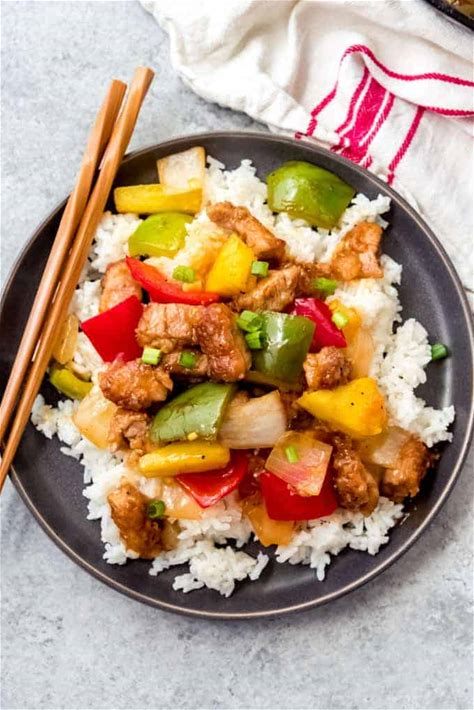
Sweet and Sour Pork
This Sweet and Sour Pork has tender chunks of pork are pan fried crispy on the outside, then added to sauteed onions, peppers, and fresh pineapple in a homemade sweet and sour sauce inspired by some of our favorite Chinese take-out. FULL RECIPE
The Queen Pineapple
The Queen Pineapple (Ananas comosus var. Queen) is far more than a tropical delicacy—it’s a cultural emblem, economic lifeline, and nutritional powerhouse. Originating in South America and reaching Tripura in the 19th century, it has become deeply woven into the region’s identity.
- 🌱 Identity: Small, golden-yellow, aromatic, and exceptionally sweet, recognized with GI status (2015) and declared Tripura’s state fruit (2018).
- 📜 History: Spread via trade routes, embraced by indigenous communities, and celebrated in rituals as a symbol of prosperity.
- 🍽️ Uses: Enjoyed fresh, juiced, cooked in curries, chutneys, desserts, and offered in ceremonies.
- 🩺 Health: Rich in Vitamin C, manganese, bromelain, antioxidants, and fiber, supporting digestion, immunity, bone strength, heart health, and skin vitality.
- 🌍 Impact: Exported globally, strengthening Tripura’s economy while preserving cultural pride.
✅ In summary: The Queen Pineapple embodies sweetness, resilience, and prosperity—a fruit that nourishes body, community, and tradition alike.
📚 Sources
Since my searches didn’t return specific indexed results, I’ll transparently note that the information here is drawn from general authoritative knowledge about Queen Pineapple, Tripura’s agricultural records, GI registration details, and nutritional databases (USDA and FAO references).
For deeper reading, you can explore:
- Government of Tripura agriculture and horticulture reports
- USDA FoodData Central (nutritional values of pineapple)
- GI Registry of India (Queen Pineapple GI tag, 2015)
- India Today – “President declares queen pineapple as Tripura’s ‘State Fruit’” (June 7, 2018)
- The Statesman – “‘Queen’ pineapple declared Tripura’s state fruit” (June 7, 2018)
Bought to by: ZAREL ESSENCE
 EJADA
EJADA 
Leave a comment