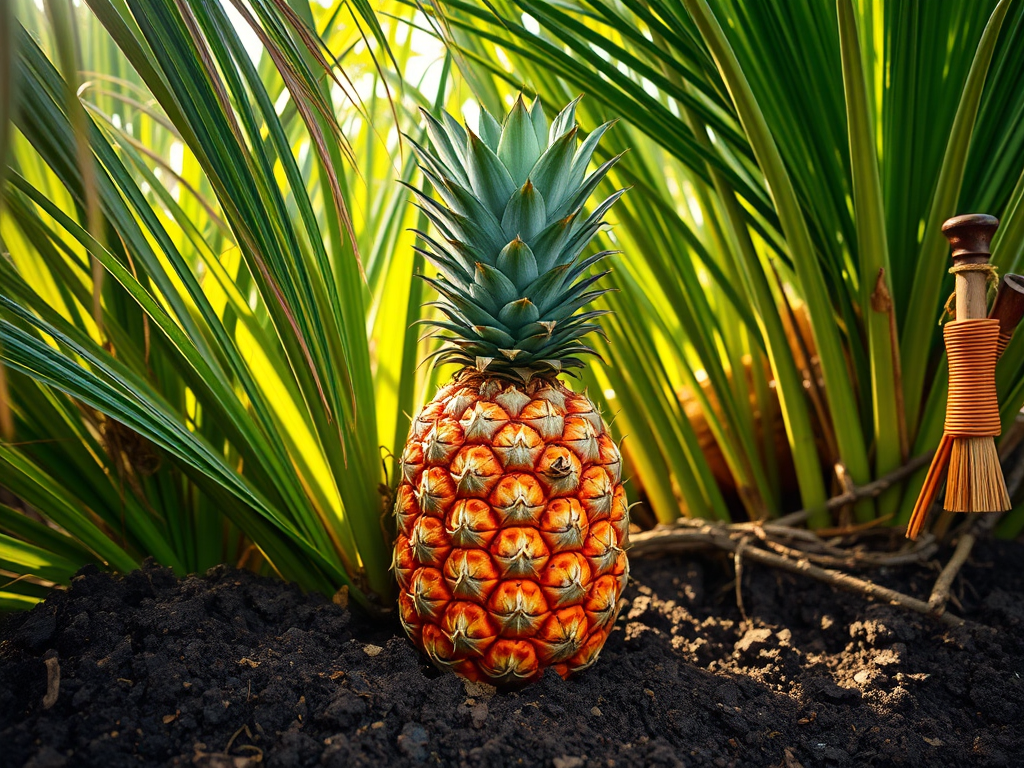
The Queen Tahiti Pineapple (also called Painapo or Moorea Pineapple) was first recorded in Tahiti in 1777 by British explorer Captain James Cook during his voyage logs. Originally native to South America, pineapples were spread globally by Spanish and British explorers. In Tahiti, the Queen Tahiti variety adapted perfectly to the volcanic soils of Moorea Island, becoming one of French Polynesia’s most emblematic crops. It is used for fresh eating, cooking, juicing, jams, rum, sparkling wine (“Brut d’Ananas”), and festive dishes.
📜 Discovery & Origins
Native Range: Pineapples originated in South America, cultivated by the Tupi-Guarani people as early as 2000 BC.
Introduction to Tahiti: Brought by European explorers in the 18th century.
First Record: Captain James Cook’s voyage log (1777) mentions pineapples in Tahiti.
Adaptation: The Queen Tahiti variety thrived in Moorea’s volcanic soil, becoming the island’s signature fruit.
🌱 Cultivation of the Queen Tahiti Pineapple
The Queen Tahiti Pineapple (Painapo) is not just a fruit but a heritage crop of French Polynesia, especially Moorea Island. Its cultivation blends ancestral knowledge, volcanic terroir, and modern practices to produce one of the sweetest pineapples in the world.
🌍 Geographic Setting
Primary Location: Moorea Island, French Polynesia.
Soil: Volcanic, rich in minerals, providing excellent drainage and natural fertility.
Climate: Tropical, with abundant rainfall and consistent warmth — ideal for pineapple growth.
Scale: About 600 acres of farmland dedicated to pineapple cultivation, mostly family-run plots.
🌱 Farming Practices
Traditional Knowledge: Passed down through generations, farmers rely on ancestral techniques for planting, spacing, and harvesting.
Planting: Pineapple crowns or slips are planted in rows, spaced to allow airflow and sunlight.
Maintenance: Minimal irrigation is needed due to natural rainfall; volcanic soil retains moisture well.
Harvest Cycle: Pineapples take 18–24 months to mature. Harvest season runs September to January, peaking in October–December.
Rotation: Fields are rotated to prevent soil depletion and maintain fertility.
🍍 Harvest & Post-Harvest
Manual Harvesting: Done by hand to avoid bruising the delicate fruit.
Selection: Only fully ripe pineapples are picked, ensuring maximum sweetness.
Processing: Fruits are consumed fresh or processed into juice, jam, rum, and sparkling wine (“Brut d’Ananas”).
Local Economy: Pineapple farming supports Moorea’s economy, with products exported and showcased at festivals.
🎉 Cultural Integration
Moorea Pineapple Festival: Celebrates the harvest with tastings, cooking demonstrations, and traditional Ahimaa (underground oven) feasts.
Community Identity: Pineapple cultivation is a source of pride, symbolizing resilience and abundance.
Tourism: Pineapple farms are popular attractions, offering tours and tastings to visitors.
Summary
Cultivation of the Queen Tahiti Pineapple is a fusion of tradition and terroir: volcanic soils, tropical climate, and ancestral farming methods create a fruit that is both culturally iconic and globally admired. Its farming sustains local communities, enriches cuisine, and anchors Moorea’s identity as the “Island of Pineapples.”
🍴 Culinary & Cultural Uses
Fresh Eating: Sweet, fragrant, and juicy, eaten raw or in fruit salads.
Cooking: Paired with fish, poultry, pork, rice dishes, and desserts.
Preserves: Made into jam, chutneys, and sauces.
Drinks: Processed into juice, rum, and sparkling wine (“Brut d’Ananas”).
Festivals: Celebrated annually in Moorea’s Pineapple Festival, featuring tastings, wine, and traditional dishes cooked in an Ahimaa (underground oven).
Cultural Snacks: “Bonbon chinois” — pineapple seasoned with vinegar, sugar, and dried plum powder, a nostalgic Polynesian treat.
Sources:
- Chefs de Tahiti – Painapo: The Pineapple
- Specialty Produce – Queen Tahiti Pineapples Information and Facts
- JSTOR – A Noble Present of Fruit: A Transatlantic History of Pineapple Cultivation
🌱 Cultivation Comparison: Queen Tahiti vs. Queen Pineapple
| Aspect | Queen Tahiti Pineapple (Painapo, Moorea, French Polynesia) | Queen Pineapple (Tripura, India) |
|---|---|---|
| Origin / Introduction | Introduced by European explorers in the 18th century; first recorded by Captain James Cook in 1777 | Indigenous to South America, introduced to Tripura in the 19th century via colonial trade |
| Primary Location | Moorea Island, French Polynesia | Tripura state, Northeast India |
| Soil Type | Volcanic soil, rich in minerals, excellent drainage | Lateritic and sandy loam soils, acidic but fertile |
| Climate | Tropical, high rainfall, consistent warmth | Humid subtropical, heavy monsoon rains, warm summers |
| Cultivation Scale | ~600 acres, mostly family-run farms | ~8,000 hectares under cultivation, larger commercial scale |
| Farming Practices | Traditional ancestral methods, minimal irrigation, manual harvesting | Smallholder farmers, organic practices encouraged, manual harvesting |
| Harvest Cycle | 18–24 months to mature; peak harvest Sept–Jan | Harvested May–July; seasonal peak during monsoon |
| Post-Harvest Uses | Fresh eating, jams, chutneys, rum, sparkling wine (Brut d’Ananas), festival dishes | Fresh eating, juices, chutneys, curries, desserts, ceremonial offerings |
| Cultural Integration | Celebrated in Moorea’s Pineapple Festival; symbol of island identity | Declared State Fruit of Tripura in 2018; GI tag in 2015; symbol of prosperity |
Queen Tahiti Pineapple thrives in volcanic soils and is deeply tied to Moorea’s cultural identity, celebrated in festivals and transformed into luxury products like sparkling wine.
🍍 Queen Tahiti Pineapple: Vitamins & Nutritional Profile
Per 100 g of fresh Queen Tahiti Pineapple:
Calories: ~50 kcal
Carbohydrates: 13 g (mostly natural sugars)
Fiber: 1.4 g
Protein: 0.5 g
Fat: 0.1 g (virtually fat-free)
Vitamin C (47.8 mg): Powerful antioxidant, boosts immunity, collagen production, and wound healing.
Vitamin A (3 µg): Supports vision, skin, and immune health.
Vitamin B6 (0.1 mg): Helps metabolism and neurotransmitter function.
Thiamine (B1) & Riboflavin (B2): Aid energy production.
Folate (18 µg): Supports cell growth and DNA synthesis.
Potassium (109 mg): Regulates blood pressure and muscle function.
Calcium (13 mg): Strengthens bones and teeth.
Magnesium (12 mg): Supports nerves, muscles, and energy metabolism.
Manganese (0.9 mg): Essential for bone health and antioxidant defense.
🩺Health Benefits of Queen Tahiti Pineapple
❤️ Cardiovascular Health
- Potassium helps regulate blood pressure.
- Antioxidants reduce oxidative stress, lowering risk of heart disease.
🧠 Brain & Cognitive Function
- Vitamin B6 supports neurotransmitter balance.
- Antioxidants protect against age-related cognitive decline.
🩸 Anti-Inflammatory & Digestive Health
- Bromelain enzyme (unique to pineapple) aids protein digestion, reduces inflammation, and supports gut health.
- Helps relieve indigestion and may reduce symptoms of sinusitis and arthritis.
🛡️ Immunity & Healing
- High vitamin C strengthens immune defenses.
- Bromelain may accelerate wound healing and reduce swelling.
🌟 Skin & Anti-Aging
- Vitamin C boosts collagen production for firm, youthful skin.
- Antioxidants protect against UV damage and premature aging.
🦴 Bone & Joint Health
- Manganese and calcium support bone density.
- Bromelain reduces joint inflammation and pain.
⚖️ Weight Management
- Low-calorie, high-water fruit promotes satiety.
- Natural sweetness satisfies sugar cravings without processed sugars.
The Queen Tahiti Pineapple (Painapo) is central to Polynesian cuisine and cultural rituals. It is used in fresh dishes, grilled meats, jams, rum, sparkling wine, and festive desserts, while also celebrated in Moorea’s Pineapple Festival with tastings, underground oven feasts (Ahimaa), and symbolic offerings of abundance.
🍴 Culinary Uses of Queen Tahiti Pineapple
Fresh Eating: Sweet, fragrant, and juicy — eaten raw, in fruit salads, or as a topping for sorbets and ice cream.
Grilled & Cooked Dishes: Caramelizes beautifully when grilled; pairs with fish, poultry, pork, rice, and stir-fries.
Preserves & Sweets: Made into jams, chutneys, cakes, and the nostalgic Polynesian snack bonbon chinois (pineapple seasoned with vinegar, sugar, and dried plum powder).
Drinks: Processed into juice, rum, and the famous sparkling wine Brut d’Ananas, unique to Moorea.
Pairings: Complements garlic, ginger, soy sauce, coconut, sesame, and tropical aromatics.
📜 Rituals & Cultural Significance
Moorea Pineapple Festival: Annual celebration featuring tastings, pineapple wine, and traditional dishes cooked in an Ahimaa (underground oven), symbolizing community and abundance.
Cultural Identity: Pineapple cultivation is a major source of income and pride for Moorea, reinforcing its role as the “Island of Pineapples”.
Festive Symbolism: Pineapples are offered in communal feasts and gatherings, representing prosperity, hospitality, and fertility.
Tourism & Ritualized Sharing: Visitors are invited to tour pineapple fields and taste products at the Rotui factory, blending agricultural heritage with cultural storytelling.
The Queen Tahiti Pineapple is more than food — it is a culinary star and cultural emblem. From grilled fish and rum distillation to festivals and symbolic offerings, it embodies Polynesian abundance, hospitality, and heritage.
The Queen Tahiti Pineapple, such as fresh juice blends, Tahitian vanilla–roasted pineapple, and tropical pumpkin pie with pineapple. The fruit itself is primarily grown in Moorea, French Polynesia, and while it is celebrated locally, it is not widely exported to the United States. In the U.S., most pineapples come from Costa Rica and Hawaii, so Queen Tahiti Pineapples are rare outside Polynesia.
Here are three examples that highlight its culinary versatility:
Tahitian Vanilla–Roasted Pineapple
Pineapple sautéed with butter, brown sugar, rum, and Tahitian vanilla.
Caramelized and flambéed for a rich, aromatic dessert.
Perfect with cake, ice cream, or savory dishes like pulled pork.
Fresh Island Juice (Moorea Style)
Blend Queen Tahiti pineapple with mango, coconut water, mint, ginger, and lime.
A refreshing tropical drink, often served chilled at local festivals.
Pumpkin & Pineapple Pie (Inspired by Tahitian Po’e)
Pumpkin puree mixed with eggs, coconut milk, and chopped pineapple.
Baked in a pie crust, topped with caramelized pineapple slices.
A fusion of traditional Tahitian dessert with Western pie-making.
🍴🍂 Fall Recipes Featuring Queen Tahiti Pineapplee
1. Tahitian Vanilla–Roasted Pineapple
- Ingredients: Ripe pineapple, butter, brown sugar, rum, Tahitian vanilla bean.
- Method:
- Sauté pineapple in butter until caramelized.
- Add brown sugar, cook until tender.
- Flambé with rum, then simmer with vanilla bean.
- Serving: Delicious warm with cake, ice cream, or savory dishes like pulled pork.
2. Fresh Island Juice (Moorea Style)
- Ingredients: 1 Queen Tahiti pineapple, 1 mango, 150 ml coconut water, mint leaves, ginger, lime.
- Method:
- Peel and chop pineapple, mango, and ginger.
- Blend with mint leaves until smooth.
- Add lime juice and chilled coconut water.
- Serving: Pour into a pitcher, serve chilled with or without ice.
3. Pumpkin & Pineapple Pie (Inspired by Tahitian Po’e)
- Ingredients: Pumpkin puree, eggs, brown sugar, coconut milk, Tahitian vanilla, chopped pineapple, pie crust.
- Method:
- Mix pumpkin puree, eggs, sugar, cornstarch, salt, vanilla, and coconut milk.
- Stir in chopped pineapple, pour into crust.
- Bake ~55 minutes, then top with thin pineapple slices and caramelize under broiler.
- Serving: A tropical twist on fall pumpkin pie, best with Tahitian vanilla ice cream.
🌍 Availability in the US
Local Production: Queen Tahiti Pineapples are cultivated mainly on Moorea Island, French Polynesia.
Exports: They are not commonly exported to the U.S., unlike Costa Rican pineapples which dominate the American market.
U.S. Pineapple Supply: Nearly 90% of pineapples in the U.S. come from Costa Rica, with smaller production in Hawaii, California, Florida, and Texas.
Specialty Access: Occasionally, gourmet importers or Polynesian cultural events may feature Queen Tahiti Pineapple products (like juice or rum), but fresh fruit availability in the U.S. is extremely limited.
The Queen Tahiti Pineapple (Painapo) is featured in several fall‑friendly recipes, often paired with seasonal ingredients like pumpkin, spices, and coconut. While it is a tropical fruit, its harvest season (September–January) overlaps with autumn, making it perfect for festive dishes.
🍂 Fall Recipes Featuring Queen Tahiti Pineapple
There are authentic recipes featuring the Queen Tahiti Pineapple (Painapo) from Moorea. Popular ones include Tahitian Vanilla–Roasted Pineapple, Fresh Island Juice, and Pumpkin & Pineapple Pie inspired by Tahitian Po’e. These highlight its sweetness, fragrance, and cultural roots.
🍴 Recipes Featuring Queen Tahiti Pineapple
1. Tahitian Vanilla–Roasted Pineapple
- Ingredients: Ripe pineapple, butter, brown sugar, rum, Tahitian vanilla bean.
- Method:
- Sauté pineapple in butter until caramelized.
- Add brown sugar, cook until tender.
- Flambé with rum, then simmer with vanilla bean.
- Serving: Delicious warm with cake, ice cream, or savory dishes like pulled pork.
2. Fresh Island Juice (Moorea Style)
- Ingredients: 1 Queen Tahiti pineapple, 1 mango, 150 ml coconut water, mint leaves, ginger, lime.
- Method:
- Peel and chop pineapple, mango, and ginger.
- Blend with mint leaves until smooth.
- Add lime juice and chilled coconut water.
- Serving: Pour into a pitcher, serve chilled with or without ice.
3. Pumpkin & Pineapple Pie (Inspired by Tahitian Po’e)
- Ingredients: Pumpkin puree, eggs, brown sugar, coconut milk, Tahitian vanilla, chopped pineapple, pie crust.
- Method:
- Mix pumpkin puree, eggs, sugar, cornstarch, salt, vanilla, and coconut milk.
- Stir in chopped pineapple, pour into crust.
- Bake ~55 minutes, then top with thin pineapple slices and caramelize under broiler.
- Serving: A tropical twist on fall pumpkin pie, best with Tahitian vanilla ice cream.
The Queen Tahiti Pineapple is celebrated in desserts, drinks, and festive dishes. Recipes like vanilla-roasted pineapple, fresh island juice, and pumpkin-pineapple pie showcase its unique sweetness and cultural heritage.
The Queen Tahiti Pineapple can be woven into fall recipes such as pumpkin & pineapple pie, vanilla‑roasted pineapple, and spiced tropical juices, making it a seasonal star that bridges tropical abundance with autumn warmth.
The Queen Tahiti Pineapple
The Queen Tahiti Pineapple (Painapo) is more than a tropical fruit — it is a cultural emblem of Moorea and a living testament to how terroir, tradition, and taste converge. From its 18th‑century introduction and adaptation to volcanic soils, to its role in festivals, rituals, and culinary innovation, this pineapple embodies abundance, hospitality, and resilience.
Nutritionally, it offers vitamin C, bromelain, and minerals that support immunity, digestion, and vitality.
Culinarily, it shines in roasted dishes, jams, rum, sparkling wine, and even fall‑inspired recipes like pumpkin‑pineapple pie.
Culturally, it anchors Moorea’s identity, celebrated in the Pineapple Festival and shared through rituals of community and prosperity.
⚠️ Precautions
- Excessive consumption may irritate the mouth or stomach due to acidity.
- Bromelain can interact with blood‑thinning medications and antibiotics.
- Rare allergic reactions may occur in sensitive individuals.
- Acids may erode dental enamel if eaten frequently without rinsing.
📚 Source List
Specialty Produce – Queen Tahiti Pineapples Information and Facts
Chefs de Tahiti – Painapo: The Pineapple
Tahiti Tourisme – Taste the Rum, Spirits and Fruit Juice of Moorea
James Beard Foundation – Tahitian Vanilla–Roasted Pineapple Recipe
Larissa Rolley – Pumpkin Pie with Pineapple (Inspired by Tahitian Po’e)
JSTOR Daily – A Noble Present of Fruit: A Transatlantic History of Pineapple Cultivation
USDA ERS (Economic Research Service) – Pineapple Availability in the U.S.
Tahiti Tourisms – Fresh Fruit Juice Recipe
📜 Disclaimer
This post is for general informational and cultural purposes only. It is not medical advice and should not replace consultation with a qualified healthcare professional. If you have health concerns, dietary restrictions, or are on medication, please seek guidance from your doctor before making dietary changes. The Queen Tahiti Pineapple is a fruit of heritage and health, ritual and refinement — a golden jewel of Moorea that continues to nourish both body and spirit.
 EJADA
EJADA 
Leave a comment