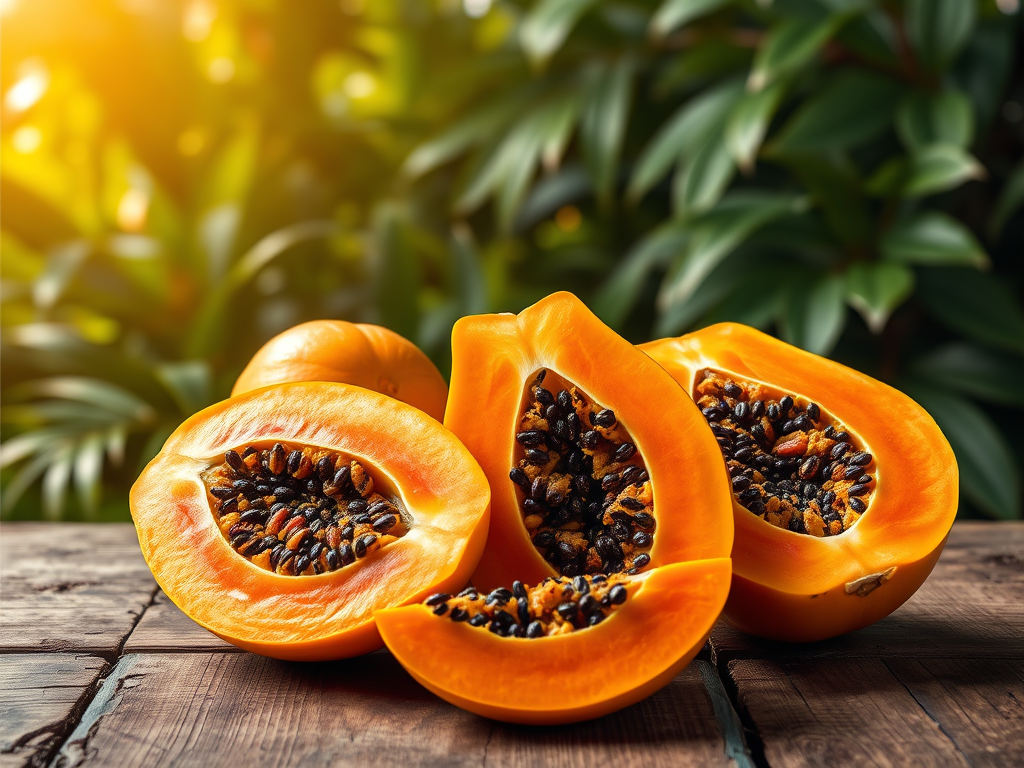
Papaya—sometimes called Queen Papaya for its rich flavor and health value and, is best known as a tropical fruit prized for its sweet taste, digestive enzyme papain, and wide-ranging health benefits. It was first cultivated in southern Mexico and Central America by Indigenous peoples, later spread globally by Spanish and Portuguese explorers. Nutritionally, papaya is low in calories but high in vitamin C, vitamin A, fiber, potassium, and antioxidants like lycopene, offering benefits for digestion, immunity, heart health, skin, and even cancer prevention.
🌱 Origin & Cultivation
- Native Range: Southern Mexico and Central America
- First Cultivators: Indigenous peoples of Mesoamerica, who ate papaya and used it medicinally
- Spread Worldwide: Spanish and Portuguese colonizers introduced papaya seeds to Asia, Africa, and the Caribbean in the 1500s–1600s
- Current Producers: India is the largest producer today, followed by tropical regions like Hawaii, the Philippines, and Africa
Origin & Cultivation
Ancient Roots
- Native Habitat: Papaya likely arose from wild Carica species in southern Mexico and Central America.
- Domestication: Archaeological and genetic evidence shows papaya was first domesticated in Mesoamerica, particularly in modern-day southern Mexico and Central America.
- Indigenous Use: Early peoples consumed the fruit fresh, cooked unripe papaya like squash, and used its latex (rich in papain) for medicinal purposes and meat tenderizing.
Global Spread
- Spanish & Portuguese Voyages: In the 1500s–1600s, explorers carried papaya seeds to the Caribbean, Philippines, India, and Africa, making it one of the earliest tropical fruits to achieve global distribution.
- Colonial Agriculture: Papaya quickly became a staple in colonial plantations due to its fast growth, high yield, and medicinal value.
Botanical Characteristics
- Tree Form: Though often called a tree, papaya is technically a giant herb with a hollow, non-woody trunk reaching up to 8 meters tall.
- Flowers: Papaya plants are usually dioecious (male and female flowers on separate plants), though hermaphroditic forms exist. This sexual variability complicates cultivation.
- Fruit: Large berries ranging from 15–45 cm long, weighing up to 11 kg. Flesh is yellow-orange to salmon-colored, with a central cavity filled with black seeds.
- Papain: The latex of unripe fruit contains papain, a proteolytic enzyme used in traditional medicine and modern industries (digestive aids, brewing, textiles, and meat tenderizers).
Modern Cultivation
- Propagation: Papayas are usually grown from seed, germinating quickly in warm climates.
- Climate Needs: Thrive in tropical and subtropical regions with temperatures between 21–33°C. Sensitive to frost and prolonged drought.
- Global Production:
- India: Produces ~38% of the world’s papayas (2022 data).
- Other major producers: Indonesia, Nigeria, Brazil, Philippines, and Mexico.
- Commercial Uses: Fresh fruit, juices, jams, dried papaya, and industrial papain extraction.
🌍 Cultural & Agricultural Significance
- Breakfast Fruit: Popular worldwide as a fresh fruit, often eaten at breakfast for its digestive benefits.
- Medicinal Role: Papain-rich latex historically used for indigestion remedies and wound care.
- Economic Value: Papaya is a fast-growing crop, bearing fruit within 6–12 months of planting, making it economically attractive for small farmers.
In essence: Papaya’s journey from Mesoamerican domestication to global cultivation reflects its adaptability, nutritional richness, and cultural importance. Its dual role as both food and medicine cemented its reputation as the “Queen Papaya.”
🥭 Nutritional Facts (per 1 cup / 145g fresh papaya)
| Nutrient | Amount | % Daily Value |
|---|---|---|
| Calories | 62 | — |
| Carbohydrates | 16 g | — |
| Fiber | 2.5 g | — |
| Sugars | 11 g | — |
| Protein | 0.7 g | — |
| Vitamin C | 88 mg | ~98% DV |
| Vitamin A | 68 mcg | ~32% DV |
| Potassium | 264 mg | ~6% DV |
| Folate | 54 mcg | ~15% DV |
| Lycopene | 2650 mcg | — |
💪 Health Benefits
Papaya’s health benefits go far beyond digestion. It is rich in vitamin C, vitamin A, fiber, potassium, and antioxidants like lycopene, which support immunity, heart health, skin, vision, and even cancer prevention.
1. Improves Digestion
- Contains papain and chymopapain, enzymes that break down proteins and ease digestion.
- High fiber content (2.5 g per cup) helps prevent constipation and supports gut health.
- Can reduce symptoms of acid reflux and bloating.
2. Boosts Immunity
- One cup provides nearly 100% of daily vitamin C.
- Vitamin C acts as a powerful antioxidant, protecting cells from free radical damage and strengthening the immune system.
3. Supports Heart Health
- Rich in antioxidants that prevent cholesterol oxidation, lowering risk of artery blockages.
- Fiber helps reduce cholesterol levels.
- Folate lowers homocysteine, a harmful amino acid linked to heart disease.
4. Protects Vision
- Contains lycopene, lutein, and zeaxanthin, which protect eye tissues from oxidative stress.
- May delay onset of cataracts and age-related macular degeneration.
- Improves contrast sensitivity and reduces glare.
5. Supports Skin Health
- High vitamin C aids collagen production, keeping skin firm and youthful.
- Antioxidants reduce oxidative stress, helping prevent wrinkles and sun damage.
6. Helps Manage Diabetes
- Low glycemic index prevents blood sugar spikes.
- Fiber slows digestion, keeping you full longer.
- Lycopene may help lower fasting blood glucose in type 2 diabetes.
7. Cancer Prevention
- Diets rich in papaya’s antioxidants (vitamin C, vitamin A, lycopene) may reduce risk of certain cancers.
- Lycopene intake linked to lower risk of prostate cancer and reduced cancer mortality.
8. Anti-Inflammatory Effects
- Papain and chymopapain reduce inflammation, useful for arthritis and asthma.
- Antioxidants further lower chronic inflammation markers.
Papaya is not just a tropical treat—it’s a nutritional powerhouse that supports digestion, immunity, heart, skin, eyes, and long-term disease prevention. Its combination of enzymes, fiber, and antioxidants makes it one of the most versatile “functional foods” in the world.
🌟 Why “Queen Papaya”?
Papaya earns this nickname because it is nutrient-dense, versatile, and medicinally valuable. From breakfast fruit to digestive remedy, papaya has been celebrated across cultures as a “queen” among tropical fruits.
Papaya is incredibly versatile in the kitchen. Ripe papaya is used in smoothies, salads, salsas, desserts, and even as edible bowls, while green (unripe) papaya is shredded into savory dishes like Thai som tam salad, cooked in curries, or added to stews. Even the seeds can be eaten, offering a peppery flavor similar to black pepper.
🥭 Culinary Uses of Papaya
🍬 Ripe Papaya (Sweet & Creamy)
- Fresh Fruit: Eaten raw with lime juice and a sprinkle of salt.
- Smoothies & Bowls: Blended with mango, pineapple, or yogurt for tropical drinks and breakfast bowls.
- Desserts: Used in sorbets, frozen desserts, jams, pies, and popsicles.
- Salsas & Salads: Combined with avocado, onion, and lime for refreshing salads or tangy salsas.
- Grilled/Baked: Caramelized with sugar or honey, grilled with lime, or baked into pies.
- Edible Bowls: In Colombia, halved papayas are filled with ice cream, sorbet, or savory salads.
🥗 Green Papaya (Unripe & Crisp)
- Thai Som Tam Salad: Shredded green papaya mixed with chili, lime, fish sauce, peanuts, and dried shrimp.
- Curries & Stews: Cooked like a vegetable, absorbing spices and adding texture.
- Savory Pairings: Works well with pork, chicken, or seafood in stir-fries and chutneys.
🌱 Seeds & Leaves
- Papaya Seeds: Edible, with a peppery flavor. Used fresh in salads or dried and ground as a spice.
- Papaya Leaves: In some cuisines, young leaves are cooked like spinach or used in teas.
🌍 Global Culinary Traditions
- Thailand: Famous for som tam (green papaya salad).
- India & Sri Lanka: Green papaya curries with coconut milk and spices.
- Caribbean & Latin America: Papaya smoothies, jams, and savory chutneys.
- Hawaii: Papaya paired with seafood (ahi tartare, tuna salads).
✨ Why It’s Special
Papaya bridges sweet and savory worlds—its ripe flesh adds tropical sweetness, while its unripe form behaves like a vegetable. This duality makes it a “queen” ingredient in kitchens worldwide.
🥭 Five Signature Papaya Recipes
1. 🍹 Tropical Sunrise Smoothie (Drink)
- Ingredients: Ripe papaya, pineapple, orange juice, ginger, honey
- Method: Blend until silky, serve chilled with mint garnish
- Story Angle: A morning ritual of renewal—bright, cleansing, and full of vitality
2. 🥗 Thai Som Tam Green Papaya Salad (Savory)
- Ingredients: Shredded green papaya, lime juice, chili, garlic, fish sauce, peanuts
- Method: Pound ingredients in a mortar, toss with papaya shreds, serve fresh
- Story Angle: A communal dish—fiery, tangy, and celebratory, perfect for festive launches
3. 🍬 Papaya-Lime Sorbet (Sweet Dessert)
- Ingredients: Ripe papaya, lime juice, sugar, water
- Method: Puree, freeze, churn into sorbet
- Story Angle: Cooling sweetness—an indulgence that feels both luxurious and cleansing
4. 🍲 Caribbean Papaya Curry (Fusion Savory)
- Ingredients: Green papaya chunks, coconut milk, curry spices, onion, garlic
- Method: Simmer until tender, serve with rice
- Story Angle: A survival dish—transforming humble fruit into a hearty, comforting meal
5. 🥒 Papaya Salsa (Fresh & Versatile)
- Ingredients: Ripe papaya, red onion, cilantro, lime, jalapeño
- Method: Dice and mix, serve with grilled fish or tortilla chips
- Story Angle: A festive topping—bright, zesty, and adaptable, echoing freedom of choice
🌿 Rituals & Traditional Uses of Papaya
✨ Indigenous & Spiritual Practices
- Maya & Aztec Rituals: Papaya was considered sacred, valued for both nourishment and healing. It was used in ceremonies to connect with the divine and restore balance between body and spirit.
- Symbol of Healing: Ancient healers mashed papaya flesh into pastes for wounds or burns, believing it carried cooling, restorative energy.
- Spiritual Cleansing: Seeds and leaves were sometimes used in purification rituals, symbolizing detoxification of both body and soul.
🍃 Leaf-Based Rituals
- Ayurveda (India): Papaya leaves are boiled into teas for cleansing, digestion, and menstrual health. Drinking papaya leaf tea is considered a ritual of body purification and balance.
- Sri Lanka: Leaves are cooked into mallung (greens with coconut and lime), often served in communal meals that carry ritual significance.
- Africa & Caribbean: Papaya leaf tea is a traditional remedy, consumed as part of preventative health rituals and family healing practices.
🌱 Seeds & Medicinal Rituals
- Parasite Cleansing: Crushed papaya seeds mixed with honey or water are used in folk medicine as a ritual detox to expel intestinal worms.
- Protective Use: Seeds were believed to ward off illness and negative energies, sometimes incorporated into ceremonial tonics.
🌍 Cultural Symbolism
- Gift from the Gods: In many traditions, papaya was seen as a divine offering—its ability to heal wounds, aid digestion, and nourish the body made it a ritual fruit of prosperity and protection.
- Balance & Renewal: Consuming papaya was thought to bring harmony, making it part of seasonal or communal rituals of renewal.
Certain groups should avoid or limit papaya consumption: pregnant women (especially unripe papaya), people with latex allergies, those on blood-thinning medications, individuals prone to kidney stones, people with heart rhythm disorders, thyroid issues, or sensitive digestion.
🚫 Groups Who Should Not Consume Papaya
1. Pregnant Women
- Unripe or semi-ripe papaya contains latex and high levels of papain.
- These compounds can trigger uterine contractions, increasing risk of miscarriage or preterm labor.
- Fully ripe papaya may be safer in moderation, but many experts advise avoiding it during pregnancy.
2. Individuals with Latex Allergy
- Papaya contains proteins (like chitinases) similar to those in latex.
- This can cause cross-reactive allergic reactions: rashes, swelling, itching, or even breathing difficulties.
3. People on Blood-Thinning Medications
- Papain may enhance the effects of anticoagulants such as warfarin or aspirin.
- This raises the risk of bleeding or bruising.
4. Individuals Prone to Kidney Stones
- Papaya is rich in vitamin C, which can convert to oxalate in the body.
- Excess oxalate may combine with calcium to form calcium oxalate kidney stones.
5. People with Heart Rhythm Disorders
- Papaya contains cyanogenic compounds that release small amounts of hydrogen cyanide.
- In sensitive individuals, this may worsen irregular heartbeat or cardiac conditions.
6. Individuals with Hypothyroidism
- Certain compounds in papaya may interfere with thyroid function, aggravating symptoms like fatigue or weight gain.
7. Sensitive Digestion
- Excess papaya can cause bloating, diarrhea, or stomach cramps.
- Rarely, overconsumption may lead to carotenemia (yellowish skin tint from beta-carotene).
Papaya is a nutritional powerhouse for most people, but those in the groups above should consult a healthcare professional before consuming it regularly. Moderation and awareness are key to enjoying papaya safely.
⚠️ Disclaimer
The information shared in this blog about papaya’s origins, nutrition, culinary uses, rituals, and health benefits is intended for general educational and cultural purposes only. It should not be taken as medical advice, diagnosis, or treatment.
While papaya is widely enjoyed and celebrated, certain individuals (such as those with allergies, specific medical conditions, or pregnant women) may need to avoid or limit consumption. Always consult with a qualified healthcare professional before making changes to your diet or wellness routine.
Cultural and ritual references are provided for informational storytelling and do not imply endorsement or guaranteed outcomes.
By reading and engaging with this content, you acknowledge that you are responsible for your own health decisions and should seek professional guidance when necess
sources:
Papaya leaf traditions – culinary uses, teas, and flavor pairings
Spiritual benefits of papaya – cleansing, renewal, and symbolic meaning
Papaya in traditional medicine – folk remedies and healing practices
The ancient story of papayas and their medicinal uses
Papaya in medicine traditions – cultural and ritual applications
 EJADA
EJADA 
Leave a comment