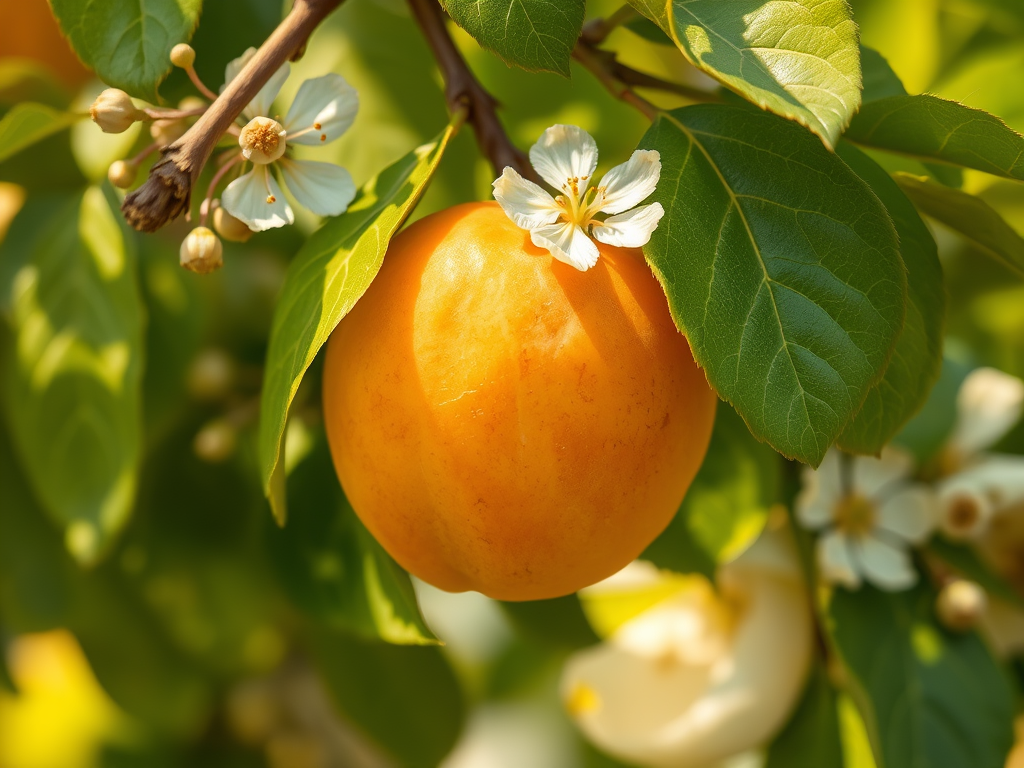
The Queen Apricot, often celebrated as a jewel among stone fruits, traces its origins back thousands of years to China and Armenia. First cultivated in Asia’s fertile valleys, it became prized not only for its sweet flavor but also for its medicinal and ritual significance.
🌸 Origins of the Queen Apricot
- Botanical identity: The apricot is scientifically known as Prunus armeniaca, sometimes called the “Armenian plum.” Its name reflects early beliefs that Armenia was its birthplace, though genetic evidence points to China and Central Asia as the earliest centers of cultivation.
- Spread of cultivation: Apricots were domesticated in China’s hilly regions, later spreading westward through trade routes into Persia, Armenia, and eventually Europe.
- Symbolic stature: In many cultures, apricots were considered a “royal fruit,” admired for their early ripening and golden hue, which symbolized vitality and abundance.
🌿 Medicinal Uses Across History
raditional Chinese Medicine (TCM): Apricot kernels (Xing Ren) were used for thousands of years to treat lung disorders, coughs, asthma, and constipation.
Nutritional healing: The fruit itself was valued for its vitamins A and C, antioxidants, and fiber, supporting eye health, skin vitality, and digestion.
Topical remedies: Kernel oil was applied to soothe eczema, psoriasis, and rashes, while crushed kernels were used in poultices for skin conditions.
Western herbalism: Apricots were recognized for their ability to regulate blood sugar, lower LDL cholesterol, and strengthen immunity.
🌿 Traditional Medicinal Uses (Then)
- Chinese Medicine (TCM): Apricot kernels (Xing Ren) were prescribed for chronic coughs, wheezing, asthma, and constipation, believed to descend lung Qi and moisten the intestines.
- Egyptian Remedies: Seeds were ground into powders or pastes for purification and vitality, integrated into holistic regimens.
- Persian Medicine: Apricot seeds were used to balance bodily humors, aid digestion, and strengthen vitality.
- Topical Treatments: Kernel oil applied to skin conditions like eczema, psoriasis, and rashes.
- Folklore & Rituals: Seeds symbolized health, prosperity, and renewal, often used in seasonal ceremonies.
🌱 Modern Medicinal Uses (Now)
- Nutritional Benefits: Apricots are rich in vitamins A, C, E, potassium, fiber, and antioxidants, supporting eye health, immunity, and digestion.
- Cardiovascular Health: Kernel oil and fruit compounds help lower LDL cholesterol, regulate blood pressure, and improve arterial function.
- Anti-Inflammatory & Antioxidant Effects: Kernels contain polyphenols, flavonoids, and tocopherols that reduce oxidative stress and inflammation.
- Skin & Cosmetic Uses: Apricot kernel oil is widely used in cosmetics, soaps, and lotions for its emollient and healing properties.
- Potential Anti-Cancer Research: Amygdalin (Vitamin B17) from bitter kernels has been studied for anti-cancer effects, but its cyanide release makes it controversial and unsafe in large amounts.
- Neuroprotective Promise: Emerging studies suggest kernel extracts may support cognitive health and nerve regeneration.
⚠️ Safety Note
- Sweet kernels are safe in moderation and used in foods (like amaretto).
- Bitter kernels contain high amygdalin levels, which can release cyanide. Excessive consumption is toxic and restricted in many countries.
🔮 Rituals and Symbolism
- Chinese rituals: Apricot groves were associated with scholarly wisdom and renewal, often planted near temples and academies. The apricot tree symbolized education and was linked to Confucian traditions.
- Healing ceremonies: Kernels were sometimes burned as incense in shamanic practices, believed to purify the lungs and spirit.
- Seasonal rites: In Central Asia, apricot blossoms marked the arrival of spring, celebrated in festivals as a sign of fertility and prosperity.
- Folklore: The apricot’s golden color tied it to the sun, making it a fruit of warmth, life force, and ceremonial offerings.
Apricots are low in calories but packed with vitamins A, C, and E, potassium, fiber, and powerful antioxidants like beta-carotene, lutein, and zeaxanthin
🍑 Nutritional Profile of Apricots
- Calories: ~17 per fruit (34 per 2 apricots)
- Carbohydrates: 4–8 g depending on serving size
- Protein: <1 g
- Fat: ~0–0.3 g (very low)
- Fiber: 1–1.5 g, split between soluble and insoluble fiber
🌿 Key Vitamins
- Vitamin A (beta-carotene precursor): Supports eye health, skin renewal, and immune function
- Vitamin C: Boosts collagen production, immunity, and antioxidant defense
- Vitamin E: A fat-soluble antioxidant that protects skin and eye cells from free radical damage
⚡ Essential Minerals
- Potassium: Helps regulate blood pressure, nerve signaling, and muscle contraction
- Magnesium & Phosphorus (trace amounts): Support bone strength and energy metabolism
🛡️ Antioxidants & Phytochemicals
- Beta-carotene: Gives apricots their golden-orange hue; converted into vitamin A
- Lutein & Zeaxanthin: Carotenoids that protect the retina and lens, reducing risk of macular degeneration
- Flavonoids (chlorogenic acids, catechins, quercetin): Reduce oxidative stress and inflammation, lowering risk of chronic diseases
💧 Hydration & Skin Benefits
- Apricots are ~2/3 water by volume, making them naturally hydrating
- Combined with vitamins C and E, they help maintain skin elasticity, reduce UV damage, and slow early signs of aging
The Queen Apricot is more than nourishment—it is a sunlit vessel of vitality, carrying antioxidants that guard the heart, vitamins that sharpen vision, and minerals that steady the body’s rhythm. In ceremonial storytelling, its golden flesh becomes a reminder: health is not only eaten but honored.
Apricots are used in both sweet and savory dishes—from jams, tarts, and cookies to glazes for meats, chutneys, and salads. Their sweet-tart flavor makes them versatile in baking, sauces, and festive recipes.
🍴 Sweet Culinary Uses
- Jams & Preserves: Apricot jam is a classic, often enhanced with almond or vanilla for depth.
- Pastries & Desserts: Apricots feature in tarts, scones, bars, and cookies, adding a bright, fruity note.
- Cakes & Muffins: Fresh or dried apricots are folded into batters for moisture and flavor.
- Confectionery: Dried apricots dipped in chocolate or stuffed with nuts are popular treats.
- Breakfast Staples: Apricots are added to yogurt, granola, and oatmeal for natural sweetness.
🍗 Savory Culinary Uses
- Glazes & Sauces: Apricot preserves are used to glaze chicken, pork, or lamb, balancing savory richness with tart sweetness.
- Stuffings: Pork tenderloin or poultry can be stuffed with apricots for a festive entrée.
- Salads: Fresh apricots pair well with greens, goat cheese, and walnuts, creating refreshing summer salads.
- Chutneys & Relishes: Dried apricot chutney adds a spicy-sweet condiment for meats and cheeses.
- Middle Eastern & Mediterranean Cuisine: Apricots are incorporated into tagines, couscous, and rice dishes, blending fruit with aromatic spices.
🥂 Beverage & Festive Uses
- Liqueurs & Spirits: Apricot brandy and amaretto-style infusions highlight the fruit’s kernel notes.
- Teas & Infusions: Dried apricots steeped in teas or syrups add gentle sweetness.
- Seasonal Celebrations: Apricot-based desserts and glazes are common in holiday feasts and spring festivals, symbolizing renewal.
The Queen Apricot’s culinary journey spans comforting jams and ceremonial feasts, embodying both sweetness and balance. In kitchens worldwide, it bridges tradition and innovation, reminding us that nourishment can be both ritual and delight.
🍯 Apricot Jam Recipes
- Classic Apricot Jam (No Pectin): Fresh apricots, sugar, and lemon juice simmered until thick. Perfect for holiday spreads on breads and pastries.
- Maple Vanilla Apricot Jam: A warming twist with maple syrup and vanilla, ideal for gifting or serving with cheese boards.
- Apricot Lavender Jam: Infused with dried lavender blossoms, this jam adds a floral note to holiday tea parties.
- Apricot Jalapeño Jam: Sweet heat that pairs beautifully with baked brie or roasted meats during festive dinners.
- Brandied Apricot Jam: Apricots cooked with sugar, lemon, and a splash of brandy—luxurious for holiday breakfasts or desserts.
🍑 Canned Apricot Recipes
- Apricot Glazed Chicken: Chicken baked with apricot preserves, soy sauce, Dijon mustard, garlic, and ginger. A sweet-savory centerpiece for holiday dinners.
- Canned Apricot Cobbler: A warm, bubbly dessert made with canned apricots, flour, sugar, butter, and vanilla. Comforting and perfect for winter gatherings.
- Apricot Pie Filling: Canned apricots transformed into pie filling for festive holiday pies.
- Apricot Amaretto Jam (using canned apricots): A chunky jam enriched with amaretto liqueur—excellent for holiday gifting.
- Dried Apricot Jam: Rehydrated dried apricots simmered with sugar, lemon, and vanilla for a rich, jewel-toned jam.
🎄 Holiday Serving Ideas
- Spread apricot jam on linzer cookies or thumbprint cookies.
- Use canned apricots in fruitcakes, trifles, or bread puddings.
- Pair apricot preserves with roast ham or turkey glazes.
- Layer apricot jam in holiday cheesecakes or roulades.
certain groups should be cautious with apricots, especially people with diabetes (due to sugar in dried/canned forms), those with nut allergies (apricot kernels are related to almonds), and anyone sensitive to amygdalin in bitter kernels (risk of cyanide poisoning).
🚫 Groups Who Should Avoid or Limit Apricots
1. People with Diabetes
- Fresh apricots are generally safe because they are low-glycemic.
- Dried apricots and apricot juice are concentrated in sugar and can cause blood sugar spikes.
- Best practice: enjoy fresh apricots in moderation, pair with protein (like yogurt or nuts) to balance glucose response.
2. Individuals with Nut Allergies
- Apricot kernels are botanically related to almonds and other stone fruit pits.
- People with nut allergies may react to apricot kernels or kernel oil, especially in cosmetics or foods.
3. Those Sensitive to Amygdalin (Bitter Kernels)
- Bitter apricot kernels contain amygdalin, which releases cyanide when metabolized.
- Excessive consumption can cause nausea, dizziness, or poisoning.
- Many countries restrict or warn against eating bitter kernels.
4. Infants and Young Children
- Apricot kernels and even dried apricots can pose choking hazards.
- High sugar content in dried fruit is not ideal for toddlers.
5. People with Gastrointestinal Sensitivities
- Apricots are high in fiber and sorbitol, which may trigger bloating or diarrhea in those with IBS or sensitive digestion.
⚠️ General Precautions
The Queen Apricot is a fruit of vitality, but like all gifts of nature, it carries boundaries. Its golden flesh nourishes most, yet its kernels remind us that wisdom lies in moderation and respect for limits. In ceremonial storytelling, this balance becomes part of the ritual: savoring sweetness, avoiding excess, and honoring health as the truest abundance.
- Moderation is key: Fresh apricots are safe for most people, but dried/canned varieties should be portion-controlled.
- Kernel oil in skincare: Usually safe, but those with allergies should patch-test.
- Medical conditions: Anyone with chronic illness (especially metabolic or digestive disorders) should consult a healthcare provider before consuming apricot kernels or supplements.
The Queen Apricot is more than a fruit—it is a bridge between nourishment, medicine, and ritual. From its cultivation in ancient China to its symbolic role in Armenian and Central Asian traditions, it embodies resilience and renewal. Whether eaten fresh, used in healing remedies, or honored in seasonal rites, the apricot continues to shine as a timeless emblem of health and vitality.
📚 Sources Used
- Healthline – Apricot Nutrition Benefits
- WebMD – Apricots Health Benefits
- Cleveland Clinic – Apricot Benefits
- Food Network – Apricots in Season
- Eat Like No One Else – Apricot Season by State
- Seasonal Cornucopia – Apricot Season and Storage Tips
- Creative Canning – Apricot Canning Recipes
- Simply Family Recipes – Canned Apricot Recipes
- TF Recipes – Apricot Jam With Canned Apricots
- Medical News Today – Fruits and Diabetes
- My Healthopedia – Apricot Benefits & Side Effects
- Cleveland Clinic – Fruits for Diabetes
🌟 Closing Reflection
The Queen Apricot is more than a fruit—it is a symbol of vitality, renewal, and balance. From its ancient cultivation in Asia to its role in medicine, ritual, and cuisine, it carries a golden legacy that bridges nourishment and ceremony. Whether savored fresh in summer, preserved in jams for winter, or honored in seasonal rites, the apricot reminds us that health and abundance are fleeting gifts to be cherished.
⚖️ Disclaimer
This post is intended for educational and cultural purposes only. Historical medicinal uses of apricots and kernels reflect traditional practices, not modern medical guidance. While apricots are generally safe as food, bitter kernels may be toxic if consumed in excess, and certain groups (such as people with diabetes, nut allergies, or gastrointestinal sensitivities) should exercise caution. Always consult a qualified healthcare professional before using apricots or their derivatives for medicinal purposes.
 EJADA
EJADA 
Leave a comment