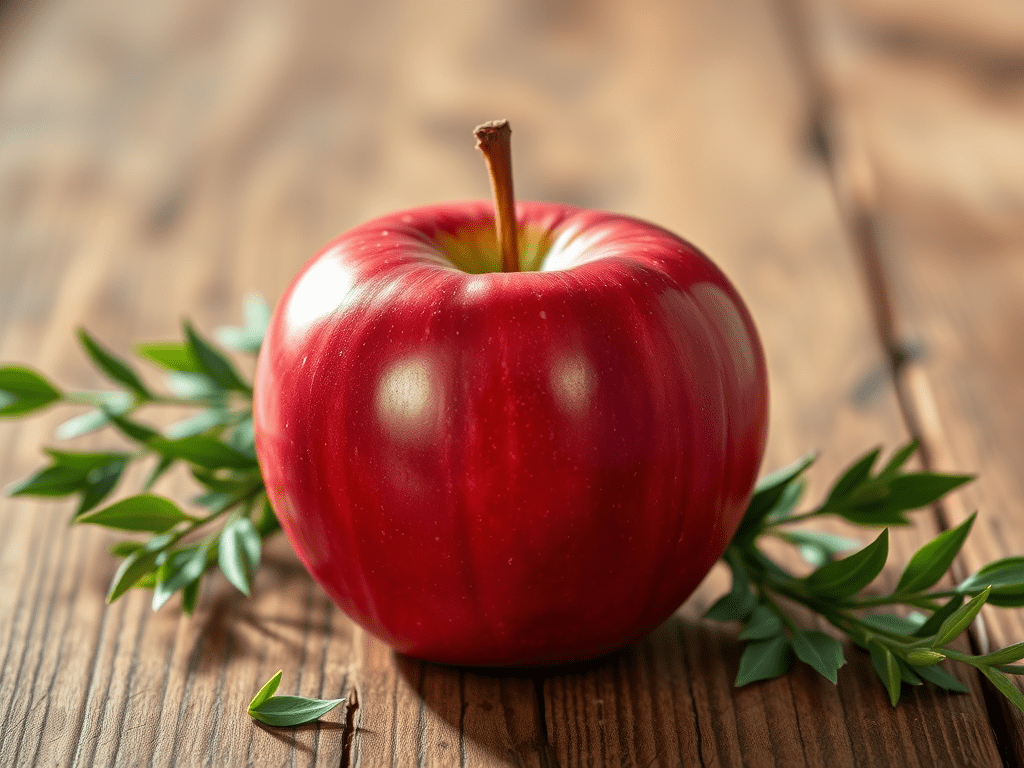
The Queen Apple was first cultivated in New Zealand in the late 20th century, specifically in the Hawke’s Bay region, where it was bred as a cross between the Gala and Splendor varieties. It became commercially recognized in the 1990s and has since grown into an export favorite, especially in Asian markets
🌱 Origins of the Queen Apple
- Location: Hawke’s Bay, New Zealand — a region famous for its apple orchards and ideal growing climate.
- Parentage: A hybrid of Gala (sweet, crisp) and Splendor (juicy, aromatic).
- Timeline: Developed and introduced in the 1990s, marking it as a relatively modern cultivar compared to heritage apples like Cox or Granny Smith.
- Cultivation Focus: Bred for export appeal — deep red skin, crisp bite, and sweet flavor tailored to consumer preferences in Asia.
🍎 Why It Stands Out
- Flavor: Sweet with subtle notes of pear and banana.
- Texture: Crisp and juicy, making it excellent for fresh eating.
- Appearance: Striking crimson-red skin, often with russet speckles.
- Market Success: Over 80% of Queen Apples are grown in Hawke’s Bay, with orchards like Mt Erin leading production.
🌍 Historical Context
- New Zealand has been cultivating apples since the 1800s, but the Queen Apple represents a modern breeding success story.
- Its rise in the 1990s coincided with New Zealand’s push to diversify apple exports beyond traditional varieties like Braeburn and Granny Smith.
So, the Queen Apple’s cultivation story begins in Hawke’s Bay in the 1990s, making it a relatively young but already iconic variety in the global apple market.
🍎 Ritual Script: The Queen Apple Offering
Opening Invocation “Crimson jewel of Hawke’s Bay, child of Gala and Splendor, we lift you as a crown of sweetness. May your crisp flesh remind us of vitality, and your fragrance of abundance.”
Ceremonial Actions
- Presentation of the Apple
- Place the Queen Apple at the center of the table, polished to a shine.
- Surround it with sprigs of greenery (echoing Norse immortality apples guarded by Iðunn).
- Breaking the Fruit
- Slice the apple crosswise to reveal its star-shaped core.
- This star recalls ancient Celtic harvest rites, symbolizing the cycle of life and renewal.
- Sharing the Flesh
- Offer slices to participants, reminding them of Roman feasts where apples were shared as tokens of health and prosperity.
- Speak aloud: “As we taste, may sweetness flow into our spirit, and crispness awaken our clarity.”
Symbolic Meanings
- Crimson Skin: Regal vitality, echoing the apple’s role in myth as a gift of power and temptation.
- Juicy Flesh: Nourishment, echoing ancient folk medicine where apples aided digestion and vitality.
- Star Core: Cosmic order, a reminder of the apple’s place in harvest rituals and seasonal cycles.
🍎 Ritual Dimensions of the Queen Apple
- Ceremonial Offering:
- Place the Queen Apple at the center of gatherings as a symbol of vitality and abundance.
- Slice crosswise to reveal the star-shaped core — a ritual gesture used in Celtic traditions to represent the cycle of life and the five elements.
- Immortality Invocation:
- In Norse myth, apples granted eternal youth. The Queen Apple, with its crisp juiciness, can be ritually invoked as a “modern fruit of renewal.”
- Communal Sharing:
- Sharing slices echoes Roman banquets, where apples were passed as tokens of prosperity and health.
- Seasonal Marker:
- Use the Queen Apple in autumn harvest rituals, aligning its crimson skin with themes of ripeness, closure, and gratitude.
🌍 Cultural Dimensions of the Queen Apple
- New Zealand Identity:
- Cultivated in Hawke’s Bay, the Queen Apple reflects New Zealand’s cultural emphasis on clean agriculture, export excellence, and innovation.
- Asian Market Symbolism:
- In many Asian cultures, red fruits symbolize luck and prosperity. The Queen Apple’s crimson skin makes it a natural fit for Lunar New Year offerings or festive tables.
- European Heritage:
- Apples in Europe were tied to fertility, love, and knowledge. The Queen Apple inherits this lineage, but reframes it with modern sweetness and crispness.
- Modern Ritual Adaptation:
- Today, the Queen Apple can be used in wellness ceremonies — sliced and paired with affirmations of health, clarity, and resilience.
The Queen Apple is rich in fiber, vitamins, antioxidants, and water — supporting digestion, heart health, immunity, and hydration. Like other apples, it offers protective effects against chronic diseases, helps regulate blood sugar, and promotes gut health
🍎 Nutritional Profile of Queen Apples
- Calories: ~57 per 100 g serving
- Carbohydrates: ~14 g, mainly natural sugars for energy
- Fiber: Both soluble and insoluble, aiding digestion and satiety
- Water Content: ~85% water, making it hydrating
- Vitamins:
- Vitamin C — boosts immunity, collagen production
- Vitamin A — supports vision and skin health
- Minerals:
- Potassium — regulates blood pressure and supports heart health
- Small amounts of calcium, magnesium, and iron
- Antioxidants: Polyphenols, flavonoids, and quercetin — protect cells from oxidative stress
🌱 Medical & Health Benefits
- Digestive Health:
- Fiber improves bowel regularity and acts as a prebiotic, feeding beneficial gut bacteria.
- Heart Health:
- Soluble fiber helps lower cholesterol.
- Potassium supports healthy blood pressure.
- Blood Sugar Regulation:
- Fiber slows glucose absorption, stabilizing blood sugar levels.
- Weight Management:
- High water and fiber content increase satiety, reducing overeating.
- Immune Support:
- Vitamin C strengthens immune defenses.
- Cancer Prevention Potential:
- Polyphenols may reduce cancer cell growth, though more research is needed.
- Asthma & Inflammation:
- Quercetin in apple skin may reduce inflammation and support lung health.
- Brain & Mental Health:
- Antioxidants protect against oxidative stress in the brain; fruit intake is linked to better mental health.
- Hydration & Skin Health:
- High water content plus antioxidants support hydration and skin vitality.
⚖️ Important Note
These benefits are general to apples and apply to Queen Apples as well, but they are not a substitute for medical treatment. Eating apples regularly contributes to overall wellness, yet professional healthcare should always be consulted for specific conditions.
Most apples provide broadly the same nutrients and health benefits — fiber, antioxidants, vitamins, and hydration — but the exact levels of compounds like polyphenols, flavonoids, and sugars vary slightly between varieties. These differences are small compared to the overall benefits, so nearly all apples support digestion, heart health, blood sugar regulation, and immunity.
🍎 Core Nutrients Shared by Most Apples
- Fiber: Both soluble (pectin) and insoluble, supporting digestion and cholesterol control.
- Vitamin C: Boosts immunity and collagen production.
- Potassium: Helps regulate blood pressure.
- Polyphenols: Antioxidants like quercetin, catechin, and chlorogenic acid protect cells from oxidative stress.
- Water Content: ~85% water, making apples hydrating and low-calorie.
🌱 Health Benefits Common Across Varieties
- Heart Health: Soluble fiber lowers cholesterol; polyphenols improve vascular function.
- Blood Sugar Regulation: Fiber slows glucose absorption, reducing diabetes risk.
- Gut Health: Pectin acts as a prebiotic, feeding beneficial gut bacteria.
- Weight Management: High fiber and water increase satiety, helping control appetite.
- Cancer Prevention Potential: Polyphenols may reduce cancer cell growth.
- Asthma & Inflammation: Quercetin in apple skin may reduce inflammation and support lung health.
- Brain & Mental Health: Antioxidants protect against oxidative stress; fruit intake is linked to better mental health.
🍏 Differences Between Varieties
While all apples are healthy, nutrient levels vary slightly:
- Red Delicious: High in anthocyanidins (pigments with antidiabetic potential).
- Granny Smith: Rich in quercetin and catechin; fiber may positively affect gut microbiota and weight control.
- Fuji: High in chlorogenic acid and catechin; strong anti-inflammatory and liver-protective properties.
- Gala: High in catechin; linked to reduced obesity-related inflammation.
- All apples are nutrient-dense and beneficial.
- Differences are minor — the biggest variation is in antioxidant types and sugar content.
- Best practice: Choose apples you enjoy, eat them fresh and unpeeled (most antioxidants are in the skin), and vary types for a broader range of polyphenols.
🍎 Nutrients Common to All Apples
- Fiber (2–4 g per medium apple): Supports digestion, lowers cholesterol, and helps regulate blood sugar.
- Vitamin C (8–10 mg): Boosts immunity and collagen production.
- Potassium (~195 mg): Helps regulate blood pressure and heart function.
- Polyphenols: Antioxidants like quercetin, catechin, and chlorogenic acid protect cells from oxidative stress.
- Water (~85%): Hydrating, low-calorie snack.
🌱 Shared Health Benefits
- Heart Health: Soluble fiber and polyphenols lower cholesterol and improve vascular function.
- Blood Sugar Regulation: Fiber slows glucose absorption, reducing diabetes risk.
- Gut Health: Pectin acts as a prebiotic, feeding beneficial gut bacteria.
- Weight Management: High fiber and water increase satiety, helping control appetite.
- Cancer Prevention Potential: Polyphenols may reduce cancer cell growth.
- Asthma & Inflammation: Quercetin in apple skin may reduce inflammation and support lung health.
- Brain & Mental Health: Antioxidants protect against oxidative stress; fruit intake is linked to better mental health.
🍏 Nutrient Differences by Variety
| Variety | Key Nutrient Highlight | Health Note |
|---|---|---|
| Red Delicious | High in anthocyanidins | Strong antidiabetic potential |
| Granny Smith | Rich in quercetin & catechin | Supports gut microbiota, weight control |
| Fuji | High chlorogenic acid & catechin | Anti-inflammatory, liver-protective |
| Gala | High catechin | Reduces obesity-related inflammation |
| Honeycrisp | Balanced sweetness & fiber | Popular for satiety and hydration |
- All apples are nutrient-dense and beneficial.
- Differences are minor — mainly in antioxidant types and sugar content.
- Best practice: Eat apples fresh and unpeeled (most antioxidants are in the skin), and vary types to broaden your intake of polyphenols.
Queen Apples are primarily a dessert apple, best enjoyed fresh, in salads, or juiced — their crisp texture and subtle pear-banana flavor make them versatile in both sweet and light savory dishes.
🍴 Culinary Uses of Queen Apples
- Fresh Eating:
- Crisp and juicy, ideal for snacking straight out of hand.
- Chill in the refrigerator for maximum crunch and flavor.
- Salads:
- Slice into green salads for a refreshing crunch.
- Pair with bananas, pears, or citrus for fruit salads — their subtle pear-banana notes blend beautifully.
- Snacks:
- Dip slices into nut butters (almond, peanut, cashew) for a protein-rich snack.
- Combine with cheese (sharp cheddar or brie) for a sweet-savory pairing.
- Juicing & Smoothies:
- Excellent for juicing due to high water content and sweetness.
- Blend into smoothies with spinach, ginger, or tropical fruits for a refreshing boost.
- Baking (limited):
- While not as firm as Granny Smith or Braeburn, Queen Apples can be used in light baking — muffins, galettes, or tarts where juiciness is welcome.
- Best used fresh rather than in long-bake pies (they release more juice).
- Festive & Cultural Uses:
- Their deep crimson skin makes them visually striking for holiday platters or Lunar New Year offerings, where red fruits symbolize luck and prosperity.
🌍 Culinary Context
- New Zealand Tradition: Apples have been grown in New Zealand since the early 1800s, and Queen Apples reflect the country’s focus on export-quality fruit.
- Asian Markets: Popular in Asia for their sweetness and vibrant color, often used in festive fruit baskets.
✅ Takeaway
The Queen Apple shines in fresh applications — salads, snacks, juices, and festive displays. While it can be baked, its crisp juiciness is best preserved raw.
Closing Benediction “Queen Apple, modern child of ancient lineage, we honor your sweetness as both food and symbol. May your crisp bite remind us of resilience, your fragrance of joy, and your star core of the eternal cycle of renewal.”
While apples (including Queen Apples) are generally safe and beneficial for most people, there are a few groups who may need to limit or avoid them due to medical or dietary concerns:
🚫 Who Should Be Cautious with Apples
- People with Apple Allergies:
- Rare, but some individuals experience oral allergy syndrome (OAS) — itching or swelling in the mouth/throat after eating raw apples.
- Often linked to birch pollen allergy (cross-reactivity).
- Individuals with Fructose Intolerance:
- Apples are high in fructose and sorbitol, which can trigger bloating, gas, or diarrhea in those with fructose malabsorption or irritable bowel syndrome (IBS).
- Diabetics (in excess):
- Apples are healthy, but they contain natural sugars. Eating them in moderation is fine, but excessive intake may spike blood sugar.
- Pairing apples with protein or fiber-rich foods helps balance glucose response.
- People on Low-FODMAP Diets:
- Apples are high in FODMAPs (fermentable carbs), which can worsen symptoms in people with IBS or sensitive digestion.
- Dental Concerns:
- Frequent apple consumption without rinsing can expose teeth to acid and sugar, potentially contributing to enamel erosion.
- Kidney Disease (advanced cases):
- Apples are moderately high in potassium. People with severe kidney disease who must restrict potassium should monitor intake.
✅ Safe Practices
- Eat apples with the skin for maximum fiber and antioxidants (unless allergic).
- Wash thoroughly to remove pesticide residues.
- Balance with other fruits to diversify nutrient intake.
- For sensitive digestion, try cooked apples (baking or stewing reduces FODMAPs and allergenic proteins).
⚖️ Important Note: These are general considerations. Apples are safe for most people, but anyone with allergies, digestive disorders, or chronic conditions should consult a healthcare professional before making dietary changes.
⚖️ Disclaimer: This ritual is symbolic and cultural, not medical. Apples are nourishing, but they are not substitutes for professional health care.
 EJADA
EJADA 
Leave a comment