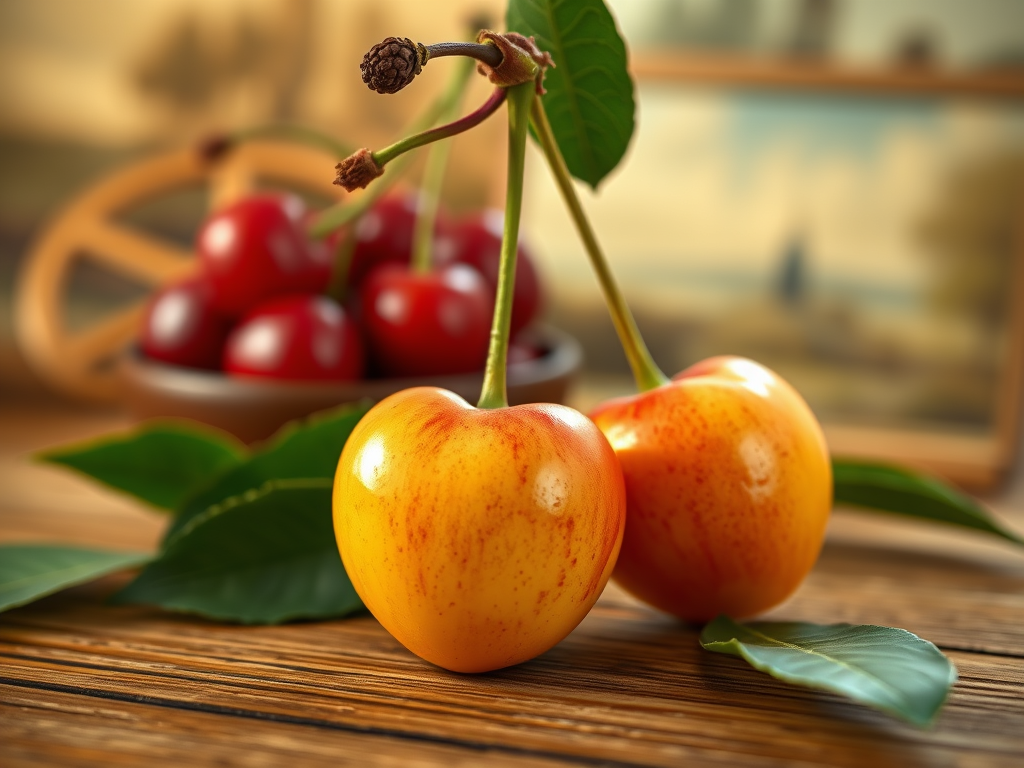
The Queen Anne cherry (also called the Royal Ann cherry) originated in Europe north of the Alps in the early 19th century, around the time of Napoleon Bonaparte’s rise. It spread widely across Europe and the British Isles before being introduced to North America.
🌍 Historical Background
- European roots: The Queen Anne cherry is a cultivar of the sweet cherry (Prunus avium).
- Discovery period: It was first recognized and cultivated in early 1800s Europe, valued for its firm flesh and unusually large fruit.
- Naming:
- In Europe, it was often called the Napoleon cherry (after Napoleon Bonaparte, who was at the height of his power during its rise).
- In North America, it became known as the Royal Ann or Queen Anne, reflecting the tradition of associating fruit cultivars with royalty.
🍒 Why It Was Significant
- Firm texture: Unlike softer cherries, Queen Anne cherries held up well in cooking and pickling.
- Distinct appearance: Yellow skin and flesh, with a red blush where exposed to sunlight.
- Cultural prestige: The royal naming helped market the cherry as refined and elegant, boosting its popularity.
Cherries were prized in ancient Mesopotamia, Greece, Rome, and China for both their flavor and medicinal properties. They were considered a luxury fruit, used in feasts, preserves, and even linked to fertility and healing in mythology
🌍 Origins and Early Cultivation
- Mesopotamia (present-day Iraq): Wild cherries thrived between the Tigris and Euphrates rivers. Ancient peoples valued them for taste and believed they had healing properties.
- Asia Minor (Anatolia): Sweet cherries (Prunus avium) originated here, in fertile lands between the Black and Caspian Seas. Birds likely spread them into Europe.
- Greece: The Greeks were among the first to cultivate cherries systematically, and cherries were mentioned by Theophrastus (protégé of Aristotle) in his History of Plants (3rd century BCE).
🍇 Role in Ancient Greece and Rome
- Greek mythology: Cherries were associated with fertility and thought to have healing powers.
- Roman Empire: Roman general Lucius Licinius Lucullus is credited with bringing cherry trees back to Rome after campaigns in Asia Minor.
- Roman feasts: Cherries became a delicacy, often served fresh or preserved in honey and wine.
- Spread across Europe: Romans helped establish cherry orchards throughout Italy, France, and Germany.
🇨🇳 Ancient China
- Cherries were enjoyed by Chinese noblemen, valued for their ruby-red color and sweetness.
- They were symbols of prosperity and renewal, often appearing in art and seasonal rituals.
📜 Cultural Significance
- Luxury fruit: In antiquity, cherries were not everyday food but a status symbol at banquets.
- Medicinal use: Ancient civilizations believed cherries could aid digestion, reduce inflammation, and promote fertility.
- Symbolism: Their short season made them a metaphor for life’s fleeting pleasures.
🗺️ Timeline Snapshot
| Era | Cherry Use |
|---|---|
| 3rd century BCE | Mentioned by Theophrastus in History of Plants |
| Greek period | Cultivated, linked to fertility and healing |
| Roman Empire | Spread across Europe, feasts, orchards established |
| Ancient China | Consumed by nobility, symbol of prosperity |
In summary: Cherries were more than food in ancient times—they were symbols of wealth, fertility, and healing, cultivated by Greeks, spread by Romans, and celebrated by Chinese nobility. Their rarity and short harvest season gave them cultural weight far beyond their size.
The health benefits of cherries were first recognized in ancient times, when early civilizations noticed their effects on digestion, inflammation, and vitality. Evidence shows that Stone Age peoples consumed cherries, and by the Greek and Roman eras, they were already linked to fertility, healing, and medicinal use
🏺 Ancient Discovery of Cherry Benefits
- Stone Age: Archaeologists found cherry pits in caves, suggesting early humans valued them not only for taste but also for their nutritional and antioxidant properties.
- Ancient Greece: Theophrastus (3rd century BCE) described cherries in History of Plants. Greeks believed cherries promoted fertility and healing, and they were used in early herbal remedies.
- Roman Empire: Roman general Lucullus introduced cherries from Asia Minor to Rome. Romans used them in feasts and medicine, often preserved in honey or wine.
- China: Cherries were symbols of prosperity and renewal, consumed by nobility and linked to vitality.
🌿 Traditional Medicinal Uses
- Digestion: Ancient peoples believed cherries aided digestion and reduced stomach discomfort.
- Inflammation: Cherries were used to ease swelling and joint pain, foreshadowing modern findings about anthocyanins.
- Fertility & vitality: Their bright red color and short season made them symbolic of life’s energy and renewal.
🔬 Modern Confirmation
- Antioxidants: Cherries are rich in vitamins A, C, and B, plus anthocyanins that fight oxidative stress.
- Anti-inflammatory: Tart cherries in particular reduce muscle soreness and recovery time after exercise.
- Heart health: Modern studies link cherry consumption to lower risk of cardiovascular disease.
- Sleep aid: Cherries contain melatonin, supporting better sleep cycles.
📜 Timeline Snapshot
| Era | Discovery of Benefits |
|---|---|
| Stone Age | Cherry pits found in caves; valued for nutrition |
| Ancient Greece | Healing and fertility associations; Theophrastus writings |
| Roman Empire | Spread across Europe; medicinal and culinary uses |
| Ancient China | Symbol of prosperity; linked to vitality |
| Modern science | Antioxidants, anti-inflammatory, sleep, heart health |
In summary: The health benefits of cherries were first discovered thousands of years ago, with early humans and ancient civilizations recognizing their healing and symbolic power. Modern science has since confirmed many of these traditional beliefs, especially their anti-inflammatory, antioxidant, and sleep-enhancing properties.
Sources: Nutritious Fruit – Cherry History & Benefits Traverse Bay Farms – Cherry Health Benefits The Nibble – Cherry History
In ancient times, cherries were preserved by drying, honey-packing, fermenting in wine, and sealing in syrups. These methods allowed cherries to last beyond their short harvest season and appear in feasts, medicines, and rituals.
🏺 Ancient Preservation Methods
- Drying:
- Cherries were sun-dried or oven-dried to create a raisin-like fruit.
- Dried cherries were portable and used in stews, breads, or eaten as snacks.
- Honey-packing:
- Greeks and Romans submerged cherries in honey to preserve sweetness and prevent spoilage.
- Honey acted as both a preservative and flavor enhancer.
- Wine or vinegar infusions:
- Romans steeped cherries in wine or vinegar, creating both medicinal tonics and flavorful condiments.
- These were believed to aid digestion and reduce inflammation.
- Syrups and conserves:
- Cherries were boiled with sugar or grape must to make thick syrups.
- Stored in clay jars or glass vessels, these syrups were used in desserts and sauces.
- Buried storage:
- Archaeological finds show cherries and berries sealed in glass bottles and buried underground for cool storage, a method used in Europe and colonial America.
🍒 Examples of Historical Recipes
- Greek & Roman “Cherry Wine”:
- Fresh cherries mashed and fermented with grape must.
- Served at banquets as a sweet, medicinal drink.
- Roman Honeyed Cherries:
- Whole cherries boiled briefly, then submerged in honey.
- Stored in amphorae for winter use.
- 18th-Century Preserves (Martha Washington’s recipe, 1749):
- Cherries boiled with sugar until thickened.
- Foam skimmed off, then sealed in glass bottles.
- Some bottles were buried for long-term storage.
🌟 Why These Methods Mattered
- Short harvest season: Cherries ripen quickly and spoil fast, so preservation was essential.
- Medicinal use: Preserved cherries were used for digestion, inflammation, and fertility.
- Luxury status: Preserved cherries symbolized wealth and refinement, often reserved for nobility.
In summary: Ancient peoples preserved cherries through drying, honey, wine, vinegar, and syrups, ensuring the fruit’s availability year-round. These methods carried cherries from Greek and Roman feasts to colonial American kitchens, where recipes like Martha Washington’s preserved cherries kept the tradition alive.
🍒 Ceremonial Recipe Script: Honey-Packed Cherries of Renewal
🌿 Invocation
“Gather the fruit of fleeting summer, bright as blood, soft as dawn. Let us honor its short season by sealing its sweetness in ritual care.”
🏺 Ingredients
- Fresh cherries (washed, stems removed, pits optional)
- Raw honey (enough to submerge all fruit)
- A pinch of cinnamon or clove (optional, for warmth)
- Sterile glass jars with tight lids
🔥 Ritual Steps
- Purification of the Vessel
- Boil jars and lids in water for 10 minutes.
- Place them on a clean cloth, letting steam rise like incense.
- Offering of the Fruit
- Lay cherries in a bowl.
- Whisper gratitude for their brief gift of sweetness.
- If desired, pierce each cherry gently to allow honey to seep within.
- Anointing with Honey
- Warm honey until it flows like golden sunlight.
- Pour slowly over cherries in the jar, covering them completely.
- Add spices if desired, as symbols of warmth and protection.
- Sealing the Season
- Close the jar tightly.
- In ancient times, jars were buried in cool earth; today, place them in a refrigerator.
- Let rest for at least 1 week, allowing honey to draw out juices and create a syrup.
🌟 Ritual Closing
“As the jar is sealed, so is the memory of summer. When opened in winter’s cold, let the taste remind us of renewal, fertility, and the fleeting joy of life’s sweetness.”
⚠️ Modern Safety Disclaimer
- Always use sterile jars and refrigeration for safe preservation.
- Honey-packing is a traditional method but does not replace modern canning standards.
- For long-term storage, use approved canning techniques to prevent spoilage.
✨ This script blends ancient honey-packing tradition with modern food safety, while keeping the ceremonial pacing and symbolic resonance intact.
🍒 Modern Medicinal Uses of Cherries
1. Anti-Inflammatory & Antioxidant Effects
- Cherries are rich in polyphenols and anthocyanins, compounds that reduce inflammation and oxidative stress.
- Regular consumption may lower C-reactive protein (CRP), a marker of inflammation linked to chronic diseases like diabetes and cancer.
- Antioxidants help protect cells from free radical damage, slowing aging and reducing risk of certain cancers.
2. Arthritis & Gout Relief
- Tart cherries can lower uric acid levels, reducing the frequency of gout attacks.
- Their anti-inflammatory compounds also ease joint pain and stiffness in arthritis patients.
3. Exercise Recovery
- Tart cherry juice is widely used by athletes to reduce muscle soreness and speed recovery.
- Studies show improved performance and reduced oxidative stress when consumed before or after intense exercise.
4. Heart Health
- Cherries support cardiovascular health by:
- Lowering LDL (“bad”) cholesterol
- Promoting healthy blood pressure through potassium content
- Improving overall vascular function
5. Sleep Regulation
- Cherries naturally contain melatonin, the hormone that regulates sleep cycles.
- Drinking tart cherry juice before bed has been shown to improve sleep quality and duration.
6. Blood Sugar & Weight Management
- Cherries are low on the glycemic index, meaning they help regulate blood sugar.
- High fiber content supports weight management and satiety.
7. Skin & Cognitive Benefits
- Vitamin C in cherries aids collagen production, skin repair, and protection against sun damage.
- Emerging research suggests cherries may improve memory and cognitive function, thanks to their antioxidant profile.
📜 Summary Table
| Benefit | Mechanism | Modern Use |
|---|---|---|
| Anti-inflammatory | Anthocyanins, polyphenols | Arthritis, gout relief |
| Antioxidant | Neutralizes free radicals | Cancer prevention, anti-aging |
| Exercise recovery | Reduces muscle damage | Athletes, active individuals |
| Heart health | Potassium, fiber, antioxidants | Blood pressure, cholesterol |
| Sleep | Melatonin | Insomnia, circadian rhythm support |
| Blood sugar | Low GI, fiber | Diabetes management |
| Skin & cognition | Vitamin C, antioxidants | Collagen, memory support |
In summary: Modern medicine recognizes cherries—especially tart cherry juice as a functional food that supports joint health, heart health, sleep, and recovery. Their ancient reputation for healing has been validated by contemporary science.
Sources: Healthline on cherry benefits,
Verywell Health on medicinal uses
Easy Recipe Chef on cherry health benefits.
Cherries are rich in vitamin C, potassium, copper, manganese, vitamin K, and small amounts of B vitamins. These nutrients support immunity, skin health, heart function, and energy metabolism
🍒 Vitamins & Nutrients in Cherries
1. Vitamin C (Ascorbic Acid)
- Amount: ~9–12% of daily value per cup of fresh cherries
- Benefits:
- Boosts immune system function
- Supports collagen production for skin and connective tissue
- Helps absorb iron from plant-based foods
2. Potassium
- Amount: ~306 mg per cup (10% DV)
- Benefits:
- Regulates blood pressure
- Supports muscle contraction and nerve signaling
- Promotes kidney function
3. Copper
- Amount: ~10% DV per cup
- Benefits:
- Essential for red blood cell formation
- Supports immune defense
- Helps maintain healthy bones and nerves
4. Manganese
- Amount: ~5% DV per cup
- Benefits:
- Aids bone development
- Supports metabolism of amino acids, cholesterol, and carbohydrates
- Acts as an antioxidant cofactor
5. Vitamin K
- Amount: ~3 mcg per cup
- Benefits:
- Important for blood clotting
- Supports bone health
6. Vitamin B6 (Pyridoxine)
- Amount: ~0.08 mg per cup
- Benefits:
- Helps the body convert food into energy
- Supports brain development and function
- Assists in neurotransmitter production
7. Other Trace Nutrients
- Calcium & Magnesium: Support bone and muscle health
- Iron: Helps transport oxygen in blood
- Folate: Supports cell division and DNA synthesis
📜 Nutritional Snapshot (per 1 cup, ~138–154 g fresh cherries)
| Nutrient | Amount | % Daily Value |
|---|---|---|
| Calories | 87–97 | — |
| Vitamin C | 9.7–12 mg | 9–12% DV |
| Potassium | 306 mg | 10% DV |
| Copper | 0.1 mg | 10% DV |
| Manganese | 0.1 mg | 5% DV |
| Vitamin K | 3 mcg | 3% DV |
| Vitamin B6 | 0.08 mg | ~5% DV |
| Calcium | 18 mg | 2% DV |
| Magnesium | 15 mg | 4% DV |
| Iron | 0.3 mg | 2% DV |
In summary: Cherries are a nutrient-dense fruit, especially high in vitamin C and potassium, with supportive amounts of copper, manganese, vitamin K, and B vitamins. These nutrients collectively aid immune defense, heart health, bone strength, and energy metabolism.
Sources: Healthline on cherry nutrition,
Verywell Fit on cherry nutrition facts
WebMD on cherry health benefits
Unusual Fact: A single cherry tree can produce up to 7,000 cherries in one season, which is enough to bake about 28 full-sized cherry pies
🌟 Why This Is Fascinating
- Sheer abundance: Despite their short harvest season, cherry trees are incredibly productive.
- Cultural tie-in: This abundance is why cherries became a symbol of fertility, renewal, and good fortune in many cultures.
- Efficiency today: With modern mechanical tree shakers, an entire tree can be harvested in just seven seconds—though this shortens the tree’s lifespan by several years.
🍒 Other Quirky Cherry Facts
- Melatonin source: Cherries are one of the few natural foods that contain melatonin, which helps regulate sleep.
- Longevity: A healthy cherry tree can live for over 100 years, continuing to bear fruit for generations.
- Record-breaking pie: The world’s largest cherry pie was baked in 1987 in Oliver, British Columbia, weighing a staggering 39,683 pounds.
In summary: Beyond their sweet-tart flavor, cherries carry some truly unusual traits—from trees that can outlive people to pies that could feed entire towns.
Sources: Mental Bomb – 75 Interesting Cherries Facts, Taste of Home – Delightful Facts About Cherries
🚫 Who Should Limit or Avoid Cherries
- People with allergies: Rare, but some individuals may have cherry or stone-fruit allergies (related to birch pollen or oral allergy syndrome).
- Those with sensitive digestion: Cherries are high in fiber and sorbitol, which can cause gas, bloating, or diarrhea if eaten in excess.
- Individuals with kidney issues: Cherries are rich in potassium; those with kidney disease or on potassium-restricted diets should consult a doctor before consuming large amounts.
- Diabetics (portion caution): While cherries have a relatively low glycemic index, they still contain natural sugars. Moderation is important for blood sugar management.
- People prone to gout (without medical guidance): Tart cherries may help lower uric acid, but excessive intake without medical supervision could complicate management.
- Infants and very young children: Whole cherries pose a choking hazard; they should be pitted and cut before serving.
⚠️ General Disclaimer (for posts, product pages, or educational content)
“The information provided here is for general educational purposes only and is not a substitute for professional medical advice. Cherries are safe for most people when consumed in moderation, but individuals with allergies, digestive sensitivities, kidney conditions, or other medical concerns should consult a qualified healthcare provider before making dietary changes. Always practice safe food preparation, especially when serving cherries to children.”
we’ve traced the Queen Anne cherry from its ancient roots and medicinal lore, through its 19th-century European discovery, into its modern-day nutritional and cultural significance.
🌿 Ritual Closing Statement
“The Queen Anne cherry, once a jewel of royal orchards, now rests in our hands as both medicine and memory. From ancient feasts to modern kitchens, it carries the sweetness of renewal, the tartness of resilience, and the fleeting joy of summer preserved. May its story remind us that even the briefest gifts of nature can echo across centuries.”
That ties the bow on the Queen Anne cherry journey—history, health, symbolism, and ritual all in one.
 EJADA
EJADA 
Leave a comment