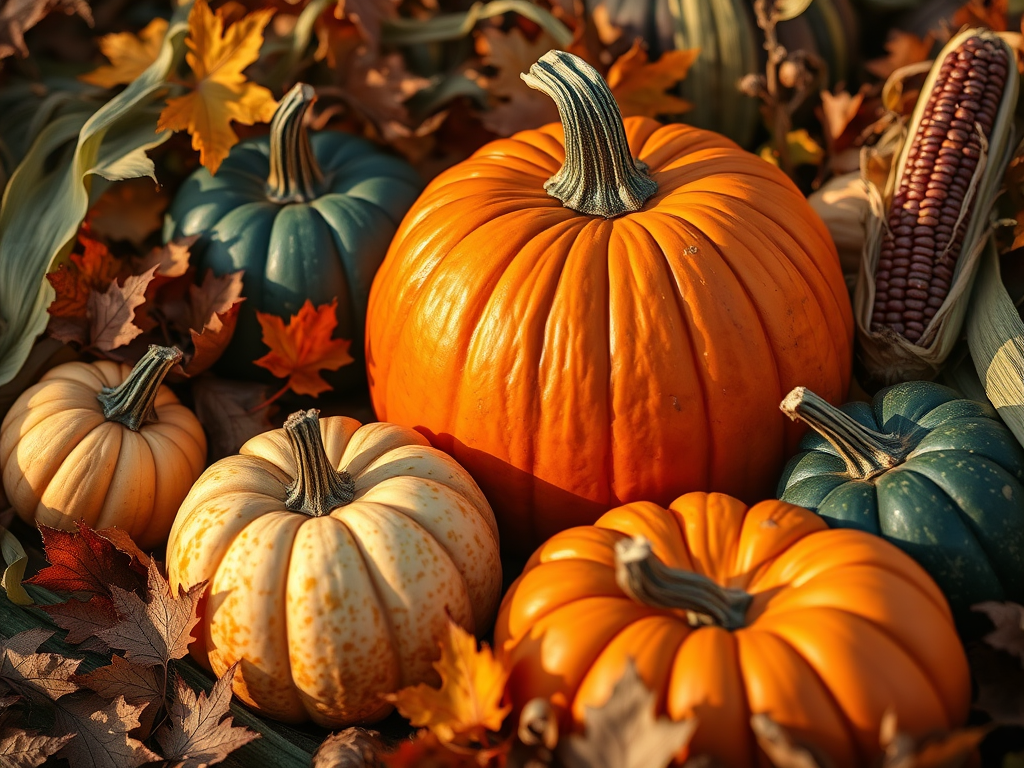
Pumpkins were first cultivated in Mesoamerica around 7,000–5,000 BCE by Indigenous peoples, who used them as a staple food, for storage, and even for weaving mats. They are highly nutritious—rich in vitamin A, antioxidants, and fiber—and have become central to cultural traditions, culinary dishes, and rituals worldwide, from Native American “Three Sisters” farming to Halloween jack-o’-lanterns and harvest festivals.
🌱 Origins and Early Cultivation
- When: Archaeological evidence shows pumpkins were domesticated as early as 7,500 years ago in Mexico and Central America.
- By Who: Indigenous peoples of Mesoamerica (including the Maya and Aztec) first cultivated pumpkins alongside corn and beans as part of the “Three Sisters” agricultural system.
- Early Uses:
- Food: roasted flesh, dried strips, and nutrient-rich seeds.
- Utility: dried pumpkin strips woven into mats.
- Storage: hollowed shells used as containers.
🥗 Nutritional Benefits
Pumpkin is a nutrient-dense, low-calorie food:
- Vitamins: Extremely high in vitamin A (from beta-carotene), plus vitamin C, E, and several B vitamins.
- Minerals: Potassium, copper, manganese, and iron.
- Health Benefits:
- Supports eye health (lutein, zeaxanthin).
- Boosts immunity (vitamins A & C).
- Promotes heart health and may reduce cancer risk (antioxidants).
- Weight-friendly: low calorie, high fiber, 94% water.
- Seeds: Rich in protein, magnesium, and healthy fats—linked to prostate and heart health.
🍲 Cultural and Culinary Uses
- Native Americans: Ate roasted flesh, ground seeds into flour, and brewed pumpkin-based stews.
- Colonial America: Early settlers baked pumpkins filled with milk, honey, and spices—an ancestor of pumpkin pie.
- Global Cuisine:
- Italy: Pumpkin ravioli and risotto.
- Thailand: Pumpkin curry in coconut milk.
- India: Kaddu ka halwa (sweet pumpkin dessert).
- Japan: Kabocha squash in soups and tempura.
- Caribbean: Pumpkin puddings and spiced cakes.
- Modern U.S.: Pumpkin pie at Thanksgiving, pumpkin spice flavoring, and decorative jack-o’-lanterns.
🎃 Rituals and Symbolism
- Native American Traditions: Symbol of abundance, fertility, and sustenance; part of harvest ceremonies.
- Celtic Samhain (Halloween precursor): Carved turnips (later pumpkins in America) to ward off spirits—origin of the jack-o’-lantern.
- Christian Symbolism: Seen as a sign of harvest blessings and renewal.
- Day of the Dead (Mexico): Pumpkins used in altars and traditional dishes, symbolizing remembrance.
- Spiritual Practices: Pumpkins represent transformation, protection, and gratitude; used in offerings, meditation, and seasonal rituals.
✅ In essence: Pumpkins began as a survival crop in ancient Mesoamerica, evolved into a global food and cultural icon, and today embody nutrition, abundance, and seasonal celebration.
Pumpkin is a powerhouse food—low in calories, high in nutrients, and packed with antioxidants. Its medical benefits include supporting eye health, immunity, heart function, weight management, skin protection, and even cancer prevention.
🩺 Key Medical Benefits of Pumpkin
Boosts Immunity
- Rich in beta-carotene (vitamin A), which strengthens immune defenses.
- Contains vitamin C, vitamin E, iron, and folate, all of which help the body fight infections.
Protects Eyesight
- High in lutein, zeaxanthin, and vitamin A, which reduce the risk of age-related macular degeneration and cataracts.
- Vitamin A deficiency is a leading cause of blindness—pumpkin helps prevent this.
Supports Heart Health
- Potassium helps regulate blood pressure and reduces stroke risk.
- Fiber and antioxidants lower LDL (“bad”) cholesterol oxidation, protecting arteries.
Cancer Prevention Potential
- Carotenoids like beta-carotene and alpha-carotene act as antioxidants, neutralizing free radicals that can damage DNA.
- Studies link higher carotenoid intake with lower risks of breast and other cancers.
Aids Weight Management
- Very low in calories (about 49 per cup cooked) and 94% water.
- High fiber content promotes satiety, helping with portion control and weight loss.
Promotes Healthy Skin
- Beta-carotene acts as a natural sunblock, protecting skin from UV damage.
- Vitamin C supports collagen production, keeping skin firm and youthful.
Anti-Inflammatory Effects
- Nutrients like beta-carotene and potassium help reduce inflammation, which may benefit conditions like arthritis.
Gut and Urinary Health
- Pumpkin’s fiber supports digestion and bowel regularity.
- Pumpkin seeds and seed oil are linked to prostate health and may improve bladder function.
⚠️ Things to Keep in Mind
- Pumpkin is generally safe, but allergies are possible.
- It has a mild diuretic effect, so people on certain medications (like lithium) should be cautious.
- Processed pumpkin foods (pies, lattes, candies) often contain added sugar and fat, which cancel out health benefits.
✅ In summary: Pumpkin is more than a seasonal treat—it’s a functional food with wide-ranging medical benefits, from immune defense and heart protection to skin health and cancer prevention.
Would you like me to create a nutrient-to-benefit chart (e.g., Vitamin A → Eye Health, Potassium → Heart Health) so you can see the medical benefits at a glance?
Healthline – 9 Impressive Health Benefits of Pumpkin
Mayo Clinic – The Perks of Pumpkin in Your Diet
WebMD – Pumpkin: Health Benefits and Nutrition
Pumpkin can be used in both sweet and savory recipes—from classic pumpkin pie and bread to soups, curries, and cheesecakes. Below are some standout recipes you can try at home.
🥧 Sweet Pumpkin Recipes
1. Classic Pumpkin Pie
- Why it’s great: The ultimate fall dessert, creamy and spiced.
- Ingredients: Pumpkin purée, eggs, sugar, evaporated milk, pumpkin pie spice, pie crust.
- Method: Mix filling, pour into crust, bake until set.
- Recipe: Easiest Ever Pumpkin Pie
2. Pumpkin Bread
- Why it’s great: Moist, warmly spiced, and perfect for breakfast or snacks.
- Ingredients: Pumpkin purée, flour, sugar, eggs, butter, cinnamon, nutmeg, cloves.
- Method: Mix wet and dry ingredients separately, combine, bake in loaf pans.
- Recipe: Spiced Pumpkin Bread
3. Pumpkin Cheesecake
- Why it’s great: A creamy twist on cheesecake with autumn spices.
- Ingredients: Cream cheese, canned pumpkin, sugar, eggs, cinnamon, nutmeg, graham cracker crust.
- Method: Blend filling, pour into crust, bake, chill, and top with whipped cream.
- Recipe: 3-Step Pumpkin Cheesecake
🍲 Savory Pumpkin Recipes
4. Pumpkin Soup
- Why it’s great: Comforting, velvety, and nourishing.
- Ingredients: Fresh pumpkin, onion, garlic, broth, cream or coconut milk, spices.
- Method: Roast pumpkin, simmer with aromatics, blend until smooth.
- Recipe Collection: Fresh Pumpkin Recipes
5. Pumpkin and Sausage Soup
- Why it’s great: Hearty, savory, and slightly spicy.
- Ingredients: Pumpkin purée, sausage, broth, onions, garlic, cream.
- Method: Brown sausage, add pumpkin and broth, simmer, finish with cream.
- Recipe: 25 Must-Try Pumpkin Recipes
6. Pumpkin Gratin
- Why it’s great: A cheesy, baked side dish with a golden crust.
- Ingredients: Pumpkin purée, breadcrumbs, Romano or Parmesan cheese, herbs.
- Method: Layer pumpkin with cheese and breadcrumbs, bake until bubbly.
- Recipe: Pumpkin and Pecorino Gratin
🍪 Creative Pumpkin Treats
- Pumpkin Muffins – portable and spiced
- Pumpkin Pancakes – fluffy and autumn-flavored
- Pumpkin Spice Cookies – soft, cake-like, and festive
✅ In summary: Pumpkin shines in both desserts (pie, bread, cheesecake) and savory dishes (soups, gratins, stews). You can roast fresh pumpkin for a deeper flavor or use canned purée for convenience.
Pumpkin is safe and healthy for most people, but some groups should limit or avoid it—including those with pumpkin allergies, certain digestive conditions, kidney disease, or people taking specific medications. Overconsumption can also cause side effects due to its high fiber, potassium, and vitamin A content.
🚫 Who Should Be Cautious with Pumpkin
People with Pumpkin Allergies
- Though rare, pumpkin allergy can cause itching, swelling, hives, stomach cramps, or even anaphylaxis.
- If you’ve had allergic reactions to other gourds (like squash or melon), be extra cautious.
Individuals with Digestive Disorders
- Pumpkin is high in fiber, which is usually beneficial, but for people with IBS, IBD, or sensitive digestion, it may trigger bloating, gas, or diarrhea.
- Raw pumpkin is harder to digest—cooked pumpkin is gentler on the stomach.
People with Kidney Problems
- Pumpkin is rich in potassium. For those with chronic kidney disease, excess potassium can build up in the blood, leading to heart rhythm issues.
Those on Certain Medications
- Blood thinners (e.g., warfarin): Pumpkin seeds and flesh contain vitamin K, which can interfere with clotting.
- Diabetes medications: Pumpkin may lower blood sugar, so combined with medication it could cause hypoglycemia.
- Thyroid medications: High fiber can reduce absorption if taken at the same time.
Pregnant Women (Excessive Intake)
- Pumpkin itself is safe in moderation, but very high intake of beta-carotene (vitamin A precursor) could contribute to excess vitamin A, which is risky in pregnancy.
- Normal food amounts are fine—supplements or overconsumption are the concern.
People Prone to Kidney Stones
- Pumpkin contains oxalates, which in excess may contribute to stone formation in sensitive individuals.
⚠️ Best Practices
- Moderation is key—1–2 cups of pumpkin flesh or a small handful of seeds daily is safe for most adults.
- Cook it well—roasting, steaming, or boiling makes it easier to digest.
- Pair with healthy fats (like olive oil or nuts) to improve vitamin A absorption.
- Check with your doctor if you have kidney disease, are on blood thinners, or have digestive conditions.
✅ In summary: Most people can enjoy pumpkin safely, but those with allergies, kidney disease, digestive sensitivities, or certain medications should be cautious and consult a healthcare provider before making it a regular part of their diet.
Would you like me to create a “Pumpkin Safety Checklist” infographic—a quick visual guide showing who should avoid pumpkin and who benefits most from it?
Sources:
Verywell Health – What Happens to Your Body When You Eat Pumpkin Regularly
MyHealthopedia – Pumpkin: Benefits, Nutrition, Side Effects & Who Should Not Eat It
⚖️ Disclaimer
The information provided here is for general educational purposes only. It is not medical advice and should not be used as a substitute for professional diagnosis, treatment, or guidance from a qualified healthcare provider. While pumpkin is generally safe and nutritious, individual health conditions, allergies, or medications may affect whether it is appropriate for you. Always consult with a doctor, dietitian, or other licensed healthcare professional before making significant changes to your diet or relying on food for medical purposes.
 EJADA
EJADA 
Leave a comment