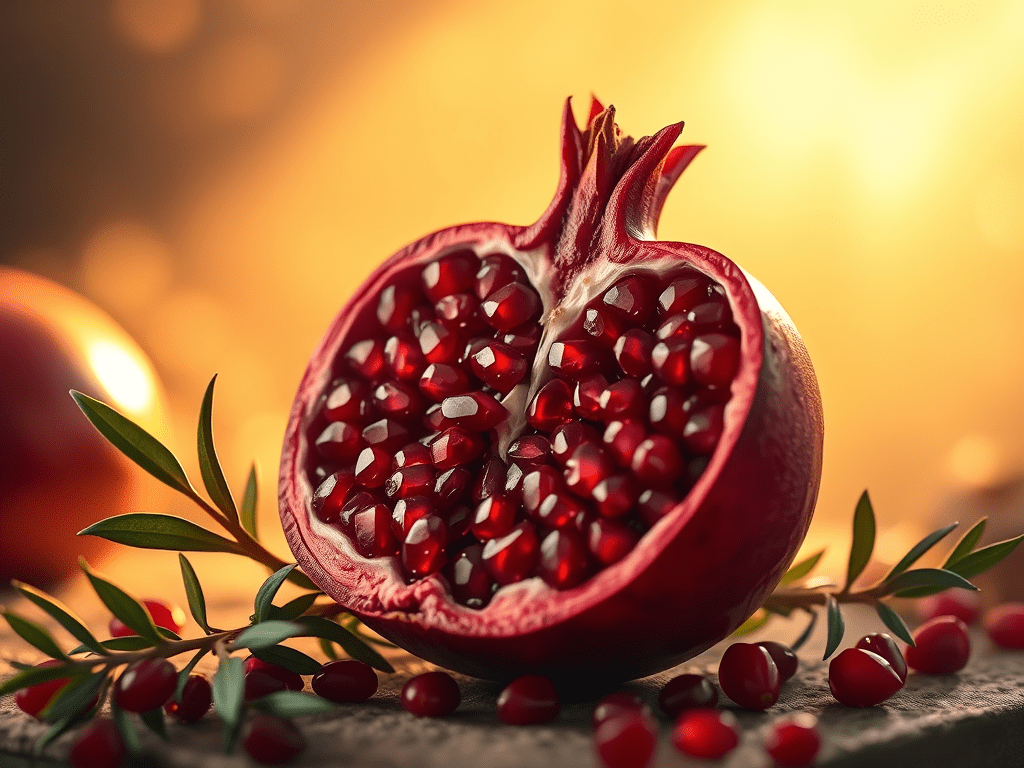
Pomegranate: The Seeded Oracle of Legacy and Renewal
Invocation
“To the Fruit That Remembers”
O crimson lantern of the ancients, Seeded with secrets and sunlit vows, A quiet thunder of renewal in every ruby bead. From Persephone’s hush to the hands of healers, You carry the weight of seasons, the whisper of return. We open you not to consume, but to remember. To honor what was, and bless what becomes.
🌍 Origins & Discovery: The Fruit That Crossed Empires
The pomegranate’s story begins in the rugged foothills of the Himalayas, where it was first cultivated in ancient Persia and Afghanistan, around 3000 BCE. Revered as the “sacred tree of the sun” in Zoroastrian tradition, it symbolized abundance, fertility, and divine light—a botanical embodiment of cosmic balance.
🕊️ Ceremonial Rituals Involving Pomegranate: A Legacy of Life, Death, and Renewal
🏺 Ancient Egypt: Seeds for the Afterlife
- Burial rites: Pomegranate seeds were placed in tombs, including that of Tutankhamun, to symbolize rebirth and eternal life.
- Priestly potions: Its juice was used in protective elixirs by temple healers, believed to ward off evil and purify the soul.
🌿 Zoroastrian Persia:
The Sun-Tree Offering“In its seeds, the sun sleeps. In its rind, the moon listens.” Zoroastrian proverb (attributed)
- Nowruz (New Year): Pomegranates were placed on ceremonial tables as symbols of creation, abundance, and immortality.
- Warrior rituals: Persian soldiers carried pomegranates into battle for strength and divine favor, invoking its solar symbolism.
🧿 Ancient Greece: Descent and Fertility
- Myth of Persephone: Eating six pomegranate seeds bound her to the underworld, ritualizing the cycle of seasons and life-death balance.
- Marriage ceremonies: Pomegranates were offered to Hera and Aphrodite, symbolizing fertility, love, and sacred union.
🏮 China’s Fifth Lunar Month: The Pomegranate Month
- Exorcist rites: The blossom was worn by Zhong Kui, a mythic plague-banisher, to ward off illness and evil spirits.
- Wedding textiles: “Hundred Seeds Revealed” motifs adorned dowries, invoking fertility and generational continuity.
🧘 Editorial Invocation for Ritual Use
“Let the seeds fall not as fruit, but as memory. Let the juice stain not the lips, but the soul. In this offering, we do not eat—we remember.
⛵ Phoenician Carriers & Mediterranean Bloom
By 2000 BCE, Phoenician traders carried pomegranate seeds across the Mediterranean, introducing them to Israel, Greece, and Carthage. In King Solomon’s court, pomegranate motifs adorned royal garments and temple columns, while Greek mythology rebranded it as the fruit of forgetfulness—a mystical food capable of erasing memory and binding fate.
🏯 Silk Road Diplomacy & Chinese Reverence
During the Han Dynasty (141–87 BCE), the fruit arrived in China via diplomatic missions to Central Asia, earning the name Anshi-liu (安石榴). Emperor Wu planted it in imperial gardens, and by the Eastern Han, the city of Luoyang became a pomegranate capital, where one fruit was said to equal the value of an ox.
Song Dynasty horticulture: Developed nine distinct varieties, including the crystalline “Water Sugar” and golden “Silver-Edged” types. Its juice was even used as hair dye and thirst quencher.
📜 From Imperial Courts to Folk Traditions
By the Song Dynasty, horticulturalists had developed nine distinct varieties, including the crystalline “Water Sugar” and golden “Silver-Edged” types. Medical texts praised its juice for treating diarrhea and thirst, while poets layered it into romantic lore:
“Yangzhou’s pomegranate flowers, Plucked to adorn my lapel. When their brilliance fades, think of me, Don’t dazzle others’ hearts as well.” Tang Dynasty
🧬 From Ancient Elixirs to Modern Medicine: The Pomegranate’s Living Legacy
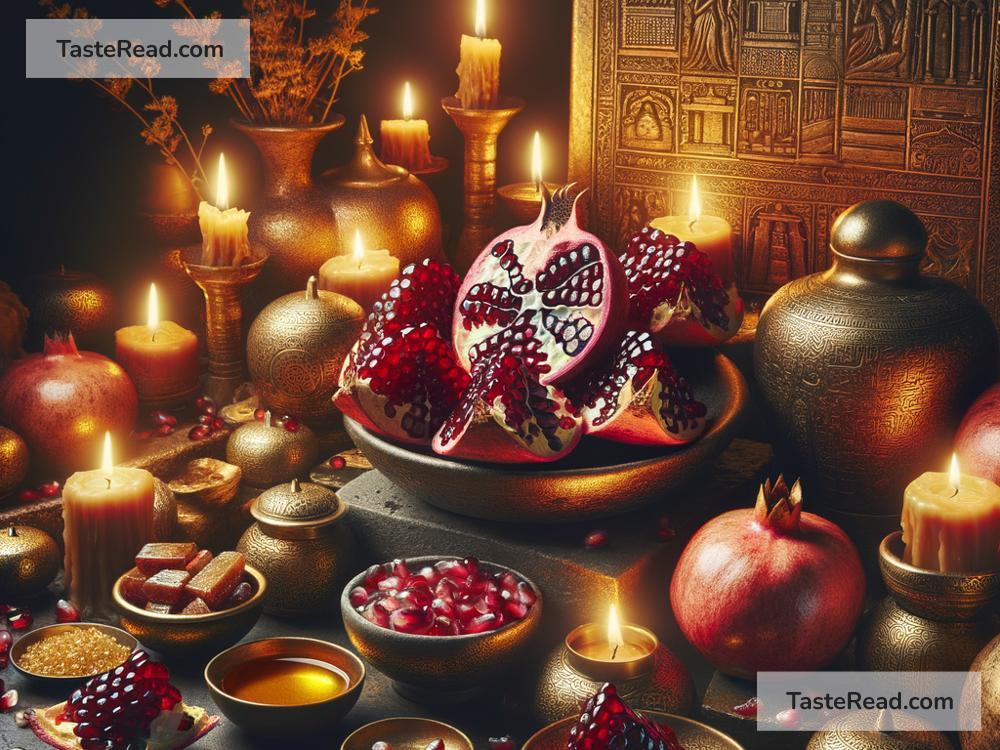
🏺 Ancient Rituals & Remedies
Egyptian embalming: Pomegranate rind was used in mummification rituals for its antimicrobial properties. In Greek mythology, it was the fruit of the underworld, tied to Persephone’s descent and the cycle of seasons. In Cyprus, it was said to be planted by Aphrodite herself, linking it to love and beauty.
Ayurvedic tonics: Blended into digestive elixirs and blood purifiers, often paired with jaggery or neem. Medicinal: Pliny the Elder, a Roman naturalist, listed pomegranate in 26 remedies, treating everything from dysentery and dental issues to menstrual health and wounds.
🌿 Ayurvedic Tonics Featuring Pomegranate (Punica granatum)
🍹 1. Pomegranate with Lime & Aloe Vera
- Dosha focus: Balances Pitta and Vata
- Preparation: Blend fresh pomegranate juice with a splash of lime and aloe vera gel.
- Ceremonial effect: Cools digestive fire, soothes heartburn, and refreshes the senses like “a jump into a cool mountain stream”.
🧂 2. Digestive Powder (Churna)
- Ingredients: Sun-dried pomegranate rind, ginger, black salt, white cumin.
- Dosage: 3g after meals with warm water.
- Use: Supports digestion, relieves bloating, and clears sticky ama (toxins).
🌸 3. Pomegranate Flower Powder
- Use: Applied as a toothpaste for gingivitis and oral health.
- Dosha: Primarily Kapha-reducing, with astringent and cooling properties.
🫗 4. Pomegranate Infusion
- Ingredients: Soak seeds with raisins in clay pot overnight.
- Use: Sipped throughout the day to ease hot flashes, anger, thirst, and acid reflux.
- Dosha: Balances Pitta and Vata.
🍯 5. Leaf Decoction
- Preparation: Boil powdered leaves with water, add honey.
- Use: Taken before meals to support IBS, colitis, diarrhea, and weight regulation.
- Caution: Avoid if constipated.
🩸 6. Blood Tonic Juice
- Use: For anemia and fatigue stimulates red blood cell production.
- Dosha: Sweet pomegranate is rare and Tridoshic, balancing all three doshas.
🧬 Pomegranate in Greek Humoral Theory: The Fruit of Tempered Juices
Greek humoral balancing: Dioscorides prescribed its juice for fever and its peel for intestinal cleansing.
In the Hippocratic system, health was governed by the balance of four bodily fluids or “humors”:
- Blood (hot & wet)
- Phlegm (cold & wet)
- Yellow bile (hot & dry)
- Black bile (cold & dry)
Each food and herb was classified by its effect on these humors. The pomegranate, with its astringent rind and sweet-sour juice, was considered a temperate fruit—capable of cooling excess heat, drying dampness, and toning digestion.
🍷 Medicinal Roles in Humoral Balancing
- Rind (pericarp): Used to treat diarrhea and dysentery, drying excess phlegm and cooling inflammation—ideal for Pitta and Kapha imbalances.
- Juice: Sweet varieties were seen as blood-nourishing, while sour types were used to cut through bile and heat.
- Seeds: Mildly warming, used to stimulate appetite and balance sluggish digestion.
“Let the fruit temper the fire, dry the flood, and sweeten the blood.” — Attributed to Galenic commentary on Punica granatum
🧿 Ceremonial Use in Greek Medicine
Pomegranate was often included in ritual meals for healing and seasonal transitions. Physicians trained in humoral theory would prescribe it based on:
- Seasonal shifts (e.g., sour juice in summer to cool excess bile)
- Constitutional type (e.g., melancholic patients received warming seed infusions)
- Symptom observation (e.g., bleeding gums, fever, digestive upset)
🦷 Pomegranate in Roman Dental Rituals: Bark, Breath, and Boundary
🏺 Pliny the Elder’s Prescriptions
In his Naturalis Historia, Pliny the Elder documented the use of pomegranate bark and rind as a remedy for:
- Gum disease (gingivitis)
- Toothache
- Oral ulcers and bleeding
The bark was boiled into a decoction, then used as a mouth rinse or compress, praised for its astringent and antimicrobial properties. Roman physicians believed it could tighten gum tissue, reduce inflammation, and purify the breath—a botanical boundary against decay.
“Let the bark cleanse what the tongue cannot confess.” — Attributed to Roman dental rites
🧪 Modern Echoes of Ancient Wisdom
Contemporary studies confirm that pomegranate extract:
- Reduces plaque and gingival inflammation
- Inhibits Streptococcus mutans, a key contributor to cavities
- Serves as a natural alternative to chlorhexidine in mouthwashes
You can explore this in depth through this clinical review on pomegranate’s oral health benefits
The fruit of descent, the seed of return—let it cleanse what memory cannot.” Ceremonial physician’s invocation, circa 1st century CE
🧪 Modern-Day Applications & Clinical Reverence
- Cardiovascular health: Rich in punicalagins and anthocyanins, pomegranate juice has shown promise in reducing blood pressure and arterial plaque.
- Diabetes management: Clinical studies suggest pomegranate extract may aid glycemic control and reduce oxidative stress in Type 2 diabetes.
- Neuroprotection: Recent research links pomegranate compounds to acetylcholinesterase inhibition, potentially supporting memory and cognitive function in Alzheimer’s care.
- Dermatological use: Peel extracts are now used in anti-aging serums, thanks to their antioxidant and collagen-boosting properties.
🧿 Cultural Continuity & Symbolic Use
- Traditional Chinese Medicine (TCM): Still used to treat intestinal ailments, reverse graying hair, and quench thirst—often praised as “better than tea”.
- Wedding textiles: Embroidered with “Hundred Seeds Revealed” motifs, symbolizing fertility and abundance.
- Culinary rituals: From Persian fesenjan to modern pomegranate molasses, the fruit remains a staple in ceremonial feasts and seasonal transitions. @A Fruit of Ancient Origins
🍽️ Culinary Uses: From Feast to Garnish
🌿 Savory Rituals
- Persian fesenjan: A rich stew of pomegranate molasses, walnuts, and poultry—served during weddings and winter solstice.
- Moroccan tagines: Seeds stirred into slow-cooked lamb or chickpea dishes for tart contrast and visual brilliance.
- Middle Eastern dips: Pomegranate molasses folded into muhammara or baba ghanoush for depth and brightness.
🍞 Sweet Ceremonies
- Dessert garnishes: Arils scattered over panna cotta, yogurt, or pavlova—adding crunch, color, and tang.
- Baked goods: Folded into cakes, scones, or syrups for a jeweled burst of acidity.
- Cocktails & teas: Juice used in spritzers, herbal infusions, and ceremonial mocktails.
🥗 Modern Rituals
- Salads: Arils paired with bitter greens, goat cheese, and nuts—balancing texture and flavor.
- Grain bowls: Layered over quinoa, bulgur, or wild rice with herbs and citrus.
- Flatbreads: Garnished post-bake with seeds, labneh, and za’atar.
🧬 Nutritional Benefits: The Ruby Elixir
| Nutrient (per 100g arils) | Amount | Benefit |
|---|---|---|
| Calories | 83 kcal | Low-energy density |
| Fiber | 4 g | Supports digestion |
| Vitamin C | 10.2 mg | Immunity & skin health |
| Vitamin K | 16.4 µg | Blood clotting & bone health |
| Potassium | 236 mg | Heart and muscle function |
| Folate (B9) | 38 µg | Cell repair & pregnancy support |
| Antioxidants (polyphenols) | 0.43 g | Anti-inflammatory, anti-aging |
Punicalagins & anthocyanins: Combat oxidative stress, support cardiovascular health, and may reduce cancer risk. @ Healthline
Anti-inflammatory properties: Beneficial for arthritis, metabolic syndrome, and gut health.@myhealthopedia
Oral health: Pomegranate extract shown to reduce plaque and gingivitis
🍷 Fresh vs. Juice: The Dual Legacy of the Pomegranate
- Pomegranate is richer in copper, fiber, vitamin K, folate, vitamin B5, and potassium, yet juice is richer in vitamin B6, vitamin B3, vitamin B2, and vitamin B1.
- Juice’s daily need coverage for vitamin B6 is 33% higher
| Attribute | Fresh Pomegranate Arils | Pomegranate Juice |
|---|---|---|
| Fiber | 🌿 High (4g per 100g) | ❌ Negligible—fiber removed during juicing |
| Sugar | 🍬 Natural, slower absorption | 🍭 Concentrated, faster glycemic impact |
| Antioxidants | 💎 Punicalagins + anthocyanins (whole matrix) | 💧 High, but some lost in processing |
| Satiety | 🍽️ Chewing promotes fullness | 🥤 Less filling, easier to overconsume |
| Convenience | 🧺 Requires prep, mindful eating | 🚀 Quick, portable, often pasteurized |
| Vitamin C | 🌞 Moderate (10.2 mg per 100g) | 💧 Often higher per serving |
| Glycemic Load | ⚖️ Lower due to fiber | 📈 Higher—especially in sweetened versions |
| Ceremonial Use | 🕊️ Traditional feasts, fertility rites | 🧿 Modern wellness rituals, medicinal tonics |
🧬 Editorial Insight
- Fresh arils honor the fruit’s textural integrity, offering a ritual of remembrance with each seed.
- Juice, while potent and convenient, can drift into overconsumption if not ritualized—especially when sweetened or pasteurized.
“The seed asks you to pause. The juice asks you to sip. Both ask you to remember.”
🍽️ Culinary Convenience: Juice vs. Fresh Arils
| Format | Convenience | Best Uses | Editorial Tone |
|---|---|---|---|
| Pomegranate Juice | 🥤 High — ready to pour, blend, or reduce | Sauces, glazes, marinades, cocktails, dressings | Efficient, fluid, modern |
| Fresh Arils | 🧺 Moderate — requires deseeding or prep | Garnishes, salads, grain bowls, desserts | Textural, ceremonial, sensory-rich |
🧿 Editorial Insight
- Juice is ideal for recipes needing liquid integration—think Persian fesenjan, vinaigrettes, or reductions. It’s shelf-stable, easy to measure, and blends seamlessly.
- Arils offer visual brilliance and crunch, perfect for ritual plating, sensory contrast, and emotional nourishment. They require more prep but elevate the dish’s ceremonial pacing.
“Juice flows with intention. Arils scatter with memory.”
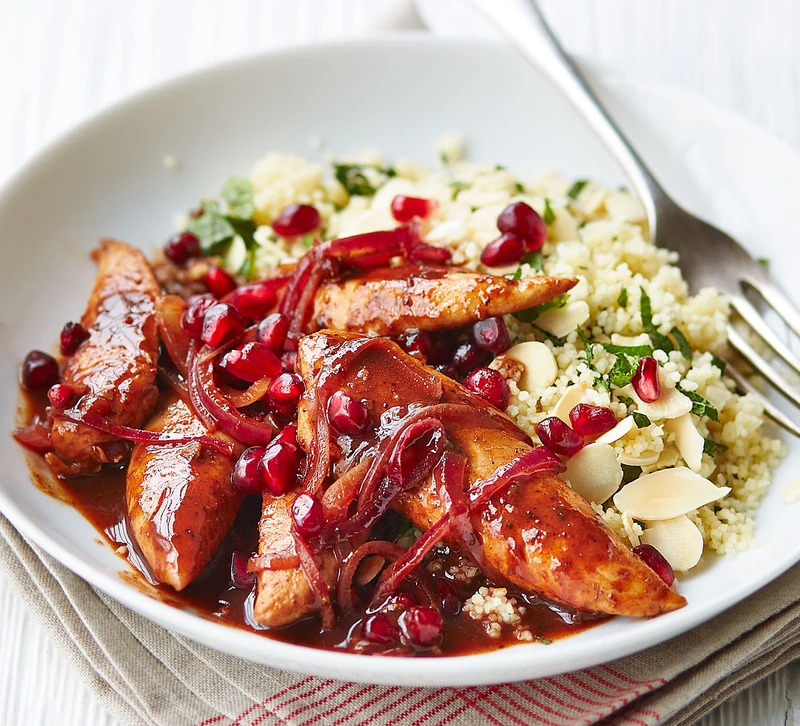
Pomegranate chicken with almond couscous FULL RECIPE

Super Food Spinach Salad with Pomegranate-Glazed Walnuts FULL RECIPE

Pomegranate-Orange Muffins FULL RECIPE
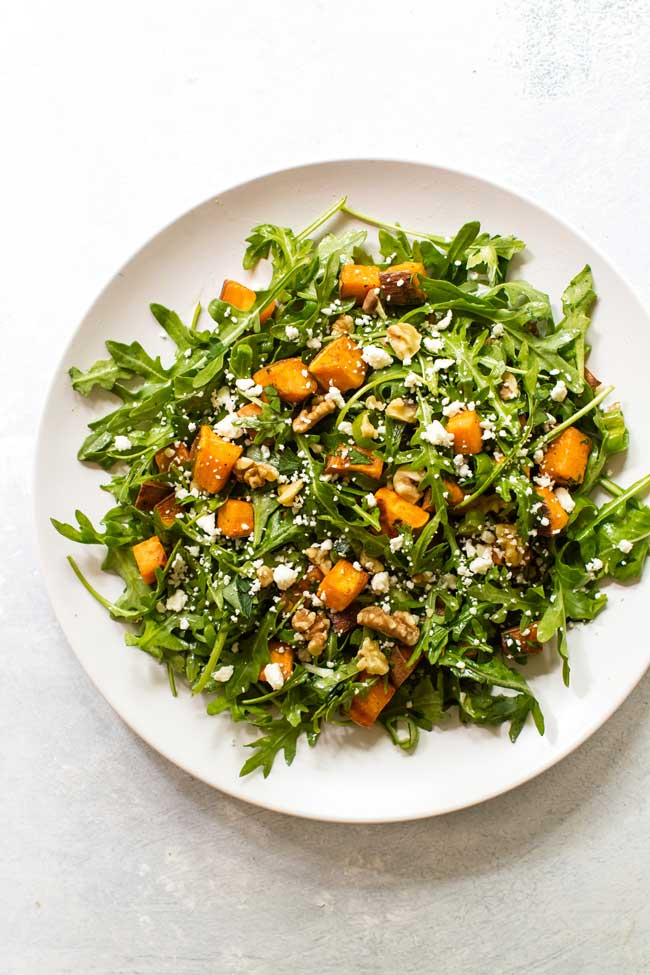
🍠 Roasted Sweet Potato & Arugula Salad with Pomegranate & Walnuts FULL RECIPE
🕊️ Final Offering: Boundaries and Blessings
As much as we strive to eat and learn healthy living, there are some people who cannot eat this fruit—or should use it with caution. Those with allergies, low blood pressure, or on certain medications may need to consult a trusted practitioner before ritualizing pomegranate into their diet. Even the most ancient fruit must respect modern boundaries.
“Not every seed is meant to be swallowed. Some are meant to be seen, remembered, and passed on.”
Let this be a reminder: nourishment is not just what we consume, but what we choose to honor. Whether you sip its juice, scatter its seeds, or simply reflect on its legacy, the pomegranate offers more than flavor; it offers a story. One of descent, return, and reverence.
 EJADA
EJADA 
Leave a comment