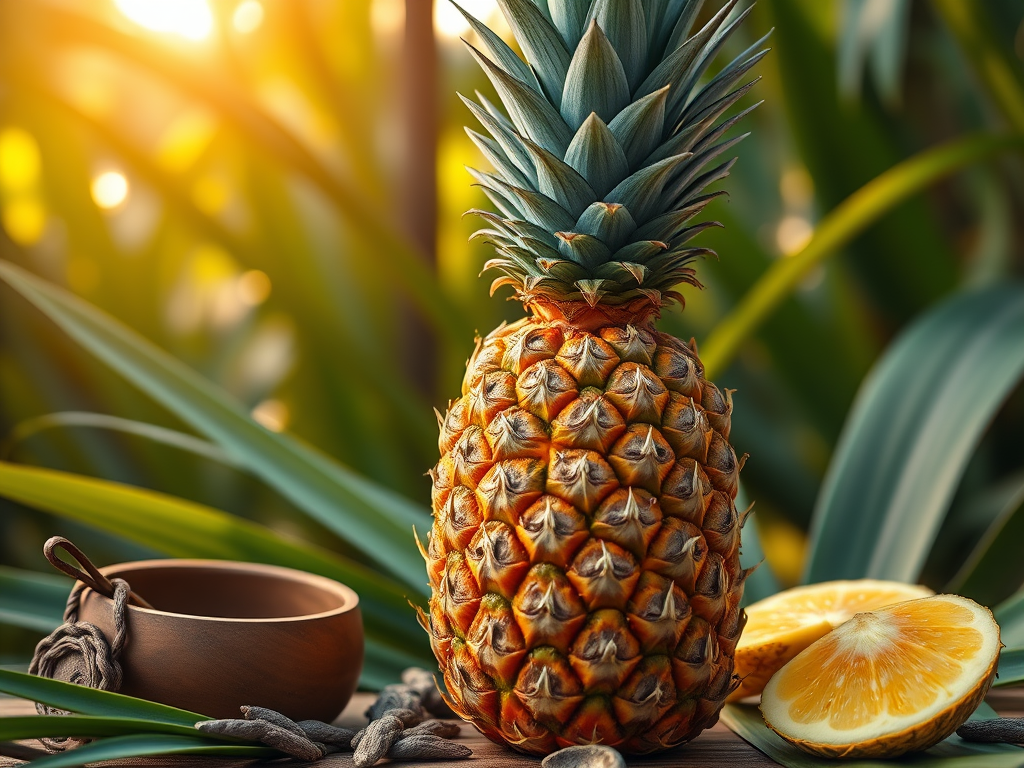
The Pineapple Origins and First Cultivation
- Who: Indigenous peoples of South America, notably the Tupi-Guarani, Carib, and Mayan civilizations.
- Where: The region around the Paraná and Paraguay Rivers—modern-day Brazil, Paraguay, and northern Argentina.
- When: Cultivation dates back centuries before European contact, likely as early as 2000 BCE, though exact dates are elusive due to oral traditions and limited archaeological records.
🍍 Little-Known Pineapple Fact: It’s Not Just One Fruit
Despite its familiar appearance, the pineapple is actually a composite fruit—formed from dozens of individual flowers, each producing its own fruitlet. These fruitlets fuse together around a central stalk, creating the spiky, golden body we know.
🌿 Botanical Insight
- Each “eye” on the pineapple’s surface is the remnant of a single flower.
- This fusion process is called multiple fruit formation, and it’s rare among cultivated crops.
- The pineapple’s crown can be replanted to grow a new plant—symbolizing regeneration and legacy.
🧘 Ceremonial Resonance
This fusion of many into one makes pineapple a powerful metaphor for community, interdependence, and shared nourishment.
- In healing rituals, it reminds us that individual contributions—like fruitlets—can create something collectively sustaining.
- In editorial pacing, it’s a botanical reminder that wholeness is layered, and sweetness often comes from integration.
🎯Purpose of Pineapple Cultivation
🌿 1. Sustenance & Staple Crop
- Indigenous peoples like the Tupi-Guarani, Carib, and Mayan cultivated pineapple as a nutrient-rich food source.
- Its natural sweetness and fiber made it ideal for feasting, daily nourishment, and fermentation.
- The fruit’s low starch content meant it didn’t ripen after harvest—requiring careful timing and ritualized harvesting.
🧵 2. Fiber & Utility
- Pineapple leaves were stripped and processed into strong, flexible fibers.
- Used for bowstrings, fishing lines, textiles, and ceremonial bindings.
- This utilitarian value elevated the plant beyond food—into the realm of craft, survival, and ritual preparation.
🍷 3. Fermentation & Ceremony
- Pineapple juice was fermented into alcoholic beverages used in tribal rites, seasonal transitions, and social bonding.
- These drinks weren’t just recreational—they were symbolic offerings, often consumed in affirmation rituals or ancestral gatherings.
- The fermentation process itself was a ceremonial act, requiring patience, timing, and communal knowledge.
🧘 4. Medicinal & Emotional Healing
- Pineapple was used to treat:
- Digestive issues (via bromelain)
- Inflammation and swelling
- Skin wounds and infections
- Fever and internal heat
- These uses were often ritualized, with the fruit offered in healing circles or applied with botanical chants and gratitude gestures.
🌀 5. Symbolic Resonance
- The pineapple’s structure—crown, body, and base—mirrored hierarchical balance, often used in ceremonial altars.
- Its dual nature (spiky outside, sweet inside) became a metaphor for emotional boundaries and inner generosity.
- In some cultures, it was planted near homes or communal spaces to invite abundance and protection.
“Healing from the Core: Pineapple’s Early Medicinal Legacy”
🌿 Botanical Insight
Long before bromelain was isolated in labs, Indigenous communities across South and Central America recognized pineapple as a healing ally. Its medicinal uses were layered with ritual, observation, and emotional care—often passed down through oral traditions and ceremonial practice.
🧪 Early Medicinal Benefits
1. Digestive Clarity
- Pineapple was consumed to ease indigestion, bloating, and gut discomfort.
- Its natural enzymes—especially bromelain—were believed to help break down proteins and support bowel regularity.
2. Anti-inflammatory Support
- Poultices made from pineapple flesh were applied to swollen joints, bruises, and insect bites.
- The cooling, enzymatic action was seen as a way to draw out heat and restore balance.
3. Wound Healing & Skin Care
- Juice and pulp were used to cleanse cuts, abrasions, and skin infections.
- In some traditions, pineapple was paired with other botanicals in healing salves or ritual baths.
4. Fever Reduction & Internal Cooling
- Pineapple was consumed during fevers to cool the body and restore hydration.
- Its high water content and refreshing acidity made it a ceremonial offering in heat-related illnesses.
5. Vermifuge & Antimicrobial Use
- Indigenous healers used pineapple as a vermifuge—to expel intestinal parasites.
- Its antimicrobial properties were also invoked in treating amoebic infections and gut imbalances.
🏰 European Encounter & Symbolism
🌍 First Encounter
- In 1493, Christopher Columbus encountered pineapple on Guadeloupe and called it piña de Indes (“little pine of the Indians”) for its resemblance to a pinecone.
- He declared it “the most delicious fruit in the world,” and early chroniclers like Oviedo and Pietro Martire d’Anghiera praised it as “not unworthy of a king’s table”.
🏰 Symbolism in Europe
1. Exoticism & Power
- Pineapple became a status symbol among European aristocracy—rare, perishable, and difficult to cultivate in cold climates.
- By the 17th century, Dutch and English horticulturists began growing pineapples in greenhouses, with single fruits valued at $8,000 in today’s currency.
2. Hospitality & Prestige
- Displaying a pineapple at feasts signaled wealth, generosity, and social standing.
- In colonial America, pineapples were placed at the entrance of homes to welcome guests, evolving into a universal symbol of hospitality.
3. Artistic & Architectural Motif
- Pineapple imagery adorned gateposts, staircases, fountains, and even St. Paul’s Cathedral in London.
- The Dunmore Pineapple folly in Scotland remains a monumental tribute to its symbolic weight.
🌀 Colonial Entanglement
- While celebrated in Europe, pineapple’s symbolism is also entangled with plantation slavery and colonial extraction.
- Its cultivation in the Caribbean and Americas was often tied to forced labor, making its European glamour a reflection of unequal exchange.
🙏 Ceremonial Reflection
To ritualize pineapple’s European symbolism is to hold both aesthetic admiration and ethical awareness.
- It reminds us that beauty and hospitality can be rooted in botanical generosity, but also colonial complexity.
- Let this post be a layered offering: honoring the fruit’s journey, the hands that cultivated it, and the stories it still carries.
🍍 “Spiky Outside, Sweet Within: Pineapple’s Digestive Wisdom”
🌿 Scientific Insight
Pineapple contains bromelain, a proteolytic enzyme that helps break down protein in the digestive tract.
- Study highlight: Research published in Biotechnology Research International (2012) found bromelain supports digestion and may reduce inflammation in the gut.
- Additional note: Bromelain is most concentrated in the pineapple core—often discarded, yet nutritionally potent.
Disclaimer: This post is for informational purposes only and does not constitute medical advice. Always consult a healthcare professional before making dietary changes.
🍍 Post Title: “Pineapple’s Healing Legacy: From Enzyme to Immunity”
🌿 Nutritional Profile
Pineapple (Ananas comosus) is rich in:
- Vitamin C (78.9 mg per cup) – supports immunity and collagen production
- Manganese – essential for bone health and antioxidant defense
- Bromelain – a proteolytic enzyme with anti-inflammatory and digestive properties
- Fiber – aids gut health and satiety
📚 Source: Healthline, 2025
🧪 Cited Health Benefits
1. Digestive Support
- Bromelain breaks down protein, easing digestion and improving nutrient absorption.
- Pineapple juice enhances prebiotic function, increasing beneficial gut bacteria.
2. Anti-inflammatory Action
- Bromelain reduces inflammation by modulating bradykinin, a pain mediator.
- Shown to reduce swelling post-surgery and in sports injuries.
3. Immune Boosting
- Vitamin C and bromelain collectively support immune function and reduce infection risk.
- Children consuming pineapple showed fewer viral and bacterial infections.
4. Arthritis Relief
- Bromelain supplements found as effective as standard pain treatments for osteoarthritis.
5. Antioxidant Protection
- Rich in flavonoids and phenolic compounds, pineapple helps reduce oxidative stress.
- May lower risk of chronic diseases like diabetes and cardiovascular conditions.
6. Cancer Risk Reduction
- Bromelain and antioxidants may reduce inflammation-linked carcinogenesis.
- Preliminary studies show promise, though human trials are ongoing.
7. Post-Surgical Recovery
- Bromelain reduces bruising, swelling, and pain after dental and skin procedures.
8. Liver & Vascular Health (Animal Studies)
- Pineapple lowered cholesterol and triglycerides in rats, reducing fatty liver markers.
- Improved vascular function and reduced arterial tension.
🧘 Emotional Nourishment
In ceremonial pacing, pineapple becomes more than a fruit—it’s a metaphor for resilience and receptivity.
- Its tough exterior mirrors our protective boundaries.
- Its sweetness within reminds us of the nourishment we offer when we feel safe and seen.
- Digestive clarity becomes emotional clarity: what we absorb, what we release, and what we choose to savor.
Despite its familiar appearance, the pineapple is actually a composite fruit—formed from dozens of individual flowers, each producing its own fruitlet. These fruitlets fuse together around a central stalk, creating the spiky, golden body we know.
🌿 Botanical Insight
- Each “eye” on the pineapple’s surface is the remnant of a single flower.
- This fusion process is called multiple fruit formation, and it’s rare among cultivated crops.
- The pineapple’s crown can be replanted to grow a new plant—symbolizing regeneration and legacy.
🧘 Ceremonial Resonance
This fusion of many into one makes pineapple a powerful metaphor for community, interdependence, and shared nourishment.
- In healing rituals, it reminds us that individual contributions—like fruitlets—can create something collectively sustaining.
- In editorial pacing, it’s a botanical reminder that wholeness is layered, and sweetness often comes from integration.
“From Kitchen to Core: Pineapple’s Culinary Versatility & Nutritional Wisdom”
🍽️ Culinary Uses: Rituals of Flavor
Pineapple’s sweet-tart profile and fibrous texture make it a culinary shapeshifter, appearing in both sacred feasts and everyday nourishment:
1. Fresh & Raw
- Sliced into rings, chunks, or spears for cleansing rituals, fruit bowls, or digestive resets.
- Often paired with mint, lime, or chili in ceremonial snacks across Latin America and Southeast Asia.
2. Grilled or Roasted
- Caramelizes beautifully—used in healing broths, plant-based skewers, or ritual feasts.
- Fire transforms its sugars, deepening flavor and symbolic warmth.
3. Fermented & Juiced
- Used in tepache, a traditional Mexican fermented drink, and other ancestral tonics.
- Juiced for digestive clarity, often paired with turmeric or ginger.
4. Savory Pairings
- Featured in Caribbean rice dishes, Asian stir-fries, and tropical salsas.
- Symbolizes balance—sweetness softening spice, acidity lifting richness.
5. Desserts & Ritual Sweets
- Baked into cakes, blended into whips, or frozen into popsicles.
- Often used in seasonal transitions, marking celebration or closure.
🌿 Nutritional Benefits: Botanical Insight
One cup (165g) of pineapple offers:
| Nutrient | Amount | Benefit |
|---|---|---|
| Vitamin C | 78.9 mg | Immunity, collagen, antioxidant support |
| Manganese | 1.5 mg | Bone health, metabolism |
| Bromelain | — | Digestion, anti-inflammatory effects |
| Fiber | 2.3 g | Gut health, satiety |
| Vitamin B6 | 0.185 mg | Energy metabolism, brain function |
| Copper | 0.181 mg | Red blood cell formation |
📚 Source:
Bromelain’s benefits are supported by studies such asHikisz et al., 2021andMuhammad et al., 2017.
🍍 Ceremonial Resonance: The Pineapple as Ritual Architecture
🧘 Botanical Structure as Symbol
The pineapple’s form is a ceremonial blueprint:
- Crown: Represents sovereignty, legacy, and spiritual elevation
- Body: Embodies sweetness, nourishment, and emotional generosity
- Base: Grounds us in reciprocity, rootedness, and ancestral care
Each “eye” on its surface is a fused flower—reminding us that wholeness is communal, and sweetness is layered through interdependence.
🌿 Ritual Nourishment in Cultural Practice
1. Welcoming & Hospitality
- In Caribbean and colonial American traditions, pineapples were placed at entrances or tables to signal radical welcome.
- In ceremonial design, they became centerpieces of abundance, openness, and emotional safety.
2. Seasonal Transitions & Feasts
- Served during solstices, harvests, and equinoxes to mark completion and renewal.
- Grilled, fermented, or sliced into rings—each preparation a symbolic gesture of transformation.
3. Digestive Healing & Emotional Clarity
- Juiced or paired with turmeric and mint in gut-healing rituals.
- Used to support emotional release, especially during endings or recalibrations.
4. Legacy & Farewell Rituals
- Included in gratitude-rich send-offs, where its sweetness honors what was, and its crown points toward what’s next.
- A botanical metaphor for transforming endings into nourishing beginnings.
🌀 Emotional Resonance
Pineapple teaches us:
- To protect our boundaries (spiky exterior)
- To offer sweetness when safe (inner flesh)
- To honor complexity (fused fruitlets)
- To ritualize nourishment (not just consume it)
It becomes a ceremonial companion—present in healing, transition, and celebration.
🍍 Nourishment Recipes Featuring Pineapple
🌞 1. Morning Pineapple Ginger Wellness Drink
A daily ritual for digestive clarity and emotional grounding
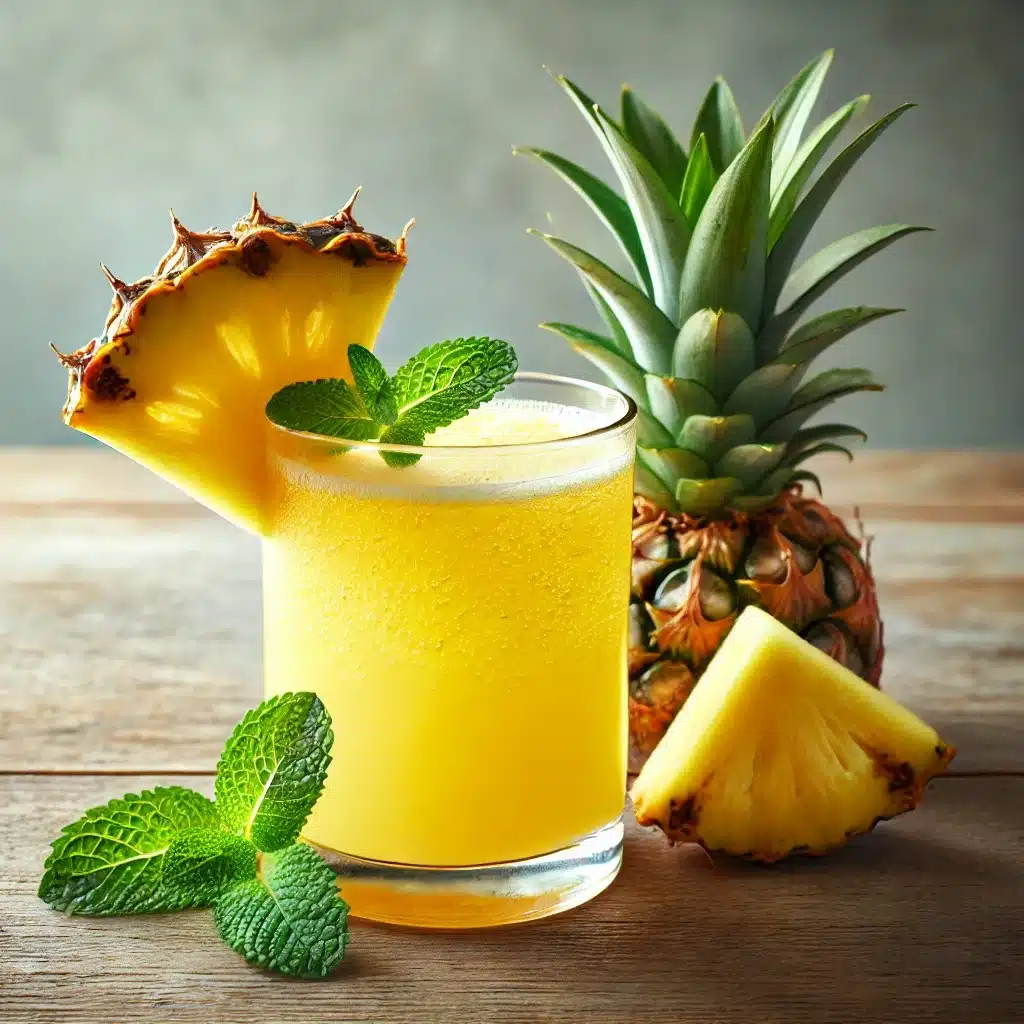
🧪 Bromelain supports protein breakdown; ginger eases bloating and nausea. 📚CookUpTaste Wellness Ritual
Ingredients
- ½ cup fresh pineapple chunks
- 1 tsp grated fresh ginger
- Juice of ½ lemon
- 1 cup water (still or sparkling)
🌿 2. Pineapple & Cucumber Detox Tonic
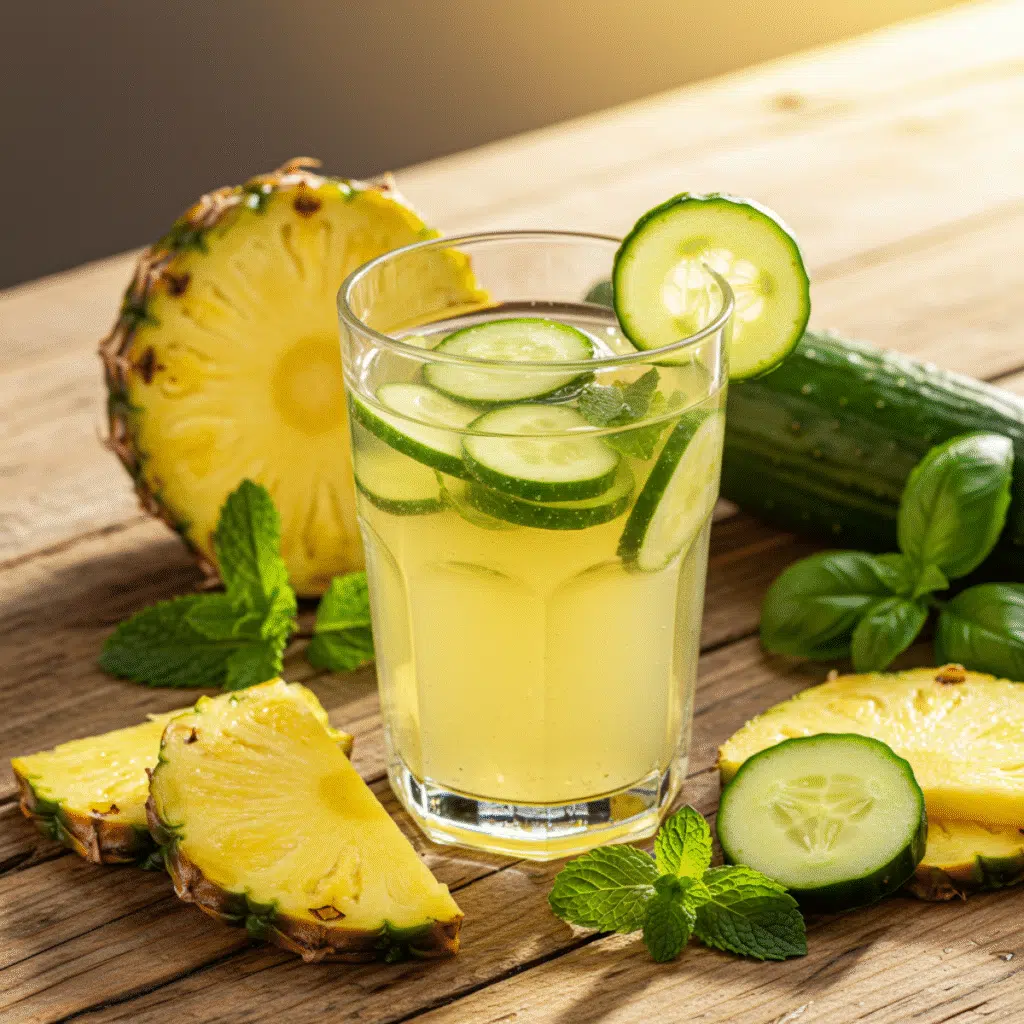
🧪 Cucumber offers potassium and magnesium; pineapple enzymes support liver and kidney function. 📚NourishWell Ritual Cleanse
A seasonal reset for hydration and emotional release
Ingredients
- 1 cup pineapple chunks
- ½ cucumber, sliced
- 1 sprig mint
- 1 tsp chia seeds (optional)
- 2 cups water
🔥 3. Grilled Pineapple with Lime & Mint
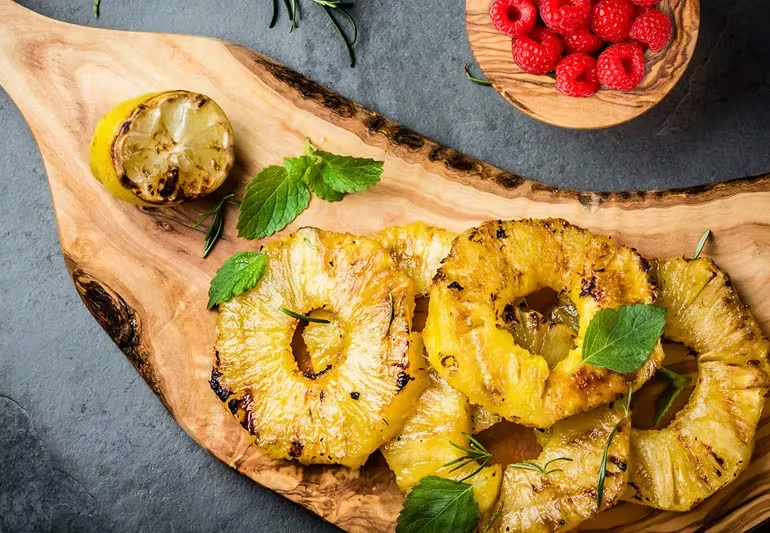
A farewell feast offering—sweetness transformed by fire
Ingredients
- Pineapple rings
- Juice of 1 lime
- Fresh mint leaves
- Pinch of sea salt
Preparation: Grill pineapple until caramelized. Drizzle with lime, sprinkle mint and salt. Serve during legacy send-offs or gratitude-rich gatherings.
🌿 Nutritional & Healthline-Backed Benefits
Grilled pineapple retains most of its nutrients while enhancing digestibility:
Nutrient Benefit Vitamin C Immunity, collagen synthesis Manganese Bone health, antioxidant defense Bromelain Protein digestion, anti-inflammatory effects Fiber Gut health, satiety 📚 Healthline confirms
Pineapple supports digestion, immunity, arthritis relief, and post-surgical recovery—especially due to bromelain’s enzymatic action. @Healthline
Grilling may soften fibers, making nutrients more bioavailable and easing absorption—especially after heavy meals or emotional transitions.Symbolizes transformation, warmth, and emotional generosity
🍧 4. Frozen Pineapple Whip
A cooling ritual for emotional clarity and digestive ease
Ingredients
- 1½ cups frozen pineapple chunks
- ¼ cup coconut milk
- Dash of lemon juice
Preparation Blend until creamy. Serve in quiet moments of reflection or post-ritual cool-downs. FULL RECIPE
🧘 A gentle offering for inner sweetness and digestive restoration.
Each recipe is a ritual—an invitation to pause, digest, and honor the botanical wisdom within. Pineapple’s culinary presence becomes a ceremonial companion, nourishing not just the body, but the transitions that shape our days.
“Sweetness with Wisdom: Pineapple’s Health Benefits & Precautions”
🌿 Botanical Insight
Pineapple (Ananas comosus) is more than a tropical delight—it’s a nutrient-dense fruit with bioactive compounds like bromelain, vitamin C, and manganese, offering both digestive clarity and anti-inflammatory support.
🧪 Health Benefits (Cited & Layered)
| Benefit | Mechanism & Source |
|---|---|
| Digestive Support | Bromelain breaks down protein, easing absorption and reducing bloating |
| Anti-inflammatory Action | Bromelain modulates pain mediators like bradykinin; may reduce swelling |
| Immunity Boost | High vitamin C supports white blood cell function and collagen synthesis |
| Arthritis Relief | Bromelain shown to ease osteoarthritis symptoms in clinical trials |
| Post-Surgical Recovery | Reduces bruising and inflammation after dental and skin procedures |
| Antioxidant Protection | Rich in flavonoids and phenolic compounds; reduces oxidative stress |
| Liver & Vascular Health | Animal studies show cholesterol-lowering and heart-protective effects |
⚠️ Precautions & Considerations
1. Bromelain Sensitivity
- May cause mouth irritation, tongue burning, or nausea in sensitive individuals
- Unripe pineapple may trigger stomach upset or diarrhea
2. Allergic Reactions
- Rare, but possible—watch for itching, swelling, or difficulty breathing
- Seek medical attention if symptoms escalate
3. Medication Interactions
- Bromelain may interact with blood thinners or antibiotics like amoxicillin
- Consult a healthcare provider if taking prescription medications
4. Blood Sugar Considerations
- One cup contains ~16g of sugar—those with diabetes or on ketogenic diets should moderate intake
5. Pregnancy & Breastfeeding
- Bromelain supplements are not well-studied in pregnancy; fresh pineapple in moderation is generally safe
🙏 Ceremonial Closing
Pineapple’s healing is layered—sweetness, structure, and caution. To honor its botanical wisdom is to honor both its gifts and boundaries. Let this post be a gratitude-rich offering: to the growers, the healers, and the quiet rituals of nourishment that shape our days.
📜 Disclaimer
This content is for informational and educational purposes only. It does not constitute medical advice, diagnosis, or treatment. Always consult a qualified healthcare professional before making dietary changes or using pineapple therapeutically—especially if you have allergies, chronic conditions, or are taking medications.
Gratitude-Rich Transition
As we honor the pineapple’s botanical wisdom, we also honor the Indigenous agricultural legacy that first cultivated it—not for commerce, but for ceremony, sustenance, and reciprocity.
Let this post be a small offering of thanks: To the growers, the ancestors, and the quiet rituals of digestion that shape our days.
 EJADA
EJADA 
Leave a comment