
🥭 Philippine Mango: Culinary Muse & Cultural Rhythm
Before it nourishes, it dazzles. The Philippine mango—especially the Carabao variety—is a culinary shapeshifter: sweet, tangy, creamy, and bold. Whether ripe or raw, it dances across dishes with flair.
🍽️ Culinary Uses: From Tangy to Tender
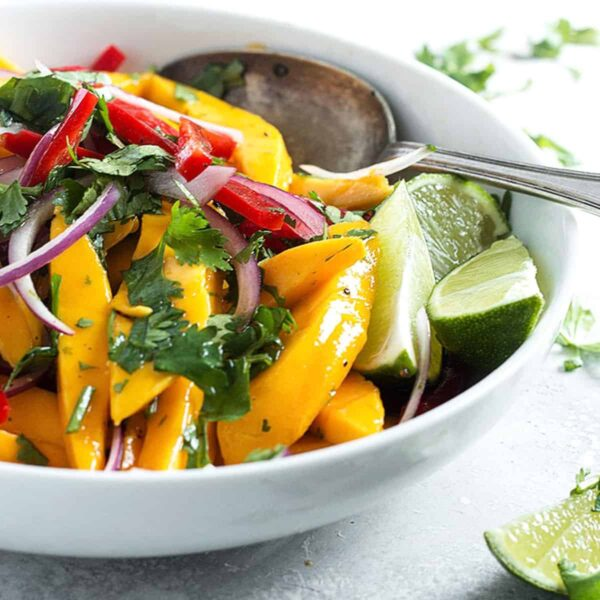
Ensaladang Mangga: Zesty green mango salad with vinegar, chili, and onions
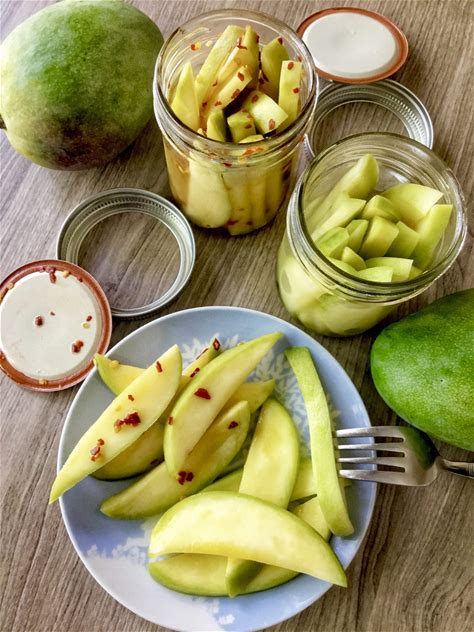
Burong Mangga: Pickled mango strips—spicy, sour, and deeply Filipino
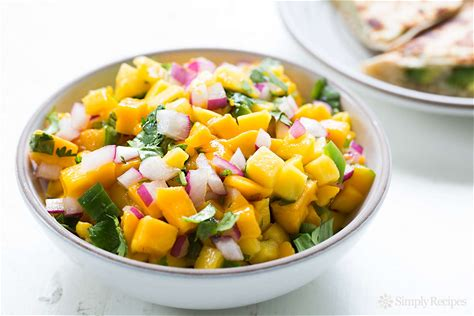
Mango Salsa: Ripe mango with jalapeños and cilantro—ideal for tacos or grilled fish
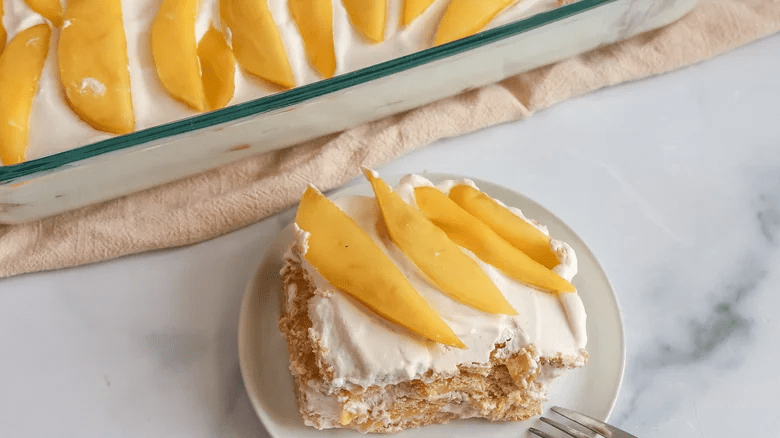
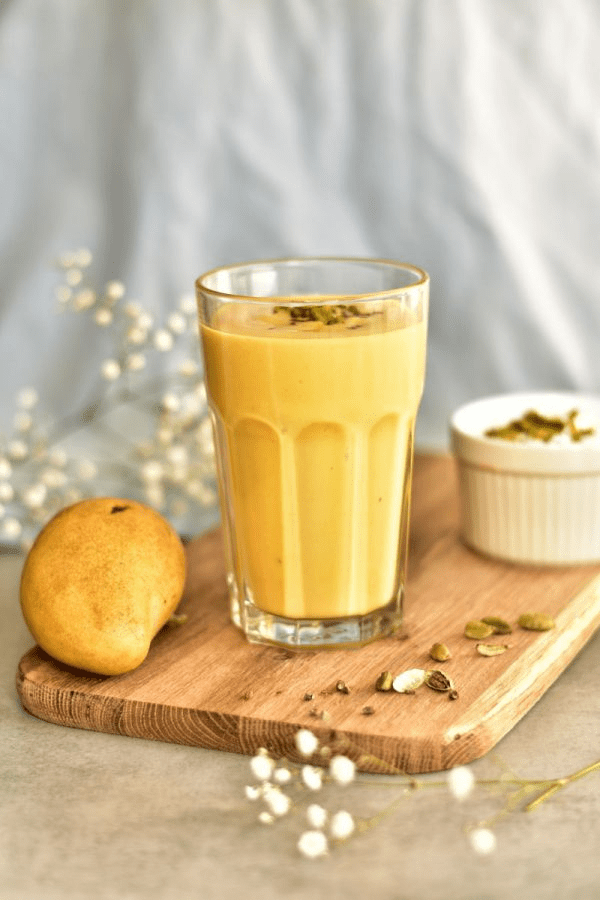
Mango Lassi: Creamy yogurt drink with mango purée and spices
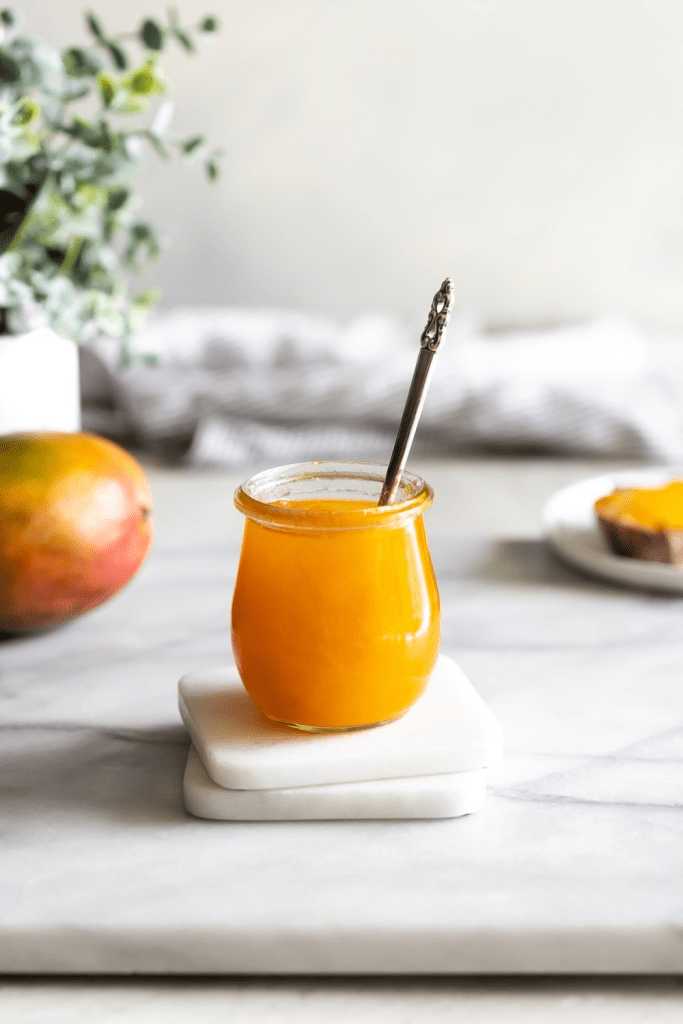
Seasonal Jams & Sauces: Ripe mangoes simmered into spreads or glazes
📚 Explore Culinary Sources
- PinasCuisine – “Why Use Philippine Mangoes in Your Seasonal Dishes?” by A. Pineda
- Highlights the mango’s versatility in salsas, salads, sauces, and desserts
- Notes the fruit’s vibrant color and creamy texture as culinary assets
- Emphasizes support for local farmers and sustainable agriculture View source
- Lola’s Recipes – “7 Unique Filipino Food Using Raw Mangoes” by Nicky Mariano
- Details traditional dishes like Ensaladang Mangga, Burong Mangga, and green mango slaw
- Explores the tangy appeal of raw mangoes in Filipino cuisine
- Offers cultural context for mango-based side dishes and condiments View source
- The Cooking Facts – “Mango Magic: Unlocking the Culinary Potential of Raw and Ripe Mangoes” by Javier Porter
- Explores global culinary applications of mangoes, including chutneys, lassis, and salsa
- Breaks down flavor profiles and pairing strategies for both raw and ripe mangoes
- Provides nutritional context for mango-based drinks and desserts View source
Culinary sources:PinasCuisine – Seasonal Dishes with Philippine MangoesLola’s Recipes – Raw Mango DishesThe Cooking Facts – Mango Culinary Potential
🥭 Vitamins in the Philippine Mango: Sweetness with Substance
🌞 Vitamin C (Ascorbic Acid)
- Content: Up to 122 mg per fruit (≈136% Daily Value)
- Benefits: Boosts immunity, supports collagen production, aids iron absorption, and accelerates wound healing.
- Symbolic resonance: Often seen as the “sunshine vitamin” of fruits—radiant, protective, and energizing.
🌿 Folate (Vitamin B9)
- Content: ~18–36% Daily Value per cup
- Benefits: Essential for DNA synthesis and cell division; especially vital during pregnancy.
- Ritual tie-in: Often included in fertility and renewal rituals across cultures.
🔥 Vitamin B6 (Pyridoxine)
- Content: ~11–24% Daily Value
- Benefits: Supports brain development, mood regulation, and metabolism.
- Editorial note: A quiet hero in emotional and neurological health.
👁️ Vitamin A (as Beta-Carotene)
- Content: ~10–20% Daily Value
- Benefits: Promotes eye health, skin integrity, and immune function.
- Symbolic overlay: Vision, clarity, and ancestral foresight.
💧 Vitamin E
- Content: ~10–20% Daily Value
- Benefits: Antioxidant protection, skin nourishment, and cellular repair.
- Cultural echo: Often linked to longevity and beauty rituals.
🧂 Other Notables
- Vitamin K: ~6–12% DV – supports blood clotting and bone health.
- Niacin (B3): ~7–14% DV – aids energy production and skin health.
- Pantothenic Acid (B5): ~13% DV – supports adrenal function and stress response.
- Riboflavin (B2), Thiamin (B1), Choline: present in smaller but meaningful amounts.
🌱 Cultivation & Cultural Origins:
- Indigenous Filipino communities cultivated mangoes with seasonal smudging rituals
- Regions like Guimaras, Zambales, and Pangasinan are mango heartlands
- Mangoes symbolize abundance, hospitality, and Filipino pride
- Celebrated in festivals like Dinamulag and Manggahan
Cultural sources:ArcGIS StoryMaps
🌿 Early Health Beliefs: Rituals, Remedies, and Reverence
- Healing rituals included sweat lodges, fasting, chanting, and communal storytelling.
- These practices emphasized not just physical recovery, but emotional release and ancestral connection.
🧂Symbolic Ingredients
- Salt, honey, and vinegar held dual roles—preservative and purifier, medicine and metaphor.
- Their use reflected a belief in balance: sweet and sour, sterile and sacred.
🕊️ Legacy of Care
- Elders passed down healing knowledge through oral tradition, often encoded in lullabies, proverbs, or seasonal recipes.
- Health was not individualized—it was intergenerational, communal, and deeply relational.
🥭 Philippine Mango: Sweetness Rooted in Legacy
The Philippine mango—especially the Carabao variety—is more than a fruit. It’s a botanical heirloom, a ceremonial offering, and a scientifically supported source of nourishment. From ancestral cultivation to modern-day wellness, its journey is both poetic and practical.
🌱 Cultivation & Cultural Origins
- Indigenous Filipino communities cultivated mangoes using lunar planting cycles, seasonal smudging, and communal orchard tending.
- Guimaras Island’s mangoes are hand-pruned and organically grown, often blessed before harvest.
- Mango leaves are strung across doorways during weddings and holidays to invite abundance and ward off misfortune.
- Mango festivals like Dinamulag celebrate the fruit as a symbol of hospitality, resilience, and national pride.
💪 Modern-Day Health Benefits
- Vitamin C: Supports immunity, collagen production, and iron absorption.
- Folate (B9): Vital for DNA synthesis and prenatal health.
- Vitamin A (Beta-Carotene): Promotes eye health and skin integrity.
- Vitamin B6 & E: Aid mood regulation, cellular repair, and neurological function.
- Mango’s polyphenols—like mangiferin—offer antioxidant and anti-inflammatory support.
🧂 Symbolic Resonance
- Mangoes represent sweetness after struggle, clarity after rain.
- Their golden flesh is often used in rituals of gratitude, transition, and renewal.
- In Filipino cuisine, mangoes balance fire and sweetness—often paired with salt or chili to symbolize resilience and joy.
⚠️ Disclaimer
This post is intended for educational and cultural enrichment only. Nutritional values may vary by variety and preparation. Always consult a qualified health professional before making dietary changes, especially if managing chronic conditions or allergies. Cultural references are shared with respect and are not prescriptive.
💪 Modern-Day Health Benefits: From Ritual to Research
Today’s wellness landscape is a tapestry woven from ancestral wisdom, clinical evidence, and personal agency. While early health beliefs laid the foundation, modern-day benefits are now measured, monitored, and often ritualized anew.
🧬 Evidence-Based Nutrition
- Nutrients like omega-3s, fiber, and antioxidants are no longer just folklore—they’re clinically linked to heart health, cognitive function, and reduced inflammation.
- Fermented foods (like kimchi or kefir) support gut microbiota, now recognized as central to immunity and mood regulation.
🧘♀️ Mind-Body Integration
- Practices like yoga, tai chi, and breathwork are validated by neuroscience for reducing cortisol and enhancing neuroplasticity.
- Meditation isn’t just spiritual—it’s structural, shown to increase gray matter density in regions tied to memory and empathy.
🏃♂️ Movement as Medicine
- Regular physical activity lowers risk of chronic diseases, improves sleep, and boosts mood through endorphin release.
- Even micro-movements—like stretching or walking meetings—are reframed as rituals of vitality.
🌞 Circadian Alignment
- Exposure to natural light, consistent sleep schedules, and mindful eating rhythms support hormonal balance and metabolic health.
- Chronobiology now affirms what ancestral healers intuited: timing matters.
🧠 Emotional Literacy
- Mental health is no longer siloed—emotional regulation, community support, and trauma-informed care are central to holistic well-being.
- Journaling, therapy, and expressive arts are reframed as tools of resilience, not just recovery.
🧂Symbolic Supplements
- Ingredients like turmeric, ashwagandha, and magnesium are both scientifically supported and symbolically rich—bridging ancient ritual with modern formulation.
- Their use reflects a return to intentionality: not just what we consume, but why.
| Benefit | Details |
|---|---|
| 🧠 Memory & Focus | Rich in glutamine acid, supports brain function |
| 💖 Heart Health | High in potassium, helps regulate blood pressure |
| 🛡️ Immunity Boost | Packed with vitamin C, A, and carotenoids |
| 🔥 Anti-Cancer Properties | Contains polyphenols like quercetin and astragalin |
| 🌿 Digestive Support | Enzymes and fiber aid protein breakdown and gut health |
| 🧘♀️ Weight Management | Low-calorie, high-fiber snack that curbs cravings |
🚫 Who May Not Benefit from the Philippine Mango: Boundaries in Sweetness
While the Philippine mango is celebrated for its vibrant nutrients and ceremonial significance, not everyone can safely enjoy its benefits. Honoring these boundaries is part of ethical wellness storytelling.
⚠️ Allergic Reactions
- Some individuals experience contact dermatitis from mango skin or sap, especially those sensitive to urushiol, the same compound found in poison ivy.
- Symptoms may include itching, swelling, or rash—requiring complete avoidance or medical guidance.
🩺 Blood Sugar Sensitivity
- Mangoes contain natural sugars (~22g per cup), which may spike blood glucose levels in individuals with diabetes or insulin resistance.
- While fiber and polyphenols offer balancing effects, portion control and timing are essential.
🧠 Histamine Intolerance
- Mangoes may trigger reactions in those with histamine sensitivity, leading to headaches, hives, or digestive discomfort.
- This is especially relevant in fermented or overripe mango preparations.
🧂Dietary Restrictions & Cultural Boundaries
- Certain religious or cultural dietary frameworks may limit tropical fruit consumption during fasting, purification, or seasonal rituals.
- In some traditions, mangoes are reserved for ceremonial use only—not everyday nourishment.
🧬 Medication Interactions
- Mango’s high vitamin A and antioxidant content may interact with retinoid-based medications or blood thinners.
- Always consult a healthcare provider before integrating mango into therapeutic diets.
🕊️ Symbolic Note
Exclusion does not erase reverence. For those who cannot consume mango, its symbolic sweetness—resilience, joy, and ancestral connection—can still be honored through ritual, storytelling, and visual design. Sometimes, the fruit’s legacy is best carried not in the body, but in the archive.
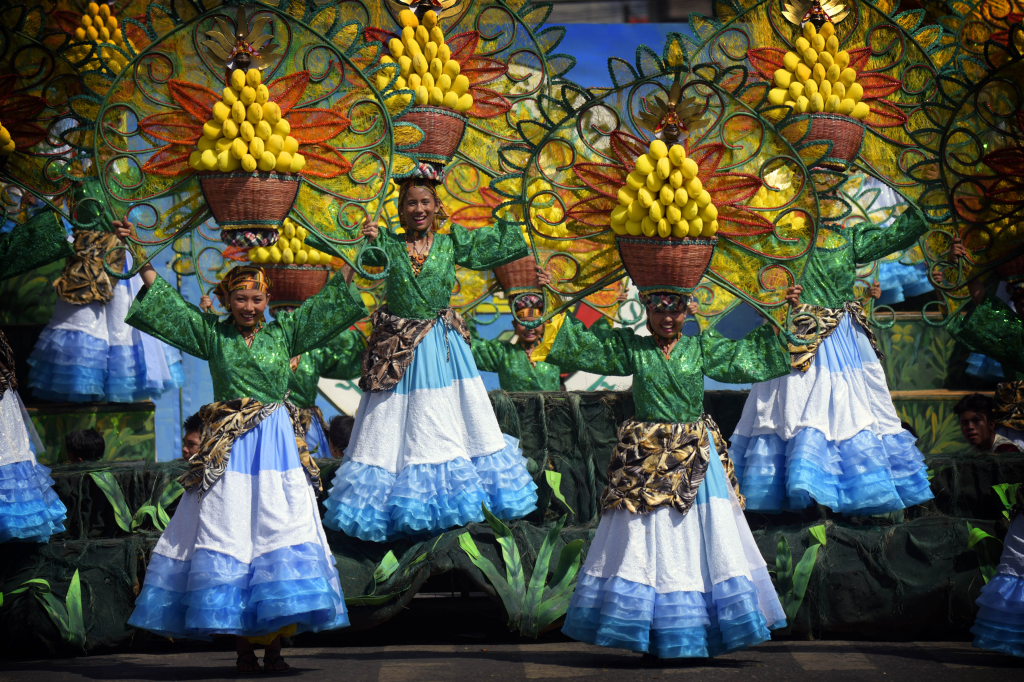
🕊️ Philippine Mango Ceremony Ritual: Sweetness Offered, Legacy Honored
In mango-growing regions like Guimaras and Zambales, the mango harvest is not merely agricultural—it’s ceremonial. The ritual celebrates the mango as a botanical blessing, a cultural emblem, and a spiritual offering.
🌿 Ritual Setting
- Held beneath mature Carabao mango trees, often near ancestral homes or community chapels.
- Altars are adorned with woven baskets of mangoes, banana leaves, candles, and mango blossoms.
- Mango leaves are strung across doorways and altars to invite abundance and ward off misfortune.
🧺 Core Ritual Elements
- Blessing of the Orchard: Elders and farmers offer prayers to the land, invoking protection and gratitude for the season’s yield.
- Offerings to Nature Spirits: Mangoes, rice, coconut, and salt are placed at the altar—each symbolizing sweetness, sustenance, and preservation.
- Communal Chanting or Singing: Folk songs or whispered prayers are shared, often invoking ancestral guardians or Catholic saints.
- Ceremonial Tasting: The first mangoes of the season are sliced and shared, often paired with sticky rice or coconut cream—transforming offering into nourishment.
🎭 Symbolic Performance (Guimaras Manggahan Festival)
- Dancers perform mango-themed rituals, mimicking the growth of mango trees, rain invocation, and harvest joy.
- Props include bamboo nets, mango-shaped tricycles, and golden costumes—celebrating fertility, resilience, and sweetness.
🧘♀️ Emotional & Spiritual Resonance
- The ritual honors intergenerational labor, ancestral wisdom, and seasonal transitions.
- For many, it’s a moment of emotional recalibration—offering thanks, releasing grief, and welcoming renewal.
📸 Image Reference
You can explore visual cues from the Guimaras Mango Festival on Atlas Obscura, and Matador Network’s coverage, which document mango-themed performances, altar arrangements, and community rituals.
🍍 Pineapple: Radiance in Every Slice
Following the legacy of the Philippine mango, the pineapple joins the lineup of “P” fruits with its own golden glow. Native to South America but deeply rooted in Filipino cuisine and hospitality rituals, pineapple is a fruit of welcome, vitality, and digestive support.
🌞 Nutritional Highlights
- Vitamin C: Supports immunity and skin health.
- Bromelain: A natural enzyme that aids digestion and reduces inflammation.
- Manganese: Essential for bone strength and metabolic function.
- Antioxidants: Help combat oxidative stress and support cellular repair.
🕊️ Symbolic Resonance
- In Filipino homes, pineapple motifs often appear in textiles and architecture—symbolizing warmth, generosity, and abundance.
- Served in festive dishes like pininyahang manok (pineapple chicken), it bridges sweetness and savor, ritual and nourishment.
⚠️ Disclaimer
This post is intended for educational and cultural enrichment only. Nutritional values may vary by variety and preparation. Individuals with bromelain sensitivity, acid reflux, or certain medication interactions should consult a qualified health professional before increasing pineapple intake. Cultural references are shared with respect and are not prescriptive.
 EJADA
EJADA 
Leave a comment