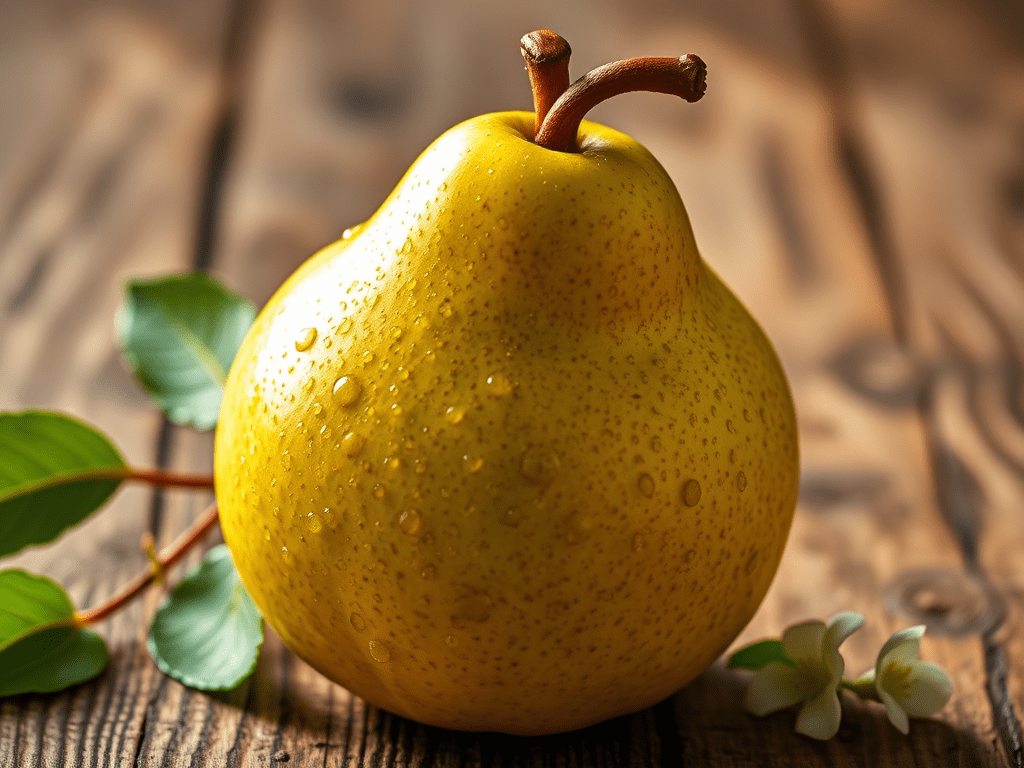
🍐 Origins & Cultural Resonance
Ancient Cultivation: Pears have been cultivated for over 3,000 years, with roots in Western Asia and Europe.
Divine Status: In ancient Greece, pears were considered a gift from the gods, praised by Homer himself.
Global Spread: European settlers introduced pears to North America in the 1600s, while China cultivated them as early as 1100 BC.
Pears are more than just a tasty snack; they pack a punch with their rich history and surprising benefits. Did you know that pears have been enjoyed since ancient times? These juicy fruits were beloved by the Greeks and Romans.
Pears come in over 3,000 varieties, each with its unique flavor and texture.
🌿 Botanical & Symbolic Layers
Rosaceae Family: Pears belong to the rose family, alongside apples, cherries, and almonds—a poetic lineage if ever there was one.
Symbolism: Across cultures, pears have symbolized immortality, fertility, and sensuality, appearing in art by Van Gogh, Renoir, and Gauguin.
🧬 Nutritional & Sensory Profile
Fiber-Rich: A medium pear offers 5.5 grams of fiber, aiding digestion and heart health.
Vitamin Boost: High in vitamin C, potassium, and copper, pears support immunity and cellular function.
Low-Calorie Delight: With around 101 calories, pears are a guilt-free indulgence.
🍐 Top Nutritional Benefits of Pears
Whether poached in piloncillo or folded into orchard-rooted crisps, pears carry a consistent nutritional signature that’s both gentle and powerful. Here’s a distilled overview of their top nutritional benefits.
| Benefit | Key Nutrients & Compounds | Editorial Notes & Symbolic Resonance |
|---|---|---|
| Digestive Harmony | 3.1g fiber per 100g (mostly pectin) | Supports gut pacing and satiety; ideal for ritualized nourishment |
| Immune System Boost | Vitamin C (7% RDA) + antioxidants | Enhances white blood cell function; orchard-rooted resilience |
| Heart Health Support | Soluble fiber + flavonoids | Reduces LDL cholesterol and inflammation; botanical clarity |
| Blood Sugar Regulation | Low glycemic index + fiber | Stabilizes glucose absorption; ideal for metabolic overlays |
| Wound Healing & Skin Repair | Vitamin C + copper | Promotes collagen synthesis; cellular renewal |
| Detoxification | Pectin + water content | Aids liver and kidney function; symbolic cleansing |
| Bone Mineralization | Vitamin K + trace calcium | Supports skeletal integrity; grounding nourishment |
| Anti-Inflammatory Properties | Flavonoids + polyphenols | Mitigates chronic pain and aging; orchard-rooted calm |
| Pregnancy Support | Folic acid + fiber | Prevents neural tube defects; gentle ceremonial pacing |
| Nutrient Uptake Enhancement | Copper | Improves iron absorption; metabolic synergy |
🍽️ Culinary Versatility
Butter Fruit: Historically nicknamed “butter fruit” for their silky texture.
Varietal Diversity: Over 3,000–5,000 cultivars exist. Popular types include:
- Bartlett: Sweet and juicy—America’s favorite
- Bosc: Firm and ideal for baking
- Anjou: Smooth and subtly flavored
- Comice: Often considered the sweetest
🧠 Quirky Trivia
Heaviest Pear: The largest recorded pear weighed over 3 pounds—a heavyweight in the fruit world.
Stone Cells: Pears contain stone cells in their skin, giving that signature gritty texture.
21 Fun Facts About Pears
Ready to bite into a world of pears? It’s time to discover the delicious world of Bartletts, Boscs & Anjous with these fun facts about pears!
🏆 Bartlett Pear: The Quintessential Favorite
- Most Common in the U.S.: Bartletts dominate grocery shelves and canned fruit aisles, earning the nickname “canning pear” for their ideal texture and sweetness.
- Classic Shape: That iconic pear silhouette—round bottom, tapering top—is modeled after the Bartlett. It’s the one kids draw and the one that shows up in pear-flavored candy.
- Flavor Profile: Juicy, sweet, and aromatic. When perfectly ripe, it’s soft and luscious—but blink and it overripens.
- Color Variants:
- Green Bartlett: Turns yellow as it ripens.
- Red Bartlett: Slightly more robust in flavor, with a striking hue.
🧬 Historical Roots
- Originally known as Williams’ Bon Chrétien in England.
- Renamed “Bartlett” when introduced to the U.S. in the early 1800s by Enoch Bartlett, who didn’t know it already had a name.
🍐 Rare Pears with Cultural Depth
1. Coscia dell’Etna (Sicily)
- Profile: Small, early-summer pear with green-yellow skin and a pink blush.
- Terrain: Thrives on Mount Etna’s volcanic slopes.
- Ritual Use: Harvested during the first warm breezes of June—symbolic of renewal and ancestral timing.
- Proverbial Echo: “Al contadino non far sapere quanto è buono il formaggio con le pere” (“Don’t let the farmer know how good cheese is with pears”)—a Sicilian wink at indulgence and secrecy.
2. Facci Bedda (“Beautiful Face”)
- Origin: Sicilian dialect name, often gifted during courtship or family reunions.
- Symbolism: Associated with beauty, hospitality, and feminine grace.
- Texture: Soft, floral, and ephemeral—used in dry farming to honor nature’s rhythm.
3. Ucciardona
- Profile: Rugged, drought-tolerant, with concentrated sweetness.
- Cultural Role: Grown in resistance to industrial farming—seen as a fruit of resilience and memory.
- Harvest Ritual: Often picked by hand in late summer, with songs or stories shared among elders.
4. Settembucca (“Seven-in-a-Mouth”)
- Name Origin: Refers to its small size and intense flavor—seven bites in one.
- Use: Eaten fresh during communal gatherings, often paired with herbal infusions or aged cheese.
- Symbolism: Abundance in smallness, a metaphor for concentrated joy.
🧭 Rituals Beyond the Orchard
- Chinese Pear Rituals: In China, pears symbolize longevity and prosperity. They’re traditionally used to soothe coughs, reduce phlegm, and are never shared between lovers—splitting a pear is believed to symbolize separation.
- Dry Farming Ceremonies: In Sicily, heirloom pears are grown without irrigation, honoring ancestral soil rhythms. The harvest becomes a ceremony of resilience, reconnecting farmers to biodiversity and cultural memory.

Seasonal Offerings: In some Mesoamerican and Caribbean overlays,
pears are used in seasonal altars, paired with cinnamon, citrus, or cacao to mark transitions between wet and dry seasons.
🍽️ Sweet Applications
- Poached Pears: Simmered in wine, spices, or herbal infusions—elegant and aromatic.
- Pear Tarts & Galettes: Layered over frangipane or nestled in flaky pastry.
- Crisps & Crumbles: Baked with oats, nuts, and warm spices like cinnamon or cardamom.
- Cakes & Muffins: Moist and subtly sweet—especially with ginger or almond flour.
- Preserves & Butters: Slow-cooked into spreads with maple, vanilla, or citrus zest.
🧂 Savory Pairings
- Salads: Sliced fresh with arugula, walnuts, and blue cheese or goat cheese.
- Roasts: Paired with pork, duck, or chicken—especially with thyme, rosemary, or shallots.
- Soups: Blended with squash or parsnips for velvety, sweet-savory depth.
- Flatbreads & Pizzas: Thinly sliced with gorgonzola, caramelized onions, and balsamic drizzle.
🍹 Beverages & Infusions
- Cocktails: Pear brandy, pear vodka, or muddled fresh pears in seasonal drinks.
- Smoothies: Blended with greens, ginger, or citrus for a refreshing boost.
- Sparkling Sippers: Pear and ginger or pear and rosemary infusions for festive mocktails.
🧬 Functional & Nutritional Uses
- Digestive Aid: High in fiber, pears support gut health and gentle detox.
- Natural Sweetener: Used in baby food, sauces, and baked goods as a sugar alternative.
- Fermentation: Pears can be used in kombucha, shrubs, or fermented chutneys.
🍐 Top Health Benefits of Pears
@HEALTHLINE
1. Digestive Harmony
- Rich in soluble and insoluble fiber, especially pectin, which supports gut health and regularity.
- The skin contains most of the fiber—so skip the peeling for full benefits.
2. Heart Health Support
- Flavonoid antioxidants help reduce inflammation and protect against cardiovascular damage.
- Soluble fiber binds cholesterol, lowering LDL (“bad”) levels and supporting blood pressure regulation.
3. Blood Sugar Balance
- Low glycemic index and high fiber content help stabilize blood sugar levels—ideal for metabolic health.
4. Immune Boost
- A medium pear delivers 9% of your daily vitamin C and 16% of copper, both crucial for immune function and cellular repair.
5. Anti-Inflammatory Properties
- Flavonoids and polyphenols in the skin combat chronic inflammation, which is linked to conditions like diabetes and heart disease.
6. Vision Protection
- Green-skinned pears contain lutein and zeaxanthin, compounds that support eye health and reduce age-related vision decline.
7. Weight Management
- High fiber promotes satiety, while natural sweetness satisfies cravings without spiking blood sugar.
8. Detoxification & Wound Healing
- Copper and vitamin C aid in detox pathways and tissue regeneration.
PEAR RECIPES
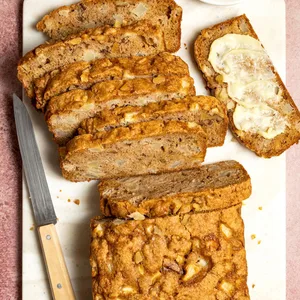
This pear bread recipe needs to be at the forefront of your next fall baking affair. It makes two warmly spiced and pear-studded bread loaves that just taste like a crisp autumn day. @ Taste OF HOME
.
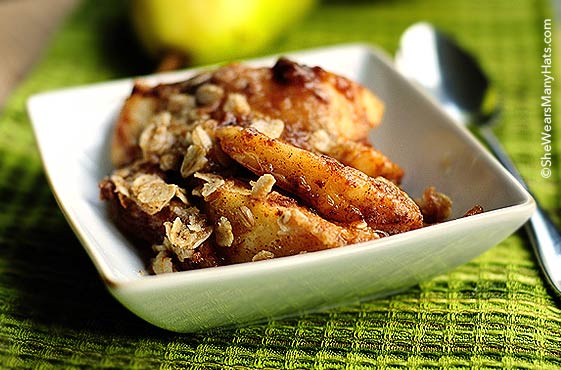
Pear Crisp Recipe
This recipe for a delicious Pear Crisp is the perfect dessert for using fresh pears. It’s easy to make too!
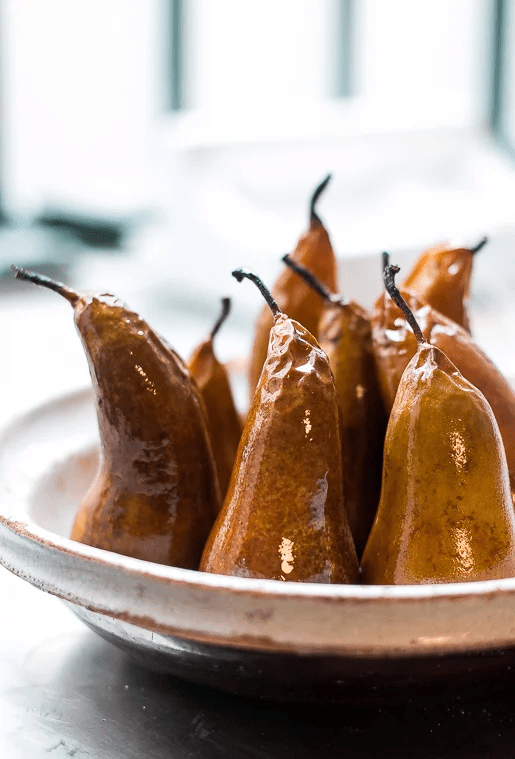
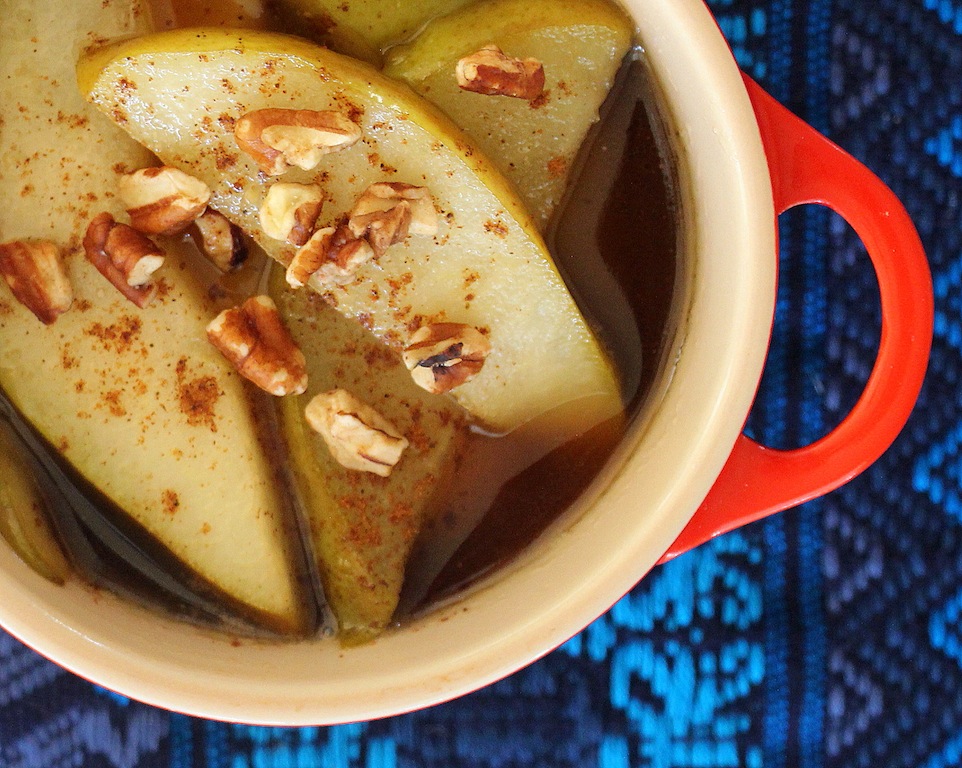
Baked Pears Marsala is made in Sicily, in the city of Marsala. It’s a naturally sweet, fortified wine with woody, subtle molasses-like flavors, which come from being aged in oak casks.
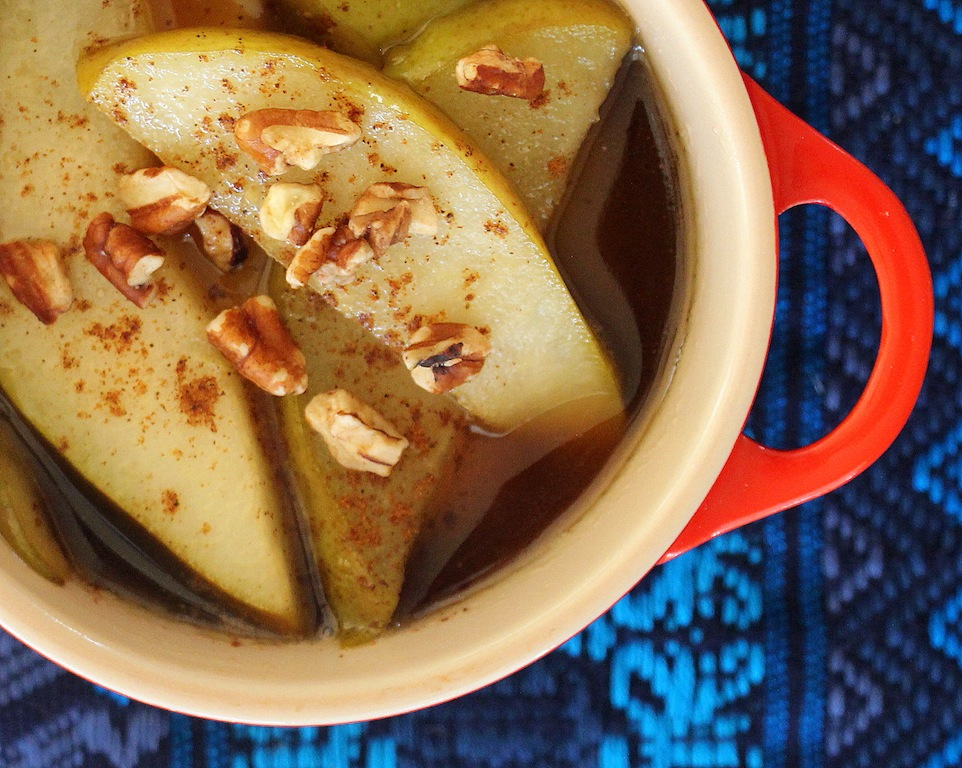
I recreated them and topped mine with a dash of cinnamon and pecans for texture.
🧬 Functional Themes Across Recipes
- Gut Health: Whether baked, poached, or sautéed, pears retain their fiber-rich profile, aiding digestion and preventing constipation.
- Blood Sugar Stability: Their low glycemic index makes them suitable for diabetic-friendly dishes—even when paired with warming spices or natural sweeteners like piloncillo.
- Anti-Inflammatory Support: Recipes that retain the skin (like crisps or roasted pears) preserve flavonoids that help reduce chronic inflammation.
- Immune & Skin Support: Vitamin C and copper work synergistically to promote healing, collagen synthesis, and immune resilience.
🍐 Shared Nutritional Benefits Across Pear Recipes
| Nutrient | Common Value (per 100g pear) | Health Impact |
|---|---|---|
| Dietary Fiber | ~3.1g | Supports digestion, satiety, and heart health |
| Vitamin C | ~7% RDA | Boosts immunity and collagen production |
| Copper | ~4% RDA | Enhances nutrient absorption and red blood cell synthesis |
| Potassium | ~3% RDA | Regulates blood pressure and fluid balance |
| Vitamin K | ~6% RDA | Supports bone health and blood clotting |
| Low Calories | ~58 kcal | Ideal for weight management and metabolic balance |
| Natural Sugars | ~9.8g | Provides gentle energy without glycemic spikes |
| Antioxidants | Rich in flavonoids & polyphenols | Reduces inflammation and supports cellular health |
🧬 Editorial Considerations
- Skin-on vs. Peeled: The skin holds most of the fiber and flavonoids—but also the stone cells that can irritate sensitive guts.
- Raw vs. Cooked: Cooking pears reduces FODMAP load and softens fiber, making them gentler for digestion.
- Sweetened vs. Natural: Recipes with piloncillo, honey, or molasses may spike glycemic load—important for metabolic overlays.
🚫 Groups That May Need Caution with Pear Consumption
| Group or Condition | Pear Concern | Editorial Notes |
|---|---|---|
| Individuals with IBS or FODMAP sensitivity | Pears are high in sorbitol and fructose, which can trigger bloating, gas, or discomfort | Recommend cooked or peeled versions in small amounts |
| Diabetics (uncontrolled) | Pears contain natural sugars—especially in baked, candied, or poached forms | Favor raw, skin-on pears with fiber intact; avoid syrupy versions |
| Allergy-prone individuals | Rare but possible oral allergy syndrome (especially with birch pollen cross-reactivity) | Symptoms include itching or tingling in mouth/throat |
| Infants under 6 months | Pears may be too fibrous or acidic for early digestion | Use steamed and pureed forms only after pediatric approval |
| People on low-potassium diets | Pears contain moderate potassium (~116mg per 100g) | Monitor intake if prescribed renal or cardiac restrictions |
| Post-surgical or GI-sensitive patients | Raw pears may be too fibrous or gritty | Recommend peeled, poached, or pureed versions for gentler digestion |
| Histamine-sensitive individuals | Fermented pear products (e.g., chutneys, kombucha) may trigger reactions | Avoid aged or fermented preparations unless tolerated |
Final Thought
Before this blog, I only knew of the Bartlett pear—sweet, familiar, and tucked into lunchboxes or canned preserves. It was the pear of convenience, the one that showed up without ceremony. But now? I see the pear as a botanical archive. Who knew there were so many varieties—Facci Bedda, Settembucca, Coscia dell’Etna—each with its own terrain, texture, and tale. From volcanic slopes to ancestral altars, the pear has been cultivated for millennia, quietly nourishing bodies and stories alike.
It’s more than fruit. It’s a symbol of transition, resilience, and quiet abundance. Whether poached in piloncillo, folded into crisps, or layered into seasonal offerings, the pear carries nutritional clarity and cultural resonance. It reminds us that nourishment isn’t just about calories—it’s about memory, pacing, and the rituals we choose to honor.
Disclaimer
This post is intended for botanical and cultural exploration only. Nutritional insights are shared for educational purposes and do not constitute medical advice. Always consult a qualified health professional before making dietary changes. EJADA honors ethical transparency, symbolic clarity, and boundary-respecting storytelling in all curated entries.
 EJADA
EJADA 
Leave a comment