I’m Brinder, a visionary curator and founder of EJADA Specialty Merchandise, ZAREL, and BJG DESIGNS. My entrepreneurial journey began in March 1996, starting with catalog sales and evolving into dropshipping, e-commerce, and creative direction. Through every chapter—whether facing health challenges, competing against larger companies, or refining my craft—I’ve carried forward the wisdom my father shared before he passed: “Everything is just a dream away.”
✨ EJADA Specialty Merchandise
Founded in honor of my father, EJADA represents resilience and legacy. It’s a testament to never giving up, even when life placed obstacles in my path.
🌱 ZAREL
ZAREL continues that legacy with renewal and growth. It embodies creativity, fair pricing, and quality products designed to stand out in a world of mass production. ZAREL is proof that persistence and vision can transform challenges into opportunities.
🎨 BJG DESIGNS
BJG DESIGNS is the creative force behind bold typography, motivational one-liners, and signature motifs. Available on t-shirts, hoodies, sweatshirts, color-changing mugs, accent mugs, hats, and cinch backpacks, BJG DESIGNS gives customers a wide choice of selection while staying true to uniqueness and style.
💡 My Philosophy
I believe in quality, uniqueness, and fair pricing. I believe in building products that carry meaning. Most importantly, I believe with Family and Friend Support, this year could be the turning point—a year where resilience becomes renewal, and where every dream moves closer to reality.
Together, EJADA, ZAREL, and BJG DESIGNS show that with resilience, vision, and community, everything truly is just a dream away
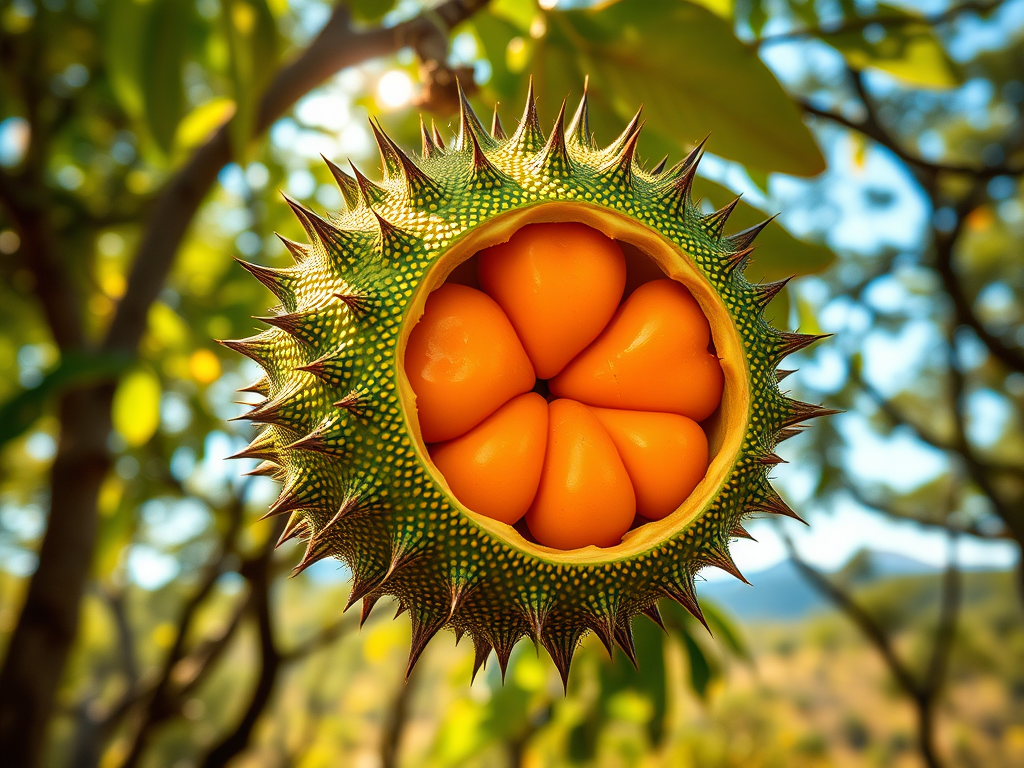
Pequi (lat. Caryocar brasiliense), also known as souari nut, is a fruit native to Brazil and commonly found in the Brazilian Cerrado region. It is a small, round fruit with thick, yellow, or orange skin that is covered in small, sharp spines.
🌿 Key Features of Pequi:
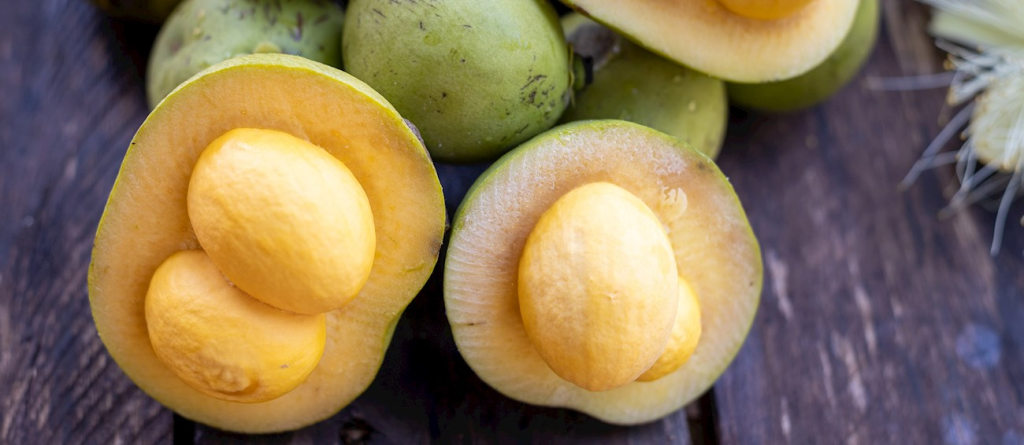
Appearance: Round, greenish fruit with bright orange pulp inside.
Texture Hazard: The pulp surrounds a pit covered in sharp, needle-like spines. Biting into it carelessly can lead to painful injuries—locals know to scrape the flesh gently with their teeth.
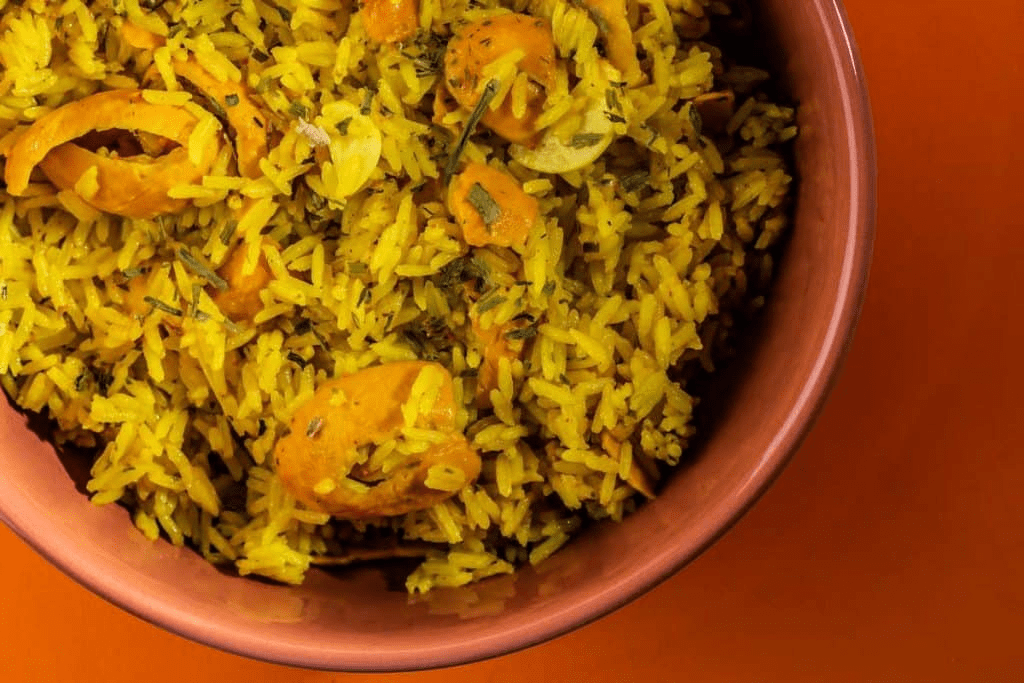
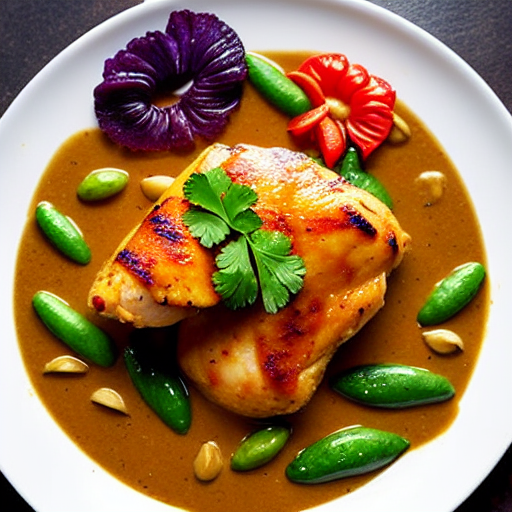
Flavor Profile: Pungent, savory, and slightly sour. It’s an acquired taste, often used in traditional dishes like arroz com pequi (rice with pequi) and frango com pequi (chicken with pequi).
Cultural Significance: Indigenous communities consider it a communal fruit, used not only in food but also in medicine, cosmetics, and construction.
Botanical Behavior: The tree blooms in dry winter months and is pollinated primarily by bats, thanks to its nocturnal nectar release.
🌿 Pequi (Caryocar brasiliense)
Cultivation, Seasonality & Purpose
Pequi is a fiercely aromatic fruit native to Brazil’s Cerrado biome, revered for its pungent flavor and cultural depth. Known locally as the “souari nut,” this spiny treasure is more than a culinary curiosity—it’s a seasonal ritual, ecological keystone, and economic lifeline.
🌱 Historical Cultivation Timeline
Pre-Colonial Era: Indigenous peoples of the Cerrado biome were the first to cultivate and ritualize Pequi, using it for food, medicine, and spiritual practices. Its cultivation was not industrial—it was embedded in seasonal rhythms and communal land use.
Colonial Period (1500s–1800s): Pequi remained largely outside European agricultural systems due to its spiny pit and strong flavor. However, Afro-Brazilian communities adopted it into their cuisine and healing traditions, preserving its cultural significance.
20th Century Onward: Scientific interest in Pequi’s nutritional value and ecological role grew in the 1970s–1990s. Formal cultivation expanded through agroforestry initiatives, especially in Goiás, Minas Gerais, and Tocantins.
Modern Use: Today, Pequi is cultivated both wild and semi-domesticated. It’s used in:
Culinary dishes like arroz com pequi
Oil production for cosmetics and cooking
Traditional medicine
Biodiversity conservation and reforestation projects
🌱 Cultivation & Growth Cycle
Habitat: Pequi trees thrive in the Cerrado’s tropical savanna, favoring well-drained, sandy loam soils with a pH between 6.0 and 7.5. They are drought-resistant and flourish in nutrient-poor conditions, making them ideal for regenerative agroforestry.
Planting Season: Cultivation typically begins in late spring, when soil temperatures rise and rainfall patterns stabilize.
Growth Timeline:
Flowering: Occurs during the dry winter months, from July to September, a rare trait among Cerrado flora.
Pollination: Primarily nocturnal—bats, moths, and hummingbirds feed on the tree’s nectar-rich, pale yellow flowers.
Fruit Ripening: Pequi fruits mature by late summer to early fall, with harvests peaking between September and November.
Harvesting Method: Fruits are collected manually, often by local families or cooperatives. Due to the spiny pit, handling requires skill and patience.
🧬 Nutritional Profile of Pequi (Caryocar brasiliense)
🍑 Pequi: The Fruit That Bites Back
Forget apples keeping doctors away—Pequi keeps dentists on speed dial. This Cerrado-born daredevil comes wrapped in flavor and armed with internal spikes sharper than your ex’s last text.
🧬 Nutritional Swagger
Pequi doesn’t just show up—it arrives with:
Enough oleic acid to make olive oil blush
Vitamin A so potent it could light up a cave painting
Cardol, the spicy phenolic compound that says, “I’m medicinal… but only if you respect me”
It’s like nature’s version of a high-maintenance superfood: brilliant, bold, and absolutely not here for casual consumption.
Pequi pulp and oil are rich in bioactive compounds, making this fruit a powerhouse of lipid-based nourishment, antioxidant defense, and anti-inflammatory potential.
🧪 Macronutrients (per 100g of pulp)
Nutrient
Approximate Value
Notes
Calories
~200 kcal
High energy density due to oil content
Total Fat
18–22g
Mostly monounsaturated and saturated fats
Protein
1–2g
Minimal, but present
Carbohydrates
5–8g
Low glycemic impact
Fiber
2–3g
Supports digestion and satiety
🌿 Key Micronutrients & Bioactives
Vitamin A (β-carotene): Supports vision, skin health, and immune function.
Vitamin E (tocopherols): Potent antioxidant, protects cell membranes.
Oleic Acid: Heart-healthy fat also found in olive oil.
Phenolic Compounds: Anti-inflammatory and antimicrobial properties.
Cardol: A phenolic lipid with medicinal potential, but toxic in excess—requires careful preparation.
🩺 Health Benefits
(If You Survive the Bite)
Anti-inflammatory: Great for joints, unless you bite the pit and need a joint replacement.
Antioxidant-rich: Fights free radicals while radicalizing your taste buds.
Skin-nourishing oil: Makes your face glow—just don’t confuse it with salad dressing.
✅ Cardiovascular Support
Oleic acid and tocopherols may help reduce LDL cholesterol and oxidative stress.
Pequi oil has shown potential in lowering blood pressure in small studies.
✅ Anti-Inflammatory & Antioxidant Effects
Traditional use includes treatment for bronchitis, joint pain, and skin conditions.
Rich in carotenoids and polyphenols that combat free radicals.
✅ Skin & Hair Nourishment
Pequi oil is used in cosmetics for its emollient properties—moisturizes, softens, and protects.
⚠️ Safety & Toxicity Notes
Cardol Sensitivity: In large amounts or improperly prepared, cardol can cause nausea, vomiting, and allergic reactions.
Spiny Pit Hazard: Must be scraped gently—never bitten. The spines can lodge painfully in the mouth.
Pequi-florosis: Rare allergic reaction linked to overconsumption of pequi oil.
🍽️ Culinary & Cultural Uses
Pulp: The bright orange flesh is used in regional dishes like arroz com pequi (rice with pequi) and frango com pequi (chicken with pequi). Its flavor is intensely savory, with notes of cheese, citrus, and earth.
Oil Extraction: Pequi oil, pressed from the seeds, is prized for cooking and traditional medicine. It’s also used in cosmetics for its emollient properties.
Medicinal Use: Indigenous communities use pequi oil to treat respiratory issues, inflammation, and skin conditions.
Timber: The tree’s wood is durable and used in furniture and construction.
“Pekea Nut” and “Pequi”
The same botanical species: Caryocar brasiliense. The name “Pekea Nut” is a less common Anglicized label, while “Pequi” is the traditional Brazilian name used in culinary, cultural, and ecological contexts.
🌿 Clarifying the Terminology:
Name
Region/Usage
Notes
Pequi
Brazil, especially Goiás, Minas Gerais, Tocantins
Most widely used name in cuisine and cultural references
Pekea Nut
English-language plant databases and care guides
Rarely used in culinary contexts; more common in horticulture
Caryocar brasiliense
Scientific name
Used in botanical and ecological studies
🍽️ Same Fruit, Same Flavor
Both names refer to the same spiny, aromatic fruit with:
Medicinal and cosmetic applications via its oil
A hard shell and bright orange pulp
Sharp internal spines around the seed
Culinary use in dishes like arroz com pequi
🐾 Ecological Significance of Pequi (Caryocar brasiliense)
Pequi doesn’t just feed the forest—it throws a party:
Bats pollinate it at night like it’s the VIP section of the Cerrado
Birds snack on its pulp and spread its seeds like gossip
Stingless bees move in, rent-free, and call it home
Pequi is not merely a fruit—it’s a keystone species in the Brazilian Cerrado, orchestrating a symphony of ecological relationships that ripple across pollinators, seed dispersers, and soil health. Its presence signals resilience, biodiversity, and ancestral stewardship.
🌸 Pollination: A Nocturnal Ballet
Primary Pollinators: Pequi’s pale yellow, nectar-rich flowers bloom during the dry season (July–September), attracting bats, moths, and nocturnal wasps. These pollinators feed on the tree’s thin, sugary nectar released throughout the night.
Secondary Visitors: At dawn, hummingbirds, bees, and tanagers (like the guira and sayaca) opportunistically feed on residual nectar and pollen. While their role in pollination is debated, their presence reflects Pequi’s ecological magnetism.
Stingless Bees: Species like Melipona quadrifasciata and Scaptotrigona postica nest in Pequi tree hollows, making the tree both a food source and a home.
🐦 Seed Dispersal & Wildlife Interactions
Fruit-Eating Fauna: The bright orange pulp and fatty seeds attract a wide range of animals—including yellow-headed caracaras, curl-crested jays, and even normally carnivorous species—who consume the fruit and aid in seed dispersal.
Spineless Variants: Though most Pequi pits are covered in spines, wild spineless variants exist, offering safer access to smaller animals and expanding the dispersal network.
🌳 Habitat Anchoring & Soil Health
Drought Resilience: Pequi trees thrive in nutrient-poor, sandy soils, stabilizing erosion-prone areas and contributing to soil regeneration.
Carbon Sequestration: As a long-lived tree with dense wood and deep roots, Pequi contributes to carbon storage, helping mitigate climate impacts in the Cerrado.
⚠️ Conservation & Threats
Habitat Loss: Deforestation, monoculture farming, and land privatization threaten Pequi’s ecological role. Even if trees remain, the loss of pollinator habitat can drastically reduce fruit yield.
Cultural Commons: In regions like Minas Gerais, Pequi is considered a communal fruit—belonging to all, regardless of land ownership. This ancestral ethic clashes with modern land-use policies, risking both biodiversity and cultural continuity.
Pequi is rarely eaten raw and is actually celebrated for its versatility in cooked preparations. In fact, raw consumption is discouraged due to its spiny pit and pungent cardol content, which can cause irritation or allergic reactions if not properly handled.
🍲 Culinary Uses Beyond Raw
Pequi shines brightest when it’s cooked, infused, or pressed. Here’s how it’s traditionally and creatively used:
🔥 Cooked Dishes
Arroz com Pequi: A signature rice dish from Goiás and Minas Gerais, where the fruit is simmered to release its bold aroma and flavor.
Frango com Pequi: Chicken stewed with Pequi pulp, often paired with garlic, annatto, and cilantro.
Pequi Stews & Soups: Adds depth and richness to broths, especially when paired with root vegetables or legumes.
🧴 Oil & Extracts
Pequi Oil: Cold-pressed from the seeds, used in cooking, cosmetics, and traditional medicine. It’s rich in oleic acid and vitamin E.
Medicinal Infusions: Used to treat respiratory issues, skin conditions, and inflammation in folk medicine.
🍶 Preserves & Liqueurs
Pequi Liqueur: Soaked in sugarcane aguardente, creating a pungent, aromatic spirit.
Pequi Pickles & Pastes: Regional delicacies that mellow the fruit’s intensity while preserving its nutritional value.
🧂 Roasted Seeds
Once the spines are removed and the pit is cracked, the seeds can be roasted and salted—a protein-rich snack akin to peanuts.
Arroz com PequiServes: 4 Prep Time: 10 min Cook Time: 25 min
This rice doesn’t just feed you—it warns you. Scrape the Pequi pulp like you’re negotiating with a spicy porcupine. Bite recklessly, and you’ll be flossing with regret.
🐔 Orchard-rooted humor: This dish is a flavor ambush. The chicken’s tender, the Pequi’s pungent, and the whole thing tastes like a forest decided to throw a barbecue.
Pequi is a culturally anchored fruit native to Brazil’s Cerrado, traditionally harvested by Indigenous and Afro-Brazilian communities. In the United States, Pequi is available only through specialty importers, often in preserved, sliced, or oil-extracted forms. Raw fruit is rarely sold due to its spiny pit and cardol content, which require skilled preparation.
⚠️ Ethical & Operational Boundaries
Availability: U.S. sourcing is limited to select platforms (e.g., Amazon, Instacart, Dharaseeds). Always verify origin, preservation method, and handling instructions.
Labeling: Products may be labeled as “Pequi,” “Pekea Nut,” or “Brazilian Souari Nut.” Cross-reference botanical name (Caryocar brasiliense) for accuracy.
Handling Note: Imported Pequi is typically pre-cooked or brined. Raw consumption is discouraged unless sourced directly from verified Cerrado cooperatives.
Ceremonial Integrity: EJADA does not endorse mass-market sourcing. All entries must preserve Pequi’s ecological dignity, cultural lineage, and ancestral pacing.
Pequi (Caryocar brasiliense) is native to Brazil’s Cerrado biome and traditionally harvested by local communities. In the United States, it is available only through select specialty retailers and online platforms. Most imported forms are preserved—either sliced in brine or pressed into oil. Raw fruit is rarely sold due to its spiny pit and cardol content, which require skilled handling.
Important Notes:
Always verify product origin and preparation method.
Labeling may vary: “Pequi,” “Pekea Nut,” or “Brazilian Souari Nut.”
🍈 Little Treasure, Big Flavor
Pequi doesn’t shout—it smolders. Small in stature, spiny in defense, and unapologetically bold in taste, this Cerrado-born fruit is a paradox wrapped in pulp. It’s the kind of treasure that doesn’t sparkle—it stings, nourishes, and lingers.
Bite too deep, and you’ll meet its spines. Cook it right, and you’ll unlock a flavor that defies categories: citrusy, cheesy, earthy, and ancestral. It’s not here to please—it’s here to proclaim.
🧬 Nutritional Bravado
Packed with oleic acid, vitamin A, and antioxidant phenolics, Pequi offers:
Cardiovascular support with heart-healthy fats
Anti-inflammatory benefits for joints and skin
A caloric punch that fuels without fluff
It’s a fruit that feeds the body and challenges the palate—no shortcuts, no apologies.
🍽️ Culinary Versatility
From arroz com pequi to medicinal oil, this little orb transforms:
Rice into ritual
Chicken into ceremony
Oil into nourishment
Seeds into roasted wisdom
Each preparation is a pact with patience. You don’t eat Pequi—you earn it.
🐾 Ecological Echo
Pequi anchors pollinator networks, shelters stingless bees, and feeds birds bold enough to brave its spines. It’s a keystone species disguised as a kitchen ingredient.
 EJADA
EJADA 
Leave a comment