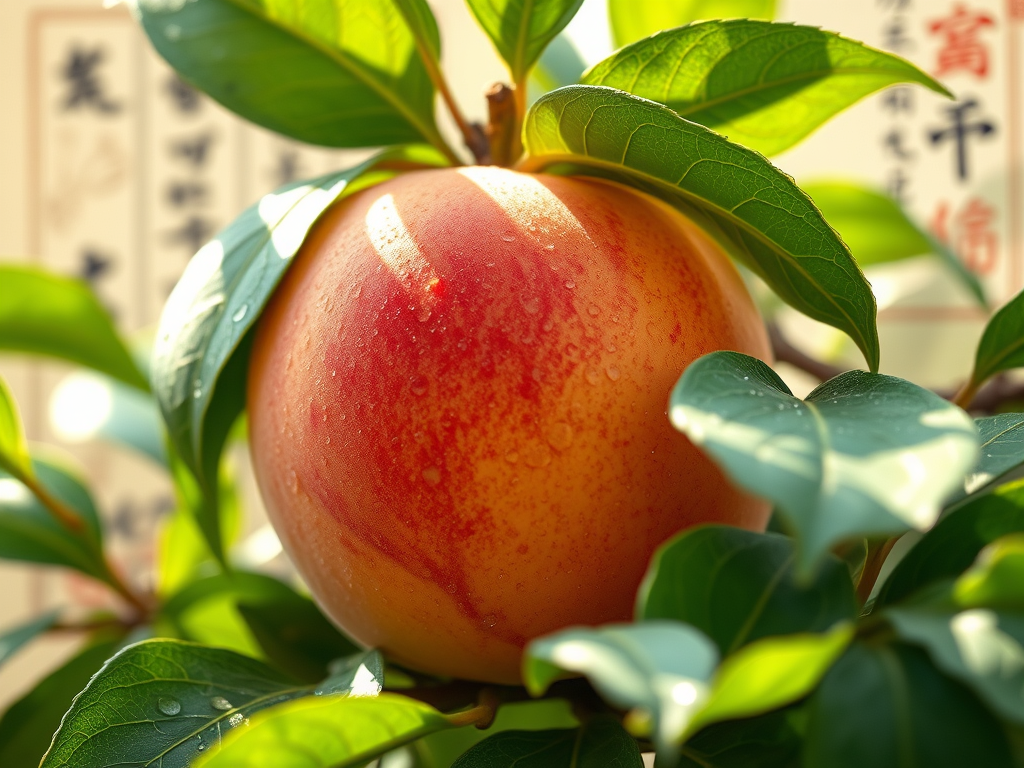
🍑 Peach: Health Benefits & Cultivation Origins
🌿 Health Benefits of Peaches
Peaches (Prunus persica) are more than just juicy summer treats—they’re packed with nutrients and healing potential:
Digestive Support: Rich in both soluble and insoluble fiber, peaches help regulate bowel movements and support gut health. @ healthline
Heart Health: Antioxidants and potassium in peaches may lower blood pressure and reduce LDL cholesterol. @ verywellhealth
Skin Protection: Vitamin C and beta-carotene promote collagen production and may protect against UV damage.
Cancer Prevention: Peach skin and flesh contain carotenoids and polyphenols that may help fight free radicals and inhibit cancer cell growth.
Eye Health: Beta-carotene, lutein, and zeaxanthin support vision and may reduce the risk of macular degeneration.
Immune Boosting: Vitamin C and other antioxidants stimulate white blood cell production and reduce inflammation.
Weight Management: Low in calories and high in water, peaches are filling and hydrating without adding excess sugar or fat. @ WebMD
Allergy Relief: Peach seed extracts may reduce histamine release, calming allergic reactions. @Verywellhealth
🌏 The Peach’s Transcontinental Journey
Peaches have a deep-rooted legacy:
China (c. 6000 BC) The peach was first cultivated in the Yangtze River Valley, revered in Chinese mythology as a symbol of immortality and renewal. Early Neolithic communities ritualized its growth, with archaeological remains found in Zhejiang Province. @ The Globalist
India (c. 1700 BC) Via trade routes and botanical exchanges, peaches reached the Indian subcontinent. Here, they were absorbed into Ayurvedic traditions, valued for their cooling properties and digestive support.
Persia (modern-day Iran) The peach’s name—Prunus persica—reflects its Persian passage. Persian horticulturists refined grafting techniques and spread the fruit westward through the Silk Road. It became a symbol of beauty and abundance in Persian poetry and gardens.
Greece (c. 300 BC) Introduced through Alexander the Great’s campaigns, peaches were cultivated in Mediterranean climates. Greek physicians like Galen and Dioscorides documented their medicinal uses, linking them to humoral balance.
Rome (1st century AD) Romans expanded peach cultivation across their empire. The fruit was considered a luxury, often reserved for elite feasts. Roman agronomists like Pliny the Elder recorded its varieties and growing conditions.
Europe (Middle Ages to Renaissance) Peaches spread across France, Spain, and England, often grown in monastery gardens. By the 16th century, they were featured in still-life paintings and royal banquets, symbolizing sensuality and transience.
Americas (16th century onward) Spanish explorers introduced peaches to the New World. Native American tribes quickly adopted and cultivated them, integrating them into seasonal diets and trade networks. By the 19th century, peaches were a staple crop in the southern United States, especially Georgia—now famously nicknamed the “Peach State.”
Modern Global Cultivation Today, peaches thrive in temperate zones worldwide—from China and Italy to California and Chile. Each region cultivates distinct varieties, often tied to local festivals, culinary traditions, and symbolic meanings. @ The Globalist
Peaches are now a global staple, symbolizing longevity in East Asian cultures and thriving in temperate zones from China to California.
🧬 Peach Nutritional Values (per 150g serving)
| Nutrient | Amount | % Daily Value |
|---|---|---|
| Calories | 69 kcal | — |
| Total Fat | 0.4 g | 1% |
| • Saturated Fat | 0.03 g | 0% |
| • Monounsaturated Fat | 0.1 g | — |
| • Polyunsaturated Fat | 0.13 g | — |
| Carbohydrates | 15.1 g | 5–6% |
| • Sugars | 12.6 g | — |
| • Dietary Fiber | 2.3 g | 8% |
| Protein | 1.4 g | 3% |
| Vitamin C | 6.2 mg | 7% |
| Vitamin A (RAE) | 36 mcg | 4% |
| Vitamin E | 1.09 mg | 7% |
| Vitamin K | 4.5 mcg | 4% |
| Potassium | 183 mg | 4% |
| Iron | 0.5 mg | 3% |
| Magnesium | 12 mg | 3% |
| Folate (B9) | 9 mcg | 2% |
| Niacin (B3) | 1.2 mg | 8% |
| Thiamin (B1) | 0.036 mg | 3% |
| Riboflavin (B2) | 0.047 mg | 4% |
Source: Verywell Fit and Nutrition Value
🍑 Nutritional Highlights
Low in fat and naturally cholesterol-free
High in natural sugars but with a low glycemic index (~28), making it gentle on blood sugar levels
Rich in antioxidants like beta-carotene, lutein, and zeaxanthin
Hydrating due to high water content (~89%)
🍑 Medicinal Uses: Then vs. Now
Ancient & Traditional Uses
Traditional Chinese Medicine (TCM): Peach flowers and seeds were used to treat constipation, menstrual irregularities, and blood stasis. The fruit itself was considered cooling and hydrating, ideal for balancing internal heat.
Persian & Greco-Roman Herbalism: Peaches were prescribed for digestive issues, skin ailments, and as mild diuretics. Galen and Dioscorides noted their humoral balancing properties.
Ayurveda: Though not native, peaches were later integrated as sheetala (cooling) fruits, used to pacify Pitta dosha and support liver function.
Modern Medicinal Insights
Digestive Health: Soluble and insoluble fiber support gut flora, reduce inflammation, and ease constipation.
Skin & Eye Protection: Beta-carotene, lutein, and vitamin C promote collagen synthesis and protect against oxidative damage.
Cancer Prevention: Polyphenols and compounds in peach seeds show promise in inhibiting tumor growth in lab studies.
Heart & Immune Support: Potassium regulates blood pressure; vitamin C boosts white blood cell activity.
🍽️ Culinary Uses: Then vs. Now
Historical Culinary Roles
China: Peaches were eaten fresh, dried, or fermented into wines. They appeared in ceremonial feasts and seasonal offerings.
Persia & Greece: Used in stews, syrups, and sweet preserves. Often paired with honey, nuts, and herbs.
Europe (Renaissance): Featured in royal banquets, pies, and compotes. Symbolized sensuality and seasonal abundance.
Contemporary Culinary Applications
Fresh & Raw: Eaten as snacks, sliced into salads, or blended into smoothies.
Grilled or Roasted: Paired with balsamic glaze, goat cheese, or herbs for savory dishes.
Baked Goods: Cobblers, pies, galettes, and muffins—often with cinnamon or nutmeg.
Preserves & Jams: Used in spreads, glazes, and chutneys.
Fermented & Infused: Peach kombucha, infused waters, and artisanal vinegars.
Global Fusion: Appears in Caribbean jerk marinades, Mesoamerican salsas, and Ayurvedic fruit bowls.
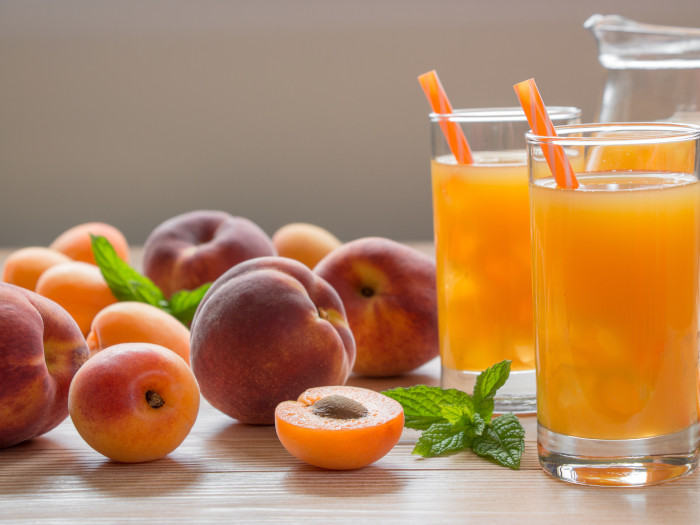
🍑 Fresh Peach Juice
Organicfacts.net
Prep Time: 20 minutes Servings: ~3 glasses Appliance: Blender
Ingredients
- •6 Peaches
- •1 cup Water
- •12 Ice Cubes
- •1 teaspoon Sugar
- •1 teaspoon Lemon Juice
Shop ingredients on Instacart
Instructions
- Thoroughly wash the peaches and then cut them in half. Remove the stone and the flesh immediately surrounding it.
- Scoop out the tender meat of the peach from the skin.
- Add the peaches, water, sugar, and ice to a blender.
- Blend thoroughly for 1-2 minutes, until the consistency of the juice is even and smooth.
- If the juice is still too thick, add more water and re-blend.
- Strain the mixture through a sieve or cheesecloth into another container.
- Press or squeeze the remaining fibrous material (pulp) to get as much juice out as possible.
- Serve your juice chilled and enjoy!
🍑 Why This Peach Juice Recipe Works (Nutritionally)
Peaches: Rich in vitamin C, beta-carotene, and antioxidants that support skin health, immunity, and digestion.
Water: Enhances hydration and helps regulate body temperature and nutrient transport.
Lemon Juice (optional): Adds vitamin C and citric acid, which may aid iron absorption and liver detoxification.
Ice Cubes: Not nutritional per se, but they preserve freshness and texture without diluting flavor.
Sugar (optional): Can be omitted or replaced with natural sweeteners depending on dietary needs.
🍹 Fact-Checked Bonus Uses of Peach Juice
| Bonus Use | Factual Basis |
|---|---|
| Morning Ritual | Peach juice is hydrating and rich in vitamin C, making it a gentle immune booster. |
| Cocktail Base | Commonly used in sangria, mojitos, and bellinis due to its natural sweetness. |
| Savory Glazes | Its acidity and fruit sugars make it ideal for marinades and glazes for meats. |
| Topical Use for Skin | High in antioxidants like vitamin C and E, which support skin healing and tone. |
| Hair Treatments (optional) | Anecdotal use includes mixing peach juice into DIY hair masks for shine and scalp health. |
| Frozen Popsicles | Nutrient retention is high when frozen; used as a refreshing, low-calorie treat. |
These uses reflect both culinary versatility and therapeutic potential. While some (like hair treatments) lean into anecdotal or DIY territory, the majority are backed by nutritional science and traditional practice.
🥗 Grilled Peach Salad with Arugula & Goat Cheese
Why it works: Vitamin C from peaches + calcium from goat cheese + peppery arugula for detox support. Ingredients:
- 2 peaches, halved
- 2 cups arugula
- ¼ cup goat cheese
- 1 tbsp balsamic glaze
- Olive oil, salt, pepper Instructions: Grill peaches until charred. Toss with arugula, goat cheese, and drizzle with balsamic.
🥗 Why This Salad Works
1. Peaches (Grilled)
- Nutritional Role: Rich in vitamin C, beta-carotene, and antioxidants. Grilling enhances natural sugars and adds caramelization without compromising nutrients.
- Functional Benefit: Supports skin health, immunity, and digestion. The warmth also improves digestibility and flavor depth.
2. Arugula
- Nutritional Role: High in vitamin K, folate, and glucosinolates (plant compounds with anti-inflammatory properties).
- Functional Benefit: Adds a peppery bite and detoxifying support. Balances the sweetness of peaches with a bitter contrast.
3. Goat Cheese
- Nutritional Role: Provides calcium, protein, and probiotics. Easier to digest than cow’s milk cheese for many.
- Functional Benefit: Creamy texture offsets the crisp greens and juicy fruit. Adds satiety and gut-friendly fats.
4. Walnuts or Pecans (optional)
- Nutritional Role: Omega-3 fatty acids, fiber, and plant protein.
- Functional Benefit: Crunch and heart health support. Enhances mouthfeel and nutrient density.
5. Balsamic Glaze
- Nutritional Role: Contains polyphenols and acetic acid, which may aid blood sugar regulation.
- Functional Benefit: Adds acidity and depth, tying all elements together with a sweet-savory finish.
🌿 Summary
This salad works because it’s a nutritional trifecta:
- Antioxidants from peaches
- Detox greens from arugula
- Healthy fats and protein
🥫 Canned vs. Fresh Peaches: Nutritional Tradeoffs
- Vitamin C: Fresh peaches have more vitamin C, which is heat-sensitive and often reduced during canning2.
- Sugar Content:
- Canned in heavy syrup: High in added sugars—can exceed 30g per serving.
- Canned in juice or water: Much better option, with fewer added sugars and closer to fresh in taste and nutrition.
- Fiber & Antioxidants: Still present, though slightly reduced due to heat processing.
- Convenience & Shelf Life: Canned peaches are ready-to-use and last longer, making them ideal for off-season recipes.
🥗 How to Adapt the Salad Using Canned Peaches
- Choose Wisely: Use peaches canned in 100% juice or water, not heavy syrup.
- Drain & Rinse: This removes excess sugars and improves texture.
- Pat Dry: Helps them caramelize better if you choose to grill them.
- Grill Gently: Canned peaches are softer—grill briefly or skip grilling and serve chilled.
- Balance the Sweetness: Add extra arugula or a splash of lemon juice to offset any residual sweetness.
🍽️ Bottom Line
You’ll still get fiber, hydration, and some antioxidants. While fresh peaches edge out nutritionally, canned peaches (especially in juice) are a smart, seasonal workaround—especially when curated with your signature precision.
🍞 Low-Fat Cinnamon Peach Banana Bread
Why it works: Fiber-rich bananas + antioxidant-packed peaches + protein from Greek yogurt. Instructions: Combine mashed banana, diced peaches, yogurt, and cinnamon into a moist loaf. Bake at 350°F for 60–70 minutes.
🥤Classic Peach Smoothie
Why It Works: Hydration and low-calorie profile. Vitamin C, A, potassium, and fiber from peaches. Protein from Greek yogurt
🍑 Not Every Peach Is a Match: Who Should Skip the Stone Fruit Glow-Up
Peaches may be the poster child for summer hydration and antioxidant charm, but not everyone’s digestive system throws a welcome party. Here’s who might want to swipe left on this fuzzy fruit:
🚫 Stone Fruit Sensitives
If your lips tingle or your throat throws a tantrum after a bite, you might be part of the Oral Allergy Syndrome club. Especially common in folks allergic to birch pollen, this reaction is more drama than delight.
🚽 FODMAP Followers
Peaches are high in fructose, which can ferment in the gut and cause bloating, gas, or bathroom sprints for those with IBS or on a low-FODMAP diet. Proceed with digestive caution.
🩸 Sugar Watchers
Canned peaches in heavy syrup? That’s a glucose rollercoaster. Diabetics should opt for fresh or canned in water/juice to keep blood sugar from doing cartwheels.
🧂 Kidney-Conscious Consumers
Peaches pack potassium—great for most, but risky for those on potassium-restricted diets due to kidney conditions. Consult your nephrologist before peach-plating.
💊 Medication Mixers
Peach seed extracts (not the fruit itself) may interact with blood thinners or diuretics. If you’re supplementing, check with your pharmacist before going full orchard.
Wrap Up
So whether you’re blending, grilling, sipping, or salad-stacking, peaches bring more than just fuzzy charm—they deliver hydration, antioxidants, and a nutritional résumé that’s juicier than a midsummer gossip column. Just remember: not every digestive system is peach-compatible, and canned peaches deserve a rinse before they crash your salad party.
And if your arugula starts whispering sweet nothings to your goat cheese while the balsamic glaze plays matchmaker—don’t be alarmed. That’s just your lunch achieving emotional resonance.
🍑 Stay juicy, stay curious, and may your next peach be syrup-free and drama-free. Want me to ritualize this into a botanical entry or archive it with orchard-rooted humor? I’m already halfway up the tree.
🛡️ EJADA Disclaimer: Peach Entries
This content is curated for informational and nutritional reference only. While peaches offer hydration, antioxidant support, and culinary versatility, they may not be suitable for all individuals. Those with stone fruit allergies, IBS sensitivities, or medical conditions requiring potassium or sugar regulation should consult a licensed practitioner before consumption.
Canned peaches should be rinsed and reviewed for added sugars. Peach-based recipes are not substitutes for medical advice, emotional therapy, or ritual guidance unless explicitly framed as such.
EJADA does not endorse peach juice as a sunscreen, salad as a spiritual cleanse, or grilled fruit as a universal remedy. All entries are curated with ethical transparency, symbolic pacing, and nutritional integrity.
 EJADA
EJADA 
Leave a comment