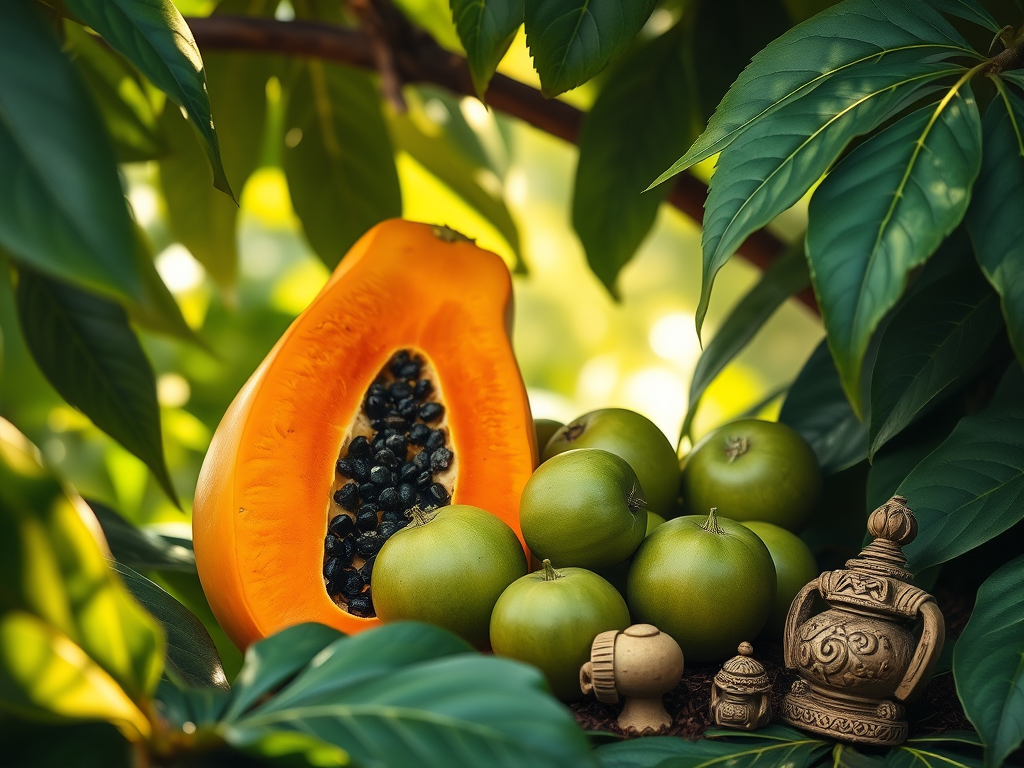
🍃 The Healthy Fruit Trail: P is for Papaya
We’ve arrived at the lush gateway of the letter P, and our first companion is the Papaya—a fruit as ancient as it is enzyme-rich. Cultivated by the Maya and Aztecs as early as 4000 BCE, papaya was more than food; it was a digestive ally, a medicinal staple, and a tropical marvel.
🌱 Origins & Early Use
Region: Southern Mexico and Central America.
First Cultivators: Indigenous Mesoamerican cultures.
Early Applications:
Consumed raw or cooked—green papaya was used like squash.
This fruit isn’t just nourishment; it’s a botanical metaphor for resilience, fertility, and abundance, deeply embedded in folklore, healing, and ancestral reverence.
🧬 Mesoamerican & Indigenous Roots
- Among the Maya and Aztecs, papaya was a sacred fruit, often used in healing ceremonies and spiritual offerings.
- Its seed-rich core symbolized fertility, while its rapid growth represented renewal and abundance.
- Papaya trees were planted near homes to protect against illness and invite prosperity.
🌴 Caribbean Traditions
- Known as the “fruit of angels,” papaya is seen as a gift from nature, growing effortlessly in backyards and open spaces.
- Represents life’s generosity, healing, and spiritual nourishment.
- Papaya seeds, with their bitter contrast to sweet flesh, symbolize the duality of life—joy and hardship, sweetness and struggle.
- In folklore, planting papaya trees near homes is believed to ward off evil spirits and bring good luck.
🪷 South & Southeast Asian Symbolism
- Hinduism: Papaya trees are considered sacred, sometimes associated with Lord Vishnu. Fruits are used in temple offerings and purification rituals.
- Buddhism: Symbol of non-attachment and impermanence, reminding practitioners of life’s fleeting nature.
- Islam: Mentioned in the Quran as a fruit of paradise, used in traditional healing and consumed during Ramadan.
- Sri Lankan folklore: Papaya is linked to fertility and vitality, often gifted to newlyweds to bless their union.
🌿 Universal Archetypes
- Tree of Life: Papaya’s ability to grow quickly and bear fruit abundantly makes it a symbol of regeneration and prosperity.
- Feminine Energy: Its curvaceous form and seed-rich interior evoke themes of creation, fertility, and maternal nourishment.
- Healing & Protection: Used in rituals to release emotional wounds, protect the home, and connect with ancestral wisdom.
“Papaya is more than fruit—it’s a living metaphor. A seed-bearing oracle of resilience, a sweet-bodied symbol of renewal, and a bitter-seeded reminder that healing often holds contrast.”
🥬 Green Papaya: The Squash of the Tropics
Consumed raw or cooked, green papaya—the unripe form of the tropical fruit—was historically treated much like squash in early Mesoamerican and Southeast Asian kitchens. Its firm, pale flesh and neutral flavor made it a blank canvas for bold ingredients, absorbing spices, broths, and marinades with ease.
Raw Applications:
Shredded into slaws and salads, green papaya adds crunch and mild vegetal notes. Think Thai Som Tum or Caribbean-style pickled slaws.
Shredded Green Papaya
When shredded raw, green papaya becomes a culinary chameleon—absorbing bold flavors while delivering a crisp, refreshing bite. Its firm, pale flesh and neutral taste make it ideal for raw preparations that highlight texture, acidity, and spice.
✨ Iconic Dishes
Thai Som Tam (Green Papaya Salad):
Shredded papaya is pounded with garlic, chili, lime juice, fish sauce, and palm sugar.
Often paired with roasted peanuts, dried shrimp, and cherry tomatoes.
Symbolizes balance—sweet, sour, salty, spicy, and bitter in one dish.
Caribbean Slaws & Pickles:
Shredded green papaya is mixed with vinegar, mustard, and hot peppers.
Used as a crunchy side dish or sandwich topping.
Offers digestive support and heat resilience in tropical climates.
Filipino Atchara:
A sweet-and-sour pickle made with shredded green papaya, carrots, and bell peppers.
Served with grilled meats or fried fish.
Preserves the fruit’s enzymes while adding probiotic benefits through fermentation.
🧂 Flavor Absorption & Texture
- Green papaya’s cell structure holds marinades and dressings without becoming soggy.
- Its crunch mimics shredded cabbage or jicama, but with added digestive enzymes.
- Shredding exposes more surface area, allowing papain to remain active and aid digestion even when served raw.
🧑🍳 Preparation Tips
- Use a julienne peeler, box grater, or mandoline for uniform strips.
- Soak briefly in cold water to enhance crispness.
- Toss with acidic dressings to soften texture and brighten flavor.
“Shredded green papaya is more than garnish—it’s a raw canvas for bold flavors, gut-friendly enzymes, and cultural storytelling.”
Cooked Like Squash:
Boiled: North Indian Style Green Raw Papaya Curry
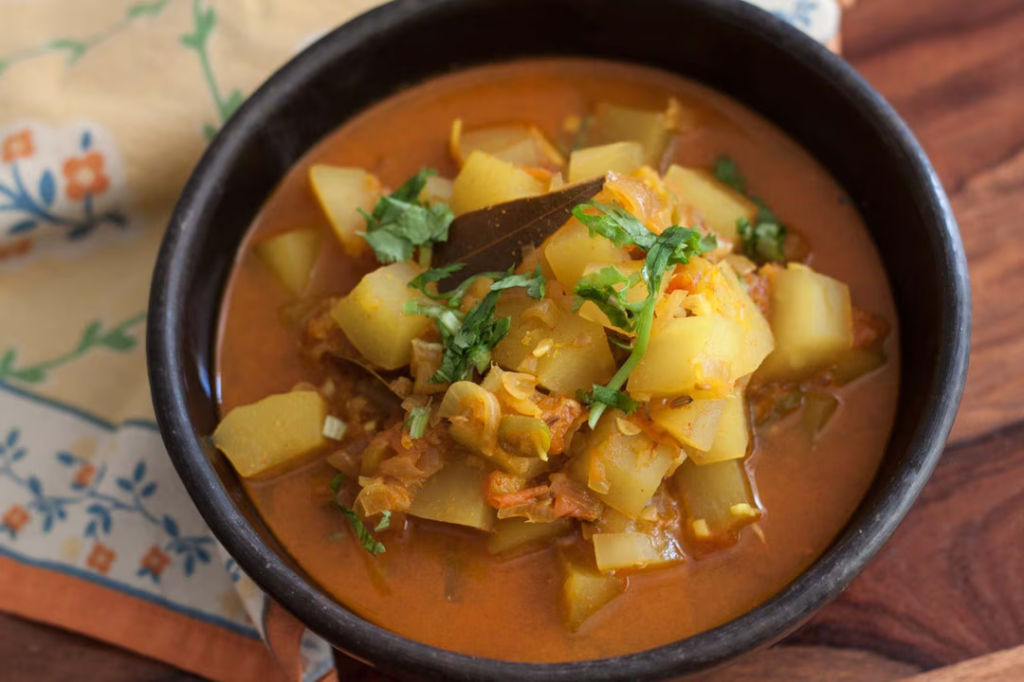
A comforting, one-pot curry where green papaya is pressure-cooked with sautéed onions, tomatoes, and North Indian spices. The flavor of fennel seeds pairs beautifully with turmeric, red chili powder, and coriander. FULL RECIPE
Stir-Fried: Papaya Thoran (Kerala-Style)
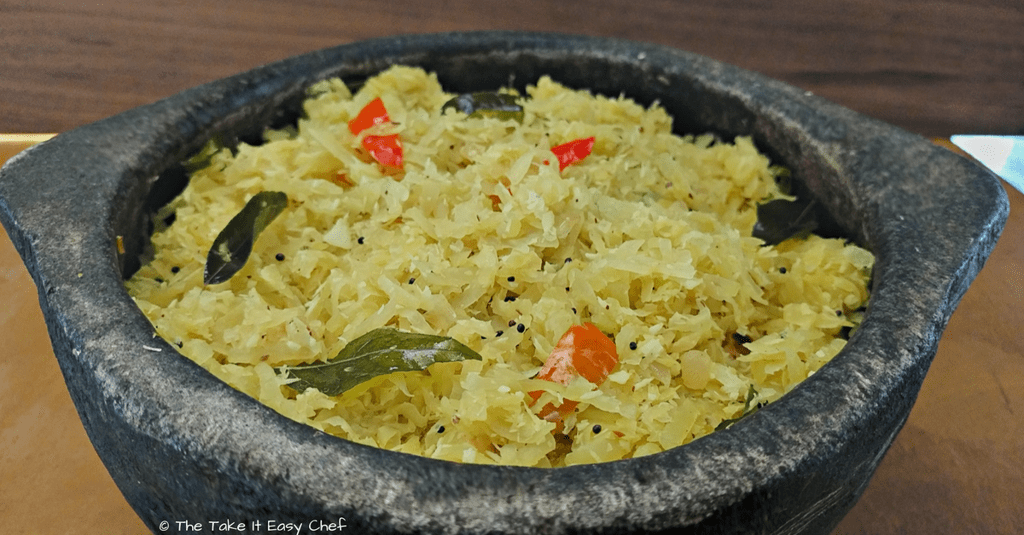
Grated green papaya stir-fried with coconut, mustard seeds, curry leaves, and turmeric. Aromatic, light, and perfect with congee or rice:
Braised: Green Papaya Coconut Curry
Used in curries or slow-cooked dishes where its texture softens and absorbs surrounding flavors.
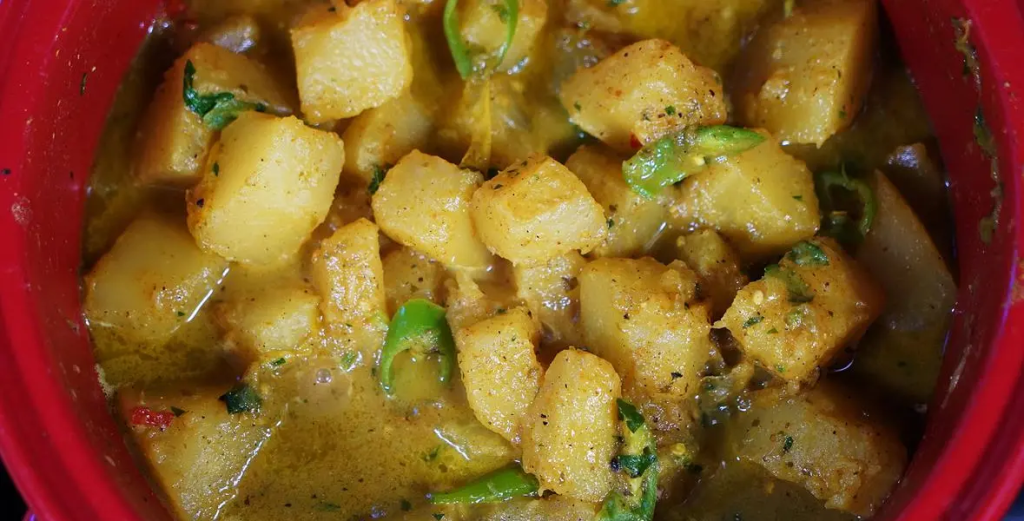
This Caribbean-inspired dish features chunks of green papaya simmered in coconut milk, seasoned with curry powder, thyme, garlic, and Scotch bonnet pepper. It’s creamy, vegan, and deeply nourishing. FULL RECIPE
Steamed or Roasted: In some traditions, green papaya is sliced and roasted like zucchini or steamed with herbs.
Steamed: Stewed Green Papaya with Butter & Nutmeg
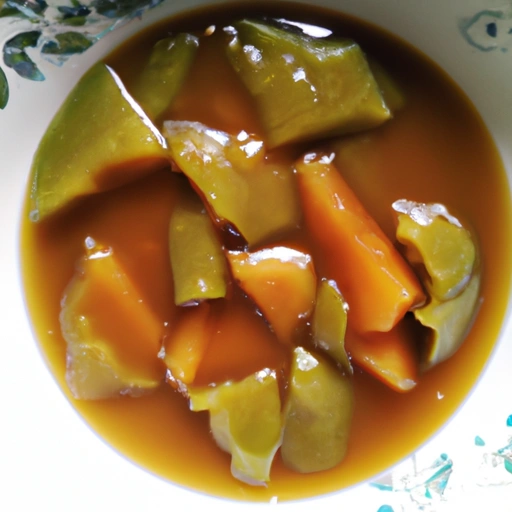
Haitian-inspired dish boils green papaya until tender, then finishes with butter and nutmeg. It’s a low-carb, nutrient-rich side that pairs beautifully with bold stews.
🧬 Nutritional & Functional Benefits
- Papain enzyme remains active when lightly cooked, aiding digestion.
- Offers fiber, potassium, and vitamin C, even after heat exposure.
- Acts as a low-calorie, gut-friendly alternative to starchy vegetables.
🍽️ Papaya Nutritional Values (Per 1 Cup / 145g)
| Nutrient | Amount | Key Benefits |
|---|---|---|
| Calories | 62 kcal | Low-calorie, ideal for weight balance |
| Carbohydrates | 16 g | Natural energy source |
| Sugars | 11 g | Naturally occurring, no added sugars |
| Fiber | 2.5 g | Supports digestion and satiety |
| Protein | 0.7 g | Minimal, but complements plant-based diets |
| Fat | 0.4 g | Virtually fat-free |
| Vitamin C | 88.3 mg | Over 100% of daily needs—immune support |
| Vitamin A | 68.2 mcg | Vision and skin health |
| Folate | 53.7 mcg | DNA synthesis and cellular repair |
| Potassium | 263.9 mg | Blood pressure regulation |
| Beta-Carotene | 397.3 mcg | Antioxidant, converts to Vitamin A |
| Lycopene | 2650.6 mcg | Potent antioxidant, heart and skin health |
| Sodium | 11.6 mg | Very low—heart-friendly |
Nutritional Value: North Indian Style Green Raw Papaya Curry
Serving Size: ~1 cup (based on 4 servings from 500g papaya) Estimated Calories: ~109 kcal per serving
| Nutrient | Amount (approx.) | Benefits |
|---|---|---|
| Carbohydrates | ~18 g | Natural energy source from papaya and onions |
| Fiber | ~3.5 g | Supports digestion and satiety |
| Protein | ~2 g | From papaya, fennel, and aromatics |
| Fat | ~4 g | Minimal, mostly from cooking oil |
| Vitamin C | ~70 mg | Boosts immunity, aids collagen production |
| Vitamin A | ~45 mcg | Supports vision and skin health |
| Potassium | ~300 mg | Regulates blood pressure and fluid balance |
| Magnesium | ~25 mg | Supports muscle and nerve function |
| Papain enzyme | Active (light cooking) | Aids protein digestion and gut health |
| Turmeric & Fennel | Trace amounts | Anti-inflammatory and carminative properties |
This curry is diabetic-friendly, low in fat, and rich in digestive enzymes—making it ideal for gut health and metabolic balance. The spices add not just flavor but functional benefits, especially turmeric and fennel.
🍳 Nutritional Value: Papaya Thoran (Kerala-Style)
Serving Size: 1 cup (180g) Estimated Calories: ~150 kcal
| Nutrient | Amount | Benefits |
|---|---|---|
| Total Fat | 7.2 g | Healthy fats from coconut oil and seeds |
| — Saturated Fat | 3.2 g | Supports hormone production and brain health |
| Carbohydrates | 20.5 g | Natural energy source from papaya and coconut |
| — Sugars | 8.2 g | Naturally occurring, no added sugars |
| — Starch | 5.8 g | Slow-release energy |
| Fiber | 5.4 g | Promotes satiety and digestive regularity |
| Protein | 2.4 g | Complements plant-based diets |
| Potassium | 570 mg | Regulates blood pressure and fluid balance |
| Vitamin C | 92 mg | Boosts immunity and collagen production |
| Vitamin A | 154 µg RAE | Supports vision and skin health |
| Vitamin E | 1.3 mg | Antioxidant, protects cell membranes |
| Folate | 45 µg | DNA synthesis and cellular repair |
| Magnesium | 15 mg | Muscle and nerve function |
| Calcium | 40 mg | Bone health and enzyme activation |
| Iron | 0.5 mg | Oxygen transport and energy metabolism |
| Zinc | 0.4 mg | Immune support and wound healing |
| Water | 142.8 g | Hydration and texture retention |
This dish is vegan, gluten-free, and rich in fiber, antioxidants, and plant-based micronutrients—making it a standout in your healthy living trail.
🍛 Nutritional Value: Green Papaya Coconut Curry
Serving Size: ~1 cup (based on 4 servings) Estimated Calories: ~130 kcal per serving
| Nutrient | Amount (approx.) | Benefits |
|---|---|---|
| Carbohydrates | ~14 g | Energy from papaya and coconut milk |
| Fiber | ~3.2 g | Supports digestion and gut health |
| Protein | ~2.5 g | Complements plant-based diets |
| Fat | ~8 g | Healthy fats from coconut milk |
| — Saturated Fat | ~6 g | Brain and hormone support (in moderation) |
| Vitamin C | ~60 mg | Immune support and antioxidant protection |
| Vitamin A | ~50 mcg | Vision and skin health |
| Potassium | ~280 mg | Regulates blood pressure and fluid balance |
| Magnesium | ~20 mg | Muscle and nerve function |
| Papain enzyme | Active (light cooking) | Aids protein digestion and reduces inflammation |
| Turmeric & Cumin | Trace amounts | Anti-inflammatory and antioxidant properties |
This curry is vegan, gluten-free, and rich in digestive enzymes, antioxidants, and plant-based micronutrients—making it a standout in your squash-style trail.
Nutritional Value: Stewed Green Papaya with Butter & Nutmeg
Serving Size: ~1 cup (based on 2 cups from 1 medium papaya, divided into 4 servings) Estimated Calories: ~80 kcal per serving
| Nutrient | Amount (approx.) | Benefits |
|---|---|---|
| Carbohydrates | ~10 g | Natural energy source, low glycemic impact |
| Sugars | ~5.4 g | Naturally occurring, no added sugars |
| Fiber | ~1.7 g | Supports digestion and satiety |
| Protein | ~1 g | Complements plant-based diets |
| Fat | ~5 g | From butter—adds richness and satiety |
| — Saturated Fat | ~3 g | Supports brain and hormone function (in moderation) |
| Vitamin C | ~40 mg | Boosts immunity and collagen production |
| Vitamin A | ~38 mcg | Supports vision and skin health |
| Potassium | ~214 mg | Regulates blood pressure and fluid balance |
| Calcium | ~22 mg | Bone health and enzyme activation |
| Iron | ~0.09 mg | Oxygen transport and energy metabolism |
This dish is low-carb, gut-friendly, and rich in antioxidants and micronutrients—perfect for pairing with bold stews or folding into your healthy living trail.
🌿 Cultural Resonance: Papaya as Ritual, Nourishment, and Archetype
Ayurvedic Cooking: Papaya as Digestive Ally & Dosha Balancer
In Ayurveda, food is medicine. Cooking is a sacred act that aligns the body’s energies—Vata (air), Pitta (fire), and Kapha (earth)—with the rhythms of nature. Green papaya, known in Sanskrit as Erandakarkati, is revered for its ability to alleviate Kapha and Vata imbalances, making it ideal for sluggish digestion, bloating, and seasonal transitions.
🌿 Why Green Papaya?
- Papain enzyme aids Agni (digestive fire), especially when cooked lightly.
- Its bitter and astringent taste helps detoxify the liver and cleanse the blood.
- When cooked like squash, it becomes a tridoshic vegetable—gentle enough for all body types when paired with the right spices.
🔥 Ayurvedic Cooking Principles Applied
- Spices like cumin, turmeric, and ginger are used to activate digestion and reduce inflammation.
- Coconut oil and curry leaves nourish tissues and calm excess heat.
- Cooking method matters: sautéing for Vata, steaming for Pitta, and braising for Kapha.
“In Ayurvedic kitchens, green papaya is not just cooked—it’s transformed. A bitter fruit becomes a healing vessel, softened by spice and intention.”
In Caribbean kitchens, it’s a staple in one-pot meals and Sunday stews—valued for its affordability and versatility.🌴 In Caribbean Kitchens: Papaya as Subsistence, Spice, and Story
In Caribbean kitchens, green papaya is more than an ingredient—it’s a survivalist’s staple, a healer’s ally, and a storyteller’s muse. Known locally as pawpaw, fruta bomba, lechosa, or tree melon, it’s revered for its ability to stretch meals, soothe digestion, and absorb bold island flavors.
🍲 Culinary Adaptation
- Boiled in stews with yams, plantains, and salted meats, green papaya mimics squash—offering bulk, texture, and subtle sweetness.
- Braised in coconut milk with thyme, Scotch bonnet, and curry powder, it becomes a creamy, spice-infused base for vegan and pescatarian dishes.
- Pickled or stir-fried with vinegar, mustard seeds, and hot peppers, it’s transformed into slaws and chutneys that cut through richness and add digestive fire.
🧬 Medicinal & Symbolic Use
- Papaya’s bitter seeds and papain enzyme are used to treat indigestion, parasites, and inflammation—especially in rural and bush medicine traditions.
- In folklore, planting papaya trees near the home is believed to ward off evil spirits, bless fertility, and protect newborns.
- Its duality—sweet flesh and bitter seeds—mirrors the Caribbean experience: joy and struggle, abundance and resistance.
🪶 Diasporic Memory
- For many across the diaspora, papaya evokes ancestral kitchens, where resourcefulness met ritual.
- It’s the fruit that fed large families, healed stomachs, and bridged generations—often cooked like squash when other vegetables were scarce.
- In oral histories, papaya cobblers, preserves, and stews are remembered not just for flavor, but for the stories they carried.
🌴 In Caribbean Kitchens: Papaya as Subsistence, Spice, and Story
In Caribbean kitchens, green papaya is more than an ingredient—it’s a survivalist’s staple, a healer’s ally, and a storyteller’s muse. Known locally as pawpaw, fruta bomba, lechosa, or tree melon, it’s revered for its ability to stretch meals, soothe digestion, and absorb bold island flavors.
🍲 Culinary Adaptation
- Boiled in stews with yams, plantains, and salted meats, green papaya mimics squash—offering bulk, texture, and subtle sweetness.
- Braised in coconut milk with thyme, Scotch bonnet, and curry powder, it becomes a creamy, spice-infused base for vegan and pescatarian dishes.
- Pickled or stir-fried with vinegar, mustard seeds, and hot peppers, it’s transformed into slaws and chutneys that cut through richness and add digestive fire.
🧬 Medicinal & Symbolic Use
- Papaya’s bitter seeds and papain enzyme are used to treat indigestion, parasites, and inflammation—especially in rural and bush medicine traditions.
- In folklore, planting papaya trees near the home is believed to ward off evil spirits, bless fertility, and protect newborns.
- Its duality—sweet flesh and bitter seeds—mirrors the Caribbean experience: joy and struggle, abundance and resistance.
🪶 Diasporic Memory
- For many across the diaspora, papaya evokes ancestral kitchens, where resourcefulness met ritual.
- It’s the fruit that fed large families, healed stomachs, and bridged generations—often cooked like squash when other vegetables were scarce.
- In oral histories, papaya cobblers, preserves, and stews are remembered not just for flavor, but for the stories they carried.
“In Caribbean kitchens, green papaya is a quiet witness—absorbing spice, stretching meals, and holding memory in every softened bite.”
In Indigenous Mesoamerican diets
🧬 In Indigenous Mesoamerican Diets: Papaya as Sacred Sustenance
In the culinary and spiritual traditions of Mesoamerican civilizations—including the Maya, Aztec, and Zapotec—papaya was more than a tropical fruit. It was a ceremonial staple, a digestive ally, and a symbol of fertility and renewal, often cooked like squash to anchor meals with warmth and intention.
🌿 Culinary Use & Squash-Like Transformation
- Green papaya was sliced and boiled with maize, beans, and native herbs—mimicking the texture and role of squash in stews and communal meals.
- It was used in tamales, soups, and ceremonial broths, especially during seasonal transitions and healing rituals.
- The fruit’s neutral flavor and starchy texture allowed it to absorb spices like epazote, chili, and achiote—creating dishes that were both nourishing and spiritually grounding.
🪶 Medicinal & Ritual Significance
- Papaya’s papain enzyme was recognized for its digestive properties long before modern science named it—used to treat stomach ailments, inflammation, and wounds.
- The seeds and leaves were brewed into teas or poultices, believed to purify the body and ward off illness.
- In Maya cosmology, papaya trees were planted near homes and temples to bless fertility, protect children, and invite abundance.
🔥 Symbolic Archetypes
- The fruit’s seed-rich core symbolized creation and continuity, often referenced in agricultural myths and fertility rites.
- Its ability to grow quickly and bear fruit abundantly made it a metaphor for resilience and divine generosity.
- Cooked like squash, papaya became a culinary bridge—transforming from raw fruit to sacred sustenance, embodying the cycle of life, death, and renewal.
“In Indigenous Mesoamerican diets, papaya was not just eaten—it was invoked. A fruit that fed the body, healed the gut, and echoed the rhythms of the cosmos.”
🧬 Medicinal Legacy of Papain: Digestion & Wound Healing
Papain, the proteolytic enzyme extracted from raw papaya, has long been revered for its biological precision—breaking down proteins into peptides and amino acids, easing digestion, and accelerating tissue repair.
🌿 Digestive Ally
- Protein Breakdown: Papain mimics the body’s natural digestive enzymes, helping to break down tough proteins in meat and plant-based foods.
- Relief from Bloating & Constipation: Studies suggest papaya consumption may reduce symptoms of GERD, acid reflux, and indigestion, especially when eaten raw or in enzyme-rich supplements2.
- Traditional Use: Indigenous cultures used papaya pulp and seeds to soothe stomach ailments, often pairing it with other herbs for synergistic effects.
🩹 Wound Healer
- Enzymatic Debridement: Papain selectively dissolves dead tissue while sparing healthy cells, making it a gentle agent for cleaning wounds.
- Used in Dressings & Gels: Modern wound care formulations—especially for diabetic ulcers and chronic skin lesions—incorporate papain to promote faster healing and reduce infection risk.
- Historical Applications: Early healers applied mashed papaya pulp directly to cuts and burns, leveraging its antimicrobial and anti-inflammatory properties.
“Papain’s enzymatic precision offers a gentle yet powerful alternative for wound care, reducing discomfort and promoting quicker recovery.”
Spiritual relevance—used in healing rituals and offerings.
🔮 Spiritual Relevance of Papaya: Healing Rituals & Sacred Offerings
Beyond its nutritional and medicinal acclaim, papaya has long held a place in the spiritual lexicon of ancient and modern cultures. Its vibrant orange flesh, seed-rich core, and gentle sweetness made it a natural symbol of abundance, fertility, and renewal—a fruit not just for the body, but for the soul.
🧘♀️ Mesoamerican Lineage
- Among the Maya and Aztecs, papaya was revered as a sacred fruit, often included in healing ceremonies and spiritual offerings.
- Its seeds, believed to hold protective energy, were sometimes scattered around dwellings or carried as talismans.
- Papaya’s role in rituals often centered on fertility, purification, and divine nourishment, aligning with its lush, seed-bearing nature.
🌏 Asian Traditions
- In Ayurveda, papaya is considered a balancing fruit, used to harmonize bodily energies (doshas) and support emotional clarity.
- During Lunar New Year celebrations in parts of Southeast Asia, papaya is offered to ancestors and deities as a symbol of prosperity and good fortune.
- Its presence in altars and prayer tables reflects its status as a spiritual conduit, believed to attract blessings and dispel negativity.
🌿 Symbolic Resonance
- Fertility & Creation: Papaya’s seed-rich interior and curvaceous form evoke themes of feminine energy, birth, and creative potential.
- Healing & Release: In spiritual healing practices, papaya is used to release emotional wounds, promote inner peace, and stimulate positive transformation.
- Dreamwork & Intuition: Some traditions associate papaya with enhanced intuition, using it in rituals to decode dreams and connect with higher consciousness.
“Papaya’s essence nourishes not only the body but the spirit—offered in rituals to invoke healing, abundance, and clarity.”
🌍 Global Spread
By the 16th century, Spanish and Portuguese explorers had carried papaya seeds across oceans—from the Caribbean to India, Africa, and Southeast Asia. By 1626, papaya was thriving in Naples, Italy, marking its European debut.
From Sacred Seed to Colonial Commodity
Papaya’s journey from the sacred groves of Mesoamerica to the plantations of Asia and Africa is a tale of botanical resilience and cultural entanglement. Its global spread was not merely agricultural—it was a transformation of meaning, use, and identity.
🚢 Age of Exploration & Seed Migration
- 16th Century: Spanish explorers, encountering papaya in the Americas, recognized its nutritional and medicinal value. Seeds were carried aboard ships and introduced to tropical colonies across the Caribbean, Southeast Asia, and Africa.
- Portuguese Traders: Played a key role in introducing papaya to India and the Philippines, where it quickly adapted to local climates and cuisines.
🌱 Colonial Cultivation & Trade
- Papaya was often grown alongside cash crops like sugar, tobacco, and coffee—not as a primary export, but as a subsistence crop for plantation workers and local communities.
- Its rapid growth cycle and minimal soil demands made it ideal for intercropping, contributing to food security in colonized regions.
- Over time, papaya became a commodity in global trade, valued for its versatility and shelf stability.
🌏 Cultural Integration & Culinary Adoption
- In India, papaya became a staple in Ayurvedic diets and was ritualized in seasonal offerings.
- In Southeast Asia, green papaya was embraced in savory dishes like Thai som tum and Filipino atchara.
- In Africa, papaya was integrated into both medicinal and culinary traditions, often used in stews and fermented preparations.
🧬 Genetic Diversification & Adaptation
- As papaya spread, it hybridized with local varieties, leading to the emergence of region-specific cultivars—each adapted to unique soil, climate, and cultural preferences.
- This botanical diversity enhanced papaya’s resilience to pests, drought, and disease, ensuring its survival across continents.
“Papaya’s global spread transformed it from a sacred fruit into a botanical chameleon—shifting forms, flavors, and meanings across landscapes and legacies.”
🍽️ Nutritional Highlights
Papaya isn’t just a tropical delight—it’s a nutritional powerhouse wrapped in orange flesh. From digestive enzymes to antioxidant compounds, this fruit delivers a spectrum of health benefits that support immunity, gut health, and cellular resilience.
Papain: A proteolytic enzyme that supports digestion.
Vitamin C: One papaya provides over 200% of daily needs.
Fiber & Antioxidants: Supports gut health and immune function.
Papain: The Digestive Enzyme
- Function: Papain breaks down proteins into peptides and amino acids, mimicking the body’s natural digestive enzymes.
- Benefits:
- Eases digestion, especially after protein-rich meals.
- Reduces symptoms of acid reflux, bloating, and constipation.
- Used in enzyme supplements and meat tenderizers for its proteolytic precision.
🍊 Vitamin C: Immunity & Skin Support
- Content: One cup of papaya provides 88.3 mg of vitamin C, meeting or exceeding daily requirements for most adults.
- Benefits:
- Boosts immune function and helps fight infections.
- Supports collagen production for skin elasticity and wound healing.
- Neutralizes free radicals, reducing oxidative stress.
🌾 Fiber: Gut Health & Satiety
- Content: One cup contains 2.5 grams of fiber, contributing to daily intake goals of 25–34 grams.
- Benefits:
- Promotes regular bowel movements and prevents constipation.
- Supports microbiome diversity and gut barrier integrity.
- Helps regulate blood sugar and cholesterol levels.
👁️ Vision-Boosting Carotenoids
- Lycopene, Lutein, Zeaxanthin:
- Protect eye tissues from oxidative damage and solar radiation.
- Delay onset of cataracts and age-related macular degeneration.
- Improve contrast sensitivity and reduce glare.
🩺 Other Nutrients
- Vitamin A: Supports vision, immune health, and skin renewal.
- Folate: Essential for DNA synthesis and cellular repair.
- Potassium: Regulates blood pressure and fluid balance.
- Beta-Carotene: Converts to vitamin A and acts as an antioxidant.
“Papaya’s nutrient profile reads like a wellness checklist—enzymes for digestion, antioxidants for resilience, and fiber for foundational gut health.”
🌾 Closing Reflection: Papaya’s Quiet Power
Papaya, when cooked like squash, reveals its quiet power—not through sweetness, but through adaptability, nourishment, and ancestral memory. Across continents and kitchens, it has absorbed spice, softened in broth, and anchored meals with resilience. Whether boiled in North Indian curries, stir-fried in Kerala thoran, braised in Caribbean coconut milk, or steamed with Haitian warmth, green papaya becomes a culinary shapeshifter—a fruit that transforms to meet the needs of the moment.
Its nutritional gifts—papain for digestion, potassium for balance, fiber for satiety—are matched only by its symbolic depth. In Mesoamerican rituals, Caribbean folklore, and Ayurvedic kitchens, papaya is a healer, a protector, and a vessel of renewal.
“To cook papaya like squash is to honor its duality—fruit and vegetable, bitter and sweet, humble and sacred. It’s a gesture of
 EJADA
EJADA 
Leave a comment