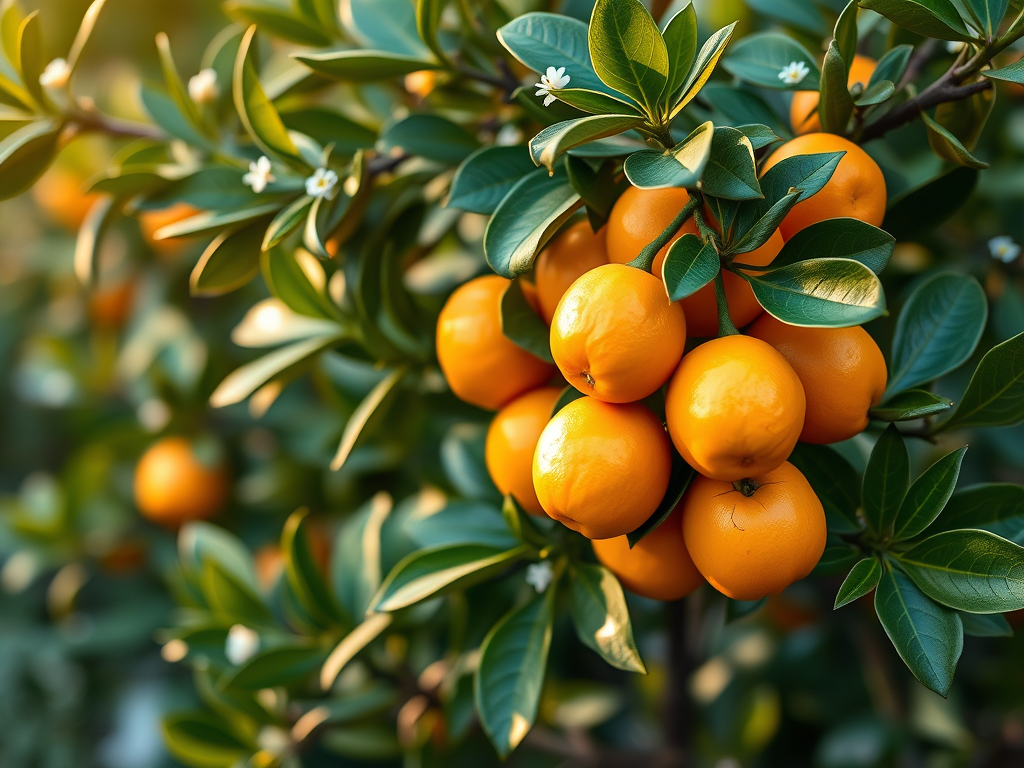
The oval kumquat (Citrus margarita, also known as the Nagami kumquat) was first described botanically by João de Loureiro, a Portuguese missionary and naturalist, in 1790 in his work Flora Cochinchinensis. However, its cultivation history stretches back much further.
🌿 Cultivation Origins
Native to Southeast China, where it was likely cultivated for centuries before formal documentation.
Widely grown across Taiwan, Japan, the Philippines, and India for culinary and ceremonial use.
Introduced to Europe in 1846 by Scottish botanist Robert Fortune, who brought it from China.
Brought to Florida in 1885 from Japan, where it became the most commonly cultivated kumquat variety in the U.S.3
🍊 Appearance & Size
- Oval-shaped, about the size of a large olive—typically just over an inch in diameter.
- Bright orange skin, smooth and glossy like a miniature orange.
- Grows in clusters on trees, resembling grapes in formation but citrus in nature.
🍬 Taste Profile
- Skin: Sweet and edible—no peeling required!
- Flesh: Tart and slightly acidic, creating a delightful sweet-sour contrast when eaten whole.
🌱 Growing Traits
- Trees are hardy, disease-resistant, and adaptable to various soils and climates.
- Can be grown in containers or gardens—perfect for patios and ornamental use.
- Dwarf varieties are available for smaller spaces.
Botanical Notes: Oval Kumquat (Citrus margarita)
🌱 Taxonomy & Classification
Genus: Citrus (sometimes placed in Fortunella, depending on classification system)
Species: Citrus margarita or Fortunella margarita
Family: Rutaceae (the citrus family, shared with oranges, lemons, and rue)
Order: Sapindales
This dual classification—Citrus vs. Fortunella—reflects the fruit’s liminal identity: both part of and apart from mainstream citrus. A symbolic overlay could explore this botanical ambiguity as a metaphor for boundary-blending or transitional rites.
🌿 Morphology
Leaves: Glossy, dark green, lanceolate; aromatic when crushed.
Flowers: Small, white, five-petaled; fragrant and hermaphroditic, enabling self-pollination.
Fruit: Oval, 2–4 cm long; thin, sweet rind enveloping tart pulp and few seeds.
The edible peel is a botanical anomaly among citrus—most are discarded. This inversion invites ceremonial interpretation: sweetness as surface, tartness as core, a reversal of expected fruit dynamics.
🌸 Phenology
Blooming Season: Late winter to early spring.
Fruit Ripening: Late fall to winter—often coinciding with solstice rituals and year-end transitions.
Its winter ripening makes it a symbol of resilience and abundance in scarcity, ideal for seasonal overlays or solstice-bound disclaimers.
❄️ Hardiness & Adaptability
Cold Tolerance: Hardy to ~10°F (–12°C); among the most frost-resistant citrus.
Growth Habit: Compact, evergreen shrub or small tree; ideal for container cultivationand ornamental use.
This cold-hardiness positions it as a botanical emblem of endurance—thriving where other citrus falter. A poetic disclaimer might frame it as a “sun-bearing sentinel in frost-bound gardens.”
🧬 Genetic & Hybridization Notes
- Often used in breeding programs to develop cold-hardy citrus hybrids.
- Parent to several cultivars, including variegated and dwarf forms.
Its genetic generosity—offering resilience to future citrus lines—could be ritualized as ancestral botanical stewardship.
🍽️Culinary & Ceremonial Use: Oval Kumquat (Citrus margarita)
🍊 Culinary Applications
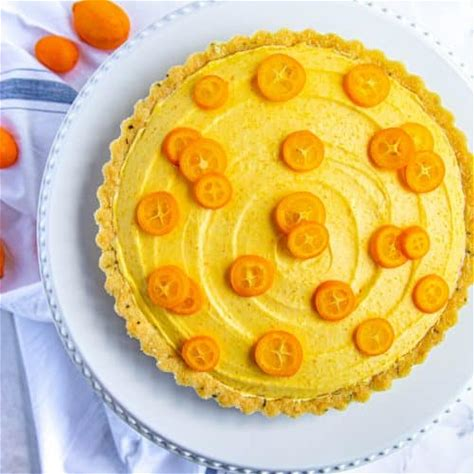
Kumquat Rosemary Tart
Whole-Fruit Consumption
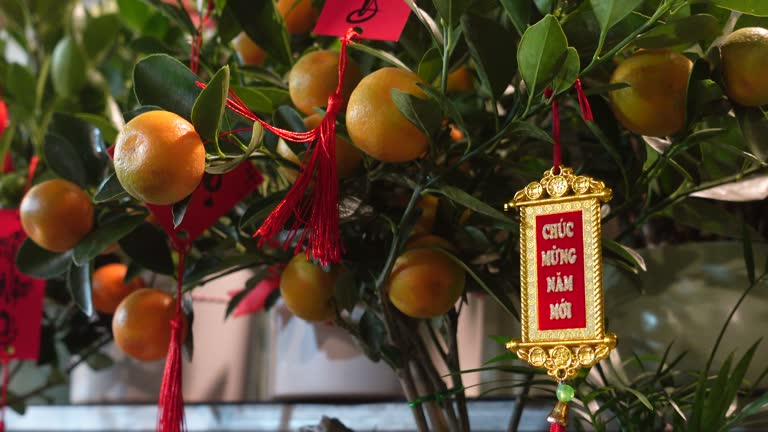
Spring Rituals Stock Videos, Footage
- Eaten whole—skin and pulp together—offering a rare duality: sweet exterior, tart interior.
- This inversion of expected citrus dynamics invites symbolic readings of surface sweetness guarding inner intensity.
Preserved Forms
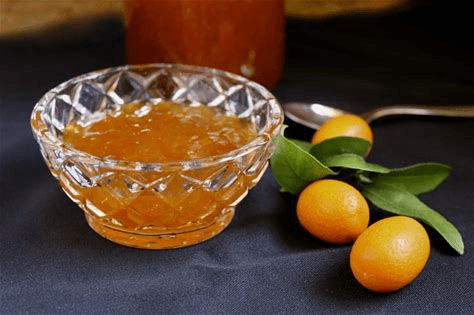
Easy Kumquat Jam Recipe
- Candied Kumquats: Slow-simmered in sugar syrup, often used in winter rituals or gifted during Lunar New Year.
- Kumquat Marmalade: A bitter-sweet spread, often paired with aged cheeses or ceremonial breads.
- Fermented Kumquat Brine: Used in traditional Chinese medicine and culinary tonics—symbolizing preservation of vitality.
Infusions & Elixirs
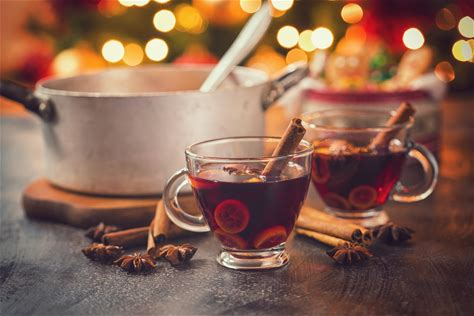
Kumquat Tea
Hot or Cold: Recipe
- Infused into liqueurs, teas, or vinegars, often as digestive aids or seasonal tonics.
- Kumquat-infused honey is used in throat remedies and ceremonial offerings, especially in East Asian traditions.
Botanical Pairings
- Pairs well with ginger, cardamom, and floral botanicals—ideal for ritual teas or solstice preserves.
- Used in savory dishes to cut through richness—often in ceremonial feasts where balance is honored.
🕯️ Ceremonial Symbolism

Kumquat-centered ritual practice—often seen during Lunar New Year in Vietnam and China, where kumquat trees are revered as symbols of prosperity, solar vitality, and seasonal renewal:
Seasonal Rites
- Ripens in winter, making it a symbol of abundance in scarcity, light in darkness, and sweetness through adversity.
- Often featured in solstice altars, New Year offerings, and ancestral remembrance rituals.
Boundary Rituals
- Its edible peel and whole-fruit consumption defy citrus norms—ideal for rituals that honor boundary dissolution, integration, or threshold crossing.
- Can be used in rites of passage, especially those marking transitions from bitterness to sweetness (e.g., grief to renewal).
Color Symbolism
- The vibrant orange hue evokes solar energy, vitality, and creative fire—suitable for rituals invoking clarity, courage, or transformation.
- In Feng Shui, kumquats symbolize wealth and luck, often placed near entryways or altars.
Gift-Giving & Reciprocity
- Traditionally gifted during Lunar New Year and other festivals as a token of prosperity, health, and good fortune.
- Can be ritualized in EJADA’s context as a ceremonial exchange artifact, especially when paired with disclaimers that honor ethical sourcing and seasonal pacing.
The oval kumquat is more than a citrus curiosity—it’s a nutritional talisman wrapped in edible sunlight. Its compact size conceals a potent blend of vitamins, fiber, and antioxidants, making it ideal for ceremonial nourishment and botanical resilience.
🧪 Nutritional Values (per 100g / ~5 kumquats)
| Nutrient | Amount | Symbolic Overlay |
|---|---|---|
| Calories | 71 kcal | Solar energy capsule |
| Carbohydrates | 15.9 g | Sweetness through motion |
| Dietary Fiber | 6.5 g | Botanical grounding |
| Sugars | 9.36 g | Bittersweet lineage |
| Protein | 1.9 g | Seed memory |
| Fat | 0.9 g | Minimal density, maximum clarity |
| Vitamin C | 43.9 mg (73% DV) | Immunity and solar clarity |
| Vitamin A | 290 IU | Vision and ancestral echo |
| Potassium | 186 mg | Cellular balance |
| Calcium | 62 mg | Bone-rooted strength |
| Magnesium | 20 mg | Nervous system calm |
| Iron | 0.9 mg | Vitality and blood memory |
🌿 Health Benefits
🛡️ Immunity & Healing
- High in Vitamin C, supporting immune defense, collagen production, and wound healing.
- Contains Vitamin A, crucial for vision, reproduction, and cellular protection.
🌬️ Antioxidant Power
- Rich in polyphenols and flavonoids, which help repair DNA damage and reduce oxidative stress.
- May boost natural killer (NK) cells, enhancing viral and cancer cell defense.
🌾 Digestive Harmony
- High fiber content supports digestion, lowers cholesterol, and regulates blood sugar.
- Edible peel offers insoluble fiber, aiding ceremonial cleansing and botanical pacing.
🧘 Stress & Mood Support
- Some studies suggest kumquats may help reduce stress and support emotional regulation.
- Their bright flavor and solar hue can be ritualized as mood-lifting agents in seasonal kits.
The oval kumquat may be a botanical gem, but like all ritual-rich nourishment, it carries precautionary boundaries that deserve ceremonial clarity. Here’s a curated overview of side effects and precautions, drawn from clinical nutrition sources and ritual-safe practice:
⚕️ Medical Disclaimer: Botanical Clarity & Ethical Boundaries
This artifact is offered for ceremonial and symbolic use only. It is not intended to diagnose, treat, cure, or prevent any medical condition. Individuals with citrus allergies, acid reflux, kidney sensitivities, or medication interactions (including statins, anticoagulants, and antihypertensives) should consult a licensed healthcare provider before consumption. Kumquats may affect blood sugar, digestion, and enamel integrity if consumed in excess. This entry does not replace professional medical advice, nor does it claim therapeutic efficacy. All ritual-safe recommendations are curated for symbolic nourishment and seasonal pacing. For clinical guidance, consult a qualified
⚠️ Potential Side Effects
| Overconsumption disrupts pacing—ideal for moderation rituals. | ||
| Acid Reflux | Citric acid may aggravate GERD or heartburn. | Avoid in lunar rites or nighttime ceremonies. |
| Tooth Enamel Erosion | Frequent raw consumption may wear enamel. | Pair with rinsing rituals or herbal mouth cleansing. |
| Allergic Reactions | Rare, but possible in citrus-sensitive individuals. | Include disclaimers for allergy-prone participants. |
| Blood Sugar Spikes | Though fiber-rich, large quantities may affect glucose levels. | Ritualize portion control—4–5 fruits per day. |
| Kidney Sensitivity | High potassium and oxalate may affect those with kidney issues. | Exclude from renal-bound offerings or consult before use. |
| Medication Interactions | May interfere with statins, antihypertensives, or anticoagulants. | Include symbolic overlays for pharmaceutical boundaries. |
🧼 Precautions for Ritual & Culinary Use
Wash Thoroughly: Especially when consumed raw—peel holds both sweetness and surface contaminants.
Avoid Cross-Contamination: Keep kumquats away from raw meat or seafood in ceremonial kitchens.
Storage Ritual: Refrigerate cut or cooked kumquats within 2 hours (or 1 hour if above 90°F).
Seed Awareness: Seeds are edible but bitter—remove for clarity-focused rites or child-safe offerings.
Dental Care: Rinse mouth after consumption to preserve enamel—ideal for post-ceremony cleansing.
🧼 Ritual-Safe Consumption Guide
Ceremonial Boundaries
🕯️ Portion: Limit to 4–5 fruits per day (approx. 100g) to maintain digestive harmony.
🌙 Timing: Best consumed during morning or midday rites. Avoid late-night or eclipse-bound ceremonies.
🧬 Allergy Awareness: Not suitable for citrus-sensitive participants. Include symbolic alternatives if needed.
🦷 Dental Ritual: Rinse mouth post-consumption to preserve enamel—ideal for post-altar cleansing.
🧪 Medication Interactions: Consult before use if participant is bound to statins, anticoagulants, or antihypertensives.
Preparation Rituals
- 🌿 Wash under running water with botanical intention.
- 🔪 Remove seeds for clarity-focused rites or child-safe offerings.
- ❄️ Refrigerate cut or cooked kumquats within 2 hours (or 1 hour if above 90°F).
- 🔥 Avoid pairing with raw meat or seafood in ceremonial kitchens.
Exclusion Zones
- 🚫 Not suitable for companion animal offerings.
- 🚫 Avoid in renal-bound rituals or high-potassium ceremonies.
- 🚫 Do not use in grief rites unless paired with grounding botanicals (e.g., rosemary, fig, barley).
Disclaimer
Each kumquat—whole, unpeeled—holds the inversion of citrus norms: sweetness on the surface, tartness at core. Consume only in daylight ceremonies or transitional feasts. Not suitable for lunar rites, grief-bound rituals, or companion animal offerings. May evoke digestive motion, emotional brightness, or solar overstimulation if taken in excess. Wash with intention. Chew with reverence. Pause between bites. This fruit does not promise healing—it invites pacing.
🌿 Closing Invocation: Solar Fruit, Ritual Bound
The oval kumquat, once a humble citrus, now stands as a botanical artifact—curated for rites of clarity, seasonal pacing, and bittersweet renewal. From solstice altars to ancestral remembrance, its edible inversion invites us to taste boundaries, honor transitions, and ritualize nourishment.
Whether candied, steeped, or offered whole, this fruit asks not for consumption—but for reverence.
May each bite be paced. May each offering be intentional. May each entry honor the threshold it crosses.
This post is part of EJADA’s ongoing archive of ceremonial nourishment and ethical transparency. For disclaimers, ritual-safe guides, and symbolic overlays, see the curated entries above.
 EJADA
EJADA 
Leave a comment