🌍 Origin & Distribution
- Native Range: Likely Madagascar, though its exact origin is debated.
- Global Spread: Found across Southeast Asia, the Indian subcontinent, the Caribbean, Central and South America, and even parts of the Pacific like Hawaii.
- Historical Movement: Introduced to Jamaica in 1793 by Captain William Bligh (yes, the Mutiny on the Bounty guy).
🌳 Botanical Profile
| Feature | Description |
|---|---|
| Height | Typically 2–9 meters (6.5–30 feet), with a bushy, dense crown |
| Leaves | Ovate to lanceolate, 2–7.5 cm long, smooth green tops, bluish undersides |
| Flowers | Small, pinkish, found in clusters (panicles) on leafless parts of branches |
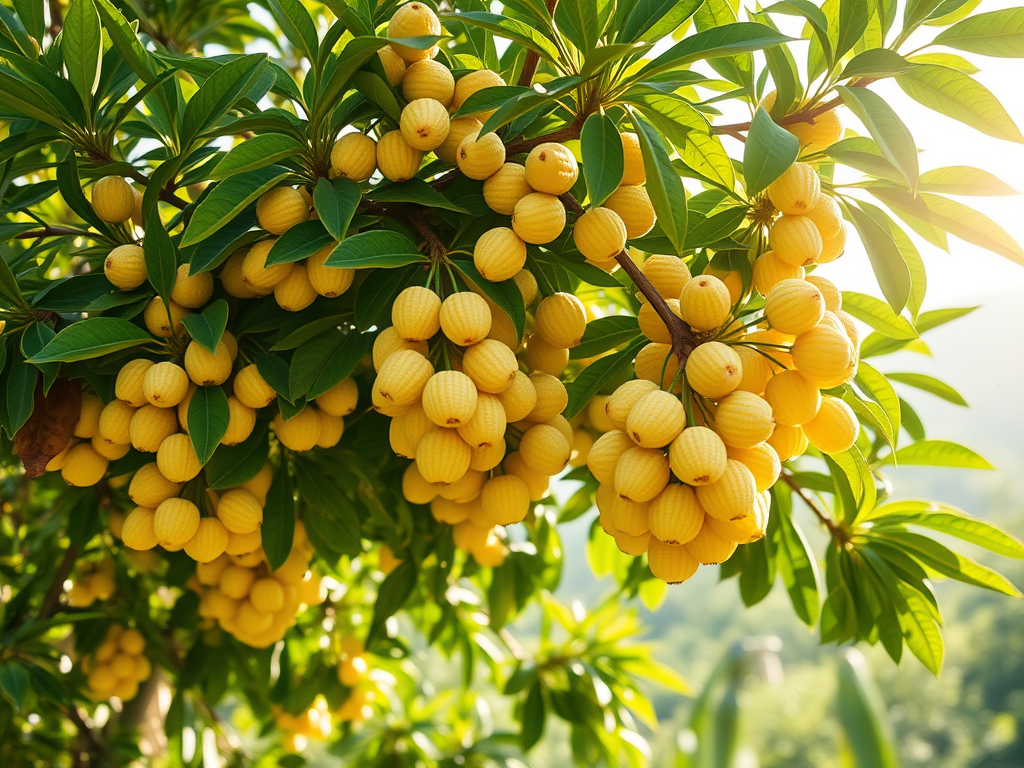
| Fruit | Pale yellow, waxy, ribbed, 2–4 cm diameter, extremely sour |
| Seeds | Each fruit contains 4–6 seeds encased in a hard stone |
Appearance & Taste
- The tree grows between 2 to 9 meters tall, with a dense, bushy crown.
- Fruits are small, pale yellow, waxy, and ribbed—often clustered in bunches.
- The flavor? Extremely sour and tart, which makes it popular for pickling, preserves, and chutneys.
🍽 Culinary & Medicinal Uses
- Edible Uses: Commonly pickled, candied, or made into chutneys and jams. Rarely eaten raw due to its intense tartness.
- Nutritional Value: Rich in vitamin C, antioxidants, and low in calories.
- Medicinal Applications:
- Used in traditional medicine for digestive issues, fever, and inflammation.
- Leaves and bark may help treat diarrhea, dysentery, and gastrointestinal disorders.
🍈 Culinary Uses of Otaheite Gooseberry
🥣 1. Pickles & Chutneys
- Most popular use: The fruit’s intense tartness makes it perfect for pickling.
- Often combined with spices like mustard seeds, chili, turmeric, and garlic.
- In India and Southeast Asia, it’s turned into tangy chutneys served with rice or flatbreads.
🍬 2. Candied & Preserved
- The fruit is boiled in sugar syrup to make candied gooseberries—a sweet-tart treat.
- Can be sun-dried after candying for chewy snacks or added to desserts.
🍹 3. Juices & Syrups
- Blended into refreshing drinks, often sweetened to balance the acidity.
- Used in cooling summer beverages or fermented slightly for probiotic tonics.
🥗 4. Curries & Stir-Fries
- In Thai and Filipino cooking, it’s added to sour soups or stir-fried with vegetables and meats.
- Balances rich, fatty dishes with its acidity—similar to tamarind or lime.
🍛 5. Rice & Grain Dishes
- Cooked into rice dishes like gooseberry pulihora (a South Indian sour rice).
- Adds a tangy twist to lentil stews and porridges.
🧁 6. Baking & Jams
- Though less common, it can be used in tarts, pies, and jams—especially when paired with sweeter fruits like mango or pineapple.
🌿 Leaves in Cooking
- In some cultures, young leaves are cooked and eaten like spinach.
- Used in soups or steamed with rice for their mild sourness and medicinal value.
🌟 Medicinal Benefits of Otaheite Gooseberry
🧠 Neurological & Pain Relief
- Sciatica, lumbago, and rheumatism: Crushed leaves mixed with pepper are used as a poultice to relieve nerve and joint pain.
- Headache relief: Steam from boiled roots is inhaled to ease headaches.
🧠 Cognitive & Mood Support
- May enhance serotonin and dopamine levels, improving mood and mental clarity.
🩺 Digestive & Detox Support
- Liver tonic: The fruit is traditionally consumed to enhance liver function and purify the blood2.
- Constipation relief: Seeds and roots have mild laxative and purgative properties.
- Appetite stimulant: The fruit is considered a natural rochana—meaning it improves taste perception and digestion.
🫁 Respiratory Health
- Asthma & bronchitis: Decoctions made from seeds and bark are used to treat respiratory issues.
- Bronchial catarrh: Bark decoction helps clear mucus and soothe inflamed airways.
🧬 Anti-inflammatory & Antioxidant
- Anti-inflammatory: Leaf extracts show significant anti-inflammatory activity, useful for conditions like psoriasis and arthritis.
- Antioxidant: Rich in compounds like kaempferol and caffeic acid, which help fight oxidative stress.
🦴 Bone & Skin Health
- Healthy bones: Nutrient-rich profile supports bone strength.
- Skin conditions: Leaves are used to treat itching, smallpox, and gum infections.
🧪 Other Notable Effects
Antibacterial & antiviral: Ethanol extracts show promise against bacteria like E. coli and S. aureus, and may have antiviral properties.
Diuretic: Promotes urine flow, aiding in detoxification.
Hypoglycemic & hypolipidemic: Leaf extracts may help manage blood sugar and cholesterol levels.
✅ Safe Preparation Guidelines
When it comes to herbal remedies, safety is everything 🌿. The Otaheite Gooseberry (Phyllanthus acidus) has potent medicinal properties, but it also contains parts that can be toxic if misused. Here’s how to prepare and use it responsibly:
🍃 Leaves
Use: For skin conditions (itching, boils, gum infections), inflammation, and fever.
Preparation:
Topical Poultice: Crush fresh leaves and mix with a little warm water. Apply directly to the affected area.
Tea/Infusion: Boil 5–10 fresh leaves in 1 cup of water for 5–10 minutes. Strain and drink once daily.
Caution: Avoid high doses or prolonged use without guidance, especially if pregnant or breastfeeding.
🍈 Fruit
Use: Liver tonic, antioxidant boost, appetite stimulant.
Preparation:
Raw or Pickled: Eat small amounts raw or pickled.
Juice: Blend fruit with water and strain. Drink in moderation due to high acidity.
Caution: Excessive consumption may cause stomach irritation due to its sourness.
🌿 Bark & Roots
Use: Traditionally used for bronchial issues, headaches, and digestive problems.
Preparation:
Decoction: Boil a small piece (1–2 grams) of dried bark/root in 2 cups of water until reduced by half. Drink 1/4 cup once daily.
Caution: Root bark is considered toxic in high doses—it may cause severe abdominal pain, fatigue, or worse. Always consult a qualified herbalist or healthcare provider before using.
🌱 Seeds
Use: Mild laxative, respiratory support.
Preparation:
Powdered Form: Dry and grind seeds. Use a pinch mixed with honey or warm water.
Caution: Use sparingly; seeds contain compounds that may be harsh on the digestive system.
⚠️ General Safety Tips
Start small: Always begin with low doses to test for allergic reactions or sensitivity.
Avoid mixing: Don’t combine with prescription medications unless approved by a doctor.
Consult professionals: Especially important for children, pregnant women, or those with chronic conditions.
Use fresh or properly dried parts: Avoid moldy or spoiled plant material.
⚠️ Medicinal Use Disclaimer
The information provided about Phyllanthus acidus is intended for educational and informational purposes only. While traditional medicine systems such as Ayurveda and Unani have used this plant for centuries, and scientific studies have begun to explore its pharmacological potential2, these remedies:
Are not a substitute for professional medical advice, diagnosis, or treatment.
Have not been evaluated or approved by regulatory bodies like the FDA for therapeutic use.
May cause adverse effects if used improperly, especially in high doses or combined with other medications.
Should not be used during pregnancy, breastfeeding, or in children without consulting a qualified healthcare provider.
Always consult a licensed medical professional before starting any herbal treatment, especially if you have existing health conditions or are taking prescription medications.

🧬 Nutritional Composition
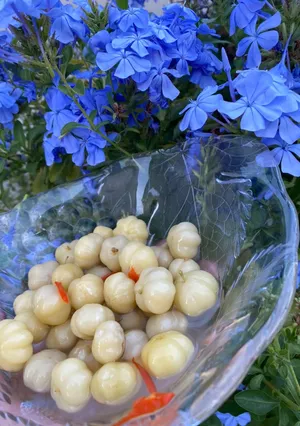
This fruit is a nutritional gem, especially when used in functional foods or traditional remedies.
According to recent studies, the fruit is rich in
Vitamin C: Boosts immunity, supports collagen production, and acts as a powerful antioxidant.
Dietary Fiber: Aids digestion, promotes gut health, and helps regulate blood sugar levels.
Phenolic Compounds: Includes gallic acid, kaempferol, and quercetin, which have antioxidant and anti-inflammatory properties.
Flavonoids & Tannins: Help combat oxidative stress and may reduce the risk of chronic diseases.
🥗 Bonus: Low-Calorie & Hydrating
- Naturally low in calories and high in water content—great for hydration and weight management.
🌿 Cultivation & Care
Climate: Thrives in warm, humid tropical and subtropical zones.
Soil: Prefers well-drained, organically rich soils.
Propagation: Can be grown from seeds or cuttings.
Watering: Needs regular watering but dislikes waterlogged conditions.
Pests: Susceptible to aphids, mealybugs, and fungal infections if not properly maintained.
This tree isn’t just a botanical curiosity—it’s a cultural traveler, a culinary staple, and a medicinal ally.
🧾 Otaheite Gooseberry: The Final Takeaway
The Otaheite Gooseberry (Phyllanthus acidus) is more than just a tart tropical fruit—it’s a botanical treasure with:
Culinary versatility: From pickles and chutneys to jams and juices, it adds bold flavor to traditional dishes across Asia, the Caribbean, and beyond.
Medicinal depth: Used in folk remedies for everything from liver health and inflammation to respiratory and digestive support.
Nutritional value: Packed with vitamin C, antioxidants, and fiber, it supports immunity, heart health, and detoxification.
Cultural richness: A plant with global roots and local stories, often passed down through generations.
Whether you’re growing it, cooking with it, or exploring its healing properties, the Otaheite Gooseberry invites curiosity and creativity. It’s sour, yes—but in the best possible way.
 EJADA
EJADA 
Leave a comment