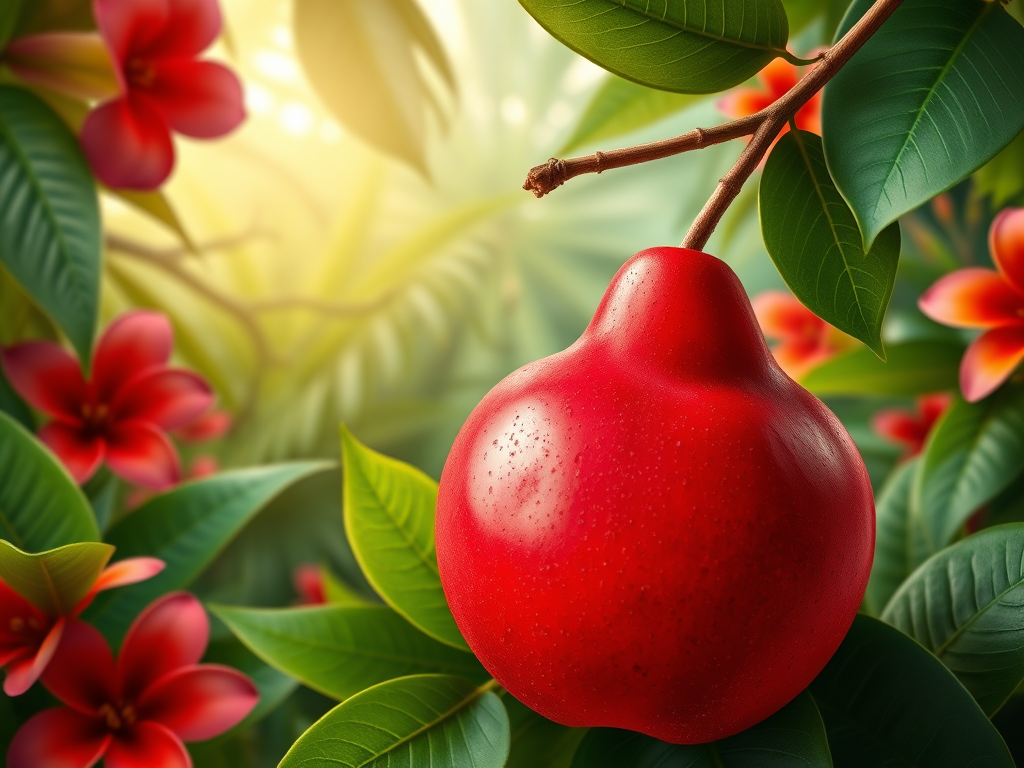
🌺 Origins of the Otaheite Apple
The Otaheite Apple has deep roots in Southeast Asia and the Pacific Islands, where it was cultivated by Austronesian peoples from prehistoric times. These early seafarers valued the tree for its edible fruit and beautiful blossoms, and they carried it across the Pacific as a canoe plant, introducing it to remote islands as part of their migration and settlement.
Its name “Otaheite” comes from Tahiti, which was historically known by that name. The fruit was likely introduced to the Caribbean in the 18th century, possibly by French or British explorers during the colonial era. In Jamaica, it became a beloved staple, thriving in the island’s tropical climate and embedding itself in local culture and cuisine.
While the Otaheite Apple (also known as Syzygium malaccense, Malay apple, or Jamaican apple) doesn’t have widely documented formal ritual celebrations, it holds a deep cultural significance in places like Jamaica, Tahiti, and other parts of the Caribbean and Pacific Islands.
🌿 Cultivation Timeline
Prehistoric Era: Cultivated by Austronesians in tropical Asia and Oceania
18th Century: Introduced to the Caribbean, including Jamaica, from Tahiti
1793: Captain Bligh is credited with bringing the fruit to Jamaica
From ancient canoe voyages to Caribbean backyards, the Otaheite Apple has traveled far and wide
🌿 Physical Description
Shape: Bell-shaped or pear-like, with a smooth, symmetrical form.
Skin: Thin and glossy, ranging from deep crimson to bright red, sometimes with pink or reddish-green hues.
Flesh: Crisp, white, and juicy with a soft, spongy texture that almost melts in your mouth.
Seed: Contains a single large, dark brown seed at the center.
🍽️ Flavor Profile
Taste: Mildly sweet with a subtle tanginess.
Texture: A cross between a pear and watermelon—light, hydrating, and tender.
Aroma: Delicate floral scent, especially when ripe.
🌺 Cultural & Symbolic Roles
In Jamaica, the fruit is often tied to childhood memories, community sharing, and seasonal abundance. It’s common for families to gather around trees during harvest time, and while not a formal ritual, this communal experience carries a celebratory spirit.
Harvest traditions in rural areas may involve informal gatherings, storytelling, and sharing of the fruit, especially when the trees are in full bloom and bearing fruit.
In Polynesian cultures, where the fruit originated, it was one of the canoe plants—species carried by early voyagers to new islands. These plants were often revered and used in ceremonial plantings or offerings, especially when establishing new settlements.

Polynesian Cultural
🍎 Symbolism
The fruit’s vibrant red color and floral aroma often symbolize life, vitality, and tropical abundance.
In some folklore, the tree is considered protective or spiritually significant, though specific rituals vary by region and are often orally passed down.
🌿 Nutritional Benefits of Otaheite Apple
The Otaheite Apple (Syzygium malaccense), also known as Jamaican apple or Malay rose apple, is a tropical superfruit that’s as nourishing as it is refreshing 🍎🌿. Let’s break down its nutritional profile and the health benefits that make it a standout addition to any diet:
Macronutrients & Composition
Water Content: ~91% — excellent for hydration and detoxification.
Calories: ~100 kcal per 100g — low-calorie, ideal for weight management.
Dietary Fiber: Promotes satiety, regulates blood sugar, and supports digestive health.
🌟 Vitamins & Their Benefits
| Vitamin | Function & Benefit |
|---|---|
| Vitamin C | Boosts immunity, supports collagen production, and acts as a powerful antioxidant2. |
| Vitamin A | Essential for vision, immune function, and skin health3. |
| Thiamine (B1) | Supports nerve function and helps convert food into energy. |
| Riboflavin (B2) | Aids in metabolizing fats and proteins; supports cellular energy. |
| Niacin (B3) | Promotes healthy skin, nerves, and digestion. |
🧪 Minerals & Their Benefits
| Mineral | Function & Benefit |
|---|---|
| Calcium | Strengthens bones and teeth; supports muscle and nerve function. |
| Iron | Vital for red blood cell production and oxygen transport3. |
| Phosphorus | Key for DNA/RNA synthesis and cellular repair. |
| Potassium | Regulates blood pressure and heart rhythm; balances fluids. |
🛡️ Antioxidants & Phytochemicals
Carotene: Supports eye health and immune function; has anti-inflammatory properties.
Polyphenols & Flavonoids: Help combat oxidative stress and may reduce the risk of chronic diseases.
Anthocyanins: Found in the deep red skin; known for anti-aging and anti-inflammatory effects.
💚 Additional Health Benefits
Anti-inflammatory & Antibacterial: May help with skin conditions like acne and reduce internal inflammation.
Natural Fever Relief: Traditionally used as a cooling beverage to reduce fever.
Digestive Aid: High fiber content supports gut health and regularity.
Weight Management: Low in calories and high in fiber, making it ideal for healthy snacking.
This fruit isn’t just a tropical indulgence—it’s a nutritional powerhouse.
The Otaheite Apple (Syzygium malaccense) is more than just a tropical treat—it’s a nutritional powerhouse with a wide range of health benefits.
Here’s a deeper look at what makes it so good for you
🧠 1. Brain & Nerve Support
- Thiamine (Vitamin B1) and Niacin (Vitamin B3) help convert food into energy and support healthy nerve function.
- Riboflavin (Vitamin B2) aids in metabolizing fats and proteins, fueling brain activity.
💪 2. Bone & Muscle Health
- Calcium strengthens bones and teeth, and supports muscle contractions.
- Phosphorus is essential for DNA/RNA synthesis and maintaining cellular structure.
❤️ 3. Cardiovascular Benefits
- Potassium helps regulate blood pressure and supports heart rhythm.
- Iron is vital for red blood cell production and oxygen transport.
🛡️ 4. Immune System Boost
- Vitamin C and Vitamin A enhance immune defenses by promoting white blood cell function and protecting against infections.
- These vitamins also help produce T cells, which fight viruses and regulate immune responses.
🌟 5. Antioxidant Protection
- Rich in flavonols, phenolic compounds, carotenoids, and Vitamin C, which neutralize free radicals and reduce oxidative stress.
- May help lower the risk of chronic diseases like cancer and heart disease.
👁️ 6. Eye Health
- Carotene and Vitamin A support vision and protect the eyes from age-related degeneration.
🍽️ 7. Digestive Wellness
- High fiber content promotes regular bowel movements, reduces constipation, and helps regulate blood sugar.
- Fiber also contributes to satiety, aiding in weight management.
💧 8. Hydration & Detox
- Composed of 91% water, making it excellent for hydration and natural detoxification.
- Can be consumed raw or as a refreshing beverage to cool the body and relieve fever.
🔥 9. Anti-Inflammatory & Antibacterial
- Contains compounds with anti-inflammatory and antibacterial properties, which may help with skin conditions like acne.
This fruit truly earns its place among tropical superfoods

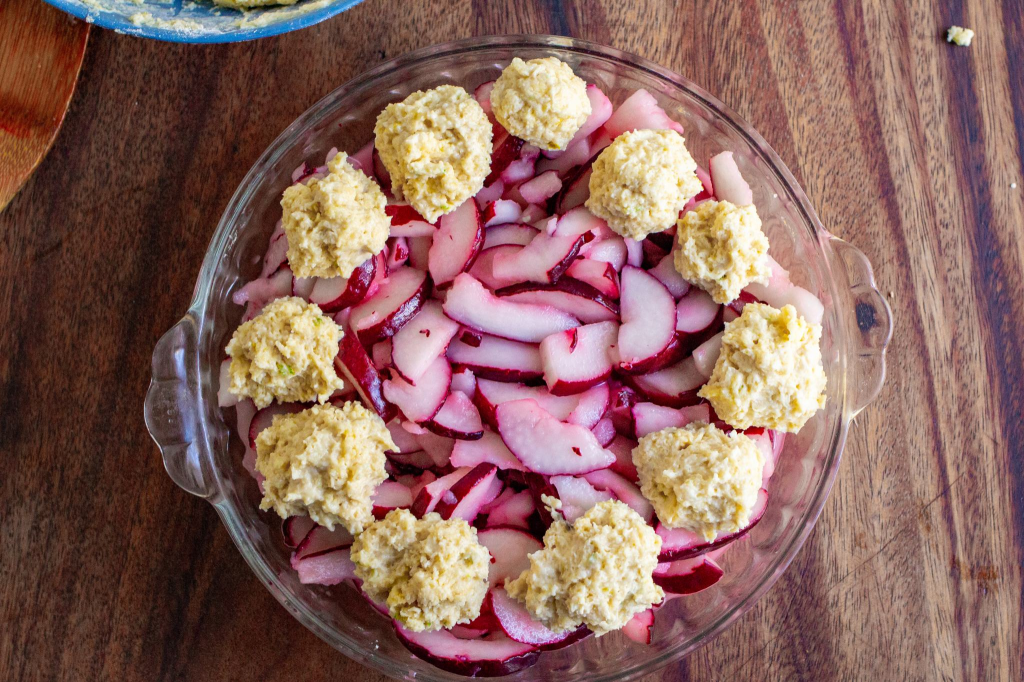
Apple Cobbler Made From Jamaican Otaheiti Apples Holiday & Seasonal Archives – Chef Samantha George

Jamaican Otaheite Apple Drink Recipe – Refreshing and Tropical Delight
Ingredients:
- 9 large Otaheite apples
- 3 cups filtered water
- Sugar (granulated), to taste
- Piece of ginger root
- 2 green limes
Instructions:
- Wash and deseed Otaheite apples.
- Cut apples and peel ginger, then chop into pieces.
- In a blender, blend apples and ginger in batches using 3 cups of water.
- Strain the apple-ginger mixture to obtain the juice.
- Sweeten the juice with granulated sugar to your liking.
- Add the juice of 2 green limes for a zesty kick.
Vegan Otaheite Apple Jam
Ingredients:
- 4 cups chopped Otaheite apples
- ½ cup maple syrup
- Juice of 1 lemon
- 1 tsp grated ginger
Instructions: Simmer all ingredients over medium heat until thickened (about 30–40 minutes). Store in sterilized jars. No pectin needed—the apples naturally gel!
The Otaheite Apple (Syzygium malaccense), also known as Jamaican apple or Malay apple, is available in the U.S.—but with some caveats
Availability in the United States
- Online Retailers: Specialty fruit shops like iHeartFruitBox offer seasonal pre-orders of Otaheite apples shipped from organic farms.
- South Florida: The tree grows well in tropical zones like South Florida (USDA Zone 10b). Local growers and backyard enthusiasts cultivate it successfully.
- California Restrictions: Due to agricultural regulations, this fruit cannot be shipped to California.
- Seasonal Access: Because it’s a tropical fruit, availability is limited to harvest seasons—typically late spring through summer. Pre-orders are common, and delivery may take several weeks depending on ripening schedules.
If you’re in a warm climate and want to grow your own
🌱 Growing Your Own Otaheite Apple Tree
If you’re in a tropical or subtropical climate, you’re in luck—it thrives in warmth and humidity.
Basic Growing Tips:
- Climate: Prefers tropical zones; USDA zones 10–11.
- Soil: Well-drained, loamy soil with organic matter.
- Sunlight: Full sun to partial shade.
- Watering: Regular watering, especially in dry spells.
- Propagation: Usually grown from seeds or cuttings.
- Fruit Time: Trees can bear fruit in 3–5 years.
Bonus Tip: The tree also makes a stunning ornamental plant thanks to its glossy leaves and pink blossoms.
🍎⚠️ While the Otaheite Apple (Syzygium malaccense) is generally considered safe and nutritious for most people, there are a few groups who should be cautious or consult a healthcare provider before consuming it regularly
🚫 Who Should Be Cautious
1. People with Allergies to Myrtaceae Family
- The Otaheite Apple belongs to the Myrtaceae family, which includes guava, cloves, and eucalyptus.
- If you have known allergies to these plants, you may experience itching, swelling, or digestive upset.
2. Individuals with Kidney Issues
- The fruit contains potassium, which is normally beneficial—but in excess, it can be problematic for those with kidney disease or impaired kidney function.
- High potassium levels can lead to hyperkalemia, a potentially serious condition.
3. Diabetics (in large quantities)
- Though relatively low in sugar compared to other tropical fruits, consuming large amounts may still affect blood glucose levels.
- Diabetics should monitor their intake and pair it with fiber-rich or protein-based foods.
4. Pregnant or Breastfeeding Women (if unwashed or unripe)
- There’s no known toxicity, but like with any fruit, consuming unwashed or underripe versions may pose a risk of bacterial contamination or digestive discomfort.
5. People on Certain Medications
- If you’re taking diuretics, ACE inhibitors, or potassium-sparing drugs, the potassium content in Otaheite apples may interact with your medication.
- Always check with a healthcare provider if you’re on a strict dietary regimen.
🧪 General Safety Tips
- Wash thoroughly before eating to remove pesticides or contaminants.
- Avoid the seed—it’s large, hard, and not edible.
- Moderation is key: Even healthy fruits can cause issues if consumed in excess.
✅ Final Takeaway
The Otaheite Apple is a vibrant tropical fruit packed with hydration, antioxidants, vitamins, and minerals. From boosting immunity and digestion to supporting heart and skin health, it’s a delicious way to nourish your body—especially when enjoyed in moderation and as part of a balanced diet.
⚠️ Disclaimer
This content is for informational purposes only and is not intended as medical advice. Always consult with a qualified healthcare provider before making changes to your diet, especially if you have underlying health conditions, allergies, or are taking medications that may interact with certain foods.
 EJADA
EJADA 
Leave a comment