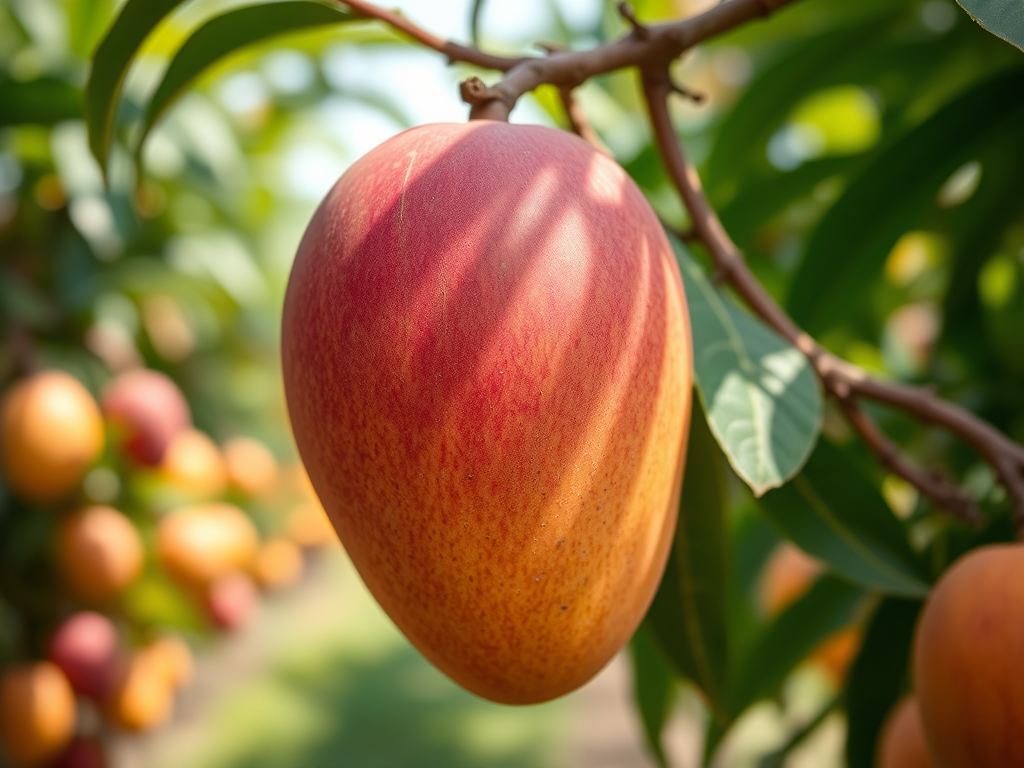
The Osteen mango has a rich and flavorful history rooted in Florida’s mango-growing legacy. Here’s the story behind this beloved cultivar:
🌱 Origins
The original Osteen mango tree grew from a seed planted in 1935 on the property of S.A. Osteen, who was the first County Commissioner of Brevard County, Florida.
It was a seedling of the Haden mango, one of the earliest and most influential mango varieties in Florida. Later pedigree analysis confirmed this parentage.
🏡 Family Legacy
The mango was named after the Osteen family, who had lived in the Lotus subdivision on South Tropical Trail in Merritt Island since the late 19th century.
The family played a significant role in the local community, and descendants still reside in the area today.
🍈 Rise to Fame
The tree first fruited in 1940, and its fruit was quickly recognized for its attractive color, excellent production, and sweet, mild flavor.
It was eventually adopted as a commercial cultivar, especially popular in Europe, where its purple-blushed skin and fiberless flesh made it a market favorite.
🥭 Nutritional Profile (per 100g of mango flesh)
- Calories: ~60–70 kcal
- Carbohydrates: ~15 g (mostly natural sugars)
- Dietary Fiber: ~1.6 g
- Vitamin C: ~36 mg (about 40% of daily value)
- Vitamin A: ~54 µg (supports vision and immunity)
- Potassium: ~168 mg (helps regulate blood pressure)
- Folate (Vitamin B9): ~43 µg (important for cell function and pregnancy)
- Antioxidants: Includes beta-carotene, polyphenols, and mangiferin
💪 Health Benefits
🛡️ How Osteen Mango Supports Your Immune System
1. Vitamin C Powerhouse
Osteen mangoes are packed with Vitamin C, a key nutrient that:
Stimulates the production of white blood cells (your body’s infection fighters)
Enhances the function of phagocytes, which engulf and destroy harmful invaders
Acts as a potent antioxidant, protecting immune cells from oxidative damage
2. Vitamin A for Mucosal Defense
Rich in beta-carotene, which your body converts into Vitamin A
Vitamin A helps maintain the integrity of mucosal barriers—like those in your respiratory and digestive tracts—making it harder for pathogens to enter
3. Polyphenols and Mangiferin
Mangoes contain polyphenolic compounds like mangiferin, which:
Exhibit anti-inflammatory and antioxidant properties
Help regulate immune responses and reduce chronic inflammation
May enhance the activity of natural killer cells and T-cells, crucial for fighting viruses and abnormal cells
4. Folate (Vitamin B9)
Supports the production and function of DNA and RNA in immune cells
Essential for the formation of new immune cells, especially during times of stress or illness
5. Copper and Potassium
Copper plays a role in the development of immune cells and the maintenance of immune function
Potassium helps regulate fluid balance and cellular function, indirectly supporting immune health
🧬 Bonus: Gut Health Connection
The fiber in Osteen mangoes promotes a healthy gut microbiome
A balanced gut flora is closely linked to a stronger immune system, as much of your immune activity originates in the gut
In short, the Osteen mango is more than just a sweet treat—it’s a delicious way to fortify your body’s natural defenses.
Eye Health in Osteen Mango
Vitamin A & Beta-Carotene
Mangoes are a top source of beta-carotene, which your body converts into Vitamin A.
Vitamin A is essential for:
Maintaining the cornea (the eye’s outer surface)
Supporting night vision
Preventing dry eyes and eye infections
Deficiency in Vitamin A is one of the leading causes of preventable blindness worldwide.
Lutein & Zeaxanthin
These are carotenoids found in the retina, especially in the macula, the part of the eye responsible for central vision.
Osteen mangoes contain both, and they:
Filter harmful blue light
Protect against macular degeneration and cataracts
Improve visual contrast and reduce glare sensitivity
Help eyes recover faster from bright light exposure
Vitamin C
Acts as a powerful antioxidant, protecting eye tissues from oxidative stress.
Supports the health of blood vessels in the eyes, reducing risk of age-related macular degeneration and diabetic retinopathy.
Copper & Folate
Copper aids in the development of connective tissue in the eye.
Folate supports cellular repair and regeneration, which is vital for maintaining healthy eye function.
🧠 Bonus: Anti-Inflammatory Protection
Mangoes contain mangiferin and other polyphenols that reduce inflammation, which can help prevent chronic eye conditions linked to oxidative damage.
🥭 How to Maximize These Benefits
Eat mangoes fresh and ripe to preserve their nutrient content.
Pair with healthy fats (like avocado or nuts) to boost absorption of fat-soluble nutrients like Vitamin A and carotenoids.
Include mango in smoothies, salads, or even salsas for a delicious way to support your vision.
3. How Osteen Mango Benefits Heart Health
Rich in Potassium
Potassium helps regulate blood pressure by balancing sodium levels and relaxing blood vessel walls.
A diet high in potassium is linked to a lower risk of stroke and heart disease.
High in Antioxidants
Osteen mangoes contain polyphenols, beta-carotene, and Vitamin C, which:
Reduce oxidative stress on blood vessels
Prevent LDL cholesterol (the “bad” kind) from oxidizing—a key step in plaque formation
Support overall vascular health
Anti-Inflammatory Effects
Compounds like mangiferin (a unique antioxidant found in mangoes) have shown anti-inflammatory properties.
Chronic inflammation is a major contributor to atherosclerosis, hypertension, and other heart conditions.
Supports Healthy Cholesterol Levels
The soluble fiber in mangoes may help lower total and LDL cholesterol by binding to cholesterol in the digestive tract and aiding its excretion.
Fiber also helps regulate blood sugar, which is closely tied to heart health.
Vitamin C for Arterial Health
Vitamin C strengthens blood vessel walls and improves endothelial function (the lining of your arteries).
It also helps reduce homocysteine levels, a compound linked to increased cardiovascular risk.
🥭 Bonus: Weight Management & Heart Health
Mangoes are naturally low in fat and calories, making them a heart-friendly snack.
Their fiber content promotes satiety, helping with weight control—a key factor in maintaining heart health.
4. Digestive Wellness
Rich in Dietary Fiber
Osteen mangoes contain both soluble and insoluble fiber.
Soluble fiber helps regulate blood sugar and slows digestion, promoting satiety.
Insoluble fiber adds bulk to stool, aiding in regular bowel movements and preventing constipation.
This fiber also acts as a prebiotic, feeding beneficial gut bacteria and supporting a balanced microbiome.
Natural Digestive Enzymes
Mangoes contain amylase enzymes, which help break down complex carbohydrates into simple sugars.
These enzymes support smoother digestion and reduce bloating after meals.
Anti-Inflammatory Compounds
The antioxidant mangiferin, found in mangoes, has been shown to reduce inflammation in the gut.
This may help soothe symptoms of IBS, gastritis, or inflammatory bowel conditions.
Hydration & Electrolytes
Mangoes are high in water content, which supports hydration and helps soften stool.
They also contain potassium, which aids in muscle contractions—including those in the digestive tract.
Gut Barrier Protection
Vitamin A and polyphenols in mangoes help maintain the integrity of the gut lining.
A healthy gut barrier prevents “leaky gut” and reduces the risk of food sensitivities and systemic inflammation.
🍽️ How to Maximize Digestive Benefits
Eat mangoes ripe and fresh—they’re easier to digest and contain more active enzymes.
Pair with probiotic-rich foods like yogurt to boost gut flora.
Avoid overconsumption, especially if you’re sensitive to fructose or have IBS.
5. Skin & Anti-Aging Benefits of Osteen Mango
Vitamin C for Collagen Production
Osteen mangoes are rich in Vitamin C, which is essential for the synthesis of collagen—the protein that keeps skin firm and elastic.
Collagen production declines with age, leading to wrinkles and sagging. Vitamin C helps slow this process and promotes smoother, plumper skin.
Beta-Carotene & Vitamin A
The mango’s vibrant color comes from beta-carotene, which your body converts into Vitamin A.
Vitamin A:
Promotes cell turnover, helping shed dead skin cells and reveal fresh ones
Reduces acne and hyperpigmentation
Protects against UV damage and environmental stressors
Polyphenols & Mangiferin
Mangoes contain polyphenolic compounds like mangiferin, which have antioxidant and anti-inflammatory properties.
These compounds:
Neutralize free radicals that cause premature aging
Reduce skin inflammation, redness, and irritation
Support skin healing and regeneration
Hydration & Skin Barrier Support
Mangoes have high water content, which helps keep skin hydrated from the inside out.
Proper hydration supports the skin barrier, preventing dryness, flakiness, and sensitivity.
Vitamin E for Skin Repair
Though in smaller amounts, mangoes contain Vitamin E, which:
Helps repair damaged skin
Improves skin texture and tone
Protects against oxidative stress
Bonus: Mango in Skincare Products
Mango extracts are often used in natural skincare for their brightening and soothing effects.
Mango butter (from the seed) is a popular ingredient in moisturizers due to its emollient and anti-aging properties.
🍽️ How to Maximize These Benefits
Eat mangoes fresh and ripe to preserve their nutrient content.
Pair with healthy fats (like avocado or nuts) to boost absorption of fat-soluble vitamins.
Use mango pulp in DIY face masks for a topical glow-up.
6. Anti-Inflammatory Effects
Inflammation is your body’s natural response to injury, infection, or stress. While short-term (acute) inflammation helps heal wounds and fight off illness, chronic inflammation can contribute to conditions like:
Heart disease
Diabetes
Arthritis
Autoimmune disorders
Skin issues like eczema and psoriasis
🥭 Anti-Inflammatory Power of Osteen Mango
Mangiferin: The Star Compound
Found in mangoes, especially in the peel and seed, mangiferin is a powerful polyphenol with proven anti-inflammatory effects.
It works by:
Inhibiting pro-inflammatory cytokines (chemical messengers that trigger inflammation)
Reducing oxidative stress, which fuels chronic inflammation
Supporting immune balance and cellular repair
Vitamin C
Acts as an antioxidant, neutralizing free radicals that damage cells and trigger inflammation.
Helps reduce markers of inflammation like C-reactive protein (CRP).
Beta-Carotene & Vitamin A
These nutrients help regulate the immune system and reduce inflammatory responses.
Vitamin A supports the integrity of mucosal barriers, which can prevent inflammatory triggers from entering the body.
Polyphenols & Flavonoids
Mangoes contain a variety of plant-based antioxidants that:
Protect tissues from oxidative damage
Reduce inflammation in the gut, joints, and skin
May help lower the risk of chronic diseases linked to inflammation
🧠 Bonus: Gut-Inflammation Connection
- The fiber in Osteen mangoes supports a healthy gut microbiome.
- A balanced gut flora helps regulate systemic inflammation and immune responses.
🍽️ How to Maximize Anti-Inflammatory Benefits
- Eat mangoes ripe and fresh to preserve antioxidant content.
- Pair with healthy fats (like olive oil or nuts) to boost absorption of fat-soluble nutrients.
- Consider using mango in anti-inflammatory recipes like turmeric-mango smoothies or mango-chia bowls.
7. Key Cancer-Fighting Components in Osteen MangoCancer-Fighting Potential
Mangiferin
- A powerful polyphenol found in mangoes, especially in the peel and seed.
- Known for its antioxidant, anti-inflammatory, and anti-tumor properties.
- Studies suggest mangiferin may:
- Inhibit cancer cell proliferation
- Promote apoptosis (programmed cell death) in abnormal cells
- Suppress tumor growth in cancers like breast, colon, and leukemia
Beta-Carotene & Vitamin A
Beta-carotene is a carotenoid antioxidant that helps neutralize free radicals.
Free radicals can damage DNA and lead to mutations that trigger cancer.
Vitamin A also supports immune surveillance, helping the body detect and destroy abnormal cells.
Vitamin C
A potent antioxidant that protects cells from oxidative stress.
Helps regenerate other antioxidants like Vitamin E.
May reduce inflammation and support collagen synthesis, which is vital for tissue repair and cellular integrity.
Polyphenols & Flavonoids
Mangoes contain a variety of plant-based compounds that have shown anti-cancer activity in lab studies.
These compounds may:
Block angiogenesis (formation of blood vessels that feed tumors)
Interfere with cell signaling pathways that promote cancer growth
Enhance the effectiveness of certain chemotherapy agents
🥗 How to Maximize These Benefits
Eat mangoes fresh and ripe to preserve antioxidant content.
Include the flesh and pulp—while the peel contains high levels of mangiferin, it’s not typically consumed.
Pair with other cancer-fighting foods like berries, cruciferous vegetables, and turmeric for synergistic effects.
⚠️ A Note on Research
While mangoes show promise in preclinical studies, more human trials are needed to confirm their direct impact on cancer prevention or treatment. Still, incorporating Osteen mango into a balanced, antioxidant-rich diet is a delicious way to support overall cellular health.
The Osteen mango, with its smooth texture and mild sweetness, makes it easy to incorporate into smoothies, salads, salsas, or just enjoy fresh.
Osteen Mango Recipes

Mango Float
A no-bake dessert layered with graham crackers, whipped cream, and ripe mango slices.

Mango Burfi (Indian Mango Fudge)
A rich, creamy dessert made with mango pulp and milk solids (khoya).
Ingredients:
- Mango puree
- Khoya (milk solids)
- Sugar
- Chopped almonds and cashews
Mango-Habanero Salsa
A sweet and spicy salsa perfect for grilled meats or chips.
Ingredients:
- Diced Osteen mango
- Habanero pepper
- Lime juice
- Cilantro
- Salt
Instructions:
- Mix all ingredients in a bowl.
- Chill and serve with tacos, grilled chicken, or chips.
🌍 Preservation & Cultivation
- Osteen mango trees are part of the USDA’s germplasm repository in Miami and are also planted at the Miami–Dade Fruit and Spice Park in Homestead, Florida.
- Though not as widely grown as some other varieties, it remains a cherished cultivar in Florida and abroad.
⚠️ Precautions When Eating Osteen Mango
1. Allergic Reactions
- Mangoes (including Osteen) belong to the same plant family as poison ivy.
- The skin and sap contain urushiol, which can cause contact dermatitis in sensitive individuals.
- If you’re allergic, avoid touching the skin and opt for peeled mango slices.
2. Sugar Content
- Mangoes are naturally high in fructose.
- People with diabetes or those watching their blood sugar levels should consume in moderation.
3. Pesticide Residue
- Wash thoroughly before cutting, especially if not organic.
- Consider peeling even if you don’t eat the skin, to avoid transferring residue from knife to flesh.
4. Ripeness Matters
- Unripe mangoes can be acidic and may cause stomach upset or indigestion.
- Ripe Osteen mangoes are mild and sweet—perfect for sensitive stomachs.
5. Storage Safety
- Store at room temperature until ripe, then refrigerate.
- Avoid keeping cut mango unrefrigerated for long periods—it can spoil quickly.
🧼 Handling Tips
- Use gloves if you’re sensitive to mango sap.
- Clean knives and cutting boards immediately after use to prevent sticky residue and cross-contamination.
 EJADA
EJADA 
Leave a comment