Okay, now that I have shared my age at the time of my trip—which was just before my 67th birthday—let’s get back to our Journey of Fruits with the fascinating Osage Orange.
🍊 Journey of Fruits: Osage Orange
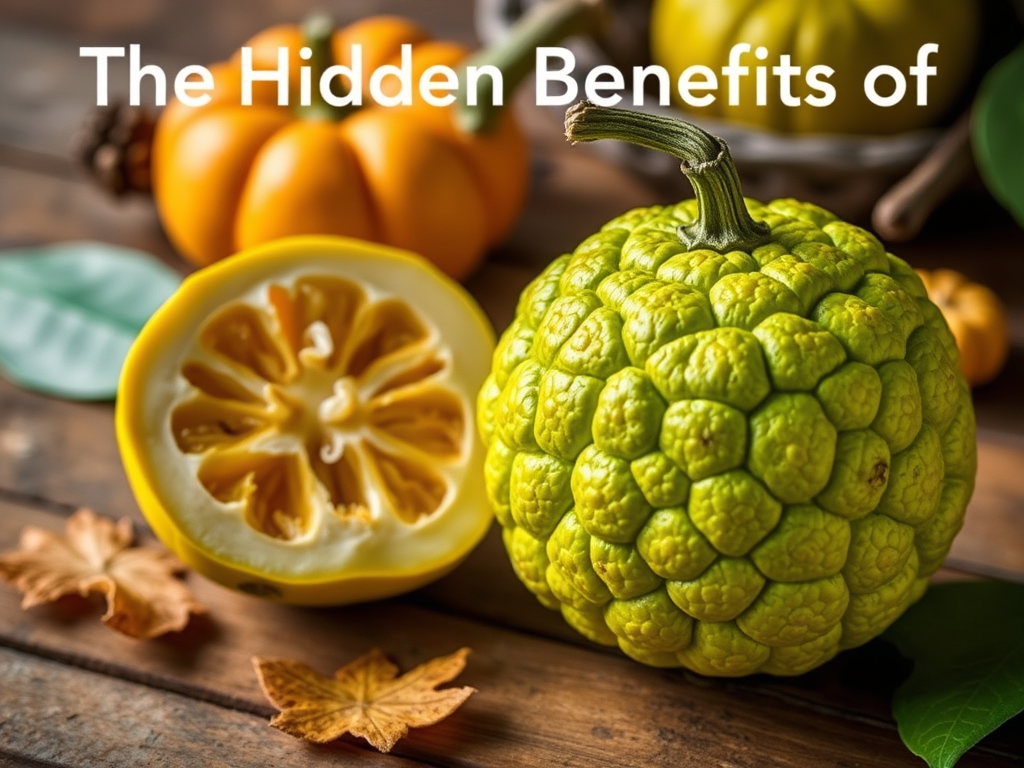
Often mistaken for a citrus fruit because of its bumpy, bright green exterior, the Osage Orange is actually not an orange at all. Native to the central United States, this fruit has earned nicknames like hedge apple, horse apple, and even monkey brains due to its wild appearance.
🌳 More Than Meets the Eye
- Pest Repellent: Traditionally placed around homes and barns to deter insects and rodents.
- Decorative Use: Its unique texture and vibrant color make it a favorite for fall décor.
- Medicinal Potential: Contains compounds like flavonoids and tannins, used in folk remedies for their antioxidant and anti-inflammatory properties.
🏹 A Tree with Legacy
The Osage Orange tree’s wood—known as bois d’arc—was prized by Native Americans for crafting bows. Its strength and flexibility made it ideal for hunting and warfare.
⚠️ Edible or Not?
While technically edible, the fruit is bitter and fibrous, making it unappealing for most people. It’s more admired for its utility and symbolism than its flavor.
🍊 Is Osage Orange Healthy?
While the Osage Orange (also called hedge apple or horse apple) looks like it might be packed with nutrients, it’s not considered a healthy fruit for human consumption. Here’s why:
⚠️ Limited Edibility
- The fruit contains a milky sap that can cause gastrointestinal upset if ingested.
- It has minimal nutritional value, mostly water and fiber, with very few essential nutrients.
- The taste is bitter and unpleasant, and the texture is tough and spongy—not ideal for eating.
🧪 Chemical Composition
- Contains 2,3,4,5-tetrahydroxystilbene (THS), a compound that may be toxic to pets and can cause digestive issues in humans if consumed in large amounts.
- Despite this, it does have antioxidants like flavonoids and phenolic acids, which are beneficial in theory—but not enough to make it a recommended food.
✅ Traditional Uses
- Historically used for medicinal purposes, natural pest control, and woodcraft, not as a food source.
So while it’s fascinating and full of folklore, the Osage Orange is not a healthy fruit to eat. It’s best admired for its cultural and practical uses rather than added to your diet.
not all oranges are considered super fruits, though many do offer impressive health benefits. The term super fruit typically refers to fruits that are exceptionally rich in nutrients, antioxidants, and compounds that support disease prevention and overall wellness.
So Which Oranges Make the Cut?
While all oranges are healthy, certain varieties stand out more than others:
✅ Superfruit-Worthy Oranges
- Blood Oranges: Packed with anthocyanins (a powerful antioxidant also found in berries), which give them their deep red color and extra anti-inflammatory benefits.
- Cara Cara Oranges: These have a pinkish flesh and are rich in vitamin C, A, and lycopene—another antioxidant linked to heart health and cancer prevention.
- Seville Oranges (used in marmalade): Though bitter, they contain high levels of flavonoids and are sometimes used in traditional medicine.
⚠️ Regular Oranges
- Navel and Valencia Oranges: Still excellent sources of vitamin C and fiber, but they don’t have the same concentration of unique antioxidants that push other fruits into the “super” category.
🧠 The Superfruit Criteria
To be considered a super fruit, a fruit typically needs to:
- Be high in antioxidants (like polyphenols or flavonoids)
- Offer anti-inflammatory benefits
- Support heart health, immune function, or disease prevention
- Be backed by scientific studies showing measurable health effects
Some oranges are superstars, and others are solid team players in the fruit world.@ Healthline.com
🍽️ Culinary Uses of Osage Orange
The Osage Orange is more of a curiosity than a culinary staple—but it does have a few niche uses in the kitchen, mostly involving its seeds, not the fruit itself.
⚠️ Not Typically Eaten
- The flesh of the fruit is bitter, fibrous, and exudes a milky latex that can irritate the skin and digestive tract.
- Most people find the taste unpleasant, and there are reports of indigestion after eating it.
✅ Edible Seeds
- The seeds inside the fruit are edible once roasted.
- Roasted Osage Orange seeds are said to have a nutty, savory flavor, similar to a mix of sunflower seeds and popcorn.
- They’re not widely consumed, but some foragers and experimental chefs use them as a snack or garnish.
🍵 Folk Remedies & Infusions
- In traditional medicine, parts of the fruit have been used in infusions or extracts for their antioxidant and anti-inflammatory properties, though this is not common culinary practice.
🌿 Summary
While the Osage Orange isn’t a fruit you’d slice up for a salad or bake into a pie, its seeds offer a small window into culinary use—especially for those who enjoy wild foraging or experimenting with unusual ingredients.
🍊 Osage Orange: Marching to Its Own Beat
While this fruit may look more like a botanical oddity than a health hero, studies are beginning to uncover its hidden potential. Recent research has shown that compounds found in Osage Orange—like pomiferin, osajin, and auriculasin—have antioxidant, anti-inflammatory, and even anticancer properties.
🧪 What’s Being Studied:
- Inhibition of tumor growth: Certain isoflavones in the fruit may help block cancer cell proliferation and angiogenesis.
- Oxidative stress reduction: These compounds can neutralize free radicals and reduce inflammation, which is linked to many chronic diseases.
- Enzyme regulation: Osage Orange extracts have shown activity against enzymes like xanthine oxidase and phosphodiesterase 5A, which play roles in inflammation and cellular stress.
Though it’s not ready for the spotlight as a mainstream health food, the Osage Orange is quietly building a resume in the world of natural medicine and pharmacology.@ Natural Science News
A tea can be made from Osage Orange, though it’s definitely more of a folk remedy than a mainstream beverage.
🍵 Osage Orange Tea: What You Should Know
Made from dried fruit slices: The bumpy green fruit (often called hedge apple) can be sliced, dried, and steeped in hot water to create a mild, not unpleasant-tasting tea.
Flavor profile: Slightly astringent with earthy undertones. It’s not sweet or citrusy like its name might suggest.
Preparation tip: Use about a teaspoon of crumbled or ground dried fruit, steeped for 10–15 minutes. Some people prefer freeze-dried slices to preserve nutrients.
Health note: While not toxic to most people, the fruit’s latex sap can cause irritation in rare cases. Always start with small amounts and consult a professional if you’re unsure.
🧪 Why People Drink It
Rich in antioxidants like pomiferin and osajin
Used in folk medicine for potential anti-inflammatory and immune-supporting benefits
Some even use it as part of natural cancer-support regimens, though this is anecdotal and not medically confirmed
It’s definitely a niche brew, but for those exploring wild or medicinal plants, Osage Orange tea offers a unique experience.
Osage Orange Tea along with its known nutritional and medicinal benefits. While not a mainstream beverage, it’s cherished in folk medicine circles for its calming and antioxidant properties.
🍵 Osage Orange Tea: A Folk Brew with a Twist
Ingredients:
- 1 teaspoon of dried Osage Orange fruit (freeze-dried or air-dried slices)
- 1 cup of hot water (about 8 oz)
- Optional: honey or mint for flavor
Instructions:
- Prepare the fruit: If using fresh Osage Orange, slice thinly and dry thoroughly. Freeze-drying helps preserve nutrients.
- Steep: Crumble or grind about 1 teaspoon of dried fruit and steep in hot water for 10–15 minutes.
- Strain and serve: Remove solids and enjoy warm. Add honey or mint if desired.
Note: Always start with small amounts to test your tolerance. The fruit contains latex sap, which may cause irritation in rare cases.
🌿 Nutritional & Medicinal Benefits
Osage Orange (Maclura pomifera) contains several bioactive compounds that may offer health benefits:
| Compound | Potential Benefit |
|---|---|
| Pomiferin | Antioxidant; studied for anti-cancer properties |
| Osajin | Anti-inflammatory and antimicrobial effects |
| Triterpenes | May support immune function and reduce inflammation |
| Prenylated flavonoids | Shown to interact with cannabinoid and opioid receptors, possibly aiding in pain relief and mood regulation |
Some users report feeling calmer, more focused, and less anxious after drinking Osage Orange tea regularly. While these effects are anecdotal, they align with early studies on the fruit’s neuroactive compounds.
🧪 Experimental Medicine
- Some herbalists experiment with infusions or extracts from the fruit for its antioxidant and anti-inflammatory compounds, like pomiferin and osajin
Yes, the Osage Orange is absolutely available in the United States—it’s actually native to the south-central region, especially Texas, Oklahoma, Arkansas, and parts of Missouri2. Over time, it’s been widely planted across North America as a natural fence line, windbreak, and ornamental tree, thanks to its dense wood and hardy nature.
🌳 Where You Might Find It:
- Wild or rural areas: Often growing along old farm boundaries or country roads.
- Farmers’ markets (seasonally): Especially in late summer through fall (peak season: September–October).
- Specialty produce suppliers: Some online retailers list Osage Oranges, though availability can be limited.
- Woodworking shops: The tree’s wood is prized for its strength and golden-orange hue, often sold as “Bodark” or “Bois d’arc” lumber.
While the fruit itself isn’t commonly sold for eating, it’s often used for decorative purposes, natural pest control, or curiosity collections.
The Osage Orange is absolutely available in the United States—it’s actually native to the south-central region, especially Texas, Oklahoma, Arkansas, and parts of Missouri. Over time, it’s been widely planted across North America as a natural fence line, windbreak, and ornamental tree, thanks to its dense wood and hardy nature.
⚠️ Cautions
Osage Orange (also known as hedge apple) is not a conventional food item and should be approached with care. While some people use dried slices of the fruit to brew mild herbal tea, it is important to note the following:
The fruit contains a milky latex sap, which may cause skin irritation or digestive discomfort in sensitive individuals.
The flesh is bitter and fibrous, and not typically consumed in large quantities. Eating more than 1–2 tablespoons of the fruit may lead to stomach upset or diarrhea.
The seeds, while technically edible when roasted, are not widely studied for safety or nutritional value.
There is no official medical endorsement of Osage Orange tea for treating any health condition. Reported benefits are anecdotal and based on personal experiences.
Always consult a qualified healthcare provider before using any wild or herbal remedy, especially if you have allergies, are pregnant, or are taking medications.
While Osage Orange is not considered toxic to humans in small amounts, there are certain individuals who should avoid consuming any part of the fruit or tree, due to its chemical makeup and potential for irritation.
🚫 Who Should Not Consume Osage Orange
1. People with Latex Allergies
- The fruit contains a milky latex sap that can cause skin irritation, rashes, or allergic reactions.
- If you’re sensitive to latex (like from gloves or certain fruits), avoid handling or ingesting Osage Orange.
2. Children
- Due to its choking hazard, bitter taste, and potential for gastrointestinal upset, it’s best to keep this fruit out of reach of young children.
3. Pregnant or Breastfeeding Individuals
- There is no safety data on Osage Orange consumption during pregnancy or lactation.
- Herbal remedies with unknown effects should be avoided during these stages.
4. People with Sensitive Digestion
- The fruit’s fibrous texture and bitter compounds (like THS – tetrahydroxystilbene) may cause stomach upset, nausea, or diarrhea.
- Individuals with irritable bowel syndrome (IBS) or other digestive sensitivities should avoid consuming any part of the fruit, including seeds and tea infusions.
5. Pet Owners
- Osage Orange is potentially toxic to pets, especially dogs and cats, due to compounds like THS.
- Keep the fruit and seeds away from animals.
⚠️ General Advice
Even though some parts of the Osage Orange (like roasted seeds) are technically edible, they are not recommended for regular consumption. Always consult a healthcare provider before trying wild or unfamiliar plants—especially if you have allergies, chronic conditions, or are taking medications.
This content is for informational purposes only and does not constitute medical advice. The author is not responsible for any adverse effects resulting from the use of Osage Orange or its derivatives.
 EJADA
EJADA 
Leave a comment