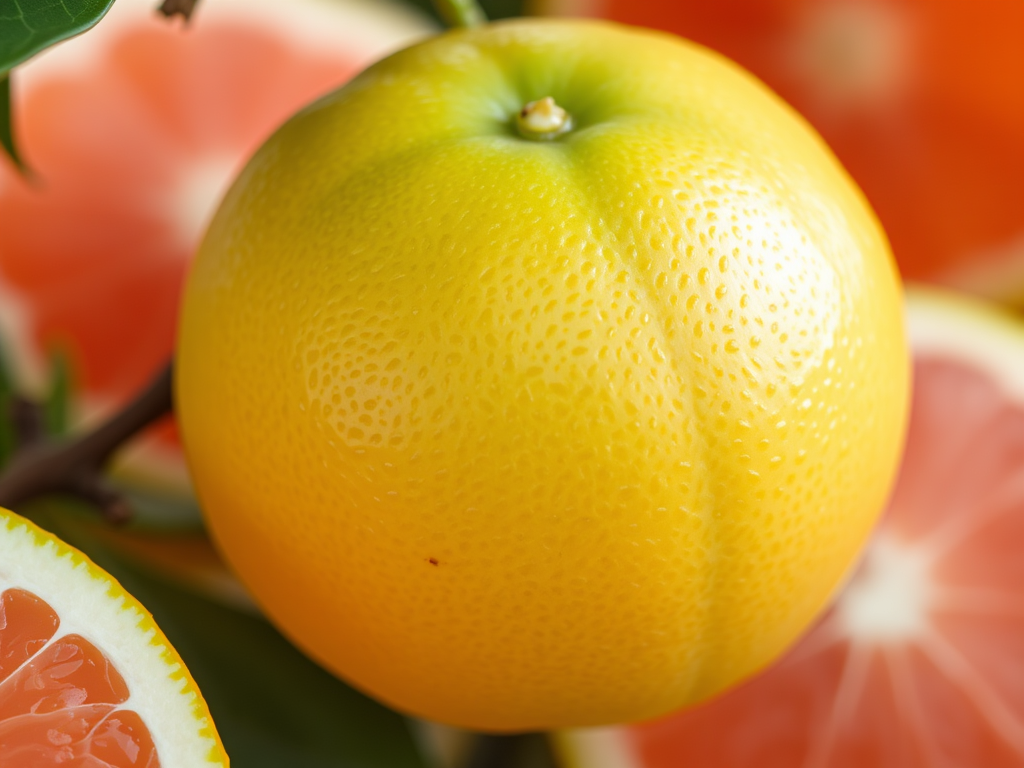
Oroblanco, also known as “Sweetie” or “white gold”—is a citrus hybrid that combines the acidless pomelo with the Marsh grapefruit. Oroblanco was first cultivated in April 1958 by two geneticists, James W. Cameron and Robert Soost, at the University of California, Riverside. Their goal was to create a sweeter, less bitter alternative to traditional grapefruit by crossing an acidless pomelo with a Marsh grapefruit.
🍈 Key Characteristics
Flavor: Mild, sweet, and far less bitter than traditional grapefruit. It’s often described as tasting like grapefruit with sugar already added3.
Appearance: Oblate shape with a thick rind that stays green even when ripe. The flesh is pale yellow and mostly seedless.
Aroma: Citrusy and floral, with a juicy interior and low calorie count (around 40 calories per 100g).
Growing Conditions: Requires less heat than other grapefruit varieties, making it suitable for cooler climates.
🌍 Cultivation & Popularity
Initially struggled in U.S. markets due to its green peel, which consumers mistook for unripe fruit.
Gained popularity in Japan and Southeast Asia after Israeli growers rebranded it as “Sweetie” and marketed its sweetness and unique color.
It wasn’t until 1980 that Oroblanco was officially released to growers, and it quickly gained traction—especially in international markets where its sweetness and unique green rind were embraced.
Oroblanco’s cultural significance is subtle but fascinating—it’s a fruit that reflects global tastes, agricultural innovation, and marketing psychology. Here’s a deeper look at its cultural impact:
🌏 Global Appeal & Rebranding
Israel’s “Sweetie” Success: While Oroblanco struggled in U.S. markets due to its green peel (often mistaken for unripe fruit), Israeli growers rebranded it as “Sweetie” and marketed its sweetness and health benefits. This clever repositioning made it a hit in Japan, South Korea, and Southeast Asia, where consumers embraced its mild flavor and exotic appeal.
Symbol of Agricultural Diplomacy: The fruit’s journey from California labs to Asian grocery stores is a quiet example of how agricultural products can bridge cultures and economies.
🍽️ Culinary Integration
In Japanese cuisine, Sweetie is often served chilled as a dessert or used in fruit salads, appreciated for its balance of sweetness and acidity.
In Korean households, it’s sometimes juiced or paired with herbal teas, aligning with wellness trends.
In Western kitchens, chefs use Oroblanco in sorbets, vinaigrettes, and seafood dishes, where its citrus notes enhance flavor without overpowering.
🌿 Cultural Symbolism
The name “Oroblanco” means “white gold” in Spanish—a nod to its pale flesh and premium taste. It evokes luxury and purity, which helped shape its upscale image in certain markets.
Its development also reflects a cultural shift toward health-conscious eating—low calorie, high vitamin C, and antioxidant-rich.
🧠 Marketing Psychology
Oroblanco’s success abroad shows how color perception influences consumer behavior. In the West, green citrus was seen as unripe; in Asia, it was exotic and fresh.
The renaming to “Sweetie” softened its image and made it more approachable, especially for children and older consumers.
🍽️ Culinary Integration
In Japanese cuisine, Sweetie is often served chilled as a dessert or used in fruit salads, appreciated for its balance of sweetness and acidity.
In Korean households, it’s sometimes juiced or paired with herbal teas, aligning with wellness trends.
In Western kitchens, chefs use Oroblanco in sorbets, vinaigrettes, and seafood dishes, where its citrus notes enhance flavor without overpowering.
🌿 Cultural Symbolism
The name “Oroblanco” means “white gold” in Spanish—a nod to its pale flesh and premium taste. It evokes luxury and purity, which helped shape its upscale image in certain markets.
Its development also reflects a cultural shift toward health-conscious eating—low calorie, high vitamin C, and antioxidant-rich.
Oroblanco is not just sweet—it’s nutritionally smart too. Here’s a breakdown of its nutritional profile per 174g serving (about one fruit):
🥭 Oroblanco Nutritional Values
| Nutrient | Amount (per 174g) | Notes |
|---|---|---|
| Calories | 70 kcal | Low-calorie, great for snacking |
| Carbohydrates | 17.57 g | Mostly natural sugars |
| Protein | 1.39 g | Small but present |
| Fat | 0.17 g | Virtually fat-free |
| Vitamin C | High | Boosts immunity and skin health |
| Folate | Rich | Supports cell function and pregnancy |
🍊 Highlights
- Low in calories: Around 40 kcal per 100g
- High in antioxidants: Especially Vitamin C
- Hydrating: Like most citrus fruits, it’s water-rich
- Digestive-friendly: Thanks to fiber and low acidity
It’s a guilt-free treat that fits into most diets—whether you’re keto-curious, plant-based, or just trying to eat cleaner.
Oroblanco (also known as Sweetie) offers a range of health benefits that are backed by nutritional science and cited sources.
🍊 Cited Health Benefits of Oroblanco
| Benefit | Description | Source |
|---|---|---|
| Immune Support | High in Vitamin C, which boosts immune function and helps fight infections. | NatureWord |
| Skin & Gum Health | Vitamin C also promotes collagen production, supporting healthy skin and gums. | Greg App |
| Digestive Wellness | Rich in dietary fiber, which aids digestion and promotes gut health. | Greg App |
| Hydration | High water content helps maintain hydration, especially in warmer climates. | Greg App |
| Anti-inflammatory Effects | Contains antioxidants and bitter compounds that may reduce inflammation. | NatureWord |
| Heart Health | Modest amounts of potassium may help regulate blood pressure. | NatureWord |
| Weight Management | Low in calories (about 70 per fruit), making it ideal for healthy snacking. | Chef’s Pencil |
⚠️ Caution
- People on diabetes medication or with acid reflux/gastritis should consume Oroblanco in moderation due to its citrus acidity.
Oroblanco Grapefruit Salad Recipe (Goi Buoi)
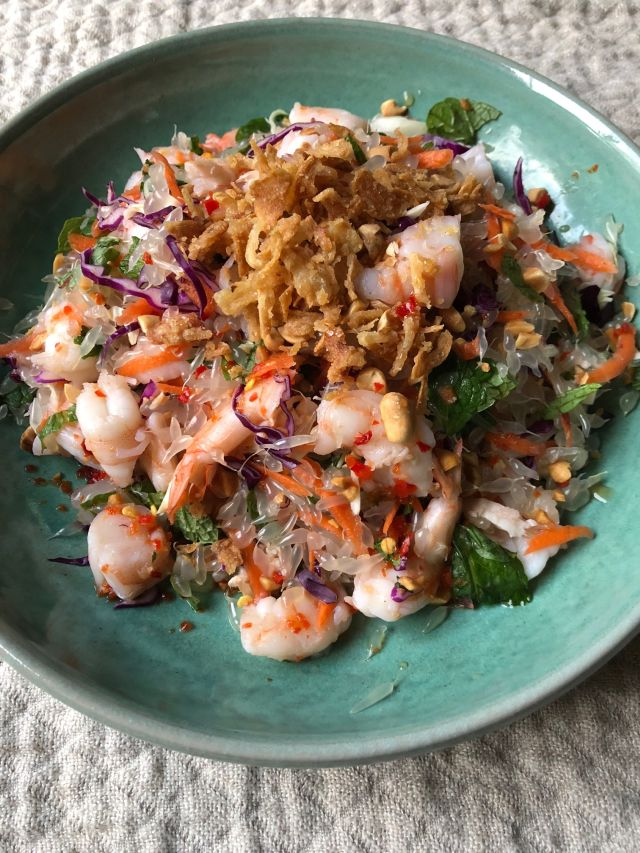
The very old-school Vietnamese approach to making pomelo salad (goi buoi) is to peel the fruit to reveal their naked segments FULL RECIPE
🍸 Oroblanco Cherry Martini
A citrusy cocktail with a sweet cherry twist.
Ingredients:
- 2 oz vodka
- 2 oz Oroblanco juice
- 1 oz maraschino cherry juice
- 1 oz triple sec
- Ice, cherries, and Oroblanco slice for garnish
Instructions:
- Shake all liquids over ice.
- Strain into a martini glass.
- Garnish with cherries and a citrus slice.
Recipe from Grumpy’s Honeybunch
🍬 Candied Oroblanco Peel
Turn the thick rind into a sweet treat!
Ingredients:
- Oroblanco or pomelo peels
- Sugar
- Water
Instructions:
- Peel and slice rind into strips.
- Boil and soak to mellow bitterness.
- Simmer in sugar syrup until translucent.
- Coat in sugar and dry.
📎 Recipe from Viet World Kitchen
while Oroblanco is generally safe and nutritious, there are a few groups who should be cautious or avoid it:
⚠️ People Who Should Limit or Avoid Oroblanco
| Group | Reason |
|---|---|
| People on diabetes medication | Oroblanco contains natural sugars and may interact with blood sugar–regulating drugs. |
| Individuals with acid reflux or gastritis | Citrus acidity can aggravate symptoms like heartburn or stomach irritation. |
| Babies on medication | Oroblanco may interact with certain pediatric medications—consult a doctor before introducing it. |
| Infants under 6 months | Citrus fruits are not recommended before solids are introduced due to choking risk and acidity. |
| Anyone with citrus allergies | Though rare, citrus allergies can cause skin reactions, digestive issues, or respiratory symptoms. |
👶 Baby-Specific Notes
- Oroblanco can cause harmless skin rashes or diaper irritation due to its acidity.
- Citrus membranes and seeds are choking hazards—always remove them before serving to young children.
If you’re managing a specific health condition or medication, it’s always smart to check with a healthcare provider before adding new citrus fruits to your diet
🍈 Oroblanco: Nature’s Sweet Citrus Hybrid
Oroblanco, also known as “Sweetie,” is a citrus fruit born from innovation and embraced across cultures. Developed in 1958 by geneticists at UC Riverside, it blends the sweetness of an acidless pomelo with the tang of Marsh grapefruit. Its green peel and pale flesh defy expectations, offering a low-calorie, antioxidant-rich treat that’s as versatile in the kitchen as it is refreshing to eat.
From Vietnamese salads and candied peels to martinis and wellness routines, Oroblanco has earned its place as a global favorite. But like all citrus fruits, it’s not for everyone—those with acid sensitivity, citrus allergies, or certain medications should consult a healthcare provider before indulging.
⚠️ Disclaimer
The information provided in this post is for general educational and culinary purposes only. It is not intended as medical advice, diagnosis, or treatment. Always consult a qualified healthcare professional before making dietary changes, especially if you have existing health conditions or are taking medication.
 EJADA
EJADA 
Leave a comment