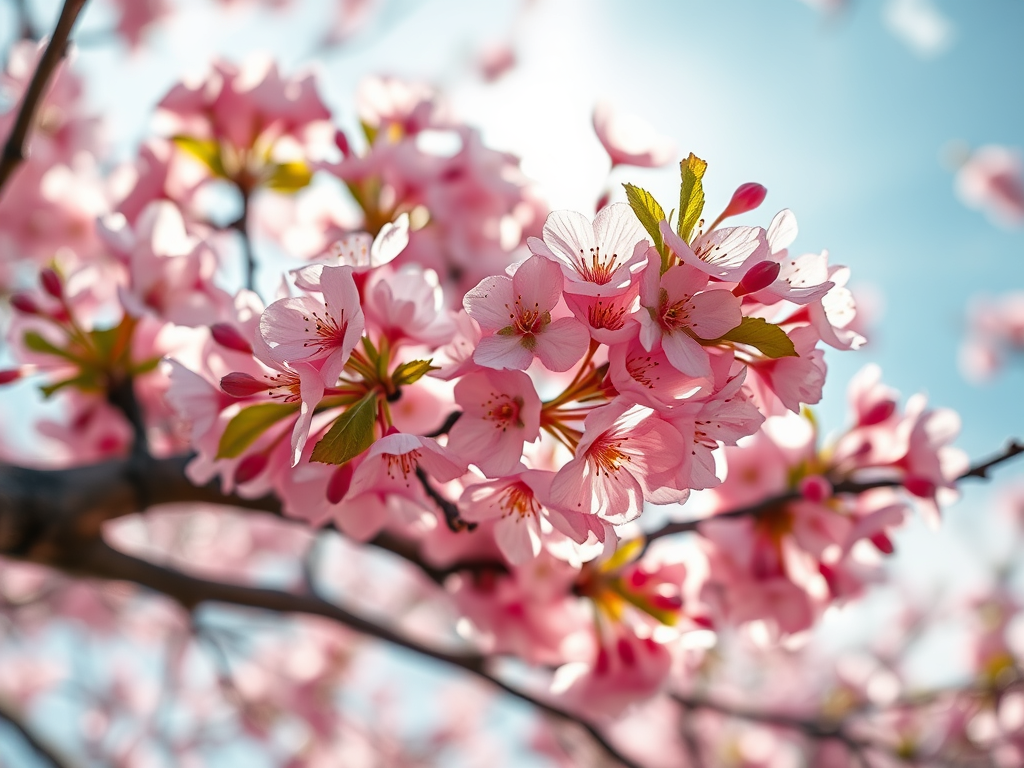
Oriental cherry (Prunus serrulata), while primarily celebrated for its stunning blossoms, does offer some nutritional and medicinal benefits—though it’s not typically consumed like sweet or tart cherries.
🌸 Historical Use of Oriental Cherry
Ancient Japan & China The earliest uses of Oriental cherry trace back to ancient Japan and China, where the tree was revered more for its symbolism than its edibility. In Japan, cherry blossoms (sakura) were celebrated as a metaphor for the fleeting nature of life. The practice of hanami—flower viewing—dates back over a thousand years to the Heian period (794–1185), when aristocrats would compose poetry under blooming trees.
Traditional Medicine In Chinese and Japanese herbal medicine, parts of the cherry tree—especially the bark and blossoms—were used for:
Treating coughs and respiratory issues
Soothing skin irritations
Acting as mild sedatives or anti-inflammatories
Cosmetic Applications Cherry blossom extracts were used in ancient beauty rituals to promote skin brightness and reduce signs of aging. This tradition continues today in modern skincare.
Cultural Symbolism Beyond its physical uses, the Oriental cherry has been a powerful cultural symbol:
In Japan, it represents renewal and the impermanence of beauty.
In China, it symbolizes feminine beauty and love.
Unlike edible cherry species, Oriental cherry wasn’t cultivated for fruit but rather for its aesthetic and spiritual value. Its “use” was more poetic than practical—though its medicinal and cosmetic applications added depth to its legacy.
🌸 Nutritional & Medicinal Highlights of Oriental Cherry
Antioxidant Properties The bark, leaves, and flowers contain polyphenols and flavonoids, which help combat oxidative stress and inflammation. These compounds may support cellular health and reduce the risk of chronic diseases.
Anti-inflammatory Effects Extracts from the blossoms and bark have been studied for their anti-inflammatory potential, which may aid in soothing skin conditions or internal inflammation.
Skin Health Support Oriental cherry flower extract is often used in cosmetics due to its ability to promote skin elasticity, reduce redness, and protect against UV damage.
Mild Sedative Qualities Traditional medicine sometimes uses cherry blossom extracts for their calming effects, potentially helping with anxiety or sleep disturbances.
Vitamin C & Other Micronutrients While not a major source, the blossoms contain trace amounts of vitamin C and other phytonutrients that contribute to immune support and skin vitality.
Note: Unlike edible cherry fruits (like Prunus avium or Prunus cerasus), Oriental cherry is not typically consumed as food. Its benefits are mostly derived from extracts used in teas, tinctures, or topical applications.
Oriental cherry (Prunus serrulata), while not typically consumed like edible cherries, has found its way into various health and wellness applications—especially in traditional East Asian medicine and modern skincare. Here’s how it’s commonly used:
🌿 Forms of Oriental Cherry for Health Benefits
| Form | Description | Common Uses |
|---|---|---|
| Extracts (Liquid or Powder) | Derived from blossoms, bark, or leaves. Rich in antioxidants like flavonoids and polyphenols. | Used in supplements, teas, and skincare products for anti-inflammatory and anti-aging effects. |
| Infusions & Decoctions | Traditional herbal preparations made by steeping or boiling cherry bark or flowers. | Historically used to soothe coughs, reduce fever, and support digestion. |
| Topical Creams & Serums | Cherry blossom extract is added to cosmetic formulations. | Promotes skin elasticity, reduces redness, and protects against UV damage. |
| Herbal Tonics | Combined with other adaptogenic herbs like goji berry or licorice root. | Enhances vitality, reduces fatigue, and balances energy. |
| Essential Oils (Rare) | Occasionally extracted from blossoms for aromatherapy. | Used for relaxation and mild mood enhancement. |
| Dry Petal Powders | Ground petals used in DIY masks or bath soaks. | Offers gentle exfoliation and skin nourishment. |
While Oriental cherry isn’t a fruit-bearing species for eating, its blossoms and bark are celebrated for their therapeutic and cosmetic properties. Always ensure products are sourced from reputable suppliers and used as directed.
Oriental cherry (Prunus serrulata) isn’t typically consumed like sweet or sour cherries, its blossoms do have some delicate culinary uses, especially in Japanese cuisine. These are more about subtle flavor and visual elegance than nutrition.
🍽️ Culinary Uses of Oriental Cherry Blossoms
Sakura Tea (Sakurayu) Made by steeping salted cherry blossoms in hot water. Traditionally served at weddings and special ceremonies in Japan to symbolize new beginnings.
Sakura Mochi A pink rice cake filled with sweet red bean paste and wrapped in a salted cherry leaf. The leaf is edible and adds a unique floral-salty contrast.
Sakura Salt & Sugar Blossoms are dried and mixed with salt or sugar to flavor cookies, candies, or rice dishes. Adds a floral aroma and a touch of elegance.
Sakura Liqueur & Syrup Used in cocktails or desserts. The floral notes pair beautifully with light spirits or creamy bases.
Sakura Jelly & Pudding Cherry blossoms suspended in gelatin or custard create visually stunning and subtly flavored desserts.
Sakura Rice Cooked rice infused with cherry blossom petals or extract for a seasonal twist—often served during spring festivals.
Note: The blossoms are usually pickled in salt and plum vinegar before use, which preserves their color and flavor. They’re not eaten raw due to their delicate nature and potential bitterness.
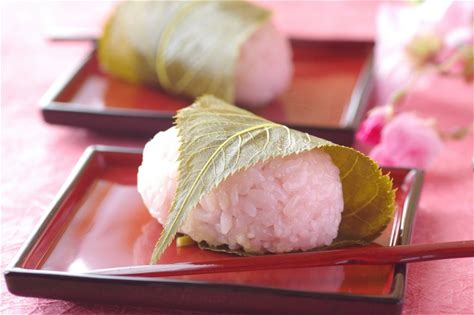
Sakura Mochi (Cherry Blossom Rice Cakes)
FULL RECIPE
If you’re enchanted by the delicate flavor and beauty of sakura (cherry blossoms), there’s a whole world of recipes beyond sakura mochi.
Here are some standout ideas that use pickled sakura blossoms or leaves to bring springtime elegance to your table
🍰 Sweet Sakura Recipes
| Recipe | Description |
|---|---|
| Sakura Panna Cotta Jelly | A creamy Italian-style dessert infused with cherry blossom essence, often layered with raspberry or coconut flavors. |
| Cherry Blossom Cookies | Pretty pink cookies topped with chocolate kisses—more visual than floral, but perfect for spring parties. |
| Sakura Matcha Mousse Cake | A stunning layered cake with matcha base and sakura-flavored mousse. Elegant and earthy. |
| Sakura Cheesecake | Light and floral, this cheesecake is often decorated with preserved blossoms for a show-stopping centerpiece. |
| Sakura Jelly (Yokan) | A traditional Japanese jelly dessert made with agar and pickled blossoms. Refreshing and visually stunning. |
| Sakura Anko Mushipan | Steamed muffins made with red bean paste and sakura. Soft, fluffy, and full of Japanese flavor. |
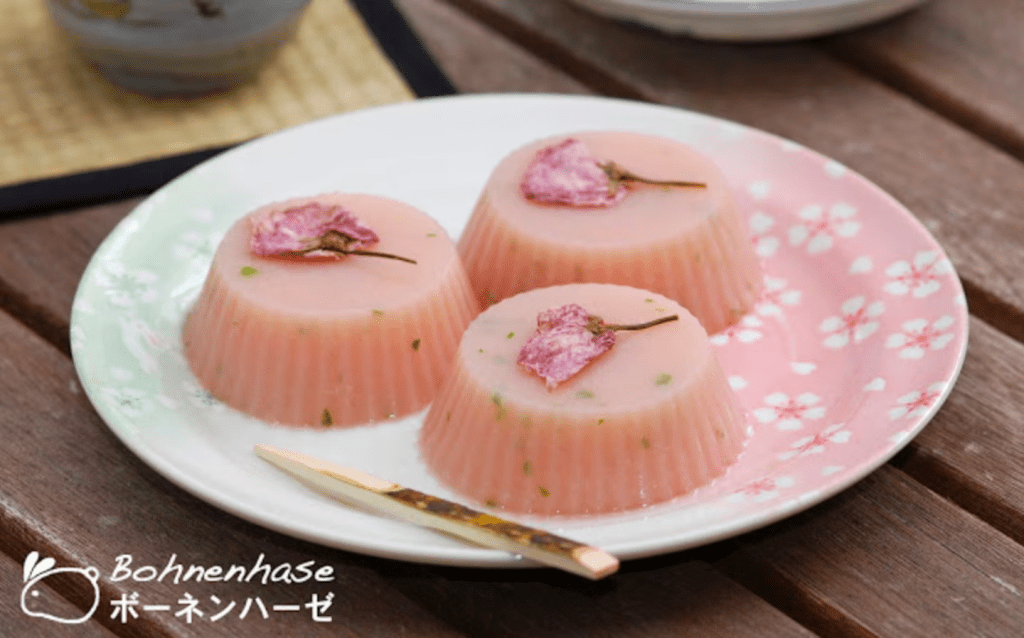
Cherry trees, or sakura, are much beloved in Japan, and cherry blossoms are a classic Japanese ingredient FULL RECIPE
🍚 Savory & Unique Sakura Dishes
| Recipe | Description |
|---|---|
| Sakura Rice | Cooked rice infused with pickled sakura petals. Simple, aromatic, and perfect with grilled fish. |
| Sakura Tea (Sakurayu) | A ceremonial drink made by steeping salted blossoms in hot water. Served at weddings and spring events. |
| Japanese Sakura Bread | A soft, slightly sweet bread with sakura petals kneaded into the dough. Lovely with tea or jam. |
| Cherry Blossom Roll Cake | A sponge cake rolled with cream and cherries, often tinted pink and decorated with blossoms. |
These recipes blend tradition with creativity, and many are surprisingly easy to make.
while Oriental cherry blossoms are generally safe when used in moderation and properly prepared (e.g. pickled or infused), there are certain groups who should exercise caution or avoid consuming them:
⚠️ Groups That Should Be Cautious
People with Salicylate Sensitivity Cherry blossoms, like many plants, contain salicylates—natural compounds also found in aspirin. Individuals sensitive to salicylates may experience:
Upset stomach
Diarrhea
Headaches or skin rashes
Individuals with Cherry Allergies Though rare, some people may have allergic reactions to cherry species, including:
Oral Allergy Syndrome (itching or tingling in the mouth/throat)
Skin reactions like hives or eczema
Respiratory symptoms or, in severe cases, anaphylaxis
Pregnant or Breastfeeding Women While sakura is used ceremonially in Japan (e.g. sakurayu at weddings), there’s limited research on its safety during pregnancy. It’s best to consult a healthcare provider before consuming cherry blossom products regularly.
Young Children Due to their developing digestive systems and higher sensitivity to plant compounds, cherry blossom infusions or pickled petals may not be suitable for toddlers or infants.
People on Blood Thinners or Aspirin Therapy Because of the salicylate content, cherry blossom products might interact with medications like aspirin or warfarin. Always check with a doctor before adding herbal products to your routine.
If you’re unsure whether cherry blossom products are right for you, a quick chat with a healthcare provider or allergist can help clarify.
🌸 Summary: Oriental Cherry & Its Wellness Potential
Not Edible Like Regular Cherries Oriental cherry is prized for its blossoms, not its fruit. It’s used more for ceremonial, cosmetic, and herbal purposes.
Health Benefits Includes antioxidant, anti-inflammatory, and skin-enhancing properties—especially in extract form.
Culinary Uses Limited but elegant: pickled blossoms and leaves are used in sakura mochi, teas, rice dishes, and desserts.
Forms of Use Found in teas, infusions, extracts, creams, and even baked goods. Often paired with other herbs or ingredients for added effect.
Caution for Certain Groups People with salicylate sensitivity, cherry allergies, or those on blood thinners should consult a healthcare provider before use. Pregnant women and young children should also be cautious
 EJADA
EJADA 
Leave a comment