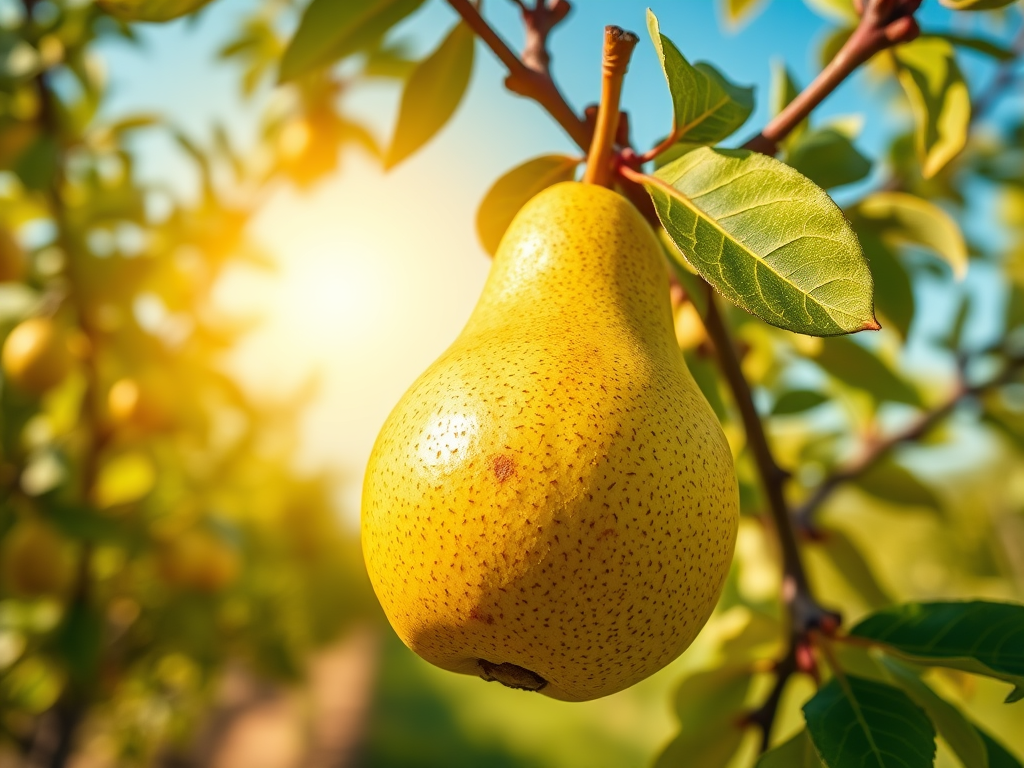
🍐 The Orient Pear: Nature’s Juicy Gem
If you’re looking for a fruit that combines beauty, flavor, and health benefits, the Orient Pear might just be your garden’s crown jewel. A hybrid of Asian and European varieties, this pear offers a unique blend of taste and charm that’s hard to resist.
The Orient Pear is a hybrid variety that was first cultivated in the United States, likely during the mid-20th century, as part of efforts to develop disease-resistant and climate-adapted pear trees. It’s a cross between the Asian pear (Pyrus pyrifolia) and the European pear (Pyrus communis), combining the crispness of Asian pears with the buttery texture of European ones.
While exact records of its first cultivation are scarce, it emerged from breeding programs aimed at improving fire blight resistance and fruit quality—especially in southern U.S. regions like Georgia and Texas, where traditional European pears struggled to thrive.
The Orient Pear isn’t just a delicious fruit—it’s a nutritional powerhouse that brings a lot to the table. Let’s break down its health benefits and why it deserves a spot in your diet
🥗 Nutritional Benefits of the Orient Pear
💖 1. Heart Health Support
- Rich in dietary fiber, especially soluble fiber like pectin, which helps lower LDL (bad) cholesterol.
- Contains potassium, which helps regulate blood pressure and supports cardiovascular function.
- Polyphenol antioxidants found in the skin help reduce oxidative stress and inflammation, both linked to heart disease.
🌿 2. Digestive Wellness
- High in soluble and insoluble fiber, which promotes regular bowel movements and gut health.
- Helps prevent constipation and supports a healthy microbiome.
- Eating the skin boosts fiber intake significantly—up to six times more polyphenols than the flesh alone.
⚖️ 3. Weight Management
- Low in calories but high in fiber, making it a filling snack that can curb overeating.
- Natural sugars provide energy without the crash associated with processed sweets.
🧠 4. Immune and Cellular Function
- Contains vitamin C, which supports immune health and collagen production.
- Offers folate and niacin, essential for energy metabolism and cellular repair.
- Copper plays a role in nerve function and immunity.
👁️ 5. Vision and Skin Health
- Green-skinned pears like the Orient contain lutein and zeaxanthin, which help maintain eye health and reduce age-related vision decline.
- Provitamin A supports skin regeneration and wound healing.
In short, the Orient Pear is more than just a pretty fruit—it’s a functional food that supports your body from head to toe.
🌿 What Makes the Orient Pear Special?
- Flavor Fusion: Sweet, juicy, and mildly creamy, the Orient Pear delivers a flavor profile that’s perfect for fresh snacking, baking, or tossing into salads.
- Nutritional Powerhouse: Rich in dietary fiber and vitamins, it supports heart health, aids digestion, and can even help with weight management.
- Culinary Versatility: Whether you’re making preserves, pies, or savory dishes, this pear adapts beautifully to any recipe.
🌸 A Tree That Transforms Your Garden
- Seasonal Beauty: In spring, the Orient Pear Tree bursts into white blossoms. Come fall, its foliage turns golden bronze, adding year-round visual appeal.
- Compact Elegance: With a rounded shape and manageable size (12–20 feet tall), it’s ideal for small gardens or urban landscapes.
🌍 Ecological Benefits of the Orient Pear Tree
🐝 1. Pollinator Paradise
- Fragrant white blossoms in spring attract bees, butterflies, and other pollinators, which are essential for fruit production and overall ecosystem health.
- By supporting pollinators, the tree helps maintain biodiversity and encourages the pollination of nearby plants and crops.
🐦 2. Wildlife Habitat
- The tree’s fruit is a favorite among birds, squirrels, and even deer, offering a seasonal food source that supports local wildlife.
- Its dense canopy provides shelter and nesting spots, especially in urban or suburban areas where natural cover is limited.
🍂 3. Seasonal Beauty with Purpose
- The tree’s spring blossoms and autumn foliage not only beautify your landscape but also contribute to carbon sequestration and air purification.
- Leaves absorb carbon dioxide and release oxygen, helping to improve air quality.
🌱 4. Soil Health and Erosion Control
- The Orient Pear’s root system stabilizes soil, reducing erosion and runoff—especially helpful in sloped gardens or areas prone to heavy rain.
- Fallen leaves and organic matter enrich the soil, supporting microbial life and nutrient cycling.
🌾 5. Low-Impact Gardening
- It’s blight-resistant and adaptable to various soil types, meaning fewer chemical treatments and fertilizers are needed
- This makes it a great choice for sustainable landscaping and eco-conscious gardeners.
In short, planting an Orient Pear Tree is like giving your garden a multi-functional upgrade: beauty, bounty, and biodiversity all in one.
🍐 Scientifically Cited Health Benefits of Pears
💪 1. Highly Nutritious
A medium-sized pear contains:
- 101 calories
- 6g of fiber
- 9% of daily Vitamin C
- 7% of Vitamin K
- 4% of Potassium
- 16% of Copper
These nutrients support immunity, heart health, and cellular function.
🌿 2. Promotes Gut Health
- Rich in soluble and insoluble fiber, especially pectin, which improves digestion and supports a healthy microbiome.
- Helps maintain bowel regularity and prevents constipation.
❤️ 3. Supports Heart Health
- Contains polyphenol antioxidants like quercetin and procyanidins, which reduce inflammation and improve cholesterol levels.
- May lower blood pressure and reduce heart disease risk factors.
🔥 4. Anti-Inflammatory Properties
- High in flavonoids and vitamin C, which help combat chronic inflammation linked to diseases like diabetes and heart disease.
🧬 5. Anticancer Potential
- Compounds like anthocyanins and chlorogenic acid may help protect against cancers of the lung, stomach, breast, and ovaries.
- Population studies suggest that flavonoid-rich fruits like pears are associated with reduced cancer risk.
🩺 6. May Lower Diabetes Risk
- Red-skinned pears in particular may help regulate blood sugar.
- Fiber slows digestion, helping stabilize glucose levels.
⚖️ 7. Weight Management
- Low in calories, high in water and fiber—making pears a filling, weight-loss-friendly food.
- One study showed that eating two pears daily led to a measurable reduction in waist circumference.
These benefits apply broadly to all pear varieties, and the Orient Pear—with its juicy flesh and nutrient-rich skin—is no exception
The health benefits of pears—including those attributed to the Orient Pear—are supported by research and expert-reviewed sources. Here’s a list of key sources that were used to compile the nutritional and health claims:
📚 Sources for Pear Health Benefits
🧠 Healthline – “9 Health and Nutrition Benefits of Pears” Medically reviewed and packed with citations on fiber, antioxidants, and disease prevention Read the full article on Healthline
📊 USDA FoodData Central – Pears Nutritional Profile Offers detailed nutrient breakdowns for various pear varieties Explore USDA FoodData Central
📘 Journal of Nutrition & Food Sciences Peer-reviewed studies on flavonoids, fiber, and their role in chronic disease prevention Browse the journal archive
🧬 American Journal of Clinical Nutrition Research on fruit consumption and its impact on heart disease, diabetes, and cancer Visit AJCN’s official site
🧪 National Institutes of Health (NIH) – PubMed Database Source for studies on antioxidants like quercetin and chlorogenic acid in pears Search PubMed for pear-related studie
🍐 Culinary Uses for the Orient Pear
🥗 1. Fresh Eating
- Slice and serve with cheese boards (pairs well with brie, blue cheese, or aged cheddar).
- Add to green salads with walnuts, goat cheese, and balsamic vinaigrette.
- Enjoy as a standalone snack—its creamy texture and mild sweetness make it perfect for kids and adults alike.
🥧 2. Baking & Desserts
- Use in pear crisps, tarts, and galettes—its flesh holds up well when baked.
- Make poached pears in spiced wine or syrup for an elegant dessert.
- Add to muffins, cakes, or quick breads for moisture and subtle sweetness.
🍯 3. Preserving
- Ideal for canning, thanks to its firm texture and mild flavor.
- Make spiced pear preserves with cinnamon and cloves for a cozy fall treat.
- Try pear butter or jam for spreading on toast or swirling into yogurt.
🍛 4. Savory Dishes
- Dice and toss into coleslaw or grain bowls for crunch and sweetness.
- Roast with root vegetables and herbs as a side dish.
- Use in chutneys or relishes to accompany pork, chicken, or turkey.
🍹 5. Beverages
- Blend into smoothies with ginger and citrus.
- Infuse into cocktails or mocktails—try pear and rosemary syrup with sparkling water.
The Orient Pear’s versatility makes it a kitchen favorite. Whether you’re preserving a harvest or crafting a gourmet dish, it brings subtle elegance and flavor to every bite. @insanely good
The Orient Pear is a safe and nutritious fruit—but there are a few groups who may want to exercise caution or consult a healthcare provider before indulging.
🚫 Groups That May Need to Avoid or Limit Orient Pears
1. People with Oral Allergy Syndrome (OAS)
- Pears, including Orient Pears, can trigger allergic reactions in individuals sensitive to birch pollen or related fruits.
- Symptoms may include itching or swelling of the mouth, lips, and throat.
- Cooking the pear often neutralizes the allergenic proteins.
2. Individuals with Fructose Intolerance
- Pears are high in fructose and sorbitol, which can cause bloating, gas, or diarrhea in people with hereditary fructose intolerance (HFI) or fructose malabsorption.
- These individuals should avoid or limit intake and opt for low-fructose fruits instead.
3. Diabetics (in large quantities)
- While pears have a low glycemic index, eating large amounts can still impact blood sugar.
- Portion control and pairing with protein or fiber-rich foods can help mitigate spikes.
4. Infants under 6 months
- Pears are not recommended for babies younger than 6 months due to immature digestive systems.
- For older infants, pears should be peeled, cooked, and pureed to reduce choking risk.
5. People on Low-FODMAP Diets
- Pears are considered high-FODMAP due to their sorbitol and fructose content, which can trigger symptoms in those with IBS or other digestive sensitivities.
For most healthy adults, Orient Pears are a fantastic addition to the diet. But if you fall into one of these categories, moderation or preparation methods (like cooking) can make a big difference
Low-FODMAP or allergy-friendly alternatives to the Orient Pear, here’s a curated list of options and tips to keep your meals delicious and gut-friendly
✅ 1. Canned Pears in Natural Juice (Drained)
- Surprisingly, canned pears (especially when drained) are considered low-FODMAP because the fructose leaches into the syrup.
- Great for baking, snacking, or adding to yogurt and oatmeal.
✅ 2. Unripe Bananas
- Mild in flavor and low in FODMAPs, they work well in smoothies or baked goods as a pear substitute.
✅ 3. Kiwi
- Tangy and fiber-rich, kiwi is low-FODMAP and allergy-friendly.
- Adds a bright contrast to salads and desserts.
✅ 4. Strawberries
- Safe for most people with fructose intolerance or oral allergy syndrome.
- Use in fresh dishes, jams, or as a topping for baked goods.
🍽️ Allergy-Friendly Cooking Tips
- Cook or bake pears to reduce allergenic proteins (especially helpful for Oral Allergy Syndrome).
- Peel the skin if you’re sensitive to polyphenols or fiber.
- Pair with protein or fat (like nuts or cheese) to slow sugar absorption for diabetics.
Whether you’re savoring its sweet flavor, planting it for ecological impact, or exploring its nutritional perks, the Orient Pear proves that good things really do grow on trees. From garden to kitchen, it’s a fruit that nourishes the body, delights the senses, and supports the planet.
So go ahead—slice it, bake it, preserve it, or plant it.
And most importantly… have a pear of a good time! 🍐😄
 EJADA
EJADA 
Leave a comment