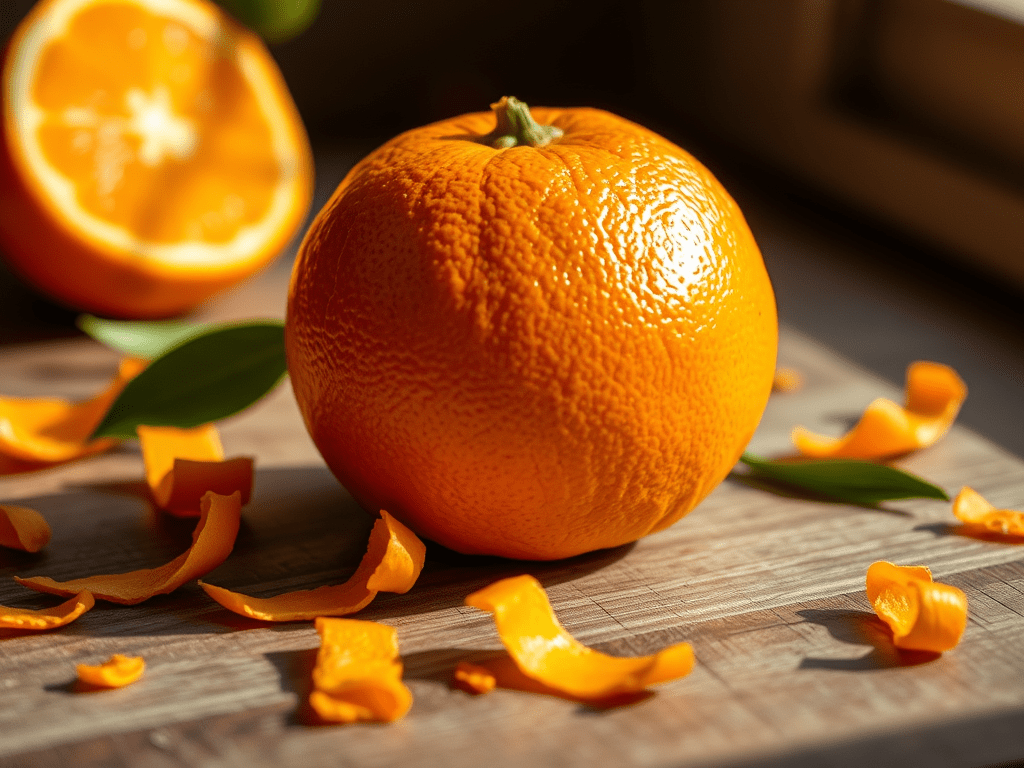
The beloved orange is more than a fruit. It’s a sunrise in your palm, a burst of brightness in a gray day. It’s the scent of summer, the taste of childhood, the color of joy.
The first cultivated oranges trace their roots back thousands of years to southern China, northeastern India, and Southeast Asia, where citrus fruits originated naturally. The sweet orange—the variety most commonly consumed today—is believed to be a hybrid of ancient pomelo and mandarin and was first referenced in Chinese literature around 314 BCE.
As for large-scale cultivation:
Bitter oranges were introduced to the Mediterranean region by Islamic traders and conquerors around the 9th–10th century AD, especially in Sicily and Spain, where advanced irrigation supported orange orchards.
The sweet orange didn’t reach Europe until the late 15th century, likely brought by Italian or Portuguese traders, and quickly became a luxury fruit grown in private conservatories called orangeries.
So while wild citrus existed millions of years ago, the orange as we know it today is the result of centuries of cultivation, trade, and selective breeding. Quite the globe-trotting fruit, wouldn’t you say? @ HistoryFacts
🌟 Nutritional Brilliance
Oranges are loaded with essential nutrients that support multiple body systems:
- Vitamin C: One medium orange delivers over 90% of your daily needs, boosting immunity, collagen production, and iron absorption.
- Fiber: With around 2.8g per fruit, oranges aid digestion, regulate blood sugar, and support gut health.
- Folate: Crucial for DNA synthesis and cell growth, especially important during pregnancy.
- Potassium & Calcium: Help regulate blood pressure and support bone health.
🧬 Antioxidant Arsenal
Oranges are rich in bioactive plant compounds that fight inflammation and oxidative stress:
- Flavonoids like hesperidin and naringenin have been shown to lower blood pressure and cholesterol.
- Carotenoids such as beta-cryptoxanthin and lutein support eye health and may reduce cancer risk.
💪 Whole-Body Benefits
Eating oranges regularly can:
- Strengthen your immune system and reduce frequency of illness.
- Improve skin appearance thanks to collagen-boosting vitamin C.
- Protect heart health by lowering LDL cholesterol and improving circulation.
- Enhance mood and energy through natural sugars and micronutrients.
- Support eye health with vitamin A and protective compounds.
🍽️ Functional Versatility
Beyond nutrition, oranges are:
- Portable and self-wrapped—perfect for snacking on the go.
- Culinary chameleons—used in sweet, savory, and even fermented dishes.
- Aromatherapeutic—orange essential oil is known to reduce stress and uplift mood.
It’s not just a fruit—it’s a full-body wellness ally, a kitchen MVP, and a cultural icon.
🍊 A Culinary Muse: The Orange’s Creative Power in the Kitchen
The orange doesn’t just flavor food—it inspires it.
It’s a spark of inspiration. Its vibrant color, aromatic zest, and sweet-tart juice make it a muse for chefs, bakers, and mixologists alike.
✨ Sweet Alchemy
In desserts, oranges offer more than flavor—they bring balance and brightness:
- Orange blossom panna cotta whispers floral elegance.
- Citrus olive oil cake marries richness with zing.
- Chocolate-orange truffles are indulgent with a twist of sophistication.
🍽️ Savory Sophistication
Oranges add unexpected depth to savory dishes:
- Duck à l’orange, a French classic, pairs rich meat with citrus glaze.
- Orange and chili roasted carrots deliver sweet heat.
- Grilled shrimp with orange-garlic marinade brings tropical flair to the table.
🍹 Liquid Inspiration
From brunch to cocktail hour, oranges are liquid gold:
- Fresh-squeezed juice is a morning ritual.
- Blood orange margaritas offer bold color and tang.
- Orange peel bitters elevate any craft cocktail.
🧂 Zest Beyond the Plate
Even the peel plays a starring role:
Orange oil enhances sauces, dressings, and even chocolate.
Candied orange peel adds texture to baked goods.
Zest-infused salts and sugars transform everyday ingredients.
The orange has earned its place as a cultural icon not just for its flavor and color, but for its deep symbolic roots across civilizations, religions, and artistic traditions. Here’s what gives it that iconic status:
In many cultures, oranges symbolize prosperity and happiness. They appear in art, literature, and rituals—from Chinese New Year offerings to Mediterranean feasts. Their round shape and vibrant hue evoke completeness and vitality.
🕉️ Sacred Symbolism
- In Hinduism and Buddhism, orange (often saffron) is the color of spiritual purity and renunciation. Monks wear orange robes to signify detachment from material life and pursuit of enlightenment.
- In Confucianism, orange represents transformation and change, aligning with the fruit’s seasonal nature.
🏛️ Ancient Prestige
- In Ancient Egypt, orange pigments made from minerals like realgar were used in tomb paintings, symbolizing eternity and divine power.
- The fruit itself was a luxury item in Europe during the Renaissance, often grown in private orangeries by the elite—making it a symbol of wealth and refinement.
🎨 Artistic Muse
- Artists like Van Gogh and Toulouse-Lautrec used orange to evoke energy, warmth, and vibrancy in their paintings.
- Impressionists embraced orange to depict sunsets, autumn leaves, and emotional intensity, linking it to nature’s transitions.
🌍 Global Language & Identity
- The word “orange” comes from the Persian nārang, which traveled through Arabic (naranj) and Old French (orenge) before becoming English.
- In many languages, the fruit and the color share the same name—showing how deeply the orange has shaped cultural perception.
🎉 Symbol of Joy & Celebration
- In festivals like Chinese New Year, oranges are gifted as symbols of good fortune and prosperity.
- In Western culture, orange is often associated with harvest, Halloween, and autumn, marking it as a seasonal icon.
From sacred robes to royal gardens, from ancient tombs to modern branding, the orange has transcended its humble origins to become a symbol of spirituality, vitality, and abundance
🌍 A Global Citizen
Grown in orchards from Florida to Morocco, oranges connect us across continents. They’re traded, gifted, and celebrated—proof that something so simple can be universally cherished.
Oranges are cultivated in over 140 countries, spanning tropical and subtropical regions from Brazil and China to the United States and Egypt.
- Brazil is the world’s largest producer of oranges and orange juice, accounting for three-quarters of global orange juice exports.
- China leads in fresh orange production, while the U.S. (especially Florida) remains a major player despite recent declines due to citrus greening.
🚢 A Trade Powerhouse
Oranges are among the most widely traded citrus fruits, representing over 40% of global citrus exports.
- They’re shipped fresh, juiced, concentrated, and even powdered.
- Major export markets include the European Union, United States, and Asia, with rising demand in emerging economies.
🧃 Consumed in Every Form
From street-side juice stalls in Morocco to breakfast tables in Michigan, oranges are consumed:
- As fresh fruit, juice, marmalade, zest, and essential oil.
- In traditional dishes, fusion cuisine, and modern wellness products.
🧭 A Journey Through History
The orange’s journey spans centuries:
- Originating in Southeast Asia, it traveled via trade routes to the Middle East, Europe, and eventually the Americas.
- It adapted to local climates and became embedded in regional identities—from Spanish orange groves to Florida citrus farms.
The orange isn’t just a fruit—it’s a passport stamp in the story of global agriculture and culture.
🍊Recipes & Nutritional Power: The Orange in Your Kitchen
The orange isn’t just a fruit—it’s a culinary muse and a nutritional powerhouse. Here are three standout recipes that showcase its versatility, along with the health benefits packed into every bite.
📚 Resources & Recipe Inspiration
Explore more orange-infused goodness and nutritional insights from these trusted sources:
- Orange-Garlic Chicken Recipe – The Spruce Eats
- 16 Irresistible Orange Recipes – Savor and Smile
- 30 Easy Orange Recipes – Insanely Good Recipes
- Orange Recipe Roundup – EatingWell
- Orange Juicing Guide – Tastylicious
These links offer everything from citrusy mains and desserts to nutritional breakdowns and creative twists. Feel free to explore, adapt, and share your own orange-inspired creations!
🥗 1. Citrus-Arugula Salad with Orange Vinaigrette
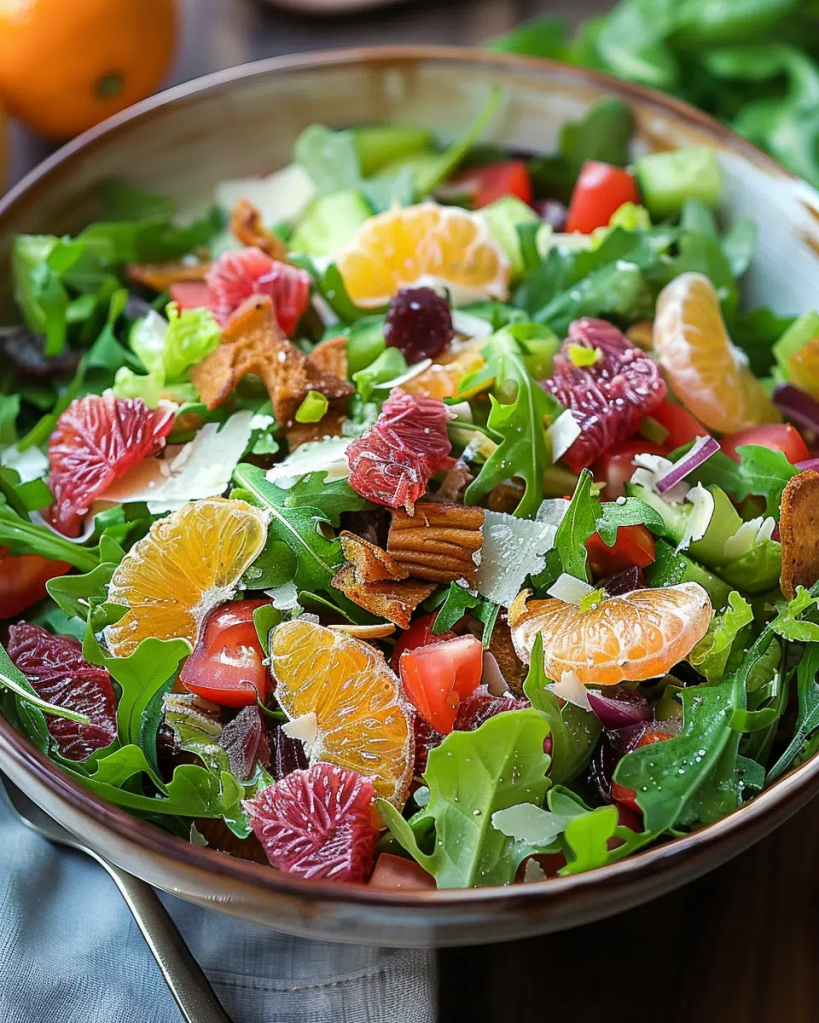
Benefits
Rich in vitamin C for immune support
Arugula adds folate and antioxidants
Olive oil provides heart-healthy fats
FULL RECIPE
2. Orange-Garlic Chicken Breast

Garlic and orange juice help to flavor this simple, light chicken
Benefits:
Lean protein for muscle repair
Orange juice boosts iron absorption
Garlic supports immune health
FULL RECIPE
🍹 3. Orange-Mango Immunity Smoothie

Benefits:
High in vitamin C and probiotics
Turmeric offers anti-inflammatory effects
Mango adds fiber and vitamin A
FULL RECIPE
🧬 Nutritional Snapshot (per medium orange)
| Nutrient | Amount | Benefit |
|---|---|---|
| Calories | ~62 kcal | Low-calorie energy |
| Vitamin C | ~70 mg | Immune boost, collagen support |
| Fiber | ~3.1 g | Digestive health, satiety |
| Potassium | ~237 mg | Heart and muscle function |
| Folate | ~40 mcg | Cell growth and repair |
Wait I found this added delight

16 Irresistible Orange Recipes That Prove This Fruit Isn’t Just for Juice
Orange Creamsicle Cake
🍊 Nutritional Benefits of Orange Creamsicle Cake
1. Vitamin C Boost
- The orange flavoring (especially if real juice or zest is used) contributes vitamin C, which supports:
- Immune function
- Collagen production
- Antioxidant protection against free radicals
2. Antioxidants
- Oranges contain flavonoids and beta-carotene, which may help reduce inflammation and support eye health.
3. Mood Enhancer
- The bright citrus flavor and creamy texture can genuinely lift your spirits—a little indulgence can be emotionally nourishing.
4. Bone Health Support
- Ingredients like milk, yogurt, or pudding mix often used in creamsicle cakes provide calcium, which is essential for strong bones and teeth.
5. Digestive Support
- If real oranges or zest are used, they contribute dietary fiber, which aids digestion and promotes gut health.
6. Skin & Eye Health
- Vitamin C helps with collagen synthesis, supporting skin elasticity.
- Beta-carotene and vitamin C also contribute to eye health, potentially reducing the risk of age-related macular degeneration.
⚖️ Nutritional Snapshot (Per Serving)
(Based on a common recipe)
| Nutrient | Amount (approx.) | Benefit |
|---|---|---|
| Calories | ~91 kcal | Low to moderate energy intake |
| Total Fat | ~5.8g | Source of energy and satiety |
| Protein | ~3.3g | Supports muscle and tissue repair |
| Calcium | ~69mg | Bone health |
| Vitamin C | ~3.9mg | Immune and skin support |
Of course, it’s still a dessert—so sugar and processed ingredients are part of the package. But with a few tweaks (like using Greek yogurt, fresh orange juice, or whole grain flour), you can make it a healthier treat without losing the magic.
⚠️ Groups to Be Cautious with Orange-Based Recipes
1. People with Citrus Allergies
- Who: Rare, but those allergic to citrus fruits like oranges, lemons, or limes.
- Why: Can cause itching, swelling, or even anaphylaxis.
- Avoid: All recipes containing fresh oranges, juice, or zest.
2. Individuals with GERD or Acid Reflux
- Who: Those prone to heartburn or acid reflux.
- Why: Citrus fruits are acidic and may trigger symptoms.
- Modify: Use low-acid fruits like bananas or melons instead.
3. Diabetics or Those Watching Blood Sugar
- Who: People managing blood glucose levels.
- Why: Oranges contain natural sugars (~12g per fruit).
- Modify: Pair with protein or fiber-rich foods to slow sugar absorption.
4. Nut Allergies (Energy Balls or Salad Add-ons)
- Who: Anyone allergic to almonds or tree nuts.
- Why: Recipes like cranberry-orange energy balls or salads may include nuts.
- Substitute: Use seeds (sunflower, pumpkin) or omit entirely.
5. Lactose Intolerant or Dairy Allergies
- Who: Those sensitive to milk or dairy proteins.
- Why: Smoothies with Greek yogurt may cause digestive issues.
- Substitute: Use coconut yogurt, almond yogurt, or skip dairy entirely.
6. Low FODMAP Diet Followers (IBS/Gut Sensitivities)
- Who: People managing IBS or digestive disorders.
- Why: Ingredients like onions, garlic, and certain fruits may trigger symptoms.
- Modify: Use green parts of scallions, low-FODMAP fruits, and avoid garlic unless tolerated.
🧬 Cited Medical & Nutritional Resources
FoodSafety.gov – Safe Cooking Temperatures Details the importance of cooking chicken to a minimum internal temperature of 165°F to prevent foodborne illness. Visit FoodSafety.gov
USDA FoodData Central – Orange Nutritional Profile Offers comprehensive data on calories, vitamins, minerals, and macronutrients in oranges. Explore USDA FoodData Central
Harvard T.H. Chan School of Public Health – Vitamin C Overview Explains the role of vitamin C in immune function, skin health, and antioxidant protection. Read Harvard’s Vitamin C Guide
National Institutes of Health (NIH) – Dietary Supplements Fact Sheet: Vitamin C Provides recommended daily intake, benefits, and safety considerations for vitamin C. NIH Vitamin C Fact Sheet
Cleveland Clinic – Citrus Fruits and Digestive Health Discusses how citrus fruits like oranges affect digestion, GERD, and gut health. Cleveland Clinic on Citrus & Digestion
 EJADA
EJADA 
Leave a comment