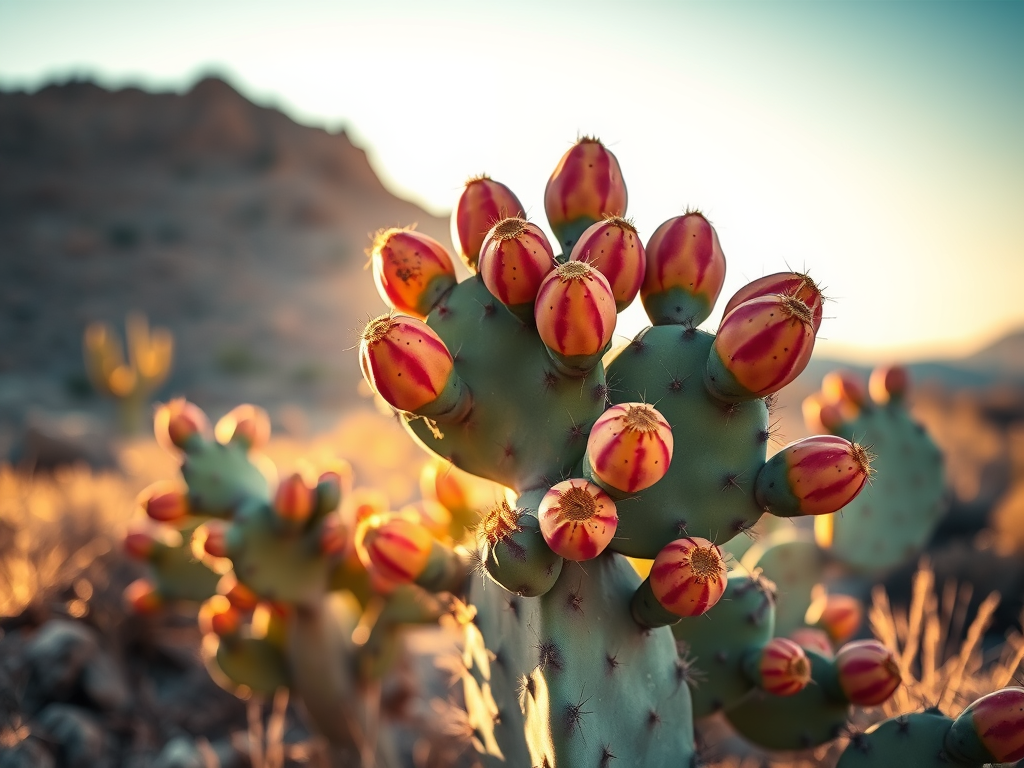
🌵 Opuntia, commonly known as prickly pear or nopal, has a deep-rooted history stretching back thousands of years. Here’s a look at its origins and diverse uses:
📜 Historical Origins
- Prehistoric cultivation: Indigenous peoples in what is now central Mexico began cultivating Opuntia between the end of the Pleistocene and the 5th millennium AD.
- Aztec legend: The cactus is central to the founding myth of Tenochtitlan, where an eagle perched on an Opuntia cactus signaled the site for the Aztec capital.
- Symbol of Mexico: It’s so iconic that the eagle-and-cactus image is featured on the Mexican flag.
🛠️ Traditional and Cultural Uses
- Food: The pads (nopales) and fruit (tunas) were staple foods. Nopales were eaten fresh, roasted, or dried, while the fruit was consumed raw or turned into syrup.
- Medicine: Used to treat burns, inflammation, and aid lactation. Its juice was applied to wounds and its seeds ground into meal3.
- Dye and textiles: The juice served as a natural dye, and cochineal insects that live on Opuntia were harvested for vibrant red pigments.
- Spiritual and ceremonial: It played roles in magical-religious practices among indigenous groups.
- Forage for livestock: Especially during droughts, ranchers burned off the thorns and fed the pads to cattle3.
- Biofuel: Modern innovations in Mexico have turned Opuntia into a sustainable biofuel source due to its sugar content.
It’s truly a “plant of life”—resilient, nourishing, and culturally profound
Calling Opuntia a “plant of life” isn’t just poetic, it’s deeply accurate. Let’s unpack that phrase and explore why this cactus has earned such reverence:
🌵 Resilient: Nature’s Survivor
- Thrives in harsh climates: Opuntia flourishes in arid, nutrient-poor soils where few other crops survive. Its ability to store water and photosynthesize efficiently makes it a champion of drought resistance.
- Minimal maintenance: It requires little irrigation, no fertilizers, and can grow in degraded lands—making it ideal for sustainable agriculture.
- Erosion control: Its root system stabilizes soil, helping prevent desertification in vulnerable regions.
🥗 Nourishing: A Superfood in Disguise
- Nutrient-rich pads (nopales): Packed with fiber, antioxidants, vitamins A, C, and E, calcium, and magnesium. They help regulate blood sugar and cholesterol levels.
- Sweet, hydrating fruit (tunas): High in vitamin C and betalains, the fruit supports immune health and reduces inflammation.
- Medicinal properties: Traditionally used to treat diabetes, ulcers, and skin conditions. Modern studies support its role in metabolic health and gut microbiome balance.
🧭 Culturally Profound: A Symbol and a Story
- Mythological significance: In Aztec legend, the founding of Tenochtitlan was marked by an eagle perched on an Opuntia cactus—now immortalized on the Mexican flag.
- Spiritual and ceremonial use: Indigenous communities used it in rituals, offerings, and healing practices.
- Economic and artistic value: Cochineal insects that live on Opuntia produce a brilliant red dye, once more valuable than gold in Europe. It fueled trade, art, and textile industries for centuries.
Opuntia isn’t just a plant—it’s a living testament to adaptation, nourishment, and cultural identity. It bridges ancient traditions and modern sustainability, offering lessons in resilience and regeneration.
Opuntia (prickly pear cactus) is more than just a desert beauty—it’s a nutritional powerhouse with a wide range of health benefits. Here’s how it supports your body:
🧠 1. Rich in Antioxidants
- Contains flavonoids, polyphenols, and betalains that help neutralize free radicals.
- May reduce oxidative stress and inflammation, supporting brain and heart health.
💪 2. Supports Metabolic Health
- Blood sugar regulation: Studies suggest Opuntia can help lower blood glucose levels, especially in people with type 2 diabetes.
- Cholesterol control: It may reduce LDL (bad cholesterol) and improve lipid profiles.
🩺 3. Anti-Inflammatory Properties
- Helps reduce inflammation throughout the body, which may ease symptoms of arthritis and other chronic conditions.
- Also shown to lessen hangover symptoms due to its anti-inflammatory effects.
🧃 4. Digestive Health
- High in dietary fiber (both soluble and insoluble), which promotes regularity and gut health.
- Traditionally used to treat ulcers and diarrhea.
🛡️ 5. Immune System Boost
- Rich in vitamin C and magnesium, which support immune function and cellular repair.
🫀 6. Heart Health
- Potassium and magnesium help regulate blood pressure.
- Fiber and antioxidants contribute to cardiovascular protection.
🧘 7. Weight Management
- Low in calories and high in fiber, making it a satisfying addition to weight-conscious diets.
- May help reduce appetite and improve satiety.
Whether eaten fresh, grilled, juiced, or taken as a supplement, Opuntia offers a holistic blend of nutrition and healing.
@HEALTHLINE, @MayoClinic, and @Dr, Axe
🌟 Vitamin Highlights in Opuntia
| Vitamin | Function | Amount per 100g |
|---|---|---|
| Vitamin C | Boosts immunity, collagen production | ~14 mg (17% DV) |
| Vitamin B2 (Riboflavin) | Supports energy metabolism and cell function | ~0.1 mg (8% DV) |
| Vitamin B6 | Aids brain development and immune function | ~0.1 mg (8% DV) |
| Vitamin A (from carotenoids) | Supports vision and skin health | Present in trace amounts |
🧪 Bonus Nutrients
- Magnesium: ~85 mg (24% DV) – helps with muscle and nerve function
- Calcium: ~56 mg (6% DV) – supports bone health
- Potassium: ~220 mg (5% DV) – regulates blood pressure and hydration
These values are based on the edible fruit (tuna) and pads (nopales) of the Opuntia ficus-indica species.
⚠️ Common Side Effects
These are typically mild and occur when consumed in large amounts or by sensitive individuals:
- Digestive issues: Diarrhea, bloating, nausea, and increased stool frequency or volume
- Abdominal fullness: Some people report a feeling of heaviness or discomfort after eating cactus pads or fruit
- Heartburn: Especially when consumed raw or in concentrated forms like juice or supplements
🚫 Precautions
- Pregnancy & breastfeeding: There’s not enough reliable data to confirm safety, so it’s best to stick to food-level amounts
- Surgery: Opuntia may affect blood sugar levels, which can complicate surgery prep and recovery. It’s advised to stop consumption at least 2 weeks before any scheduled procedure
- Medication interactions: If you’re taking diabetes medications, combining them with Opuntia could cause blood sugar to drop too low. Monitoring is essential
🧪 Supplement Caution
- Supplements made from Opuntia extracts may have more concentrated effects and should be used with care.
- Always consult a healthcare provider before starting any new herbal supplement, especially if you have underlying conditions or take prescription meds.
If you’re enjoying Opuntia as part of a balanced diet—like in salads, tacos, or smoothies—you’re likely in the safe zone. @ WebMD
Here are a few safe and delicious Opuntia (prickly pear cactus) recipes that keep you in the nutritional sweet spot—low in calories, high in fiber, and gentle on digestion. These recipes use cleaned and properly prepared cactus pads (nopales) and fruit (tunas), minimizing any risk of digestive discomfort or prickly surprises:
🥗 1. Nopales Salad (Ensalada de Nopales)
Safe zone benefits: Boiled to reduce mucilage (slime), light and fiber-rich.
Ingredients:
- 1 cup cleaned and chopped nopales
- 1 tomato, diced
- ¼ onion, thinly sliced
- Fresh cilantro
- Lime juice, salt, and olive oil
Instructions:
- Boil nopales in salted water for 15–20 minutes. Rinse and drain.
- Mix with tomato, onion, and cilantro.
- Dress with lime juice and olive oil.
🍳 2. Scrambled Eggs with Nopales
Safe zone benefits: Cooked thoroughly, protein-rich, and easy on the stomach.
Ingredients:
- ½ cup boiled nopales
- 2 eggs
- 1 tbsp chopped onion
- Salt and pepper
Instructions:
- Sauté onion until soft.
- Add nopales and cook for 2 minutes.
- Add beaten eggs and scramble until set.
🍹 3. Prickly Pear Lemonade
Safe zone benefits: Hydrating, antioxidant-rich, and low in sugar if made fresh.
Ingredients:
- 2 ripe prickly pears (peeled and seeded)
- Juice of 2 lemons
- 2 cups water
- Honey or stevia to taste
Instructions:
- Blend prickly pear pulp with lemon juice and water.
- Strain and sweeten lightly.
- Serve chilled.
🍽️ 4. Grilled Nopales
Safe zone benefits: No slime, smoky flavor, and great for digestion.
Ingredients:
- Whole cleaned cactus pads
- Olive oil, salt, and pepper
Instructions:
- Brush pads with olive oil.
- Grill 3–4 minutes per side until lightly charred.
- Slice and serve with salsa or avocado.
These recipes are gentle on digestion, avoid raw cactus (which can be slimy or irritating), and highlight the plant’s nutritional strengths.
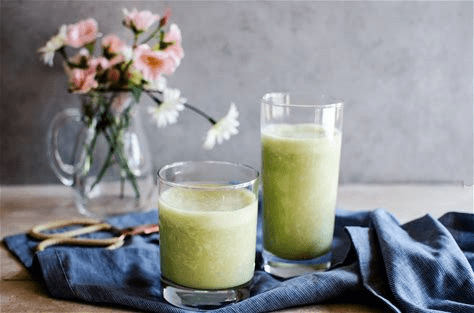
Detox Cactus Smoothie – A Cookie Named Desire
8 min · 128 cals · 6 servings
 EJADA
EJADA 
Leave a comment