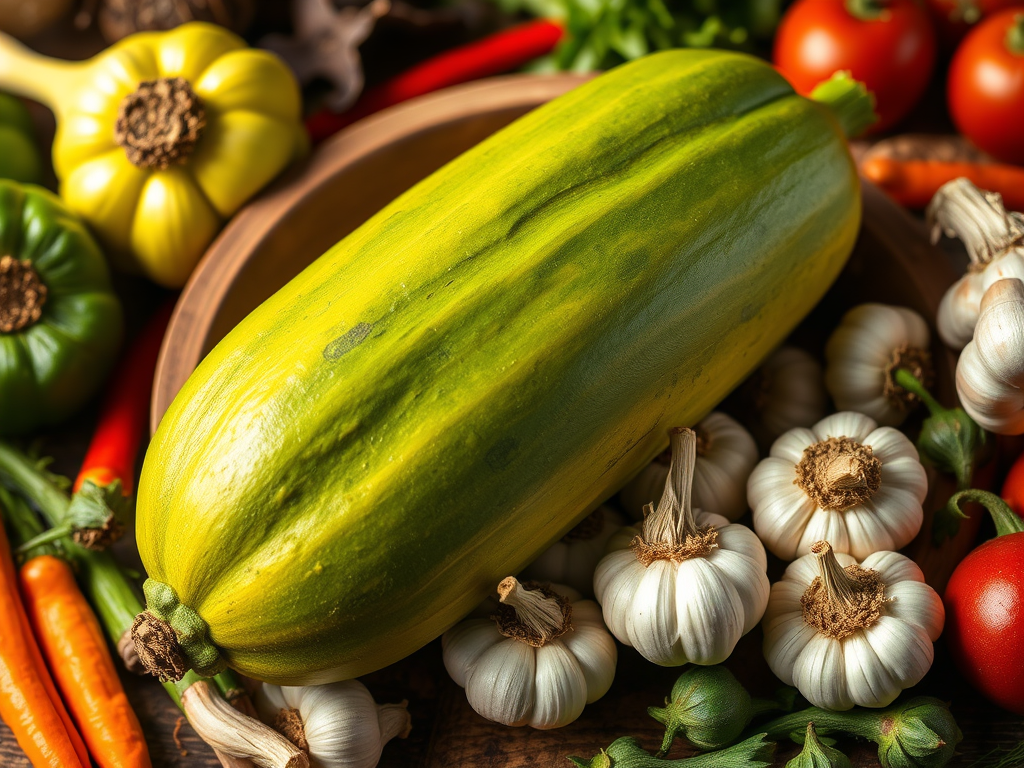
What do you know about the Opo Squash—first cultivated over 10,000 years ago and long mistaken for a vegetable, though it’s actually a fruit? 🍈
Botanically known as Lagenaria siceraria, the Opo Squash is part of the gourd family Cucurbitaceae and is more accurately classified as a fruit due to its seed-bearing structure. Its origins trace back to tropical Africa, though archaeological evidence shows it was independently domesticated in both Asia and the Americas during the Pre-Columbian era.
This makes it one of the earliest cultivated plants—not for food initially, but for practical uses like containers and musical instruments.
Despite its fruit status, the Opo Squash is treated culinarily like a summer vegetable. Its mild, grassy flavor and firm texture make it a versatile ingredient in stir-fries, soups, and even baked goods, much like zucchini
It’s known by many names across cultures—Bottle Gourd, Calabash, Tasmania Bean, and Chinese Long Squash—each reflecting its global journey and cultural significance. Opo Squash is a globe-trotting fruit with a passport full of aliases.
🏷️ Alternate Names for Opo Squash
Bottle Gourd – Reflects its traditional use as a container when dried
Calabash – Common in Caribbean and African contexts
Chinese Long Squash – Popular in East Asian cuisines
Lauki – Widely used in Indian cooking
Doodhi – Another Indian name, especially in Hindi-speaking regions
Tasmania Bean – Found in some Australian references
Cucuzza – Italian variant, typically more slender
Snake Gourd – Sometimes confused with a related but distinct species
Long Melon / Long Squash – Descriptive names used in various markets
Hulu – Mandarin term, often used symbolically in Chinese culture
Opo Squash may look humble, but nutritionally it’s quietly powerful.
Here’s what it brings to the table:
💪 Health Benefits
- Supports heart health: Potassium helps manage blood pressure, while fiber may reduce cholesterol.
- Aids digestion: Its high water and fiber content promote regularity and soothe the digestive tract.
- Boosts immunity: Vitamin C acts as an antioxidant and supports immune function.
- Promotes weight loss: Low in calories and high in satiety—great for curbing cravings.
- Cooling effect: Traditionally used in Ayurvedic and Chinese medicine to reduce body heat and inflammation.
🍽️ Culinary Versatility
- Stir-fried with garlic and veggies
- Simmered in soups and stews
- Blended into detox juices
- Stuffed and baked with grains or meat
- Added to curries for a mild, creamy texture
🌿 Vitamin & Mineral Profile of Opo Squash
Vitamin C – Supports immune function and skin health by aiding collagen production
Calcium – Essential for strong bones and teeth
Iron – Helps form hemoglobin, which carries oxygen in the blood
Potassium – Regulates fluid balance and supports heart and muscle function
Magnesium – Important for nerve function and energy production
Zinc – Supports immune response and wound healing
Folate (Vitamin B9) – Crucial for cell division and DNA synthesis
Thiamine (Vitamin B1) – Aids in converting food into energy
Manganese – Supports metabolism and bone development
It’s also low in calories and rich in fiber, making it a gentle digestive ally and a detox-friendly addition to ritual or medicinal preparations.
🍐 Nutritional Highlights
- Water-rich: Composed of 92–96% water, making it excellent for hydration
- Low in calories: Only 10–20 calories per 85–100g serving—great for weight management
- Packed with fiber: Supports digestion and helps prevent constipation
- Rich in vitamins: Contains Vitamin C (immune support), and B-complex vitamins like folate, B1, B2, B3, and B5
- Mineral content: Offers potassium (blood pressure regulation), calcium, magnesium, zinc, and iron
💪 Health Benefits
- Digestive health: Fiber and water combo keeps your gut happy and regular
- Heart health: Potassium helps balance sodium levels, while antioxidants and fiber may reduce cholesterol
- Immune support: Vitamin C boosts immune cell function and acts as an antioxidant
- Weight control: Its low-calorie, high-fiber profile promotes satiety without packing on pounds
- Hydration hero: Especially beneficial in hot climates or after workouts
🍽️ How to Enjoy It
Opo squash is a culinary chameleon. Its mild flavor makes it perfect for:
- Stir-fries and curries
- Soups and stews
- Roasted veggie medleys
- Steamed or sautéed sides
It’s also a great substitute for zucchini or other summer squashes in recipes.
🥣 Opo Squash & Lentil Stew (Comforting + Nutrient-Packed)
Ingredients:
- 1 medium Opo squash, peeled and diced
- 1 cup red lentils (rinsed)
- 1 small onion, chopped
- 2 cloves garlic, minced
- 1 tsp turmeric
- 1 tsp cumin seeds
- ½ tsp chili flakes (optional)
- Salt to taste
- 1 tbsp olive oil
- 4 cups vegetable broth or water
- Fresh cilantro or parsley for garnish
Instructions:
- Sauté aromatics: In a pot, heat olive oil. Add cumin seeds, then onion and garlic. Cook until fragrant.
- Add spices & squash: Stir in turmeric, chili flakes, and diced Opo squash. Sauté for 2–3 minutes.
- Simmer: Add lentils and broth. Bring to a boil, then reduce heat and simmer for 20–25 minutes until lentils and squash are tender.
- Season & serve: Add salt to taste. Garnish with fresh herbs. Serve warm with rice or flatbread.
This dish is hydrating, protein-rich, and packed with fiber and antioxidants.
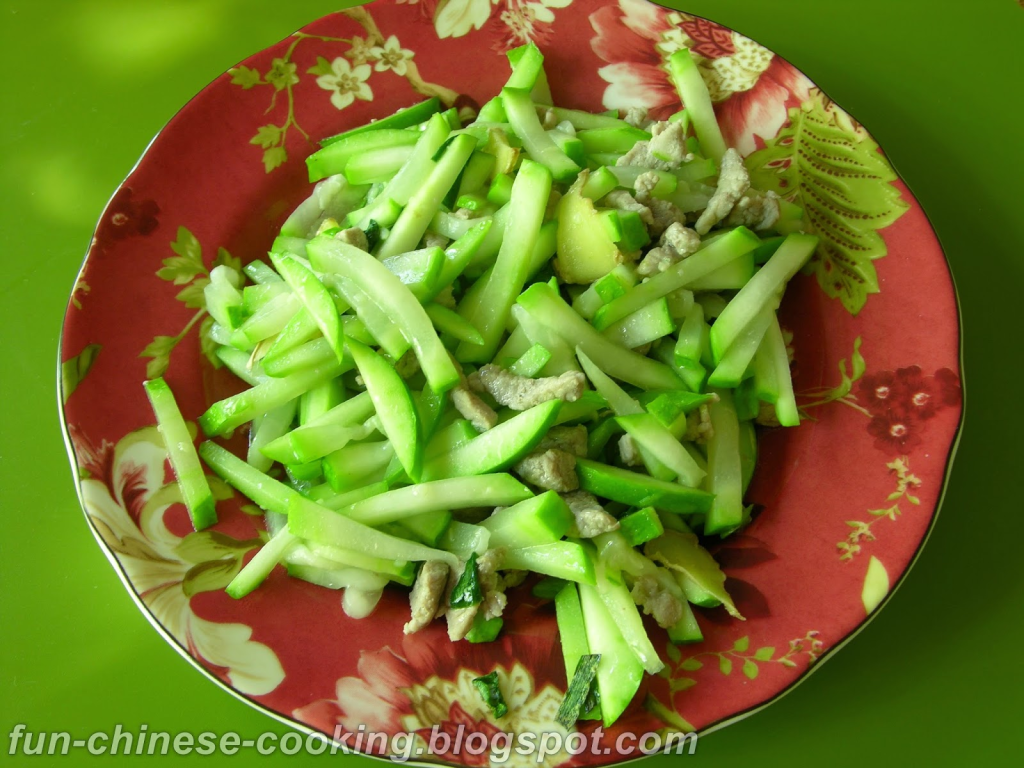
Opo squash (also called calabash gourd, bottle gourd) is abundant in Chinese super market almost year around, they are pretty cheap too. The best part of this vegetable is that it is so easy to clean. This quick stir fry with pork slices is ready within 10 minutes.
⚠️ Groups That Should Be Cautious
1. People sensitive to cucurbitacins
- Opo squash belongs to the Cucurbitaceae family, which can produce cucurbitacins, bitter-tasting compounds that may cause nausea, vomiting, or diarrhea in rare cases2.
- If the squash tastes unusually bitter, it may contain elevated levels of these compounds—do not consume it.
2. Individuals with gastrointestinal disorders
- Although it’s usually gentle on digestion, those with IBS or sensitive stomachs might react poorly to cucurbitacins or high-fiber content.
- Cooking thoroughly and avoiding bitter specimens can help reduce risk.
3. Pregnant or breastfeeding women
- No major risks are documented, but due to the potential for cucurbitacin-related toxicity, it’s best to avoid bitter-tasting squash and consult a healthcare provider if unsure.
4. Children and elderly
- Their digestive systems may be more sensitive to toxins or bitterness. Always ensure the squash is fresh, properly cooked, and not bitter before serving.
5. People with allergies to squash family plants
- Rare, but possible. If someone has a known allergy to zucchini, pumpkin, or cucumber, they should approach Opo squash with caution.
✅ Safety Tips
- Taste test before cooking: If it’s bitter, discard it immediately.
- Buy from trusted sources: Avoid wild or homegrown squash unless you’re sure of its variety.
- Cook thoroughly: Heat can help neutralize trace toxins and improve digestibility.
🌿 Final Word for the O Team
Opo squash may not shout for attention, but its quiet strength speaks volumes. From hydration to heart health, digestion to detox, it’s a fruit that nourishes from the inside out. Whether you’re stir-frying it with bold flavors or simmering it into a soothing stew, this humble gourd deserves a place in your kitchen and your wellness routine.
So here’s to the O team—those who choose nourishment over noise, simplicity over flash, and healing over hype. Keep exploring, keep cooking, and keep choosing foods that fuel your best self.
Stay rooted. Stay radiant. Stay O.
 EJADA
EJADA 
Leave a comment