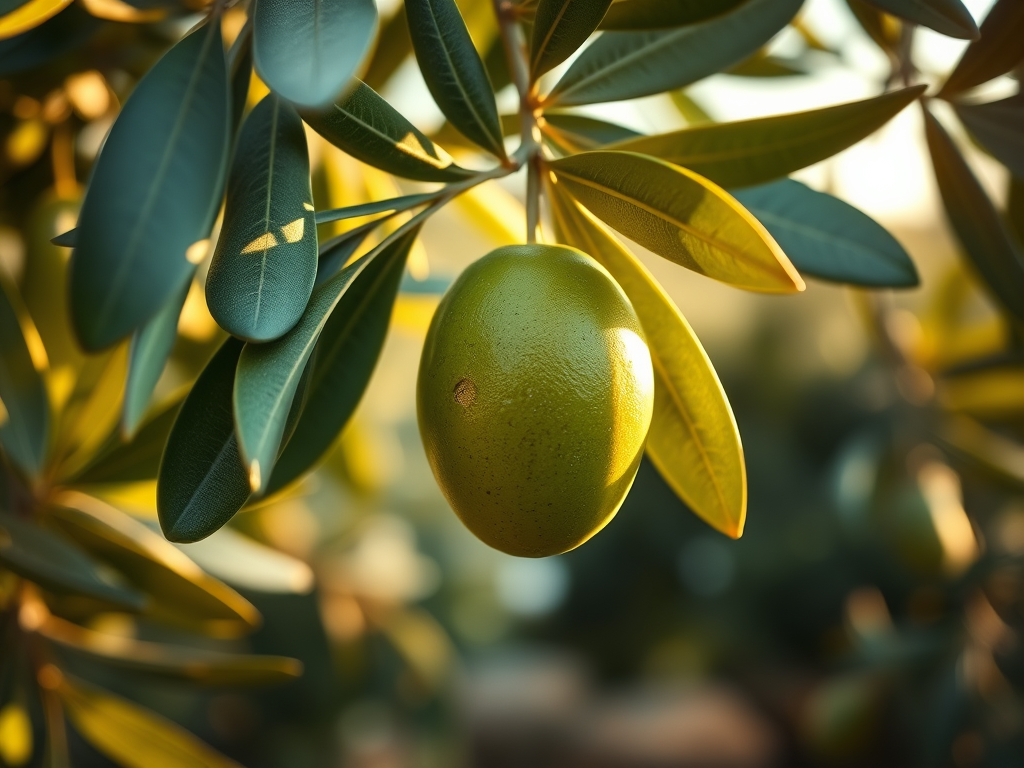
Are you ready for this?
The humble olive—often mistaken for a vegetable—is actually a fruit. More precisely, it’s a drupe, or stone fruit, like cherries, peaches, and mangoes.
Here’s why:
- Botanical truth: Olives grow from the flower of the olive tree and contain a seed (the pit), which makes them a fruit by definition.
- Savory confusion: Because olives aren’t sweet and are usually eaten cured or pressed into oil, they’re often misclassified as vegetables in culinary contexts.
- Stone fruit family: Their firm flesh and central pit place them squarely in the drupe category, alongside other Mediterranean staples.
The olive’s journey began over 6,000 years ago in the eastern Mediterranean, where it was first cultivated in regions that now include modern-day Syria, Lebanon, Israel, and Palestine. Archaeological finds—like olive pits and ancient oil presses in cities such as Ebla, Ugarit, and Jericho—reveal that olives were already central to daily life and trade during the Neolithic period.
So next time you drizzle olive oil or pop one into a dish, remember—you’re indulging in a fruit with ancient roots and bold character
🌍 Where It All Started
- Levant Region: The cradle of olive domestication, with evidence dating back to around 3000–4000 BCE.
- Carmel Coast, Israel: Early olive presses found at Kfar Samir suggest cultivation as early as 5000 BCE.
- Spread via Phoenicians & Greeks: These seafaring cultures expanded olive cultivation across the Mediterranean—from Crete and Cyprus to North Africa and Iberia.
🛠️ Early Uses of the Olive
- Olive Oil Production: The primary purpose—used in:
- Cooking: A staple in ancient diets.
- Lighting: Fuel for lamps.
- Cosmetics: Skin and hair treatments.
- Medicine: Healing salves and tonics.
- Religious Rituals: Anointing, purification, and offerings.
- Trade & Economy: Olive oil became a major commodity, shipped in amphorae across empires. Minoan Crete and later Rome built entire economies around it.
- Symbolic & Cultural Use: Olive branches crowned Olympic victors and symbolized peace, while oil was used to honor gods and sanctify rites.
The olive wasn’t just cultivated—it was consecrated. The Olive—not as a crop, but as a vessel of ancestral memory, sacred utility, and symbolic endurance.
🕯️ The Olive as a Ritual Vessel
1. Origin as Offering
In the Levant, early olive cultivation wasn’t just agricultural—it was devotional. Olive pits found in sacred sites like Ebla and Jericho suggest that olives were offered to deities as symbols of prosperity and divine favor. The act of planting an olive tree was a prayer for continuity.
2. Oil as Consecration
Olive oil became the medium of transformation:
- Anointing kings and priests in Hebrew tradition, marking divine selection.
- Purifying warriors and athletes in Greece, preparing the body for sacred competition.
- Lighting the menorah, where oil became flame—a ritual of remembrance and resilience.
3. Branch as Covenant
The olive branch wasn’t merely symbolic—it was a physical token of peace, carried in processions, laid at altars, and woven into crowns. In Delphi, pilgrims brought olive branches to Apollo’s oracle, binding their questions to sacred ground.
4. Wreath as Legacy
Olympic victors were crowned with olive wreaths from Athena’s sacred grove. This wasn’t decoration—it was a ritual of honor, linking human achievement to divine wisdom. The wreath was worn not for glory, but for remembrance.
5. Oil as Healing
In early Christian rites, olive oil was used in extreme unction—a final anointing to ease the soul’s passage. It was also applied to wounds, invoking both physical and spiritual healing. The oil was not just medicinal—it was a balm of transition.
You can explore more:
The Olive Bar’s historical guide
SoapYard’s ritual uses
Tastefully Olive’s timeline.
🕊️ From Vessel to Health: The Olive’s Sacred Continuum
1. The Vessel of Divine Favor
In ancient Mediterranean rites, the olive tree was planted not merely for sustenance, but as a living altar. Its fruit was gathered with reverence, pressed in communal rituals, and stored in amphorae marked with sacred seals. These vessels weren’t containers—they were conduits of divine blessing, offered to gods, ancestors, and the earth itself.
2. Oil as Ritual Medium
Olive oil became the bridge between body and spirit:
- Anointing kings and prophets in Hebrew tradition, marking chosen vessels of divine will.
- Purifying warriors and athletes in Greece, preparing them for sacred trials.
- Lighting the menorah, where oil became flame—a ritual of remembrance and resilience.
3. Healing as Continuation of Ritual
The olive’s medicinal uses were never separate from its sacred role:
- Applied to wounds and skin as a balm of protection and renewal.
- Ingested for digestion and vitality, linking internal health to external ritual.
- Used in burial rites, easing the soul’s passage and preserving the body with reverent care.
4. Culinary Communion as Daily Rite
In ancient kitchens, olive oil wasn’t just food—it was a ritual of nourishment:
- Mixed with herbs and grains, it became a healing tonic.
- Drizzled over bread, it sanctified the meal.
- Stored in sacred jars, it marked the threshold between survival and ceremony.
5. The Tree as Healer and Witness
Olive trees live for centuries, some over a thousand years. Their longevity made them symbols of continuity, guardians of lineage, and silent witnesses to generations of healing. To sit beneath an olive tree was to commune with time itself.
🌿 Health Benefits of Olives
1. Heart Health
- Rich in monounsaturated fats, especially oleic acid, which helps lower LDL (bad cholesterol) and raise HDL (good cholesterol).
- May reduce blood pressure and inflammation, supporting cardiovascular resilience.
2. Antioxidant Protection
- Packed with polyphenols and vitamin E, which protect cells from oxidative damage and may reduce the risk of cancer, Parkinson’s, and Alzheimer’s2.
- Contains oleocanthal, a compound with anti-inflammatory and potential anti-cancer properties.
3. Gut Health
- A surprising source of dietary fiber, which feeds beneficial gut bacteria and supports digestion.
- Helps maintain regularity and reduce bloating.
4. Skin & Immune Support
- Vitamin E and antioxidants improve skin elasticity, reduce inflammation, and strengthen the immune system.
- Olive oil is often used topically for hydration and healing.
5. Bone Strength & Anti-Aging
- Some studies suggest olives may help prevent osteoporosis and support bone density.
- Antioxidants may slow cellular aging and promote longevity.
🫒 Nutritional Profile (per 100g of ripe olives)
| Nutrient | Amount | Benefit |
|---|---|---|
| Calories | ~115 kcal | Energy source |
| Fat (mostly mono) | ~11g | Heart-healthy, anti-inflammatory |
| Fiber | ~3g | Digestive support |
| Vitamin E | ~3.8mg | Antioxidant, skin health |
| Iron | ~3.3mg | Blood oxygenation |
| Calcium | ~88mg | Bone strength |
| Polyphenols | Varies | Cell protection, anti-aging |
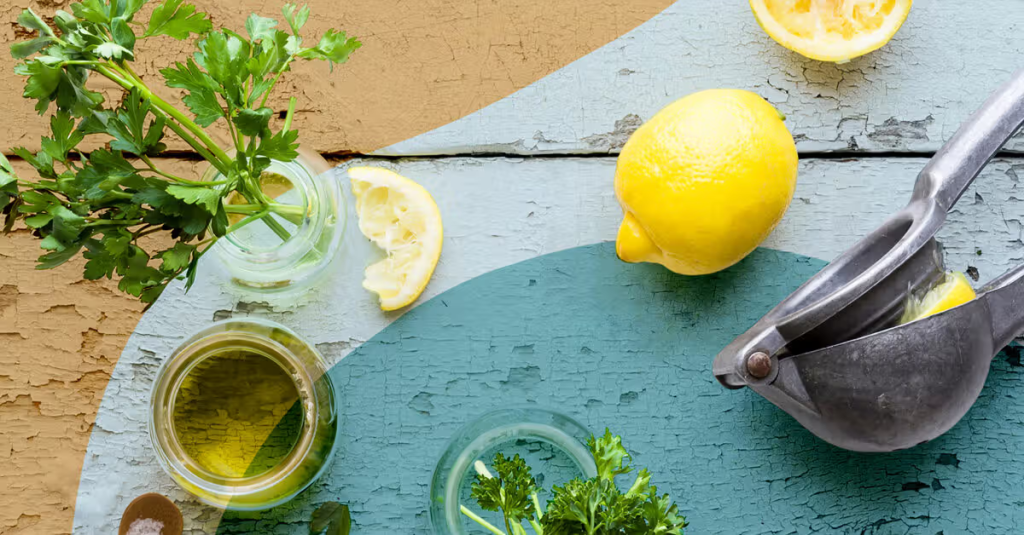
Olive Oil and Lemon Juice: Myths, Benefits, and Downsides
Some people claim that combining olive oil and lemon juice may help detox the body, contribute to weight loss, and treat gallstones. But limited research supports these purported claims. @HEALTHLINE
These recipes don’t just feature olives—they activate their full healing and nutritional potential. Each one is curated to highlight the olive’s heart-healthy fats, antioxidant power, and ritual-worthy depth. Let’s dive into five that offer the best benefits
The Fruit That Guards the Flame”
Invocation At dawn, before the world stirs, the olive offers its flame. Not to burn, but to awaken. Not to consume, but to consecrate.
🕊️ Ritual Recipe: Morning Gut Awakening Elixir
Ingredients
- 1 tbsp cold-pressed extra virgin olive oil (unfiltered if possible)
- Juice of ½ fresh lemon
- Optional: pinch of sea salt or cayenne (for fire and flow)
Instructions
- Rise before food, before noise.
- In a small ceramic or glass vessel, blend the olive oil and lemon juice.
- Stir clockwise—three times, with intention.
- Drink slowly, as a gesture of internal anointing.
- Sit in stillness for 10–15 minutes before eating.
Benefits
- Stimulates digestion and bile flow
- Supports liver detoxification
- Nourishes skin and cellular renewal
- Invokes ancestral healing through ritual ingestion
🔥 Symbolic Gesture
This elixir is not a cleanse—it is a covenant. A daily act of remembrance, linking body to lineage, flame to fruit. The olive does not ask for praise. It offers presence.
The olive does not age—it deepens. From ancient altars to modern kitchens, it remains a vessel of flame, healing, and memory.
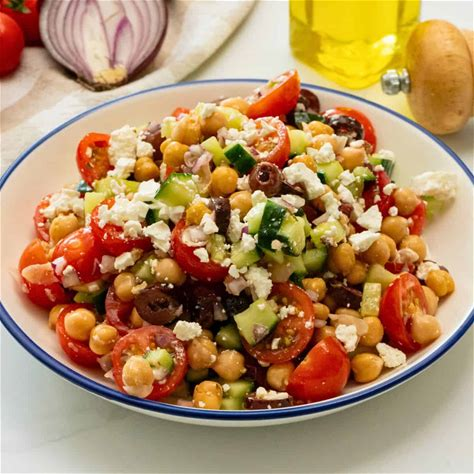
🥗 1. Mediterranean Olive & Chickpea Salad Benefits:
Fiber, protein, monounsaturated fats, polyphenols Ingredients: Kalamata olives, chickpeas, cherry tomatoes, cucumber, red onion, parsley, lemon juice, olive oil Ritual Use: A midday meal of renewal—cleansing, energizing, and gut-supportive
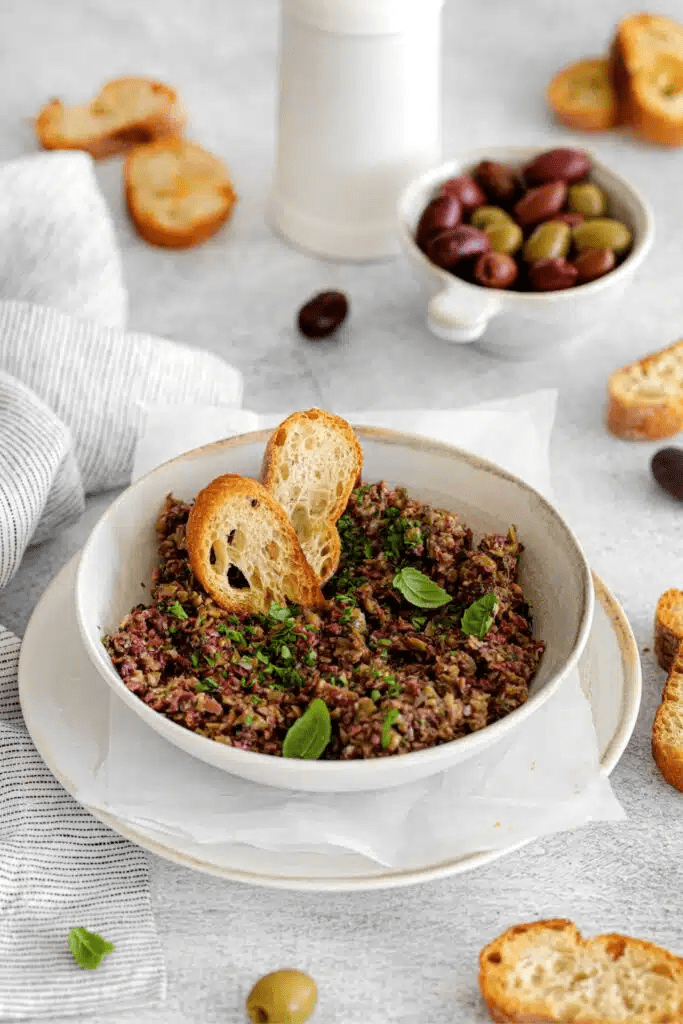
🍞 2. Olive Tapenade with Garlic & Herbs
Make olive tapenade in just 5 minutes! Serve and enjoy this easy appetizer with crostini, crackers or crudité
Benefits: Antioxidants, anti-inflammatory compounds, digestive support
Ingredients: Black olives, capers, garlic, thyme, lemon zest, olive oil Ritual
Use: Spread on ritual bread or crackers before storytelling or artifact curation
Benefits: Antioxidants, anti-inflammatory compounds, digestive support Ingredients: Black olives, capers, garlic, thyme, lemon zest, olive oil Ritual Use: Spread on ritual bread or crackers before storytelling or artifact curation
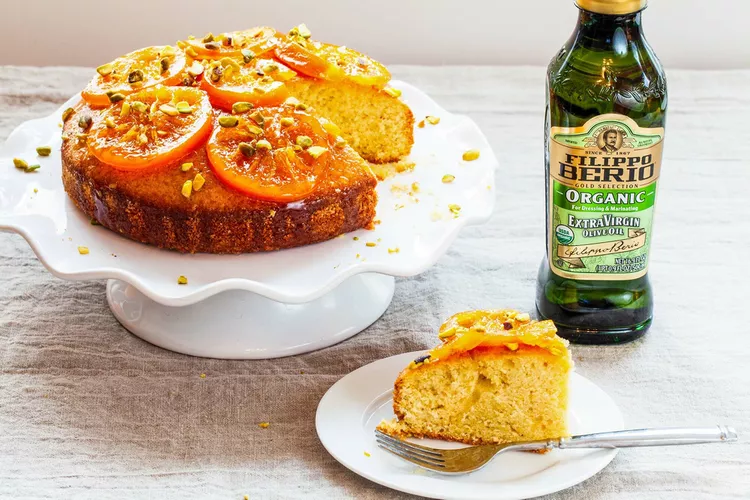
🍰 3. Olive Oil Citrus Cake:
Benefits: Vitamin E, healthy fats, blood sugar balance Ingredients: Olive oil, almond flour, eggs, orange zest, honey, Greek yogurt
Ritual Use: A celebratory offering—sweetened with ancestral breath, not sugar
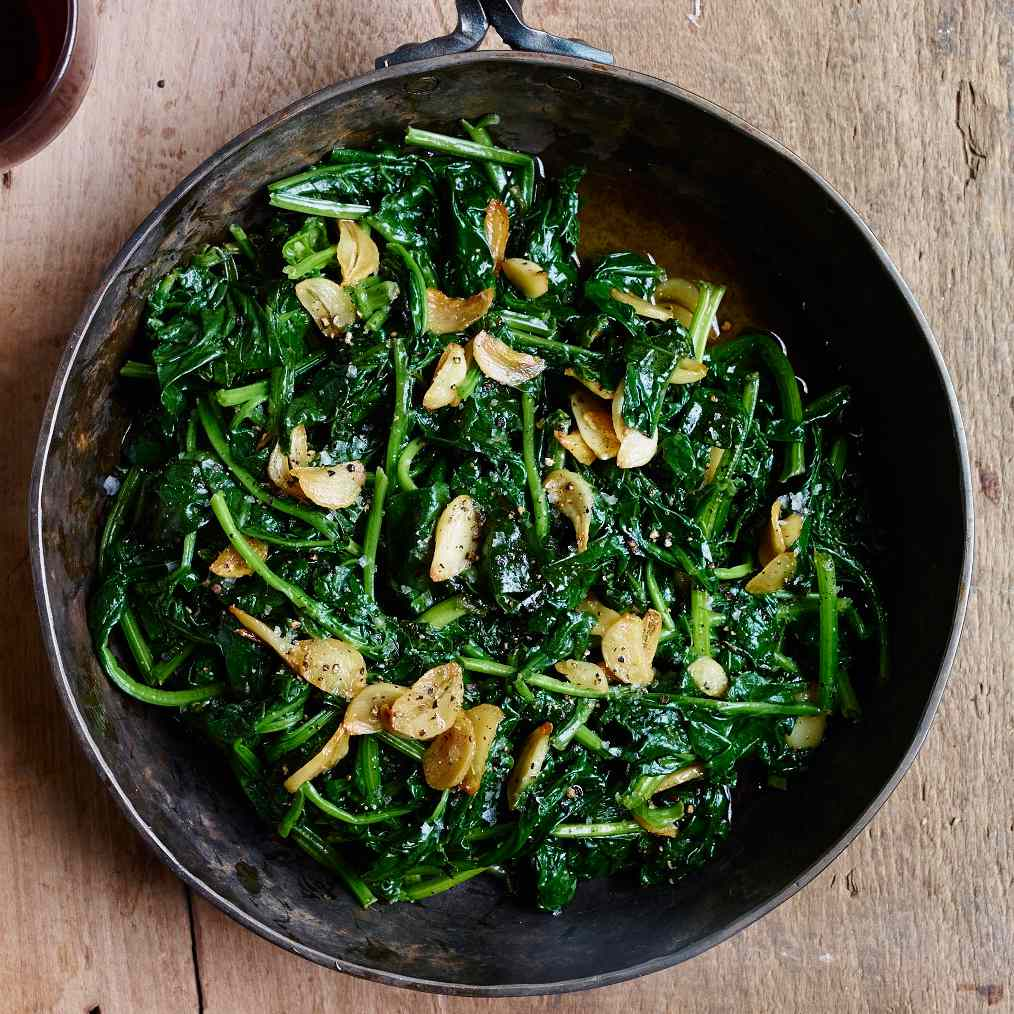
🍳 4. Sautéed Spinach with Lemon-and-Garlic Olive Oil
Benefits: Detoxification, bone support, immune resilience Ingredients: Kale or chard, garlic, lemon juice, olive oil, sea salt Ritual Use: Morning or evening cleansing—anointing the body from within.
🌿 Ancient Origins: The Olive as Sacred Flame
- 6,000+ years ago, the olive tree was first cultivated in the Eastern Mediterranean—modern-day Syria, Palestine, Lebanon, and Israel.
- In ancient Greece, olives were sacred to Athena. Olive branches crowned Olympic victors, and olive oil was used in religious rites, healing, and daily sustenance.
- The Romans expanded olive cultivation across their empire, using olive oil for cooking, cosmetics, medicine, and even soldier rations.
- Olive oil was called “liquid gold” by Homer—a symbol of divine favor and earthly abundance.
🔥 Medieval to Renaissance: Preservation & Trade
- Monasteries preserved olive cultivation knowledge during the Middle Ages.
- Olive oil became a trading bridge between Europe and the Islamic world, used in food, medicine, and sacred rituals.
🕊️ Modern-Day Uses: The Olive Still Speaks
1. Culinary Powerhouse
- Central to the Mediterranean diet, linked to reduced heart disease, inflammation, and longevity2.
- Used in everything from tapenades and salads to cakes and ceremonial spreads.
2. Medicinal & Nutritional Benefits
- Rich in monounsaturated fats, polyphenols, and vitamin E—supporting heart, skin, and gut health.
- Anti-inflammatory and antioxidant properties make it a natural healer.
3. Cosmetic & Skincare Legacy
- Found in Aleppo soap, Savon de Marseille, and modern lotions and balms.
- Moisturizing, gentle, and deeply rooted in ancestral beauty rituals.
4. Symbolic & Ritual Use
- Still used in anointing, burial rites, and ceremonial meals.
- Olive branches remain global symbols of peace and reconciliation.
5. Expanding Global Reach
- Even regions like Yunnan, China are now cultivating olives, adapting ancient wisdom to new climates.
Closing Line
The olive does not age—it deepens. From ancient altars to modern kitchens, it remains a vessel of flame, healing, and memory.
🏺 Historical References
| Source | Description | Link |
|---|---|---|
| The Olive Bar | Explores the olive’s evolution from ancient Mediterranean cultivation to modern global uses in cuisine, skincare, and ritual. | The Olive Bar’s historical guide |
🧄 Culinary References
| Source | Description | Link |
|---|---|---|
| Confetti & Bliss | A bold, briny olive tapenade recipe featuring Kalamata and green olives, garlic, herbs, and lemon—ideal for ritual spreads and ancestral nourishment. | Olive Tapenade Recipe |
| Love & Lemons | A simple, healing sautéed spinach recipe with olive oil, garlic, and lemon—perfect for morning gut awakening and ceremonial meals. | Sautéed Spinach Recipe |
| Bing Visual Gallery | A collection of sautéed spinach images with garlic and lemon—useful for visual inspiration and motif development. | Sautéed Spinach Image Gallery |
🩺 Medical & Nutritional References
| Source | Description | Link |
|---|---|---|
| The Olive Bar: Ancient to Modern Delicacies | Offers a comprehensive overview of olive oil’s health benefits, including cardiovascular support, anti-inflammatory properties, and antioxidant richness. | The Olive Bar’s guide |
| Love & Lemons: Sautéed Spinach Recipe | Highlights olive oil’s role in enhancing nutrient absorption and supporting gut health when paired with iron-rich greens like spinach. | Sautéed Spinach Recipe |
| Confetti & Bliss: Olive Tapenade Recipe | Emphasizes the nutritional synergy of olives, garlic, lemon, and herbs—each contributing to immune support, digestion, and anti-inflammatory effects. | Olive Tapenade Recipe |
Are you ready for this?
While olives are undeniably rich in healing fats, antioxidants, and ancestral depth, there are a few groups who may need to limit or avoid their consumption—especially when ritual purity meets modern health nuance.
🚫 Who Should Limit or Avoid Olives
1. Individuals with High Blood Pressure or Heart Conditions
- Why: Many olives—especially canned, pickled, or brined—contain high sodium levels, sometimes up to 1000 mg per 100g.
- Risk: Excess sodium can elevate blood pressure and strain the cardiovascular system.
- Ritual Alternative: Choose low-sodium or dry-cured olives, or rinse brined olives before use.
2. People with Digestive Sensitivities (e.g., IBS)
- Why: Olives contain oleuropein, a bitter compound that may disrupt gut flora in excess.
- Risk: Can lead to bloating, gas, or abdominal discomfort.
- Ritual Alternative: Use olive oil instead of whole olives, and pair with gut-soothing herbs like fennel or mint.
3. Those on Low-Fat or Calorie-Restricted Diets
- Why: Olives are calorie-dense due to their fat content—11g of fat per 100g, mostly monounsaturated.
- Risk: May exceed daily fat or calorie limits if consumed in large quantities.
- Ritual Alternative: Use olives as symbolic accents, not bulk ingredients.
4. People with Sodium-Sensitive Conditions (e.g., Kidney Disease)
- Why: Sodium can exacerbate fluid retention and strain kidney function.
- Risk: May interfere with electrolyte balance and medication.
- Ritual Alternative: Opt for fresh, unsalted olives or olive oil infusions.
5. Children or Pregnant Individuals (in Excess)
- Why: While generally safe, excessive sodium and preservatives in commercial olives may not be ideal for developing systems.
- Ritual Alternative: Use olive oil in cooked meals or ceremonial spreads, and limit processed varieties.
Who Should Limit Olive Consumption
While the olive remains a vessel of healing, memory, and sacred nourishment, its modern forms may carry risks for certain individuals. This entry honors ritual clarity and bodily discernment.
⚠️ Consumption Considerations
- High Sodium Alert: Brined or canned olives may contain excessive salt—unsuitable for those with hypertension, kidney conditions, or sodium-sensitive diets.
- Digestive Sensitivities: Individuals with IBS or gut inflammation may experience discomfort due to bitter compounds like oleuropein.
- Caloric Density: Olives are rich in healthy fats but may exceed limits for those on calorie-restricted or low-fat diets.
- Children & Pregnancy: While generally safe, processed olives may contain preservatives or sodium levels not ideal for developing systems.
🕊️ Ritual Alternatives
Pair with gut-soothing herbs like mint, fennel, or basil.🕊️ Closing Line
Opt for dry-cured or low-sodium olives.
Use cold-pressed olive oil in healing spreads or ceremonial meals.
This is not a restriction—it is reverence. The olive heals best when received with clarity. The olive is a healer, not a hazard—but even sacred vessels must be approached with discernment.
You can explore more on EatingWell’s guide to olive health,
ChefReader’s nutritionist advice,
ShortFoodBlog’s cautionary breakdown. Would
Are you ready for this?
The olive—once pressed into sacred flame, now stirred into healing salves and ceremonial spreads—has journeyed from ancient groves to modern kitchens, still thriving as a vessel of nourishment, memory, and ritual. From its first cultivation in the Levant over 6,000 years ago to its role in modern diets, skincare, and storytelling, the olive remains a timeless symbol of resilience, wisdom, and renewal.
Whether infused into morning elixirs, layered into tapenades, or crowned atop greens, it continues to offer more than flavor—it offers continuity. But even sacred fruits require discernment.
🛡️ EJADA Disclaimer
This entry is offered as a vessel of ancestral knowledge and symbolic nourishment. It is not medical advice. While the olive carries centuries of healing and cultural significance, its modern forms may present risks for certain individuals. Readers are encouraged to consult a qualified healthcare provider before making dietary or therapeutic changes.
EJADA honors ritual clarity, bodily discernment, and ethical transparency. All information is curated for symbolic and educational purposes only.
Are You Ready For This?

New Arrivals Fresh Finds, Fierce Style @ EJADACM
No apologies. Just ritual-rich drops that speak louder than trends. From mythic motifs to surreal indulgence, every piece is a portal—crafted to turn heads and reclaim narrative. Drop in. Stand out. Stay rare. New Drops. No Excuses.
 EJADA
EJADA 
Leave a comment