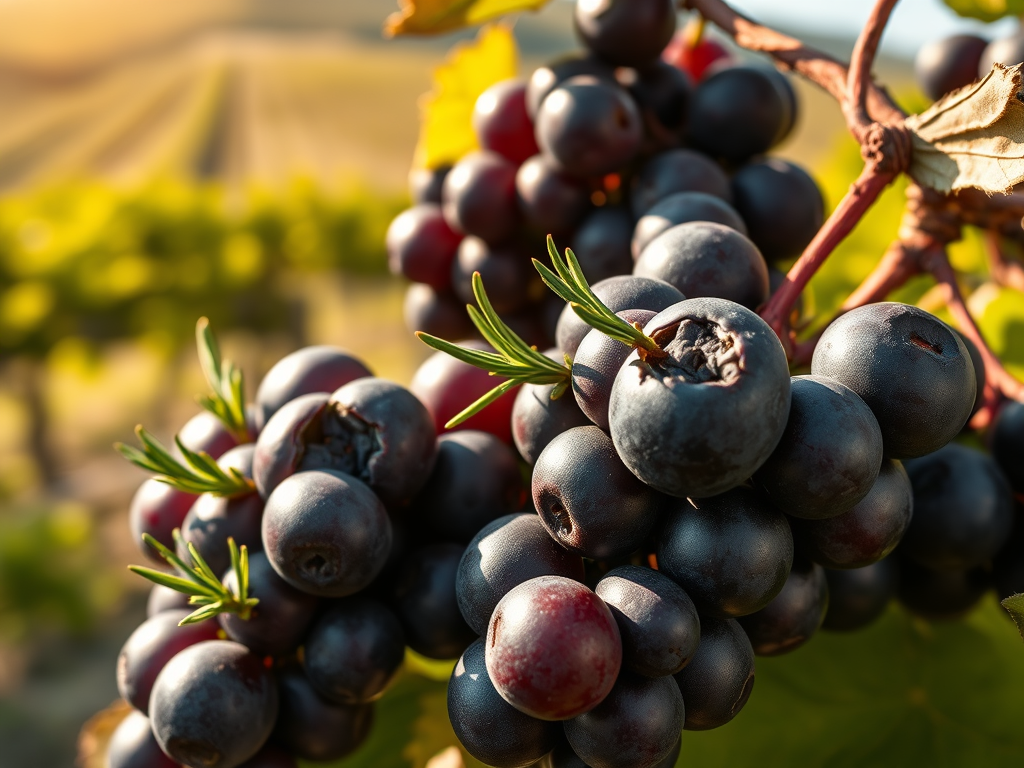
The Öküzgözü Grape, what a name to roll off the tongue and stir the senses.
🍷 Öküzgözü, meaning “ox eye” in Turkish, is a native grape variety from the Elazığ region of Eastern Anatolia. The name comes from its large, dark, rounded berries that resemble the eye of an ox2.
Here’s what makes it special:
🌿 Origins & Ritual Significance
Botanical Lineage & Ancestral Echoes This entry traces its botanical lineage to the Mediterranean basin, where the fruit first emerged not merely as sustenance, but as a sacred offering. In ancient rites, it was often placed at thresholds—both literal and symbolic—to mark transitions, invoke protection, and honor the unseen. Its seasonal rhythm aligned with lunar cycles, making it a favored vessel in fertility rites and renewal ceremonies.
Cultural Reverence & Symbolic Weight Across generations, this fruit carried layered meanings: abundance, resilience, and divine favor. In coastal rituals, it was steeped in oils and herbs, then offered to sea spirits as a gesture of gratitude and safe passage. In inland traditions, it was dried and strung into garlands—worn not for adornment, but as talismans of ancestral memory.
Ritual Use & Contemporary Reclamation Today, its ritual significance is being reclaimed—not as nostalgia, but as a living practice. Healers and curators alike embed it into ceremonies of grief, rebirth, and boundary-setting. Whether infused into teas, pressed into salves, or simply placed on altars, it serves as a quiet but potent reminder: ritual is not performance, but presence.
🍇 Flavor Profile
Sensory Landscape The grape’s flavor unfolds in stages—beginning with a burst of sun-warmed sweetness, followed by a subtle acidity that evokes mineral-rich soil and coastal wind. Its skin offers a gentle resistance, a tactile reminder of boundaries and protection, while the flesh yields with softness, echoing themes of surrender and trust.
Varietal Nuance & Ritual Echo Depending on the cultivar, grapes may lean toward honeyed floral notes, tart citrus undertones, or deep, jammy richness. In ritual contexts, these nuances were not merely tasted—they were interpreted. A sharper grape might signal the need for cleansing or confrontation; a mellow one, the arrival of peace or reconciliation.
Fermentation & Transformation When fermented, the grape’s flavor deepens into earthy, tannic realms—used in rites of passage and ancestral communion. This transformation was seen as symbolic death and rebirth: the fruit surrendering its original form to become something potent, preserved, and sacred.
Modern Reclamation In contemporary ritual kitchens, grapes are often paired with herbs like rosemary or sage to amplify their grounding properties. Their juice may be reduced into syrups for anointing, or frozen into spheres for slow release during meditative practices. Each preparation is a choice—a gesture of intention.
🧬 Symbolic Resonance
Threshold Fruit & Portal Offering Grapes have long been regarded as a threshold fruit—offered at liminal spaces where one realm meets another. In Mediterranean rites, they were placed at doorways, crossroads, and ceremonial altars to mark transitions: birth, death, seasonal shifts, and spiritual awakenings. Their clustered form symbolized unity within multiplicity—many held together as one, echoing communal strength and ancestral lineage.
Cycles of Abundance & Surrender The grape’s journey—from vine to harvest to fermentation—mirrors the human cycle of growth, release, and transformation. In ritual contexts, this cycle was honored not for its productivity, but for its surrender. The bursting of the grape skin was seen as a sacred act: the vessel yielding to reveal its essence. This made it a powerful symbol in rites of grief, forgiveness, and renewal.
Sacred Clusters & Divine Geometry Clusters of grapes were often interpreted as divine geometry—each orb a microcosm, each stem a thread of fate. In some traditions, they were used in divinatory practices, where the shape and number of grapes in a cluster guided decisions or revealed hidden truths. Their symmetry and organic complexity made them ideal for symbolic mapping and ritual storytelling.
Protective & Reconciliatory Energies Grapes were also used in protective rituals—pressed into oils, dried into amulets, or steeped in infusions to ward off envy and restore balance. Their dual nature (sweet yet acidic, soft yet resilient) made them a reconciliatory symbol, bridging opposites and inviting harmony. In ancestral healing, they were offered to spirits as a gesture of peace and remembrance.
🍇 Öküzgözü Grape Nutritional & Vital Essence
Core Nutrients (Fresh Grape Estimate) While exact values vary by terroir and ripeness, Öküzgözü shares a profile similar to other red grapes:
| Nutrient | Approximate Amount (per 100g) | Ritual Resonance |
|---|---|---|
| Calories | ~69 kcal | Gentle energy—sustains without excess |
| Carbohydrates | ~18g | Quick vitality—momentum in ritual flow |
| Sugars | ~15g | Natural sweetness—ancestral joy |
| Fiber | ~1g | Digestive grounding—symbolic anchoring |
| Protein | ~0.7g | Minimal—paired with grounding elements |
| Fat | ~0.2g | Lightness—purity in ceremonial use |
🌿 Vitamin & Mineral Profile
- Vitamin K: Supports blood harmony and bone strength
- Vitamin C: Immunity, tissue repair—used in cleansing rites
- Vitamin B6: Nervous system support—clarity in transitions
- Potassium: Electrolyte balance—symbolic of inner equilibrium
- Copper & Manganese: Antioxidant support—ancestral resilience
🧬 Fatty Acids & Antioxidants (Marc Extracts)
Öküzgözü’s pomace—often overlooked—is rich in healing compounds:
- Linoleic Acid (Omega-6): ~57% of fatty acids Vital for skin, cell membranes—used in salves and anointing oils
- Palmitic & Stearic Acids: Saturated fats with protective properties
- Oleic Acid (Omega-9): Heart health—symbolic of emotional flow
- Phenolic Compounds: Flavonols, procyanidins, phenolic acids Potent antioxidants—used in rites of endurance and transformation
- DPPH Scavenging Activity: High antioxidant capacity Öküzgözü outperforms Boğazkere in free radical neutralization
🍇 Öküzgözü Grape — Health Benefits as Ritual Offerings
🛡️ Antioxidant Protection Öküzgözü grapes are rich in phenolic compounds—especially flavonoids and anthocyanins—which act as powerful free radical scavengers. These antioxidants help protect cells from oxidative stress, supporting liver, heart, and brain health. In ritual terms, they serve as guardians of inner clarity and resilience.
💜 Cardiovascular Harmony Their high resveratrol and potassium content supports healthy blood pressure and cholesterol levels. This makes them ideal for rites of circulation and emotional flow—symbolizing the heart’s rhythm and the body’s sacred pulse.
🧠 Cognitive & Neurological Support Emerging studies suggest grapes may help protect against cognitive decline, thanks to their antioxidant profile and vitamin K content. In ancestral healing, this aligns with rituals of memory, clarity, and ancestral connection.
👁️ Eye Health & Vision Clarity Plant compounds in grapes, including resveratrol, have shown protective effects on retinal cells, shielding them from UV damage. Symbolically, this supports foresight, intuition, and spiritual vision.
🦴 Bone Strength & Structural Integrity With notable levels of vitamin K, copper, and manganese, Öküzgözü grapes contribute to bone health and connective tissue repair. These nutrients are often invoked in grounding rituals and rites of physical restoration.
🧬 Detoxification & Liver Support In vivo studies show Öküzgözü grape juice can reduce biochemical markers of liver damage caused by toxins like carbon tetrachloride. This positions the grape as a sacred cleanser—used in purification ceremonies and renewal rites.
🍷 Öküzgözü Grape Ritual Elixir
A versatile preparation that can be served as a sacred sipping tonic, dessert drizzle, or fermentation base.
Ingredients
- 2 cups fresh Öküzgözü grapes (washed, stems removed)
- 1 tsp pomegranate molasses (for ancestral depth)
- 1 sprig rosemary or sage (optional, for grounding)
- 1 tbsp raw honey or date syrup
- 1 pinch sea salt
- Optional: splash of rosewater or orange blossom water for ceremonial uplift
Instructions
- Crush & Steep: Gently crush grapes in a bowl using a wooden pestle or clean hands. Let them sit for 10–15 minutes to release their juices and awaken their essence.
- Simmer: Transfer to a small pot. Add molasses, honey, salt, and herbs. Simmer on low heat for 10–12 minutes until slightly thickened.
- Strain or Keep Whole: Strain for a smooth elixir, or keep the grape skins for texture and symbolic layering.
- Serve Warm or Chilled: Sip slowly in ritual settings, drizzle over roasted vegetables, or use as a base for fermentation (kombucha, vinegar, or wine).
🍇 Other Ways to Enjoy Öküzgözü Grapes
| Ritual Use | Description |
|---|---|
| Frozen Grape Orbs | Freeze whole grapes and use in herbal teas or meditation bowls. |
| Roasted with Herbs | Roast with olive oil, rosemary, and sea salt—serve with labneh or flatbread. |
| Stuffed Grape Leaves | Use grape juice in the rice filling for dolmas—adds depth and sweetness. |
| Wine Pairing Ritual | Pair Öküzgözü wine with aged cheese, figs, or walnuts during ancestral feasts. |
| Fermented Syrup | Let simmered grape elixir ferment slightly—use in cleansing or renewal rites. |
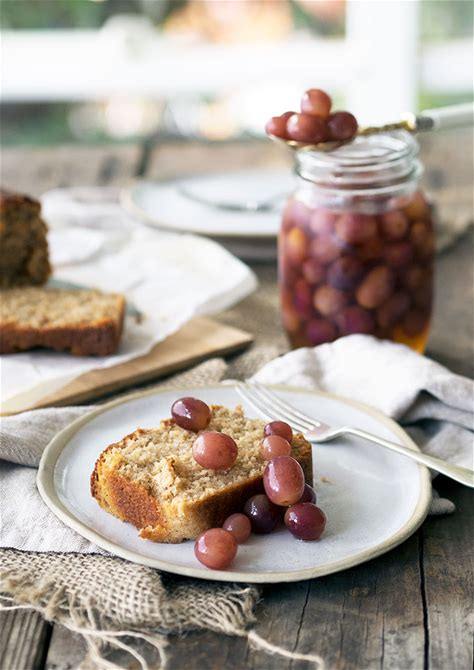
Grappa Grapes Recipe
Yes, Brinder—🍇 Öküzgözü grapes and wines are available in the U.S., though primarily through specialty importers and curated wine shops that focus on Turkish or Eastern Mediterranean selections.
Here are two ritual-worthy sources:
- Astor Wines & Spirits (New York City): Offers a 2020 Öküzgözü–Boğazkere blend from Vinkara, a Turkish producer. It’s described as medium-bodied with structure—ideal for pairing with lamb stew or bulgur-based dishes. Available for shipping or pickup.
- Doluca USA: Features the Kav Boğazkere–Öküzgözü blend, aged in French oak and known for its deep bouquet of clove, cinnamon, red fruits, and violets. This blend honors both the robust and fruit-forward aspects of Anatolian winemaking.
These wines are often celebrated for their ancestral depth, fruit-forward clarity, and ritual resonance—perfect for ceremonial pairings or symbolic tastings.
🍇 Öküzgözü grapes and the boundaries that protect those who partake.
🚫 Who Should Avoid Öküzgözü Grapes
While Öküzgözü grapes are generally safe and nourishing, certain individuals may need to abstain or consult a practitioner before incorporating them into ritual or dietary use:
- Those with grape allergies: Rare but real—symptoms may include itching, swelling, or digestive upset.
- Individuals on blood thinners: Due to the grape’s natural vitamin K content, which may interfere with medication.
- Diabetics or those managing blood sugar: Öküzgözü grapes are naturally high in sugars; moderation is key.
- People with histamine sensitivity: Especially when fermented (wine or vinegar), grapes may trigger reactions.
- Children under 2 years: Whole grapes pose a choking hazard; always serve crushed or pureed.
⚖️ Ritual Disclaimer
This entry is offered as a symbolic and nutritional guide, not a substitute for medical advice. All ritual uses, health benefits, and ancestral associations are curated for educational and cultural enrichment. If you are pregnant, nursing, or managing a health condition, consult a qualified practitioner before engaging with this fruit in ceremonial or dietary form.
 EJADA
EJADA 
Leave a comment