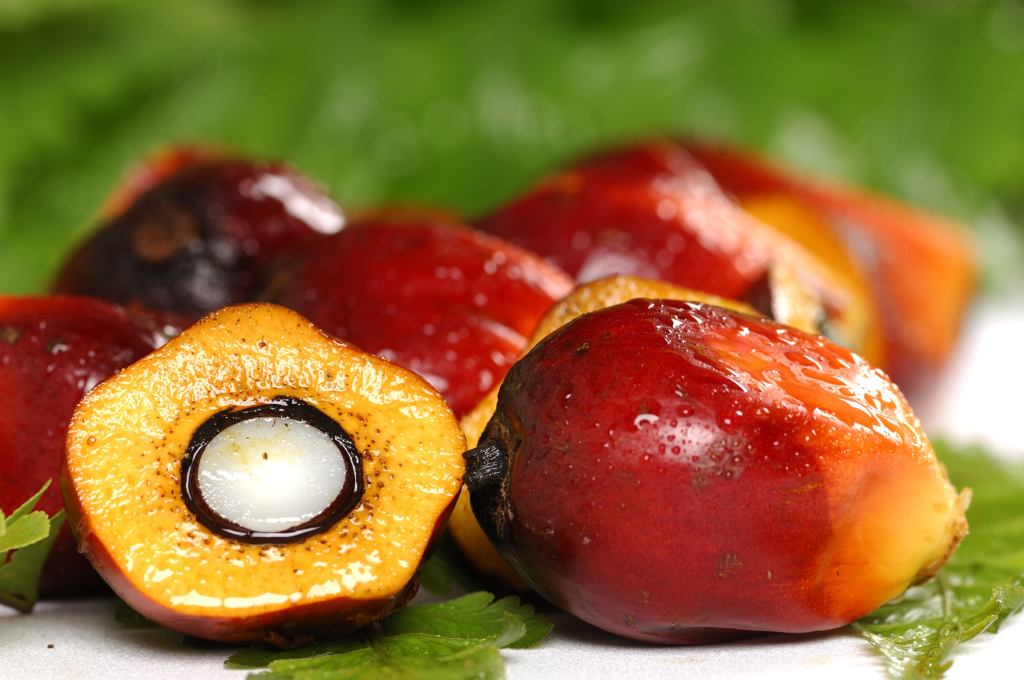
🌿 Botanical Identity
- Scientific name: Elaeis guineensis
- Native region: West and Southwest Africa, especially between Angola and The Gambia
- Fruit structure: Reddish, plum-sized fruits grow in dense bunches weighing up to 30 kg. Each fruit contains:
- A fleshy outer layer (pericarp) rich in palm oil
- A central seed (palm kernel) that yields palm kernel oil
🧬 Nutritional & Ritual Significance
🧬🧡 Nourishment of the Body
The Oil Palm Fruit offers two distinct oils—each with its own nutritional and symbolic resonance:
🔥 Red Palm Oil (from the pericarp)
- Rich in beta-carotene: The vibrant red hue signals high levels of provitamin A, supporting vision, immunity, and skin health.
- Tocotrienols & tocopherols: These forms of vitamin E are potent antioxidants, linked to cellular protection and heart health.
- Healthy fats: Contains monounsaturated and saturated fats that, when consumed mindfully, support energy and hormonal balance.
he red oil is a liquid flame—a carrier of ancestral warmth and regenerative fire.
Palm Kernel Oil (from the seed)
- Denser in saturated fats: Used traditionally for frying and medicinal salves.
- Symbolic of inner potency: The kernel represents hidden strength, depth, and the power of inner extraction.
Symbolic Layer: The kernel oil is a shadowed essence—a reminder that nourishment often comes from within.
🔮 Ritual Significance
Across West African and diasporic traditions, red palm oil is more than food—it’s a spiritual conduit:
- Purification & protection: Used in initiation rites to cleanse and shield the body
- Ancestral offering: Poured onto altars or used in sacred meals to honor lineage and invoke blessings
- Symbol of vitality: Its red color represents the life force, connecting the physical and spiritual realms
- Ceremonial anointing: Applied to sacred objects, bodies, and spaces to infuse them with divine energy
Ritual Layer: Red palm oil is a crimson bridge—linking body to spirit, earth to ancestor, nourishment to oath.
Spiritual Meaning Of Red Palm Oil: @ Spiritul Learners
⚠️ Ethical & Environmental Layers
- Palm oil production is deeply entangled with:
- Deforestation and habitat loss (especially for orangutans and elephants)
- Labor concerns, including child labor in some regions
- Carbon emissions from forest burning and monoculture farming
🌗 A Vessel of Duality
The Oil Palm Fruit is not merely a botanical specimen—it’s a paradox wrapped in crimson skin. It embodies:
🧡 Nourishment
- Cultural sustenance: In West African traditions, red palm oil is revered for its healing warmth, fertility symbolism, and ancestral culinary use.
- Nutritional potency: Rich in carotenoids, tocotrienols, and healthy fats, it offers regenerative properties—especially when unrefined and ritually prepared.
- Economic lifeline: For millions of smallholders, it’s a source of livelihood, autonomy, and generational continuity.
⚠️ Ecological Tension
- Deforestation & biodiversity loss: Industrial cultivation has led to the destruction of rainforests, threatening species like orangutans and elephants.
- Carbon emissions: Slash-and-burn techniques release vast amounts of CO₂, contributing to climate instability.
- Monoculture fragility: The ecological simplification of landscapes erodes soil health and native biodiversity.
O is for Oil Palm
Crimson crown of paradox, feeding the body, testing the soul”
O is for Oil Palm—crimson crown of paradox, feeding the body, testing the soul.
Rooted in West African soil and braided into Mediterranean memory, the Oil Palm Fruit is more than a botanical offering—it is a vessel of duality. Its radiant skin glows with promise, yet its legacy bleeds with consequence.
From its fleshy pericarp flows red palm oil, a sacred fire used in ancestral stews, fertility rites, and healing broths. It nourishes with beta-carotene, vitamin E, and the warmth of lineage. Yet behind its glow lies a reckoning: forests cleared, habitats lost, labor exploited.
The kernel within offers a second extraction—dense, potent, and shadowed. This duality is not just chemical, but symbolic.
O is not only for oil—it is for offering, for oath, for origin. May we harvest with reverence. May we reckon with truth.
🍽️ Ways to Eat Oil Palm Fruit
1.🌴 How It’s Used
The Oil Palm Fruit’s fleshy outer layer (pericarp) is boiled, softened, and mashed to release its nutrient-rich pulp. This pulp is traditionally strained and used as a base for stews, soups, and rice dishes throughout West African culinary traditions and beyond. It carries both nutritional depth and ancestral significance.
🍛 Ritual Dish
Palm Nut Stew or native-style rice dishes made with the fruit’s pulp are served during communal gatherings, rites of passage, and seasonal transitions. These meals symbolize nourishment, memory, and the honoring of lineage.
⚠️ Safety Note
For full nutritional benefit, use unrefined pulp or traditionally extracted fruit concentrate. This preserves key nutrients such as tocotrienols and beta-carotene, which support immunity, skin health, and cellular protection.
2. Palm Kernel Oil (Seed Extraction)
- How it’s used: Extracted from the seed inside the fruit, this oil is more saturated and often used for frying or in traditional remedies.
- Ritual Dish: Palm kernel stew—used in healing ceremonies and fertility rites
- Disclaimer: “Kernel oil is denser and should be consumed mindfully due to its saturated fat content.”
3. Whole Fruit (Boiled or Fermented)
- How it’s used: In some regions, the fruit is boiled whole to soften the flesh and release oils. It may also be fermented for traditional sauces.
- Ritual Dish: Palm fruit sauce—served with yam or plantain, symbolizing grounding and abundance
- Badge suggestion: “Whole Fruit Wisdom”
4. Palm Wine (From Sap, Not Fruit Directly)
- Note: While not from the fruit itself, palm wine is often ritualized alongside oil palm dishes. It’s tapped from the tree and fermented.
- Symbolic pairing: Represents spiritual communion and ancestral offering
West African and diasporic culinary traditions
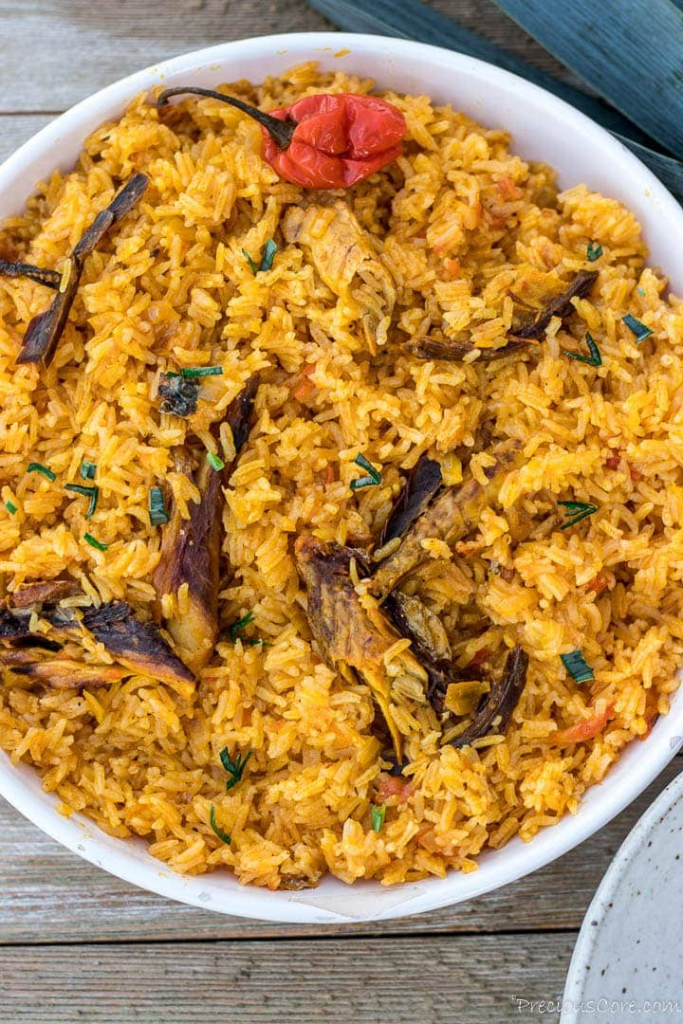
Nigerian Palm Oil Rice (Native Jollof Rice) “Crimson flame in a communal bowl—Jollof Rice infused with ancestral oil, feeding body and memory.”
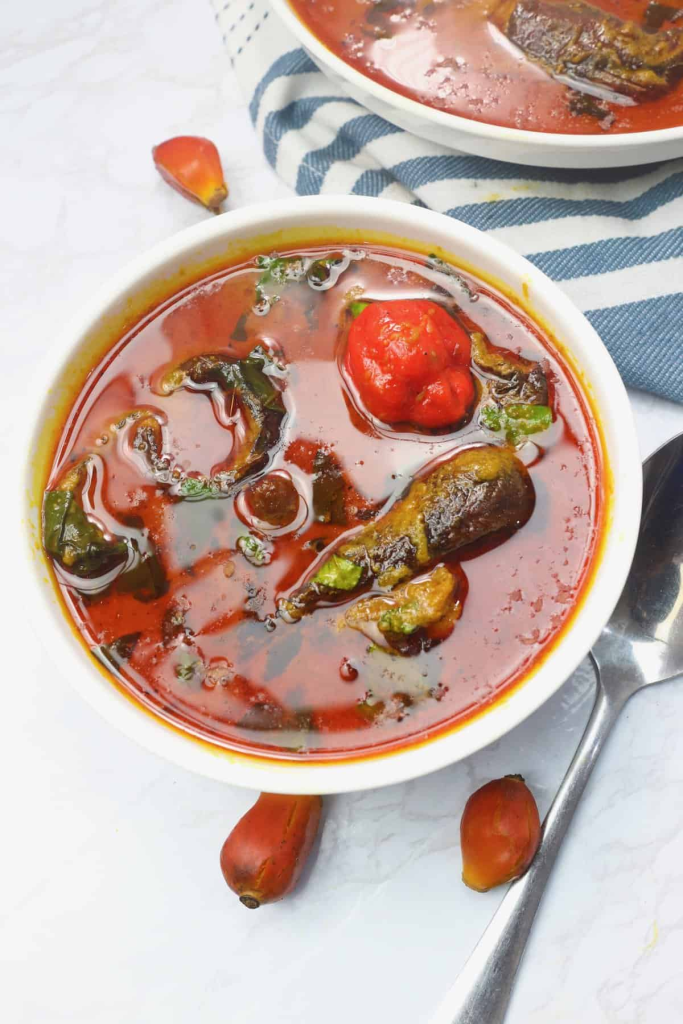
Banga/Palm Nut Soup – A West African soup made from heavily pounding palm nut fruit to extract the pulp.
Oil Palm Fruit is available in the U.S., but access is limited and often regional or specialty-based
Availability in the United States
- Fresh Oil Palm Fruits: Rarely found in mainstream grocery stores. However, some African and Caribbean markets, especially in cities with large diasporic communities (like New York, Houston, Atlanta, or Los Angeles), may carry them seasonally.
- Palm Fruit Concentrate or Extract: More widely available in canned or jarred form, often labeled as Banga, Palm Cream, or Palm Nut Pulp. These are used for making traditional stews like Palm Nut Soup and can be found online or in African food stores.
- Palm Trees for Landscaping: Nurseries like Indian River Exotics offer African Oil Palm trees for local delivery or pickup in Florida, though these are ornamental and not typically grown for fruit harvesting in the U.S.
Disclaimer
“This fruit is honored for its ancestral and nutritional legacy. Availability in the U.S. is limited; sourcing may require specialty vendors or imported pulp.”
🍊 Health Benefits of Oil Palm Fruit
🧡 1. Rich in Antioxidants
Vitamin A (Beta-Carotene): The fruit’s pulp is rich in beta-carotene, which supports eye health, immune function, and skin regeneration.Why Crunches Are Not Enough for Core Strength
Vitamin E (Tocotrienols & Tocopherols): These antioxidants help protect cells from damage, support brain health, and may reduce inflammation.
Healthy Fats: Contains a mix of saturated and unsaturated fats that, when consumed in moderation, can support energy levels and hormonal balance.
💓 2. Supports Heart Health
The oil from the fruit contains unsaturated fats like oleic and linoleic acid, which may help balance cholesterol levels when consumed mindfully
Lauric acid offers anti-inflammatory properties, potentially reducing cardiovascular strain
Some studies suggest that unrefined palm fruit oil may help maintain healthy cholesterol levels, though this depends on overall diet and sourcing.
👁️ 3. Promotes Eye Health
The carotenoids in palm fruit oil are known to support retinal function and prevent vitamin A deficiency, which can lead to night blindness
🧬 4. Immune System Boost
Vitamin A and E work synergistically to strengthen immune defenses and cellular communication
🧠 5. Cognitive Protection
Tocotrienols have been studied for their neuroprotective effects, potentially aiding in memory and reducing oxidative stress in the brain
⚠️ Who Should Be Cautious or Avoid Oil Palm Fruit Products
💓 People with Heart Disease or High Cholesterol
- Palm oil is about 50% saturated fat, which can raise LDL (“bad”) cholesterol and increase cardiovascular risk if consumed in excess2.
- Those following a heart-healthy diet may be advised to limit saturated fats to under 6% of daily calories.
🧠 Individuals with Liver Conditions
- High intake of saturated fats from palm oil may contribute to fatty liver disease or worsen existing liver conditions.
🌿 People with Digestive Sensitivities
- Some report bloating, cramps, or nausea after consuming palm oil, especially in processed forms.
🧒 Children and Pregnant Individuals (in excess)
- While small amounts of unrefined palm oil may be safe, excessive intake—especially from processed foods—can introduce unnecessary saturated fats and additives.
🧂 Anyone Consuming Highly Processed Palm Oil
- Refined palm oil (used in snacks, baked goods, and margarine) lacks the antioxidants of its traditional counterpart and may contribute to inflammation, weight gain, and metabolic issues.
⚠️ Health Disclaimer
This entry honors the Oil Palm Fruit’s ancestral and nutritional legacy. Individuals with cardiovascular, liver, or digestive conditions should consult a qualified health practitioner before consuming palm oil or palm fruit products. Excessive intake of saturated fats—especially from refined or processed palm oil—may pose health risks.
Closing Invocation
From pulp to offering, from kernel to flame— The Oil Palm Fruit is more than nourishment. It is memory pressed into flesh, A vessel of paradox, power, and ancestral fire.
Enjoy the power of the Oil Palm Fruit— Not just as food, but as ritual. Not just as oil, but as oath. Let it feed your body, awaken your lineage, And remind you to nourish with reverence And reckon with truth.
 EJADA
EJADA 
Leave a comment