
Okra, the enigmatic pod cloaked in mucilage and myth 🌿
Fruit or Vegetable?
Botanically, okra is a fruit—it develops from the flower and contains seeds. Culinarily, it’s treated as a vegetable, prized for its savory bite and thickening properties. This dual identity mirrors its symbolic role: a binder of categories, a bridge between worlds.
🧬 Symbolic & Botanical Identity
- Botanical name: Abelmoschus esculentus, part of the mallow family—kin to hibiscus, cotton, and cacao.
- Cultural aliases: “Lady’s finger” in South Asia, “gumbo” in the American South, and a staple in West African stews.
- Symbolic resonance: Its star-shaped cross-section evokes protection, fertility, and cosmic alignment in some traditions.
🌿 Symbolic Resonance of Okra
⭐ Cosmic Geometry
- The five-pointed star revealed when okra is sliced crosswise evokes celestial alignment, protection, and balance. In some traditions, this geometry mirrors the pentagram—a symbol of elemental harmony (earth, air, fire, water, spirit).
- Its radial symmetry suggests regeneration, echoing cycles of growth and decay in nature-based rituals.
🧬 Ancestral Lineage
- Okra’s journey from West Africa to the Americas through the transatlantic slave trade marks it as a botanical witness to displacement and survival. It became a staple in diasporic kitchens, carrying stories of adaptation, resistance, and nourishment.
- In African diasporic spirituality, okra is sometimes seen as a binder of worlds—its mucilage symbolizing the connective tissue between body and spirit, past and present.
🌀 Ritual Texture
- The mucilage, often misunderstood, is a symbol of protection and healing. It coats, binds, and soothes—qualities mirrored in spiritual practices that emphasize containment, restoration, and inner resilience.
- In culinary rites, the act of reducing or embracing the slime becomes a metaphor for acceptance or transformation—choosing how to engage with discomfort or unfamiliarity.
🌱 Botanical Kinship
- As a member of the mallow family, okra shares lineage with hibiscus and cotton—plants tied to beauty, labor, and colonial histories. This kinship invites reflection on how plants carry layered legacies.
- Its rapid growth and heat tolerance symbolize tenacity and adaptability, often invoked in agricultural rituals or seasonal transitions.
🧙🏽♀️ Folk Medicine: Ancestral Wisdom in Practice
Across continents, okra has long been revered not just as food, but as medicine woven into ritual:
- West African traditions: Okra was used to soothe digestive ailments, especially in children and elders. Its mucilage was seen as a protective balm for the gut and throat.
- Ayurvedic practices: Okra’s cooling nature and mucilaginous texture were used to balance excess heat (pitta), calm inflammation, and support reproductive health.
- Southern U.S. folk remedies: Okra water was consumed to regulate blood sugar and ease constipation, often passed down orally through matriarchal lines.
- Middle Eastern herbalism: Okra was steeped or boiled to treat ulcers and respiratory irritation, its gel believed to coat and protect internal tissues.
In these traditions, okra wasn’t isolated—it was ritualized, often paired with prayer, seasonal timing, or symbolic preparation.
🧬 Modern Nutrition: Evidence-Based Echoes
Contemporary science is now catching up to what folk medicine intuited:
🌱 Gut Health & Digestion
- Soluble fiber in okra forms a gel-like substance that eases bowel movements and feeds beneficial gut bacteria.
- Its mucilage may help neutralize stomach acid, offering relief from ulcers and acid reflux.
💓 Blood Sugar & Metabolic Support
- Studies show okra may slow glucose absorption, helping stabilize blood sugar levels—especially relevant for type 2 diabetes.
- Okra extract has shown promise in reducing fasting glucose and hemoglobin A1C in clinical trials.
🧘🏽♂️ Weight & Satiety
- High in fiber and low in calories, okra promotes fullness and fat binding, supporting weight management goals.
- Okra water, while less nutrient-dense than whole okra, may aid hydration and gentle detoxification.
🦴 Bone & Skin Health
- Rich in vitamin K, calcium, and vitamin C, okra supports bone density and collagen synthesis.
- Its antioxidants may reduce inflammation and improve skin resilience, though okra water contains only trace amounts of these nutrients.
🌱 Ritual-Rich Benefits
Okra’s slimy interior isn’t just texture—it’s mucilage, a healing gel used in folk medicine and modern nutrition.
- Gut guardian: Mucilage soothes digestion and feeds beneficial gut flora.@clevelandclinic
- Blood sugar balancer: Studies suggest okra may slow glucose absorption, aiding in diabetes management@ verywell health.
- Heart healer: Polyphenols and fiber help reduce cholesterol and inflammation. @Cleveland clinic
- Bone strengthener: Rich in calcium, vitamin K, and C—essential for bone density and regeneration. @verywellhealth
- Ancestral immunity: Folate, magnesium, and antioxidants support cellular repair and immune resilience. @healthline
🍽️ Culinary as Ceremony
Okra’s preparation is a ritual in itself—whether fermented, pickled, roasted, or stewed.
- Gumbo: A sacred dish in Creole and African diasporic traditions, where okra thickens and binds flavors.
- Pickled pods: Preserved with intention, often used in healing diets.
- Okra water: A folk remedy steeped overnight, consumed for blood sugar and gut health.

Good New Orleans Creole Gumbo

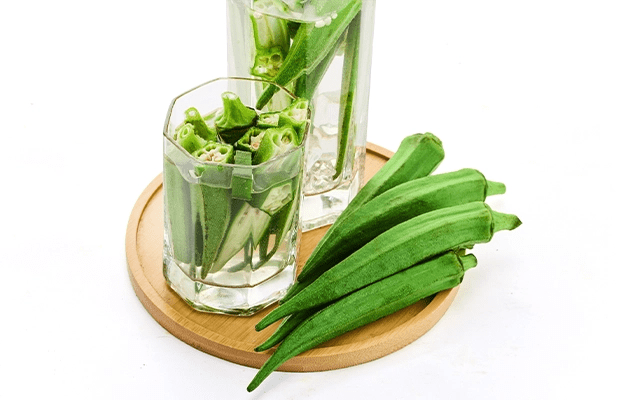
Okra water is prepared by slicing fresh okra pods and soaking them in water for eight to 24 hours. The resulting liquid has a thick, gel-like consistency due to mucilage, a fiber found in okra.
Potential Benefits
While scientific research on okra water is limited, okra itself is rich in nutrients:
- Fiber: Helps digestion and may help regulate blood sugar levels.
- Antioxidants: Contains vitamins A and C, which support immune function and skin health.
- Polyphenols and flavonoids: Compounds naturally found in plant foods, they may improve insulin sensitivity and reduce inflammation.
However, experts note that eating whole okra provides more nutritional benefits than drinking okra-infused water alone. @ Jackson Health Systems
⚠️ Safety & Disclaimer
- Allergic caution: Rare, but possible—especially for those sensitive to mallow-family plants.
- Oxalate content: May contribute to kidney stones in high amounts; moderation is key.
- Sliminess: While medicinal, it may be texturally challenging—ritual preparation (e.g., vinegar soak) can reduce it.
Health benefits of okra
Sometimes called “lady’s finger” or “gumbo,” okra is worthy of a spot on your dinner plate. Here are five of okra’s health benefits:
1. Provides good nutrition
Okra is rich in vitamins, minerals and disease-fighting nutrients.
One-half cup of cooked okra provides: @ cleveland clinic
- 18 calories.
- 4 grams of carbohydrates.
- 0 grams of cholesterol.
- 0.2 grams of fat.
- 2 grams of fiber.
- 1.5 grams of protein.
- 5 milligrams of sodium.
- 2 grams of sugar.
One-half cup of cooked okra also gives you:
- 32 micrograms of vitamin K (27% daily value or DV).
- 14 milligrams of vitamin C (22% DV).
- 0.2 milligrams of manganese (9% DV).
- 37 micrograms of folate (9% DV).
- 29 milligrams of magnesium (7% DV).
- 0.1 milligrams of thiamin (8% DV).
- 0.15 milligrams of vitamin B6 (9% DV).
- 62 milligrams of calcium (5% DV).
2. May boost heart health
Heart disease is the No. 1 cause of death in the U.S., according to the Centers for Disease Control and Prevention (CDC). Following a heart-healthy diet and keeping cholesterol levels in check are two good ways to lower your risk. And if your diet doesn’t already include okra, you might want to give it another look. @ cleveland clinic
⚠️ Precautions
While okra is widely nourishing, a few considerations remain:
- Oxalates: Okra contains moderate oxalates, which may contribute to kidney stone formation in sensitive individuals.
- Digestive texture: Its mucilage, though healing, may be challenging for those unaccustomed to its viscosity.
- Allergic reactions: Rare, but possible—especially among those sensitive to mallow-family plants like hibiscus or cotton.
📜 Disclaimer
This entry is curated for symbolic and educational purposes. It does not constitute medical advice or therapeutic recommendation. Always consult a qualified practitioner before using okra—or any botanical—in a healing context.
 EJADA
EJADA 
Leave a comment