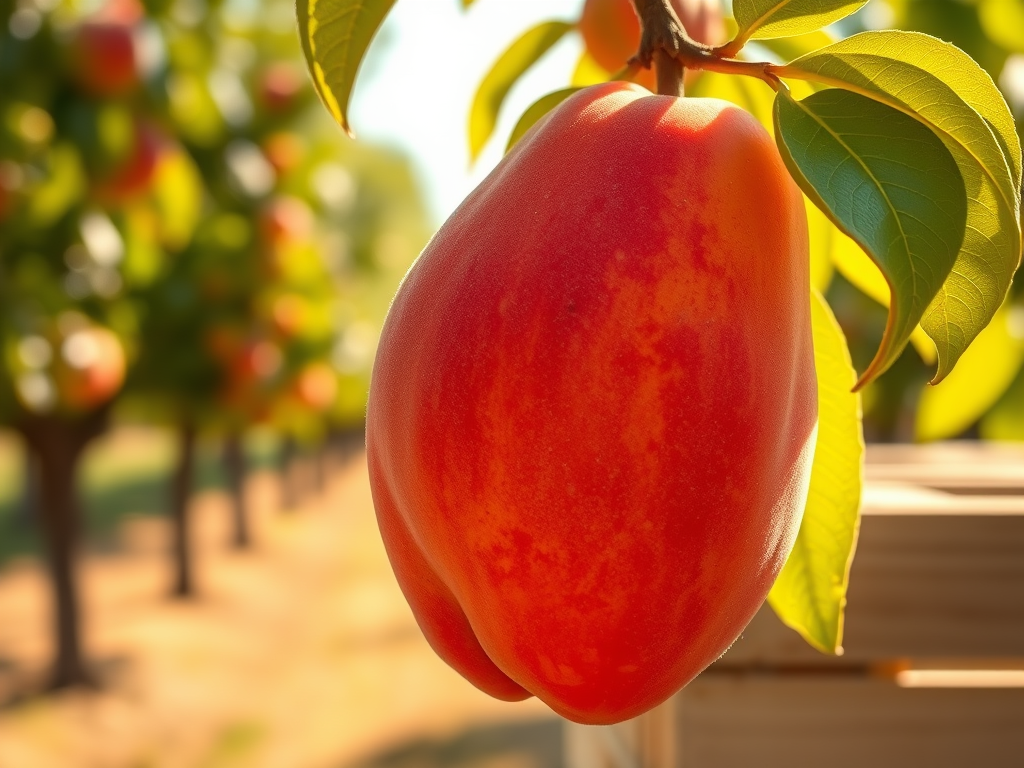
O’Henry, fruit of fire and grace
Ritual carved in every trace
Let your sweetness mark the way
Through healing dusk and sovereign day
The O’Henry peach carries a rich backstory rooted in California’s horticultural legacy and the pursuit of flavor, resilience, and visual allure.
🌿 Origin & Cultivation
Cultivator: The O’Henry peach was developed by Grant Merrill, a skilled breeder in Central California.
Year Introduced: It was first released to commercial growers in 1968.
Parentage: Believed to be an open-pollinated seedling of Merrill Bonanza peaches, possibly crossed with an unknown nectarine variety.
🎯 Purpose & Intent
Grant Merrill’s vision was layered and intentional:
Flavor Excellence: He sought a peach with exceptional sweetness, aromatic depth, and a firm yet melting texture—ideal for fresh eating and culinary use.
Climate Adaptation: Designed to thrive in Central California’s unique conditions, withstanding heat and variable soil.
Commercial Viability: The O’Henry was bred for disease resistance, transport durability, and extended shelf life, making it a favorite among growers and markets.
Visual Distinction: Its elongated, slightly lopsided shape and vibrant red-orange blush set it apart from other cultivars, adding symbolic and aesthetic value.
The O’Henry peach, beyond its symbolic and aesthetic richness, offers a potent nutritional profile
🍑 O’Henry Peach: Health & Nutritional Highlights
Botanical name: Prunus persica
🌿 Nutritional Value (per 100g fresh peach flesh)
- Calories: ~39 kcal
- Carbohydrates: ~10g (primarily natural sugars)
- Fiber: ~1.5g
- Vitamin C: ~6.6mg — antioxidant, immune support
- Vitamin A (Beta-carotene): ~326 IU — skin, vision, cellular health
- Potassium: ~190mg — heart rhythm, hydration balance
- Antioxidants: Rich in polyphenols and carotenoids
- Water Content: ~89% — hydrating and cooling
⚠️ Safety Notes
- Edible Part: Only the flesh is safe for consumption.
- Toxic Parts: The pit (seed) and leaves contain cyanogenic compounds and should not be ingested.
- Allergen Alert: Individuals with stone fruit allergies (e.g., cherries, plums) may react to peaches.
🌸 Healing & Ritual Resonance
- Cooling Fruit: Traditionally used in summer rituals to balance heat and inflammation.
- Symbol of Longevity: In East Asian traditions, peaches represent immortality and vitality.
- Digestive Aid: The fiber and water content support gentle cleansing and gut harmony.
- Emotional Nourishment: Its sweetness and aroma evoke comfort, nostalgia, and ancestral warmth.
🍑 O’Henry Peach: A Modern Offering with Ritual Depth
🧬 Origins
- Cultivated in 1968 by Grant Merrill in California’s Central Valley
- Bred for flavor intensity, heat resilience, and visual distinction
- Not ancient—but intentional, layered, and worthy of reverence
🍽️ Culinary Delight
- Flavor: Bold, sweet, with a hint of acidity—ideal for fresh rituals, preserves, and infusions
- Texture: Firm yet melting—holds shape in ceremonial dishes
- Visuals: Deep red-orange blush, slightly asymmetrical—evokes solar energy and late-summer abundance
🌿 Symbolic Resonance
- Modern ritual fruit: Represents hybrid lineage, resilience, and seasonal transition
- Solar badge: Could symbolize fire, harvest, and transformation
- Not ancient—but not ordinary: A fruit born of human intention, echoing ancestral values through new form
⚠️ Disclaimer Suggestion
This entry honors the O’Henry peach as a modern cultivar. While not rooted in ancient tradition, its flavor, form, and resilience invite ritual use. Consume ripe flesh only; pit contains cyanogenic compounds. Not suitable for stone fruit allergies.
🍑 O’Henry Peach: Expanded Vitamin Content & Ritual Resonance
Botanical name: Prunus persica
🌿 Core Vitamins & Their Functions
| Vitamin | Amount (per 100g) | Function | Symbolic Resonance |
|---|---|---|---|
| Vitamin C | ~6.6 mg | Antioxidant, immune support, collagen synthesis | Purification, solar shield, connective ritual |
| Vitamin A (as Beta-Carotene) | ~326 IU | Vision, skin health, cellular integrity | Sight beyond sight, ancestral clarity |
| Vitamin E | Trace amounts | Skin repair, antioxidant | Protective balm, boundary keeper |
| Vitamin K | Trace amounts | Blood clotting, bone health | Ritual closure, structural grounding |
| Niacin (B3) | ~0.7 mg | Energy metabolism, nervous system | Fire within, metabolic ignition |
| Folate (B9) | ~4 µg | DNA synthesis, cell division | Fertility, renewal, generational continuity |
| Choline | ~6.1 mg | Brain function, liver health | Memory keeper, ancestral archive |
These values are approximate and can vary slightly depending on ripeness and growing conditions.
🧬 Bioactive Compounds (Beyond Vitamins)
- These compounds contribute to the deep red blush and tangy-sweet complexity, symbolizing fire, transformation, and resilience
- Phenolic acids, flavonoids, anthocyanins, and procyanidins—potent antioxidants that protect against oxidative stress @Healthline
🍽️ Culinary Uses of the O’Henry Peach
Firm, freestone, and flavor-forward—ideal for ritual-rich preparations
🔥 Cooked & Baked
- Cobblers & Crisps: Holds shape beautifully, releasing syrupy nectar without collapsing
- Grilled Halves: Caramelizes well—perfect for fire rites or summer solstice offerings
- Roasted with Herbs: Pairs with rosemary, thyme, or sage for savory-sweet ancestral blends
- Peach Chutney or Relish: Tangy, spiced, and ideal for ceremonial pairings with grains or meats
- Preserves & Jams: High sugar and acid balance makes it ideal for long-storing ritual spreads
🧊 Raw & Fresh
- Sliced in Salads: Adds brightness and texture—especially with bitter greens or edible flowers
- Infused Waters & Teas: Subtle sweetness and aroma for cooling, hydrating rituals
- Fruit Carpaccio: Thinly sliced with citrus zest and floral syrups—elegant and symbolic
- Smoothies & Elixirs: Blends well with ginger, turmeric, or adaptogens for healing tonics
🌿 Fermented & Preserved
- Peach Vinegar or Shrub: For ritual cleansing or digestive support
- Pickled Peach Slices: Unexpected, tangy, and layered—perfect for ancestral preservation themes
- Peach Wine or Mead: Can be used in seasonal rites or storytelling around harvest cycles
🍑 Tennessee Peach Pudding
A cobbler-style dessert with warm spices and bubbling peach sweetness. Highlights:
- Uses 3 cups of sliced O’Henry peaches
- Topped with a spiced syrup of brown sugar, butter, and nutmeg
- Bakes into a golden, comforting pudding—perfect for fire rites or ancestral gatherings View full recipe
🍯 Peach Crumble Dessert
A layered offering of ripe peaches, lemon zest, and a nutmeg-spiced crumble. Highlights:
- 6 cups of juicy peaches (O’Henry holds shape beautifully)
- Crumble topping made with flour, sugar, egg, and melted butter
- Serve warm with vanilla ice cream or ceremonial cream infusions
- Explore the recipe
🔥 Grilled Peach & Arugula Flatbread Pizza
🌿 Ingredients (serves 2)
2 tbsp white balsamic ginger vinaigrette
1 ripe but firm O’Henry peach, quartered
1 tsp canola or grapeseed oil (high smoke point)
4 cups baby arugula (washed and dried)
¼ cup toasted walnuts
2 oz goat cheese, crumbled
¼ cup sliced red onion
Symbolism: Fire transformation, solar abundance, late-summer vitality
Pairing: Herbal infusions (rosemary, thyme), edible flowers, toasted seeds
FULL RECIPE : This entry honors the O’Henry peach as a modern cultivar. Grilled preparation enhances nutrient availability and ritual symbolism. Consume ripe flesh only; pit contains cyanogenic compounds.
🍑 O’Henry Peach: Distinctive Flavor Profile
🌿 Compared to Other Peaches:
- Firm Texture: Even when ripe, O’Henry peaches maintain a subtly crunchy consistency, unlike softer varieties that melt on the tongue.
- Sweet + Tangy Balance: They offer a sweet, fruity flavor with mild herbal undertones, followed by a tart and tangy aftertaste—more complex than the straightforward sweetness of white peaches or clingstones.
- Aromatic Depth: Ripe O’Henry peaches emit a fresh, aromatic scent that signals their readiness and richness.
- Hints of Honey & Citrus: Some tasters describe notes of honey, apricot, and citrus, giving them a layered, almost tropical resonance.
🌀 Symbolic Resonance
- Duality Badge: Sweetness and acidity mirror ritual duality—comfort and challenge, softness and fire.
- Freestone Liberation: The pit separates easily, symbolizing clarity and release.
- Late-Season Offering: As one of the last peaches to ripen, it embodies harvest culmination and solar endurance.
⚠️ Precautions & Side Effects of O’Henry Peach
Botanical name: Prunus persica ‘O’Henry’
🚫 Toxic Parts (Non-Edible)
- Seed (Pit): Contains amygdalin, a cyanogenic compound that can release cyanide when metabolized.
- Precaution: Do not crush, chew, or consume the pit.
- Ritual Use: If used symbolically, must be clearly marked as non-ingestible.
- Leaves: Also contain cyanogenic compounds and should not be consumed.
🌿 Allergic Reactions
- Stone Fruit Allergy: Individuals allergic to peaches, plums, cherries, or apricots may experience:
- Itching or swelling of the mouth/throat
- Gastrointestinal discomfort
- In rare cases, anaphylaxis
- Precaution: Include allergen disclaimers in any public-facing ritual or culinary entry.
🧬 Pesticide Sensitivity
- Conventionally grown peaches often rank high in pesticide residue.
- Precaution: Recommend organic sourcing or thorough washing.
- Overlay Suggestion: “Washed with intention” badge or QR code linking to cleansing rituals.
🧊 Digestive Considerations
- High sugar content may affect blood sugar levels in sensitive individuals.
- Precaution: Use in moderation for those with diabetes or insulin resistance.
- Ritual Note: Sweetness as symbolic offering—not excess.
🌀EJADA Disclaimer
This entry honors the O’Henry peach as a modern cultivar. Only the ripe flesh is edible. The pit and leaves contain cyanogenic compounds and must not be ingested. Individuals with stone fruit allergies or blood sugar sensitivities should exercise caution. For ritual use, ensure all non-edible parts are clearly marked and handled with care.
The O’Henry peach is a late-season cultivar, typically available in the United States from late July through early September, depending on the region and climate conditions. It’s especially prominent in California orchards, where it was originally developed, and is often one of the last peaches to hit commercial markets before the season closes.
🛒 Where & How to Find Them
- Farmers Markets: Look for them in late summer at regional markets, especially in California, Texas, and parts of the Midwest.
- Specialty Grocers: Stores like Whole Foods, Sprouts, and local co-ops may carry them briefly during peak season.
- Online Retailers: Platforms like Instacart occasionally list organic O’Henry peaches for delivery, depending on your location.
- Nurseries & Orchards: If you’re sourcing for ritual or preservation, nurseries like Dave Wilson Nursery and Trees of Antiquity offer trees for planting and season
Closing Invocation: The Solar Offering
O’Henry, flame of late July Your flesh a map, your blush the sky You hold the heat, you bear the grace Of summer’s end, of harvest’s face
Let this fruit stand not as commodity, but as culmination—a solar vessel bred by intention, rich in antioxidants that shield against oxidative stress, and layered with culinary and symbolic depth. Though modern in origin, the O’Henry peach invites ritual through its freestone clarity, seasonal fire, and sweet-tart duality.
 EJADA
EJADA 
Leave a comment