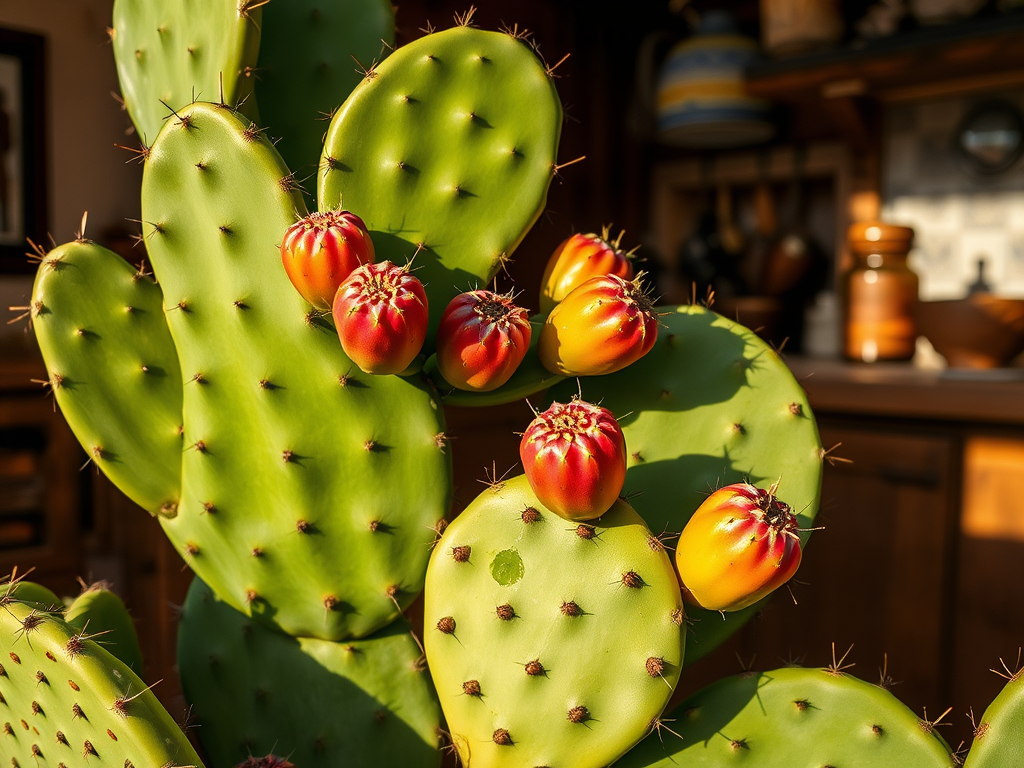
🌵The nopal cactus—aka prickly pear or Opuntia ficus-indica—is a powerhouse of tradition, nutrition, and visual flair
Nopales are the flat, paddle-shaped pads of the cactus.
Prickly pear refers to the colorful fruit that grows on those pads.
Both parts are edible and widely used in Mexican cuisine and traditional medicine.
Health Benefits
- Rich in antioxidants, fiber, vitamin C, and calcium.
- May help regulate blood sugar, reduce inflammation, and support liver health.
- Traditionally used to treat diabetes, ulcers, and fatigue.
🧠 1. Antioxidant-Rich
- Packed with polyphenols, flavonoids, and vitamin C.
- Helps combat oxidative stress, which is linked to aging and chronic disease.
💉 2. Blood Sugar Regulation
- Shown to lower and stabilize glucose levels, especially in people with type 2 diabetes.
- Often used as a complementary therapy alongside conventional diabetes medications. @ MayoClinic
🛡️ 3. Anti-Inflammatory & Antiviral
- Contains compounds that may reduce inflammation and fight viruses like HSV, RSV, and even HIV in early studies2.
- May help ease symptoms of arthritis and other inflammatory conditions.
🧬 4. Neuroprotective Effects
- Supports nerve cell health, potentially preventing sensory loss and pain.
- Could be beneficial for aging populations or those with neurological concerns.
🧘 5. Cholesterol & Heart Health
- May lower LDL (“bad”) cholesterol and improve overall lipid profiles.
- Offers a gentler alternative to statins with fewer side effects. @ Healthline
🍹 6. Hangover Relief
- Traditionally used to ease hangover symptoms like nausea and dry mouth
- Likely due to its anti-inflammatory and hydrating properties.
What’s behind the hype? @ MayoClinnic
🧔 7. Prostate Support
- Early research suggests it may help with enlarged prostate symptoms and possibly reduce prostate cancer risk. @ Healthline
“There are limited human studies on the nopal cactus and its ability to treat or prevent disease. However, the results of a 2019 reviewTrusted Source of the plant’s family, Opuntia dillenii, suggested that it has many antioxidant and anti-inflammatory properties. Other findings from the research suggest that nopal may soothe pain, boost immune activity, and protect the liver. @ medical news today“
Culinary Uses
- Sautéed with onions, garlic, and tomatoes for a tangy side dish.
- Grilled for fajitas or chopped into vegan tacos.
- Prickly pear fruit is juiced, jammed, or eaten raw—just watch out for the seeds!
“The pads, also known as nopales or cactus paddles, are described as having a texture like okra and a taste like green beans, with a slight tart flavor. Nopales are considered a vegetable. People also eat the fruit, prickly pear cactus fruit, referred to as tuna in Spanish.1
University of Arizona Cooperative Extension. Prickly pear cactus: food of the desert.
The raw fruit is said to have a range of flavors, including watermelon, strawberry, fig, or honeydew. It can be used in fruit salsas, salads, and desserts. Consumers may also purchase nopal as a supplement; it is available in tablet and powder form.” @ verywell health
Here are three flavorful and culturally rich recipes featuring nopal (prickly pear cactus).
🌿. These dishes span breakfast, lunch, and dinner, and can be styled with overlays, QR codes, or ritual guides if you’d like.
🥗 1. Ensalada de Nopales (Cactus Salad)
A refreshing, traditional Mexican salad that pairs beautifully with grilled meats or tostadas.
Ingredients:
- 4 medium cactus paddles, cleaned and sliced
- 3 fresh tomatoes, diced
- 3 green onions, chopped
- 1 bunch cilantro
- Juice of 1 lime
- 2 tbsp vegetable oil
- ¼ tsp dried Mexican oregano
- Salt & pepper to taste
- Optional: crumbled queso añejo, jalapeños, lettuce base
Instructions:
- Boil sliced nopales in salted water for 15–20 minutes. Drain and rinse.
- Mix with tomatoes, onions, cilantro, oregano, lime juice, and oil.
- Season and top with cheese. Serve chilled.
🍳 2. Nopales con Huevo (Cactus & Egg Scramble)
A protein-packed breakfast with earthy cactus flavor and vibrant color.
Ingredients:
- 1 cup fresh nopales, diced
- 2 eggs, beaten
- ¼ cup white onion, chopped
- 1 garlic clove, minced
- 1 tbsp clarified butter or oil
- Salt & pepper to taste
- Optional: queso fresco, cilantro, lime wedges
Instructions:
- Sauté nopales until tender and mucilage evaporates.
- Add onion and garlic; cook until fragrant.
- Pour in eggs and scramble until set. Garnish and serve in warm tortillas.
🌶️ 3. Pork Chile Colorado with Nopales
A bold, hearty dish with rich red chile sauce and cactus brightness.
Ingredients:

Pork shoulder, cubed
Red chile sauce (guajillo, ancho, garlic, cumin)
1 cup cooked nopales
Salt & pepper
Optional: rice, beans, tortillas
🧪 Known Nutritional Benefits of Nopal
These are the widely recognized facts that make nopal a staple in wellness circles:
| Nutrient | Amount (per 1 cup cooked) | Known Benefit |
|---|---|---|
| Calories | ~14 | Low-calorie, ideal for weight balance |
| Fiber | ~3g | Aids digestion, satiety, and gut health |
| Vitamin C | High | Boosts immunity, collagen production |
| Calcium | Moderate | Supports bone strength |
| Potassium | ~170mg | Regulates blood pressure |
| Water Content | ~90% | Hydrating and refreshing |
🌿 Lesser-Known & Emerging Benefits
These are the under-the-radar gems that elevate nopal from “healthy” to “ritual-worthy”:
Flavonoids like kaempferol & quercetin → Help neutralize free radicals and reduce oxidative stress, especially after alcohol consumption
Neuroprotective properties → May protect nerve cells from damage, supporting sensory health and cognitive longevity
Sleep quality support → Some studies suggest nopal may aid in deeper, more restorative sleep due to its antioxidant profile
Stress response modulation → May help regulate cortisol and support adrenal balance, especially when consumed regularly
Prostate health → Early research shows potential in reducing symptoms of enlarged prostate and possibly lowering cancer risk
Hangover prevention → When taken before drinking, nopal extract may significantly reduce nausea, dry mouth, and inflammation
⚠️ Nopal Safety Tips
- Always clean thoroughly: Remove spines and rinse well to eliminate mucilage and surface bacteria.
- Boil before use: Cooking reduces sliminess and potential microbial risks.
- Start small: Introduce gradually to monitor digestive response.
- Choose fresh or trusted sources: Avoid supplements from unknown brands; they’re not FDA-regulated.
- Monitor blood sugar: If diabetic, track glucose levels closely when consuming nopal—it can lower blood sugar significantly.
🚫 Who Should Avoid Nopal
- Pregnant or trying-to-conceive individuals: Safety data is lacking for supplements during pregnancy.
- People with kidney disease: High potassium may be problematic.
- Those on blood sugar medications: Risk of hypoglycemia—consult your doctor first.
- Sensitive digestive systems: May cause bloating, diarrhea, or nausea in some.
- Children under 12: Not enough research on safe dosage or long-term effects.
📜 Ethical Disclaimer for EJADA
This product and its associated content are intended for educational and cultural storytelling purposes only. Nopal cactus is a traditional food and wellness ingredient with historical significance. However, it is not a substitute for professional medical advice, diagnosis, or treatment. Always consult a qualified healthcare provider before introducing new foods or supplements, especially if you are pregnant, nursing, have a medical condition, or are taking medication. EJADA does not claim to treat or cure any disease and encourages responsible, informed consumption rooted in respect for ancestral wisdom and modern safety.
 EJADA
EJADA 
Leave a comment