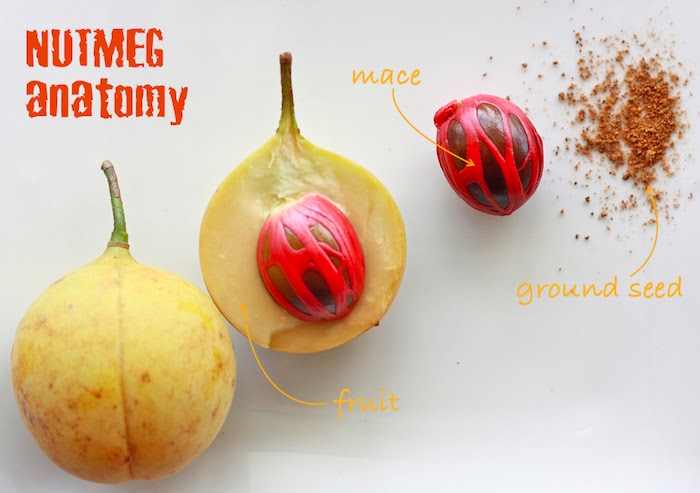
Nutmeg isn’t just a spice—it’s the seed of a fruit from the tropical evergreen tree Myristica fragrans, native to Indonesia’s Spice Islands. The fruit itself looks like a golden apricot or plum and is technically a pendulous drupe. When ripe, it splits open to reveal:
- 🟠 Mace: A brilliant crimson aril that wraps around the seed. This is dried and used as a separate spice with a more delicate flavor.
- 🟤 Nutmeg: The actual seed inside, which is ground into the warm, sweet spice we know and love.
The outer pulp of the fruit is fibrous and slightly sour—not commonly eaten raw, but sometimes used locally in preserves or pickles.
It’s remarkable how one fruit yields two distinct spices, each with its own unique culinary personality. And historically, nutmeg was so prized it sparked trade wars and colonial intrigue across continents.
🌱 Native Origins
- Where: Nutmeg (Myristica fragrans) is native to the Moluccas Islands—also known as the Spice Islands—in eastern Indonesia2.
- When: The tree has been cultivated for thousands of years by indigenous communities, but global awareness of nutmeg began around the 6th century AD, when Arab traders introduced it to Constantinople.
🌿 Nutmeg: Cultural Significance Across Time & Tradition
- In 1512, Portuguese explorers “discovered” the Banda Islands (part of the Moluccas) and began sourcing nutmeg directly.
- This sparked intense competition among European powers—especially the Dutch, English, and French—who vied for control of the nutmeg trade. The spice was so valuable it was once worth more than gold and even led to colonial wars and secret missions to transplant the trees elsewhere.
🧭 Ancient Reverence
- Nutmeg (Myristica fragrans) was native only to the Banda Islands in Indonesia.
- For centuries, Arab traders controlled its flow, introducing it to Europe by the 6th century.
- Its rarity made it a luxury item—used to flavor food, preserve meat, and even ward off the plague.
🪔 Symbolism & Spiritual Use
Arab and Indian traditions regarded nutmeg as a sacred medicinal spice as early as the first centuries A.D @.britannica.
In Ancient Rome, it was burned as incense—symbolizing purification and divine connection.
Ayurvedic and Unani systems used it for calming the mind, enhancing digestion, and invoking spiritual clarity.
Prosperity & Abundance: Nutmeg’s rarity and high value made it a symbol of wealth and status.
Protection & Comfort: Its warming aroma is linked to emotional grounding and ritual hospitality.
Third Eye Activation: Used in spiritual blends to enhance intuition and inner vision.
🍷 Ritual Beverages & Communal Traditions
In Western cultures, nutmeg is central to festive drinks like eggnog and mulled wine, symbolizing warmth, togetherness, and seasonal ritual.
In Caribbean and African diasporic traditions, nutmeg appears in ceremonial tonics and ancestral recipes—often tied to healing, storytelling, and spiritual resilience.
⚔️ Colonial Entanglement
Nutmeg was once worth its weight in gold, driving European powers into violent competition for control over the Banda Islands.
Its trade history reflects the commodification of sacred botanicals, making it a potent emblem for decolonial reflection and ritual reclamation.
🚢 Age of Exploration: Spice Fever
- By the 15th century, European powers were desperate to bypass Arab middlemen.
- Portugal was first to reach the Spice Islands in the early 1500s, launching the spice race.
- Soon after, the Dutch and English entered the fray, leading to violent competition for control.
⚔️ The Spice Wars & Dutch Monopoly
- The Dutch East India Company (VOC) sought a monopoly on nutmeg and used brutal tactics:
- In the early 1600s, they massacred or enslaved much of the Banda Island population.
- They planted nutmeg trees in controlled plantations and guarded them fiercely.
🗽 Manhattan for Nutmeg: The Treaty of Breda (1667)
- In one of history’s wildest trades, the Dutch ceded Manhattan (then New Amsterdam) to the British.
- In exchange, they kept Run Island, a tiny nutmeg-rich speck in the Banda group.
- To the Dutch, Run was worth far more than the swampy colony that would become New York City.
🌱 Nutmeg’s Spread & Modern Cultivation
- Eventually, the British smuggled nutmeg seedlings to Grenada, breaking the Dutch monopoly.
- Today, nutmeg grows in South India, Sri Lanka, Grenada, and other tropical regions.
- It’s no longer a spice of war, but it still flavors global cuisine and supports local economies.
🍑 The Fruit Itself
The nutmeg fruit is a pendulous drupe—like a golden apricot—that splits open when ripe to reveal:
- The nutmeg seed (used as a spice)
- The mace aril (a separate spice with a more delicate flavor)
🍑 Anatomy of the Nutmeg Fruit (Myristica fragrans)
it’s a botanical treasure chest with ritual-rich potential.
When fully ripe, the nutmeg fruit—a pendulous drupe—splits open to reveal a dazzling interior:
| Layer | Description | Use |
|---|---|---|
| Outer Flesh | Golden-yellow, smooth-skinned, slightly fibrous | Locally used in jams, pickles, or juiced with sugar. Bitter and acidic raw. |
| Seed Pod | Hard shell encasing the seed | Cracked open after drying to extract nutmeg. |
| Mace (Aril) | Crimson, lacy membrane wrapped around the seed | Dried and used as a spice—delicate, floral, slightly peppery. |
| Nutmeg Seed | Shiny brown, oval-shaped kernel | Ground into the warm, sweet spice we know as nutmeg. |
Flavor & Form
Nutmeg: Earthy, warm, slightly sweet. Used in baked goods, sauces, and even healing balms.
Mace: More delicate, floral, and aromatic—ideal for lighter dishes or ceremonial blends.
Fruit Flesh: Bitter, piney, and acidic. Rarely eaten raw but valued in traditional preparations.
Symbolic Resonance
Dual-Spice Revelation: One fruit yields two distinct spices—mace and nutmeg. That duality could echo themes of hidden depth, ancestral layering, or inner/outer ritual.
Colonial Entanglement: Its history is tangled with empire, trade, and resistance. That’s fertile ground for a decolonial narrative or a healing ritual.
Botanical Rarity: Even though nutmeg is globally available now, its original form—the fruit, the aril, the seed—is still visually and culturally rare.Dual-Spice Revelation:
Third Eye Activation: Used in incense and oils for spiritual insight.
Trade Alchemy: Represents transformation of value, from fruit to global currency.
Decolonial Healing: A reminder of what was taken, and what can be reclaimed.
🌱 Nutmeg: Health & Nutritional Benefits
🧠 Cognitive & Emotional Support
- Mood Balancing: Contains compounds like myristicin and macelignan, which may support memory and act as natural antidepressants.
- Stress Relief: Used in traditional sleep tonics; a dash in warm milk can soothe nerves and promote restful sleep.
🔥 Anti-Inflammatory & Antioxidant Power
- Rich in Antioxidants: Includes phenolic compounds, terpenes, and plant pigments like cyanidins that help neutralize free radicals and reduce oxidative stress.
- Anti-Inflammatory Agents: Monoterpenes such as sabinene and pinene may help reduce inflammation, supporting heart and joint health.
🌿 Digestive & Detox Benefits
- Digestive Stimulant: Encourages secretion of stomach-friendly compounds, easing bloating and gas.
- Liver & Kidney Detox: Traditionally used to cleanse internal organs and support metabolic balance.
🦷 Oral & Skin Health
- Antibacterial Properties: Fights oral pathogens, supports gum health, and combats bad breath.
- Skin Nourishment: Vitamins and minerals in nutmeg help fight acne and nourish skin from within.
🛡️ Immune & Nutritional Profile
- Immunity Boost: Packed with magnesium, calcium, iron, and essential oils that support immune resilience.
- Nutritional Snapshot (per tsp):
- Calories: ~12
- Fiber: ~0.1–0.5g
- Minerals: Manganese, Copper, Magnesium, Iron4
⚠️ Safety Note
Nutmeg is potent. Ingesting more than 1/4 teaspoon daily can lead to toxicity, including hallucinations and serious side effects. Always frame its use within ritual moderation, not casual consumption. @ WebMD
Historical
Nutmeg’s journey is steeped in global entanglement. Once confined to the Banda Islands, it became the epicenter of colonial ambition. Arab traders introduced it to the West, and by the 16th century, European powers waged wars over its control. The Dutch even traded Manhattan for a nutmeg-rich island—Run—in 1667. This fruit embodies the tension between sacred botanical knowledge and imperial extraction.
Botanical Anatomy
- Outer Flesh: Bitter, fibrous, used in local preserves.
- Mace (Aril): Crimson lace wrapping the seed—symbol of veiling, feminine energy, and protection.
- Nutmeg Seed: Warm, sweet spice—linked to intuition, prosperity, and spiritual clarity.
While it’s not a vitamin powerhouse like leafy greens or citrus, its micronutrient profile still contributes to spiritual clarity, digestive balance, and emotional grounding when used intentionally.
Nutmeg: Vitamin Profile (per 100g, for reference—not recommended dosage)
| Vitamin | Amount | Role in Ritual & Healing |
|---|---|---|
| Vitamin A | ~15 µg | Supports vision, intuition, and skin clarity. Often linked to third-eye activation. |
| Vitamin C | ~3 mg | Antioxidant; aids immunity and emotional resilience. |
| Vitamin B1 (Thiamine) | ~0.35 mg | Nervous system support; enhances mental clarity and ritual focus. |
| Vitamin B2 (Riboflavin) | ~0.06 mg | Energy metabolism; supports cellular renewal. |
| Vitamin B3 (Niacin) | ~1.3 mg | Circulatory health; used in grounding rituals. |
| Vitamin B6 | ~0.16 mg | Mood regulation; balances emotional states in ceremonial blends. |
| Folate (B9) | ~76 µg | DNA synthesis and repair; linked to ancestral memory and fertility rites. |
| Choline | ~8.8 mg | Brain function and detoxification; supports clarity in ritual fasting. |
⚠️ Ritual Safety Reminder
These values reflect concentrated amounts—nutmeg is not meant to be consumed in large doses. Even 1–2 teaspoons can be toxic. Its power lies in symbolic use, micro-dosing, and intentional blending within ritual-safe boundaries.@ Healthline
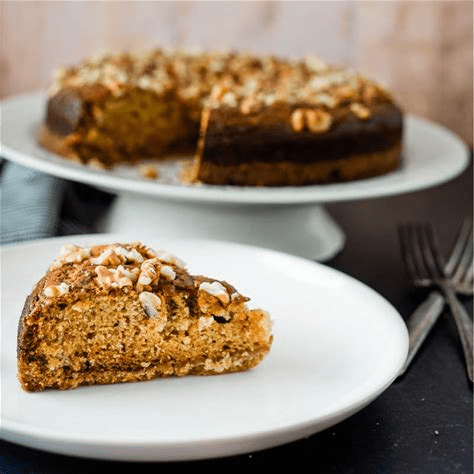
🍰 Armenian Nutmeg Cake
A layered dessert with a buttery base and airy top, infused with fresh nutmeg.
🍮 Nutmeg Sauce (1930s Handwritten Recipe)
A vintage vanilla-style sauce with lemon and nutmeg—ideal for drizzling over spice cakes or ritual breads. Ingredients:

Cornstarch, sugar, boiling water
Lemon juice, butter, nutmeg, salt Method: Whisk and simmer until thickened.
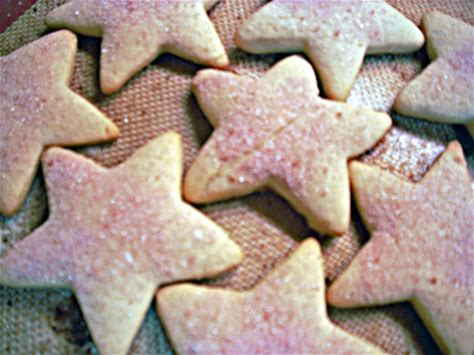
🍪 Mom’s Nutmeg Sugar Cookies
Soft, nostalgic cookies with a hint of nutmeg warmth.
Use sour milk (lemon + milk) for tenderness
Chill dough before rolling
Bake at 350°F for 10 minutes
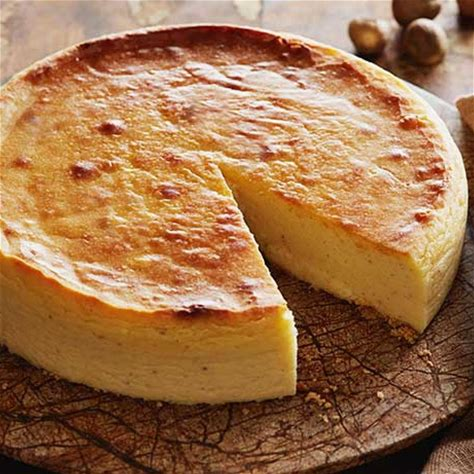
🍮 Nutmeg Cheesecake
Creamy, spiced cheesecake with almond and vanilla undertones. Key Ingredients:
⚠️ Toxic Effects of Nutmeg (High-Dose Ingestion)
🧠 Neurological & Psychological
- Hallucinations: Visual distortions, trance-like states, and altered perception
- Disorientation & Confusion: Difficulty focusing, paranoia, and a sense of unreality
- Agitation or Lethargy: Some report extreme anxiety, others experience drowsiness or a “hangover” that lasts days
🫀 Cardiovascular
- Increased Heart Rate (Tachycardia): Can lead to palpitations or arrhythmias
- Blood Pressure Fluctuations: May cause dizziness or fainting
🤢 Gastrointestinal
- Nausea & Vomiting: Often severe, leading to dehydration
- Dry Mouth & Abdominal Pain: Common early symptoms
🧬 Systemic & Organ Risks
- Liver Stress: Rare cases suggest potential liver damage when combined with other substances
- Organ Failure: In extreme cases or when combined with drugs, nutmeg toxicity has been linked to organ failure and even death
⏳ Onset & Duration
- Symptoms appear: 3–8 hours after ingestion
- Effects may last: 24–48 hours, with lingering fatigue or mental fog
🛡️ Ritual Safety Reminder
Nutmeg is sacred, not recreational. Its use in ancestral healing and ceremonial blends is always micro-dosed, intentional, and guided. Anything beyond ¼ teaspoon should be approached with caution and cultural context.@ Biology Insights
🌿 Why Nutmeg Is a Botanical Oracle
🧠 Third Eye Activation & Inner Vision
Nutmeg is deeply associated with the third eye chakra, the seat of intuition and spiritual clarity. In Ayurvedic and Eastern traditions, it’s used to:
- Enhance meditation and dream recall
- Dissolve mental fog and sharpen perception
- Invite inner wisdom and ancestral insight
This makes it not just a spice—but a tool for spiritual seeing.
🛡️ Protection & Grounding
Nutmeg has long been used as a protective charm:
- In Medieval Europe, it was believed to ward off evil spirits and plague
- In folk rituals, it’s carried to shield against negative energy
- Its warm, earthy aroma anchors the body during emotional or energetic turbulence
It’s a botanical that grounds while guarding—a rare duality.
🔄 Transformation & Trade Alchemy
Nutmeg’s historical journey—from sacred fruit in the Banda Islands to a global commodity traded for Manhattan—embodies:
- Transformation of value
- Colonial entanglement and ritual reclamation
- The tension between sacredness and exploitation
Its story is a mirror for cultural shifts, making it a symbolic compass for decolonial healing.
💫 Abundance, Love & Connection
In many traditions, nutmeg is linked to:
- Prosperity rituals—placed on altars or carried in wallets to attract wealth
- Heart chakra activation—used to deepen compassion and emotional warmth
- Love spells and ancestral bonding—sprinkled in ceremonial foods or oils
It’s a spice that connects and amplifies—emotionally, spiritually, and communally.
From its golden fruit to its crimson lace and storied seed, nutmeg is more than spice—it’s a botanical oracle, a cultural mirror, and a ritual companion. Whether stirred into ancestral sauces, folded into festive cakes, or honored in healing blends, it invites us to taste history, memory, and meaning in every fragrant note.
So here’s to nutmeg: ✨ A seed that sees.
🛡️ A spice that protects.
🌍 A fruit that remembers.
 EJADA
EJADA 
Leave a comment