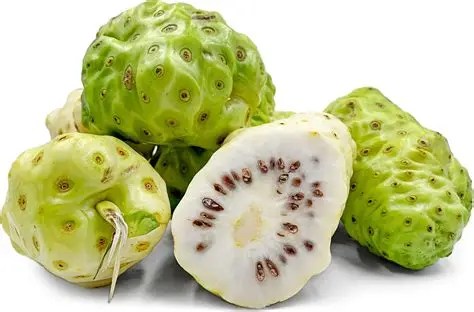
🌿 Noni, also known as Morinda citrifolia, has a rich and ancient legacy that spans thousands of years and multiple cultures.
Here’s the story behind its cultivation
🕰️ Origins & Early Cultivation
- Estimated Timeline: Noni has been cultivated for 2,000–3,000 years, possibly earlier.
- First Cultivators: It was first used by ancient Indian medicine men in Southeast Asia and the Indian subcontinent.
- They incorporated it into Ayurveda, the traditional system of medicine, where noni was revered as a sacred plant known as Ashyuka—meaning “longevity”.
- Ayurvedic Use: Ancient Indian medicine men identified noni as a sacred plant, calling it Ashyuka—Sanskrit for “longevity”. It was used to:
- Balance bodily energies (doshas)
- Treat inflammation, infections, and digestive issues
- Promote vitality and spiritual clarity
- Medicinal System: These early practitioners developed Ayurveda, a holistic healing system that still thrives today. Noni was one of its cornerstone botanicals2.
🌊 Migration & Canoe Plant Culture (Polynesia)
- Voyaging Wisdom: As Austronesian and Polynesian explorers migrated across the Pacific, they carried noni as a canoe plant—a vital crop for survival, medicine, and ceremony.
- Cultural Integration: Noni became deeply embedded in Polynesian life:
- Used in ceremonial healing rituals
- Consumed during famines for sustenance
- Applied topically for wounds, sprains, and infections
- Names Across Islands:
- Nonu in Samoa and Tonga
- Nono in Tahiti and Rarotonga
- Noni in Hawaii and the Marquesas Islands
🧭 Historical Mentions
- Captain Cook’s Journals: In the 1700s, European explorers documented native use of noni in the South Pacific.
- WWII Survival Guide: U.S. soldiers stationed in Polynesia were taught by locals to consume noni for strength and endurance. It was even recommended in military survival manuals.
“During World War II, soldiers based on tropic Polynesian islands were taught by the native Polynesian people to eat the noni fruit to sustain their strength. The noni fruit became a staple food choice for people of Raratonga, Samoa and Fiji who ate the noni fruit raw or cooked. @Noni History“
🌊 Polynesian Expansion
- As explorers from Southeast Asia migrated across the Pacific, they carried noni as a canoe plant—a vital crop used to establish new island communities. It was considered essential for survival and healing.
- Around 400 A.D., Hawaii Loa, a Polynesian chief, is said to have brought noni from Tahiti to Hawaii during his legendary 2,400-mile voyage.
🌿 Vitamins in Noni Fruit (per 100g)
| Vitamin | Amount | % Daily Value (approx.) | Function |
|---|---|---|---|
| Vitamin C | 33 mg | 37% | Immune support, collagen production, antioxidant |
| Vitamin E | 1.7 mg | 11% | Cellular protection, skin health, anti-aging |
| Vitamin A | Trace amounts | — | Vision, immune function, skin integrity |
| B Vitamins | Small amounts | — | Energy metabolism, nervous system support |
🔍 Note: While vitamin A and B-complex vitamins are present, their levels vary depending on ripeness and preparation. Fermented noni juice may contain slightly different concentrations due to enzymatic changes.
🧬 Bonus: Antioxidant Compounds
Noni also contains powerful phytochemicals that act like vitamins in the body:
- Scopoletin – anti-inflammatory and mood-balancing
- Quercetin & Kaempferol – antioxidant and anti-cancer potential
- Anthocyanins & Flavonoids – cellular protection and anti-aging
Sacred Journey of Noni
🛶 Canoe Plants: Seeds of Survival and Ceremony
- As Polynesian navigators set sail from Southeast Asia and Taiwan around 1500 BCE, they carried with them a curated selection of canoe plants—species essential for food, medicine, and spiritual continuity.
- Noni (Morinda citrifolia) was among the most prized. It was:
- A nutritional fallback during famine
- A medicinal staple for wounds, infections, and inflammation
- A symbolic plant tied to longevity and divine protection
🗺️ Voyaging Across the Pacific
- These explorers reached Tahiti, Samoa, Tonga, Rarotonga, Fiji, and eventually Hawaii, navigating thousands of miles using celestial cues, ocean swells, and bird patterns.
- Around 400 A.D., the legendary chief Hawaii Loa is said to have brought noni from Tahiti to Hawaii on a 2,400-mile journey, planting it to ensure future generations had access to its healing power.
🌺 Cultural Integration
- Noni became deeply woven into Polynesian cosmology and daily life:
- Known as Nonu in Samoa and Tonga, Nono in Tahiti, and Noni in Hawaii
- Used in ritual poultices, fermented tonics, and spiritual offerings
- Believed to connect the body to ancestral wisdom, especially in healing rites
🧬 Legacy and Resilience
- Even today, noni thrives in volcanic soils, coastal cliffs, and sacred groves across Polynesia.
- Its multi-use versatility—from fruit to bark to seeds—reflects the Polynesian ethos of resourcefulness, reverence, and ecological stewardship.
🌺 Cultural Significance
- In Polynesian culture, noni was more than food—it was ceremonial, medicinal, and spiritual. It was associated with divine gifts and healing, and every part of the plant (fruit, leaves, bark, seeds) was used.
- Known by different names across the Pacific—Nonu in Samoa and Tonga, Nono in Tahiti, and Noni in Hawaii—it became a staple in places like Fiji, Rarotonga, and Samoa.
So while noni’s cultivation began in Southeast Asia, it was the Polynesian voyagers who spread it across the Pacific and embedded it deeply into ceremonial and everyday life.
🌿 Well-Known Health Benefits of Noni
These are widely recognized in both traditional medicine and modern wellness circles:
- Immune System Boost: Rich in vitamin C, selenium, and antioxidants that help fight infections2
- Anti-Inflammatory: Reduces joint pain, arthritis symptoms, and general inflammation
- Digestive Support: Aids in gut health, relieves constipation, and soothes gastric issues
- Cardiovascular Health: May lower blood pressure and reduce cholesterol levels4
- Antioxidant Powerhouse: Neutralizes free radicals, supports cellular repair
- Skin Rejuvenation: Promotes collagen production, reduces wrinkles, and speeds wound healing
- Energy & Endurance: Enhances athletic performance and reduces fatigue
🌺 Lesser-Known & Traditional Benefits
These are rooted in ancestral knowledge and emerging research
- Mood Stabilization: Traditionally used to calm the nervous system and reduce anxiety
- Anti-Parasitic: Known to help eliminate intestinal worms (anthelmintic properties)
- DNA Protection: Contains compounds that may protect against genetic damage
- Liver & Kidney Tonic: Used in Traditional Chinese Medicine to strengthen these organs
- Bone & Tendon Support: Believed to fortify musculoskeletal health in Qi and Yin deficiency states
- Anti-Tumor Potential: Early lab studies suggest noni may inhibit cancer cell growth
- Memory & Brain Health: Supports cognitive function and may help with age-related decline @ organichawaii.org
@ organichawaii.org
⚠️ Safety Notes
- High Potassium: Not recommended for people with kidney disease or on potassium-restricted diets @ WebMD
- Liver Concerns: Some reports link noni juice to liver toxicity when consumed in excess @nccih.nih.gov
- Pregnancy & Medications: Should be avoided during pregnancy or when taking certain medications @ WebMD
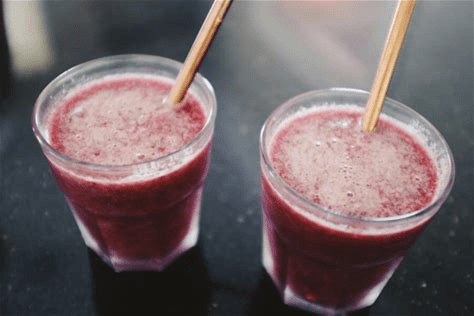
How To Make Fresh Noni Juice (Without Fermenting): Noni Juice Recipe
🧬 Noni Fruit Nutritional Values (per 100g)2
| Nutrient | Amount | % Daily Value (approx.) |
|---|---|---|
| Calories | 15.3 kcal | — |
| Carbohydrates | 9 g | 3% |
| Dietary Fiber | 3 g | 12% |
| Sugars | 1.49 g | — |
| Protein | 0.43 g | — |
| Vitamin C | 33 mg | 37% |
| Vitamin E | 1.7 mg | 11% |
| Calcium | 57 mg | 6% |
| Iron | 1.2 mg | 7% |
| Potassium | 525 mg | 11% |
| Antioxidants | Rich in carotenoids, flavonoids, anthocyanins | ✅ |
Noni is also packed with phytochemicals like scopoletin, proxeronine, and quercetin—compounds linked to anti-inflammatory, anti-cancer, and mood-balancing effects.
🍹 Easy & Ritual-Worthy Noni Recipes
1. Fresh Noni Juice Shot
A simple, non-fermented version that preserves nutrients.
Ingredients:
- 1 ripe noni fruit (translucent skin)
- ½–1 cup water
- Grape juice or honey (optional)
Instructions:
- Rinse and blend the ripe noni fruit with water.
- Strain to remove seeds.
- Pour 30ml into a shot glass.
- Add grape juice or honey to mask the pungent flavor.
💡 Perfect for morning rituals or paired with breathwork and grounding exercises.
2. Noni-Banana Nut Muffins
A clever way to mask the flavor while keeping the benefits.
Ingredients:
- ½ cup mashed ripe noni
- ½ cup mashed banana
- 2 eggs, 1 cup sugar, ½ cup oil
- 2 cups flour, 1 tsp cinnamon, 1 tsp baking soda
Instructions:
- Mix wet ingredients, then fold in dry.
- Bake at 350°F for 20–25 minutes.
- Optional: Add walnuts or cacao nibs for texture.
🌀 Great for archive entries themed around “Hidden Wisdom” or “Sacred Nourishment.”
3. Vegan Noni Goat Cheese Spread
A bold, probiotic-rich recipe using noni juice and macadamia nuts.
Ingredients:
- 2 cups soaked macadamia nuts
- 2½ tbsp fresh noni juice
- 1 tsp salt, 3½ tbsp lemon juice
Instructions:
- Blend all ingredients until silky smooth.
- Wrap in cloth and let drip for 2 hours.
- Shape into logs and roll in herbs or edible flowers.
🌿 Ideal for ceremonial platters or exclusive tasting kits.
⚠️ Who Should Be Cautious or Avoid Noni
🧠 People with Liver Conditions
- Why: Noni juice and tea have been linked to liver toxicity in some cases.
- Risk: If you have liver disease or are taking medications that affect the liver, avoid noni or consult a healthcare provider first.
🩺 Individuals with Kidney Disease
- Why: Noni is high in potassium.
- Risk: Excess potassium can be dangerous for those with impaired kidney function or on potassium-restricted diets.
🤰🏽 Pregnant or Breastfeeding People
- Why: There’s insufficient safety data.
- Risk: Noni may affect fetal development or interact with maternal hormones. Best to avoid during pregnancy and lactation.
💊 People on Certain Medications
- High Blood Pressure Meds: Noni may increase potassium, which can dangerously interact with ACE inhibitors, ARBs, or potassium-sparing diuretics.
- Blood Thinners (e.g., Warfarin): Noni may reduce effectiveness, increasing clotting risk.
- Hepatotoxic Drugs: Combining with noni may amplify liver damage.
- Phenytoin (Dilantin): Noni may lower blood levels, increasing seizure risk.
🧘🏽♀️ Safe Use Tips for Everyone
- Limit consumption to 3–4 oz daily for no more than 3 months
- Always consult a healthcare provider before starting
- Avoid fermented noni if sensitive to alcohol or histamines
⚖️ Sacred Use Disclaimer
The information shared in this post is intended for educational and cultural storytelling purposes only. While noni fruit has been revered across generations for its healing properties, its effects may vary based on individual health conditions, medications, and sensitivities.
Before incorporating noni into your wellness rituals, please consult a qualified healthcare provider—especially if you are pregnant, breastfeeding, managing kidney or liver conditions, or taking prescription medications. Noni contains high levels of potassium and may interact with certain drugs or exacerbate existing health issues.
EJADA honors ancestral wisdom and ecological stewardship, but does not offer medical advice or endorse noni as a cure or treatment. Use mindfully, and always prioritize safety in your sacred practices.
 EJADA
EJADA 
Leave a comment